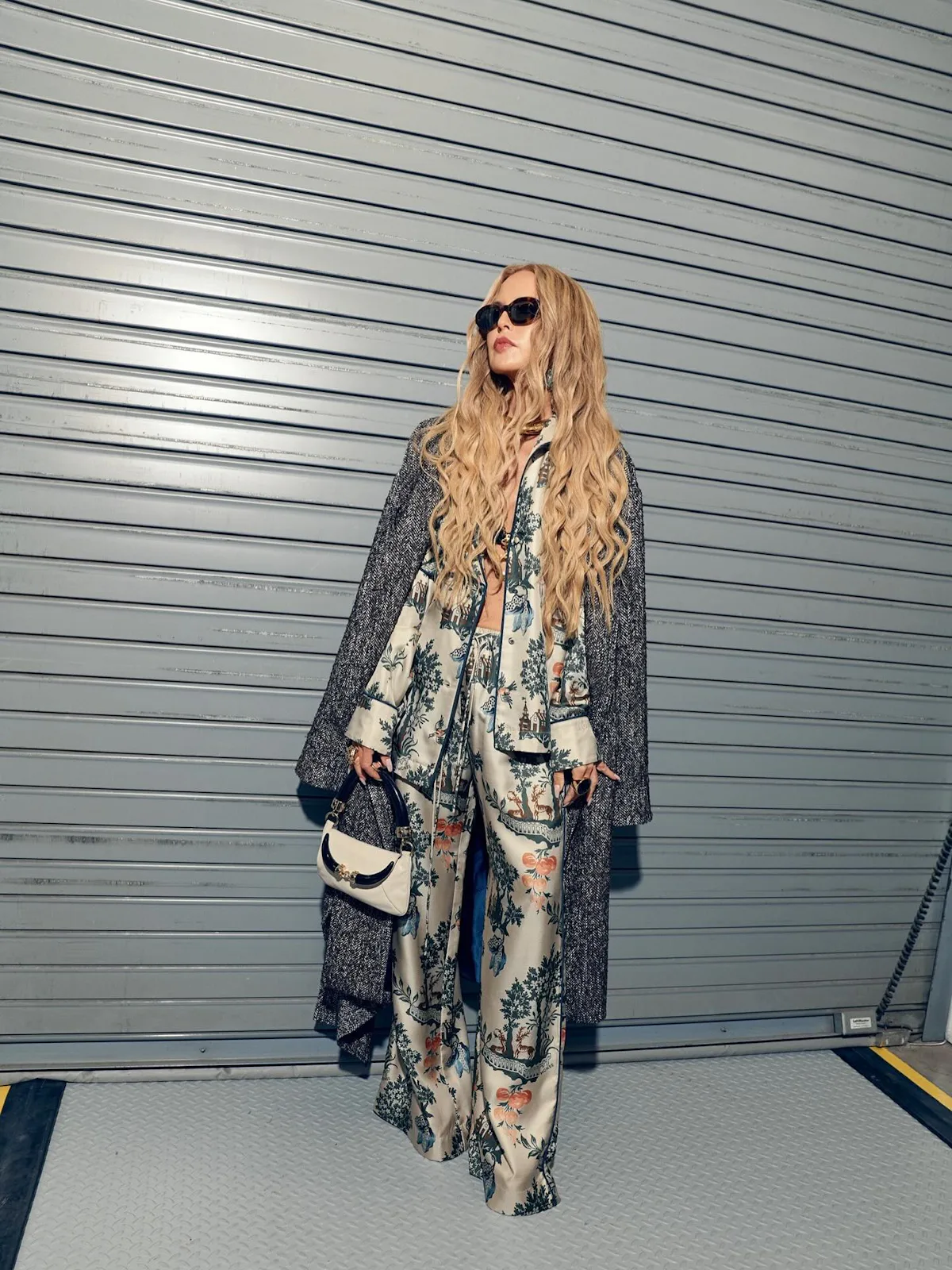
Rachel Zoe’s recent articulation of her steadfast style rules, as detailed in *The Zoe Report*, resonates with a familiar desire for enduring elegance in a constantly shifting fashion landscape. Her commitment to caftans, oversized sunglasses, and statement coats isn't merely about personal preference; it represents a deliberate curation of a recognizable aesthetic, a brand built on consistency. This echoes a broader trend we’ve observed – a move away from fleeting trends and towards a more considered, personal approach to style, reflecting a deeper understanding of one’s own identity. It’s a counterpoint to the relentless cycle of micro-trends, a quiet rebellion against the pressure to always be “new.” This aligns with the exploration of [The Family Fashion Traditions That Shape Us], where we examined how inherited style choices and generational influences contribute to a lasting sense of self-expression. The desire to build upon a foundation of tradition, rather than chasing the ephemeral, is clearly at play here. Similarly, while Zoe's aesthetic is intensely personal, it also draws inspiration from broader cultural touchstones, a concept explored in [The Fashion Archetypes Of Cities Around The World, From New York To Paris], demonstrating how style can be both individual and reflective of a larger context.
Zoe’s unwavering adherence to these rules speaks to the power of a curated personal brand. In an age where authenticity is prized, even manufactured, consistency can be surprisingly compelling. It’s not about being “real” in the sense of raw vulnerability; it's about presenting a polished, intentional version of oneself. This intentionality extends beyond clothing choices, influencing how she interacts with her audience and the image she cultivates. We see this mirrored in the growing demand for experiences that prioritize personalization and mindful consumption – [Luxury All-Inclusive Experiences Have Never Felt More Personal] exemplifies this shift, demonstrating a desire for curated environments that align with individual values and preferences. Zoe’s style is a form of self-curation, a visual representation of her worldview and a clear message to her audience: “This is who I am, and I stand by it.” It’s a far cry from the erratic, trend-driven approach that once dominated the fashion scene, where the next ‘it’ item often overshadowed individual style.
The significance of this approach lies in its sustainability, both in terms of personal style and the broader fashion industry. By prioritizing timeless pieces and signature elements, Zoe minimizes the need for constant consumption. This resonates with a growing consciousness around the environmental and ethical impact of fast fashion. Choosing a few key pieces and building a wardrobe around them allows for a more mindful and deliberate approach to purchasing, reducing waste and promoting a sense of enduring style. It's a rejection of the "throwaway" culture that has long plagued the industry, opting instead for quality over quantity and a focus on pieces that tell a story, both for the wearer and the observer. This isn’t about dismissing trends entirely; it’s about integrating them thoughtfully, rather than being dictated by them.
Ultimately, Rachel Zoe’s steadfastness serves as a reminder that true style isn't about chasing the latest craze, but about cultivating a personal aesthetic that reflects one’s inner self. Her approach champions a quieter, more confident form of self-expression – one that prioritizes enduring elegance over fleeting trends. As the fashion landscape continues to evolve, will we see a further embrace of this “quiet luxury” aesthetic, a move away from performative fashion and towards a more authentic and considered approach to style, or will the allure of novelty ultimately prove too strong?