There is a profound difference between dressing for the weather and dressing for yourself, and the decision to wear rain boots regardless of the forecast marks a quiet but significant shift in personal style. We have long admired the way Prada's Dalmatian-Print Loafer Returns as Quiet Luxury's Next Chapter redefined what constitutes a wardrobe investment, and this same logic now applies to the most pragmatic of footwear. The story here is not about a sudden obsession with puddles; it is about the refusal to relegate an object of genuine utility to the back of the closet the moment conditions improve. When the fall/winter 2026 runways of TWP and 6397 styled tall Wellingtons with crisp, polished workwear, they did more than present a trend, they offered permission to see the rain boot as a deliberate aesthetic choice rather than a grudging concession to the elements. For those of us who have spent years swapping out of functional boots the second the sun broke through, this represents a liberation from the tyranny of the forecast.
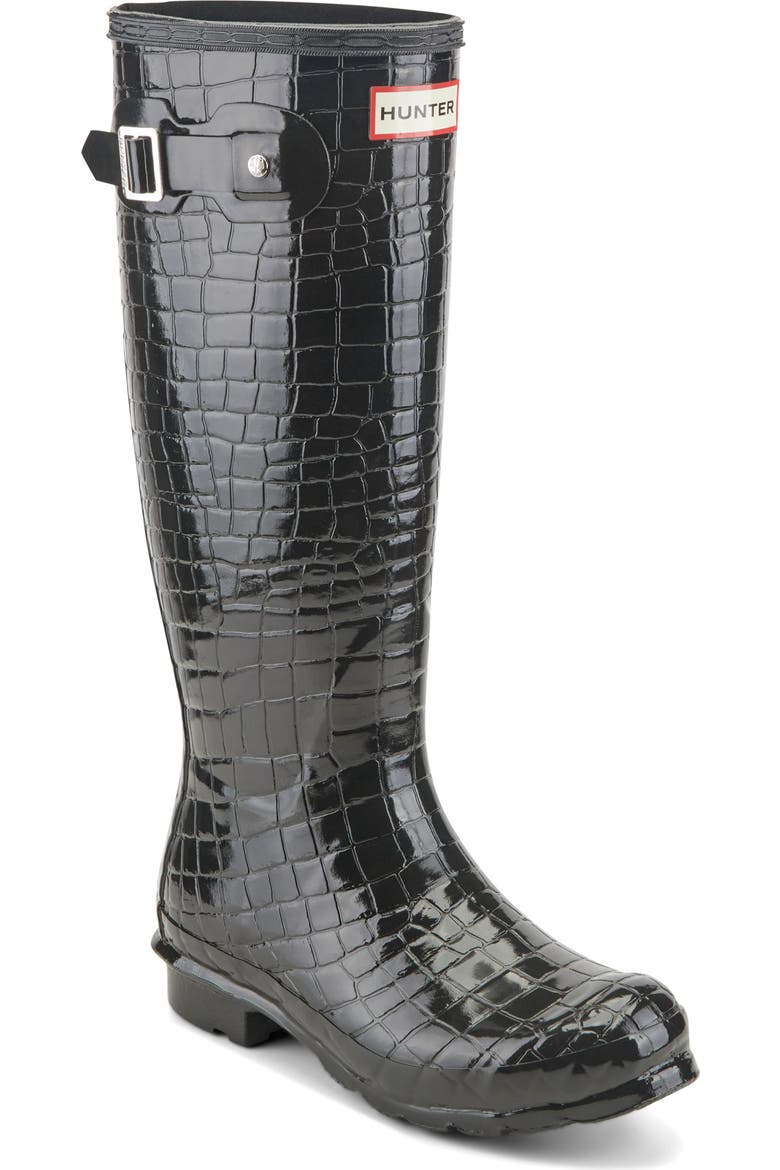
The practical consequence for our readers is immediate and liberating: you no longer need to wait for a grey sky to justify your footwear. The most compelling pairs now available, sleek Chelsea shapes, glossy knee-high iterations, waterproof styles that would never register as rain boots at all, belong in your rotation on sunny days, on dry pavement, and in outfits that have nothing to do with mud. This is the same sensibility that informed The Art of the Gift: Our 2026 Holiday Edit, where the most memorable selections were those that transcended their immediate function. A Hunter boot in croc-embossed finish or a Moncler Kickstream in chocolate brown is not merely a response to precipitation; it is a shape, a texture, a mood. The ankle Wellington from Barbour, the biker-boot silhouette from Jimmy Choo, the quilted nylon from Moncler that feels like your favorite puffer translated to the ground, each of these reads as a considered style choice first and a weather solution second. Luxury houses like Chanel and Bottega Veneta have already absorbed this logic, designing waterproof footwear that belongs in a permanent rotation, not a seasonal bin.
What makes this evolution feel authentic rather than performative is its restraint. There is no loud branding, no aggressive claims about performance, no need to announce that you are prepared for a storm. The quietest statement, wearing rain boots on a clear day, communicates a confidence that requires no explanation. It echoes the self-assurance of Sophie Channels Diana's Balmoral Romance on a Quiet Finnish Escape, where the power of a look came from its appropriateness to the moment, not its adherence to expectation. The specific takeaway here is direct: if you find yourself reaching for a pair of rain boots only when the forecast demands it, you are missing the point entirely. The next time the sun is out and you slip into a glossy knee-high Wellington with a trench and a midi skirt, you will understand that the forecast was never the deciding factor. The question worth asking yourself is not whether it will rain, but whether the boot deserves to be worn regardless.