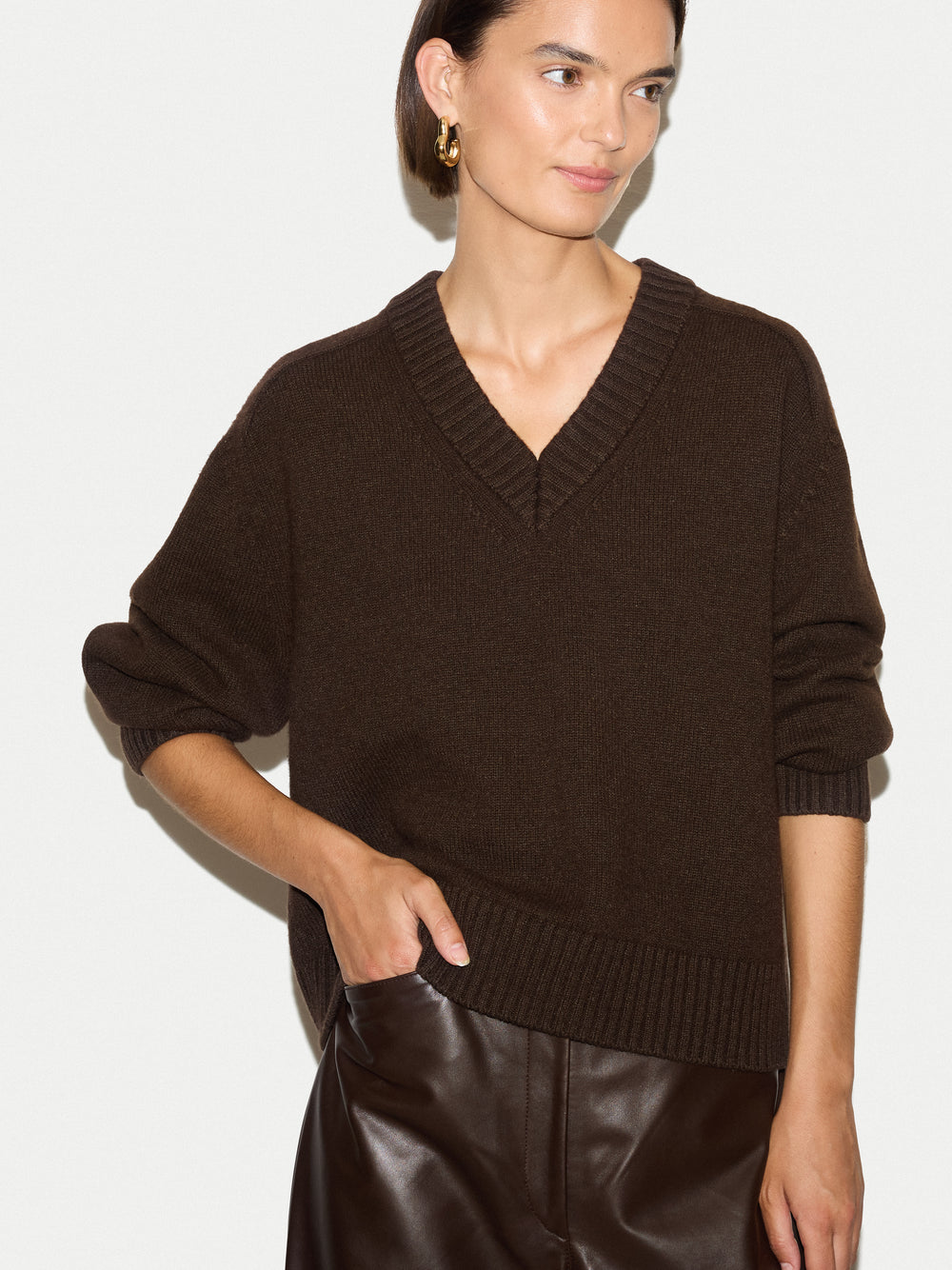
There is a particular kind of ease that comes from a uniform, and few combinations deliver it as quietly as a fine-gauge knit and a well-cut pair of jeans. The article reminds us that this pairing is not a compromise, but a choice. It is the answer to the "nothing to wear" spiral precisely because it does not ask for more from us. It asks for less, which is where its luxury truly lives. This is the same instinct that governs the season's other quiet heroes, from the elevated sneaker selections redefining what we consider casual to the manicure mood proving that restraint on our nails can be just as expressive as a bold color. When the foundation is this considered, the overall effect is one of polished calm, not effort.
Our take is that this is not about the specific jumper or the specific denim; it is about the intention behind them. In a world that constantly pushes for more noise, more layers, and more excess, choosing a simple combination is an act of self-assurance. It signals that you are comfortable enough to let the pieces speak for themselves, and that your confidence is internal rather than stitched into a trend. This is the modern definition of femininity as power, not performance. It is the same energy behind the pixie cut that dares to be minimal because the wearer knows her presence is enough. For our readers, the practical takeaway is permission to stop chasing novelty. The formula that works is the one that feels like you, refined.
What we would tell a reader asking for advice is this: do not overthink the proportions. The magic is in the fabric and the fall. A heavier knit with a straight-leg jean creates a column of calm; a lighter layer with a slight bootcut offers a softer silhouette. The point is not to replicate a look but to find your version of it. This season, the most radical thing you can do is edit. Look at what you already own and ask which pieces make you feel most like yourself, then build from there. The footwear, the nails, the haircut, they all follow the same principle. They are supporting characters in your narrative, not the plot itself.
The real consequence of this trend is a shift in how we measure style. It is no longer about the volume of items but the quality of the encounter. We should watch how quickly this filters into the broader cultural conversation, where the idea of "dressing up" might be replaced by the more intimate act of "dressing in." The question is not whether you look expensive, but whether you feel present. That is the standard we are holding onto.