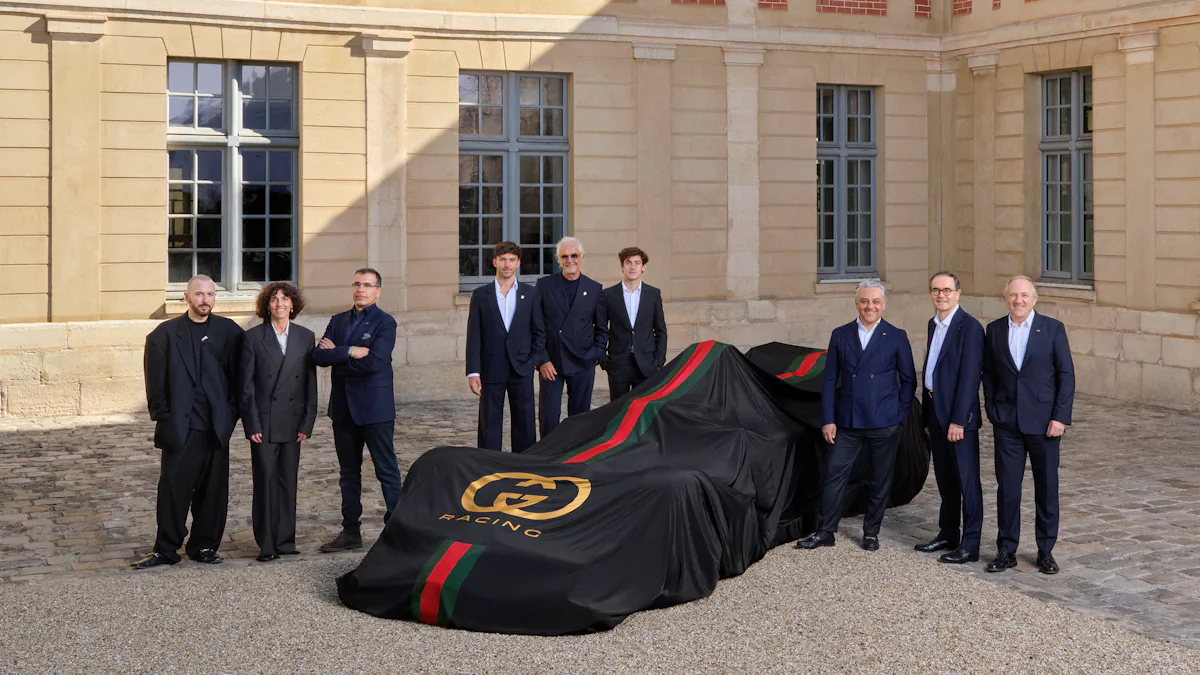
In a significant move that bridges the worlds of high fashion and elite motorsport, Gucci has announced its role as the title partner for the Alpine Formula 1 team. This partnership, the first of its kind for a fashion house in the Formula 1 landscape, marks a fascinating evolution in both industries, showcasing how luxury brands are increasingly seeking to align themselves with high-octane sports. As we've seen with other collaborations in recent months, such as Brandon Blackwood x Olandria Is The Handbag Collaboration Of The Year, this trend signals a shift towards experiential branding that speaks to a lifestyle rather than mere product offerings.
Gucci's entry into the fast-paced realm of Formula 1 is not just about visibility; it's a calculated move that aims to capture the attention of a younger, dynamic demographic that values both luxury and adrenaline. The design aesthetics that Gucci is celebrated for—bold, avant-garde, and often infused with Italian flair—pair intriguingly with the high-speed world of racing. This partnership represents a fusion of artistry and athleticism, inviting fans to reimagine what luxury can look like in high-stakes environments. It echoes a broader trend in fashion where brands are becoming more than just purveyors of goods; they are now lifestyle curators, much like the narrative explored in If You're Going to Wear a Colorful Outfit, This "Risky" Shoe Trend Is Cooler Than Black Flats.
The implications of this partnership extend beyond mere marketing; they signal a deeper cultural conversation about the intersection of sport, fashion, and identity. In an era where consumers are increasingly drawn to brands that reflect their values and aspirations, Gucci’s collaboration with Alpine emphasizes a modern femininity and empowerment that resonates with contemporary audiences. It positions the brand as a purveyor of not just style but of a lifestyle imbued with confidence, presence, and a hint of rebellion—qualities that resonate deeply with the ethos of both the racetrack and the runway.
As the world watches, this partnership will likely set a precedent for future collaborations in the sports and fashion arenas. The question remains: how will this partnership influence consumer engagement and brand perception in both industries? Will we see more luxury brands stepping into the realm of sports sponsorships, and if so, how will they navigate the complexities of aligning their identities with the fast-paced, often unpredictable nature of competitive sports? As Gucci and Alpine embark on this journey together, the outcomes may redefine how we view luxury and lifestyle, blurring the lines between glamour and grit.
In conclusion, Gucci’s partnership with the Alpine Formula 1 team is a bold statement that reflects a contemporary understanding of brand identity and consumer engagement. It serves as an invitation to explore how high fashion can thrive in spaces traditionally reserved for athletic prowess. Moving forward, we will be keenly watching how this alliance unfolds and what it may mean for the future of both fashion and sports, as they continue to converge in unexpected yet thrilling ways.