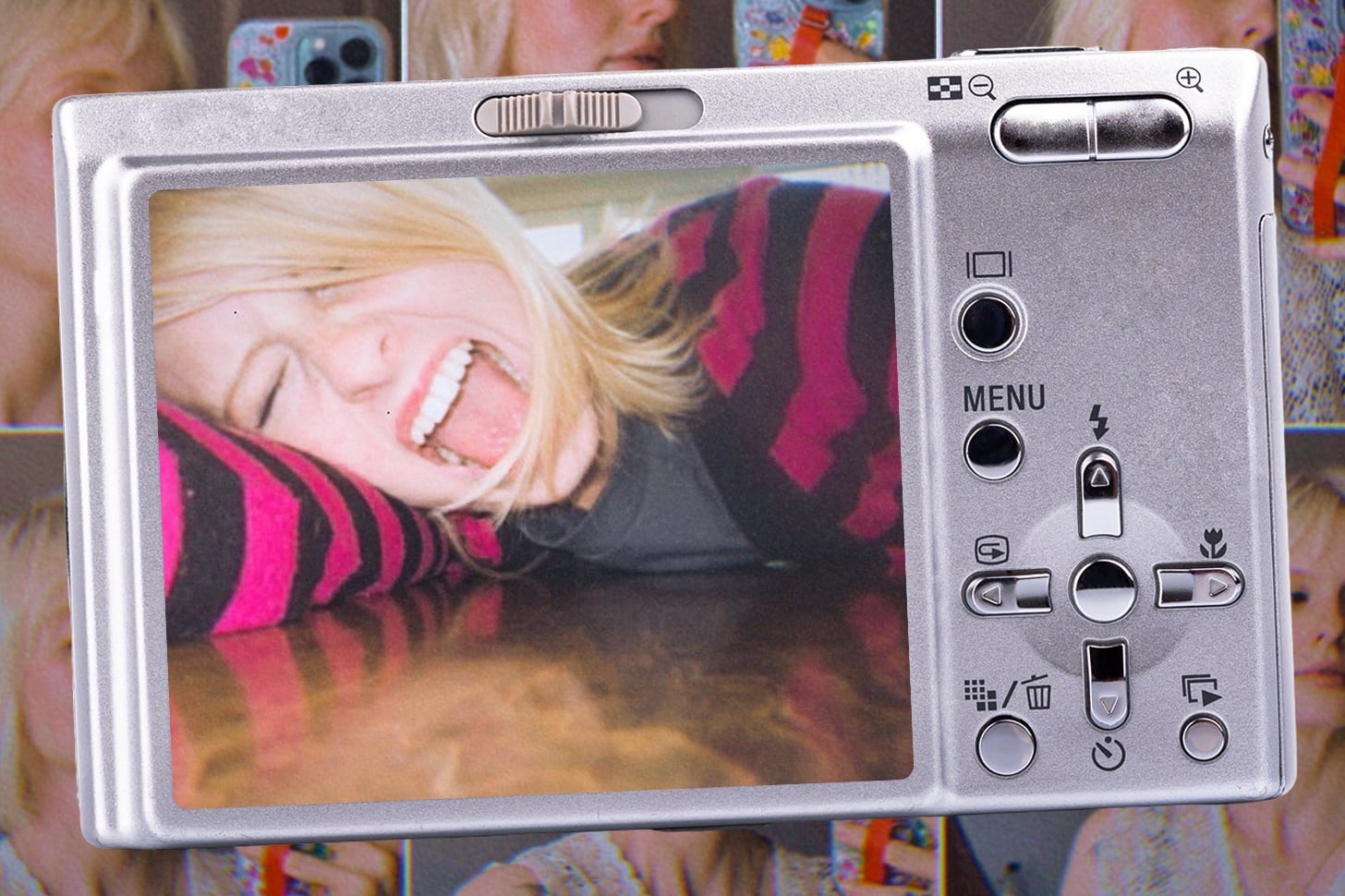
Twenty years of self-portraiture sounds, on the surface, like a study in vanity. But the Aughts Effect package, celebrating two decades of Popsugar, reframes the genre as something quieter: a sustained practice of looking inward. We have watched the selfie evolve from a blurry afterthought to a curated artifact, and in that evolution, we have lost the plot. The camera was never meant to capture perfection; it was meant to document a becoming. As we scroll past yet another mirror shot engineered for validation, we forget that the original impulse was not performance, but presence. It is the same tension we feel when we see the algorithmic sameness of The Quiet Echo: When Instagram Style Feels a Little Too Alike creeping into our feeds, a visual monotony that dilutes the very individuality we seek to project.
Our take is not that the selfie is dead, but that it has been repackaged for consumption rather than reflection. The article's retrospective makes us wonder if we have traded the diary for the storefront. We are so busy curating the mood board of our lives that we forget to live in the room. The related conversation on Fashion’s Echo: How Trends Return and Inspire a New Generation reminds us that even our nostalgia is cyclical; we borrow the aesthetic of the past to feel grounded in the present. But a self-portrait should not be a trend report. It should be a confession. When we reduce our image to a thumbnail in a grid, we flatten the emotional topography of our own faces. The practice becomes less about who we are and more about who we think we should be, a performance that exhausts the very self it tries to celebrate.
What would it mean to reclaim the lens as a mirror for the soul rather than a stage for the ego? We would tell a reader who asks that the answer is not to stop taking photos, but to change the questions you ask before you take them. Instead of asking "Does this look good?", ask "What am I feeling?" The former seeks approval; the latter seeks truth. This is where the allure of The Allure of Fast Fashion: Why Breaking the Cycle Feels So Hard parallels our own image-making: we are drawn to the quick hit, the immediate gratification of a like, over the slower, messier process of self-actualization. Instant feedback loops condition us to crave external validation, making the internal quiet feel like a void rather than a sanctuary.
The quiet luxury of self-expression is not found in the filter, but in the acceptance of the unfiltered moment. As we look back on two decades of pixels, the most radical thing we can do is not look away from our own reflection, but to hold the gaze long enough to recognize the woman looking back. The concrete detail to watch is not how the technology changes, but how our intention does. Will we continue to perform for an imagined audience, or will we finally turn the camera inward and take a portrait of our own becoming? The next twenty years will depend on the courage of that answer, and whether we are willing to let the image breathe without needing it to be liked.