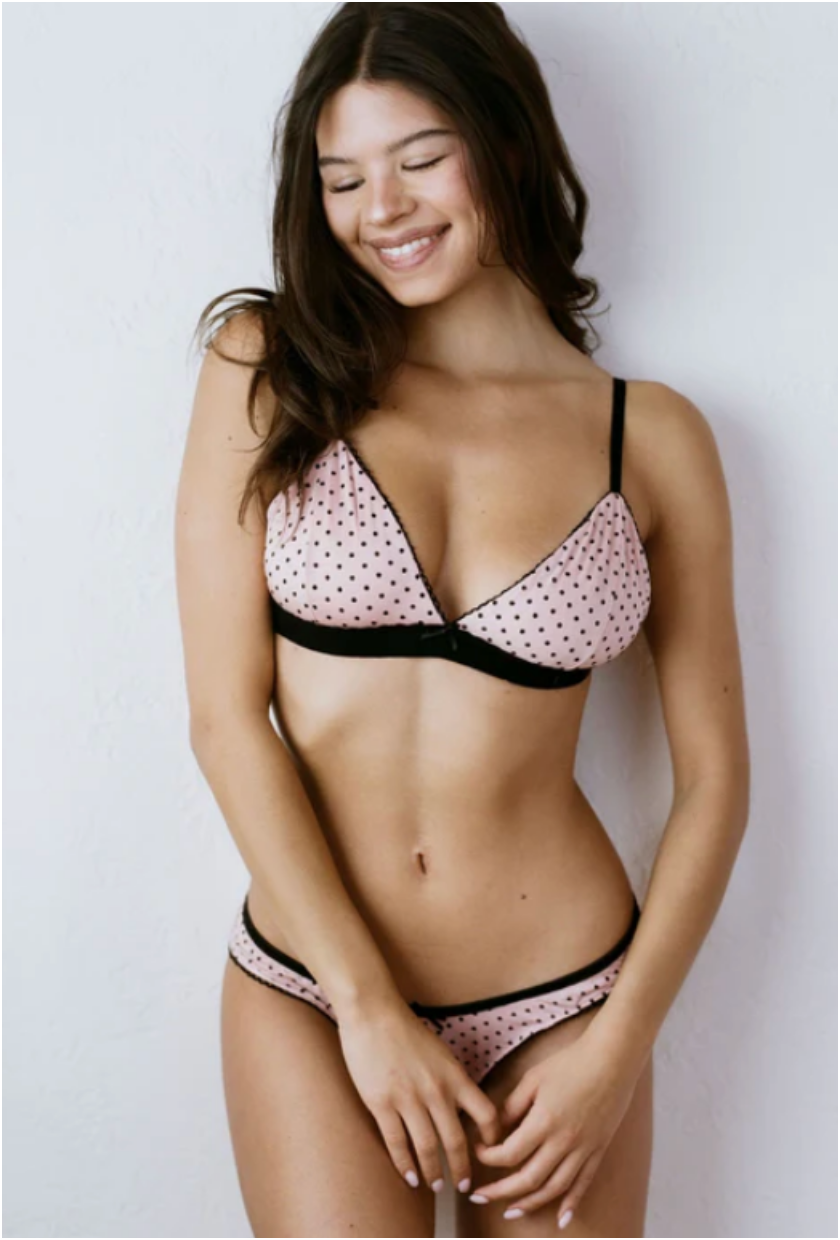
The cyclical nature of fashion is undeniable, and the current resurgence of Y2K aesthetics, particularly the exposure of underwear as outerwear, feels both familiar and refreshingly bold. We’ve seen echoes of this before, of course—the late 90s and early 2000s were defined by a daring display of midriff and a playful disregard for traditional modesty. But this isn’t a simple rehash. There’s a distinct Gen Z sensibility at play, one that feels less about overt sexuality and more about a confident reclamation of self-expression. It’s a reaction, perhaps, against the hyper-covered, athleisure-dominated trends of recent years. This shift aligns with a broader cultural conversation around body positivity and challenging conventional beauty standards, allowing individuals to feel empowered to showcase their personal style without apology. It's certainly a departure from the understated elegance championed by previous generations, as explored in [Going on Holiday Is My Favourite Hobby—8 Swimsuit Brands I Always Pack], where strategic layering and thoughtful silhouettes often take precedence. The current trend requires a different kind of confidence, a willingness to embrace exposure with intention.
The article's reference to "floss-like thongs" and "Tom Ford-at-Gucci-era butt cleavage" highlights the provocative edge of this trend, but it’s crucial to understand the context. This isn’t about mimicking the hyper-sexualized imagery of the early 2000s; it’s about reinterpreting it through a modern lens. Gen Z is curating a version of Y2K that prioritizes individuality and playful experimentation. They’re drawing inspiration from the past, but refusing to be bound by its constraints. Consider, for example, the impact of color on current trends–[“It’s Giving Mermaid”—The Gen-Z Approved Nail Colour Dominating This Summer] demonstrates the power of vibrant, expressive hues to communicate personality and mood, a parallel to the bold fashion choices we are now seeing. The focus is less on adhering to a specific aesthetic and more on using clothing as a tool for self-discovery and creative expression. This also necessitates a shift in how we perceive luxury. It's no longer solely about discreet logos and expensive materials, but about the confidence and intentionality with which one chooses to present oneself.
This trend’s broader significance extends beyond the runway and into the realm of social media and influencer culture. Platforms like TikTok have accelerated the cycle of trends, allowing Gen Z to rapidly adopt and adapt styles. The visibility of these trends online fosters a sense of community and shared aesthetic, encouraging experimentation and self-expression. However, it’s also important to acknowledge the potential pitfalls. The pressure to conform to ever-changing trends can be overwhelming, and the constant exposure to idealized images can negatively impact self-esteem. Ultimately, the success of this Y2K revival hinges on its ability to empower individuals to embrace their unique style, rather than dictate a singular standard of beauty. The beauty details explored in [“A Celebration of Versatility”: The Gorgeous Beauty Details Behind Lupita Nyong'o's July Cover Shoot] remind us that true elegance is found in embracing individuality and expressing oneself authentically, a sentiment that applies equally to fashion choices.
Looking ahead, it's intriguing to consider how this trend will evolve. Will the exposure of underwear become a permanent fixture in mainstream fashion, or will it fade as quickly as it emerged? More importantly, what will be the long-term impact on our perceptions of modesty, femininity, and self-expression? One thing is certain: Gen Z's influence on the fashion landscape continues to reshape the rules, challenging established norms and paving the way for a more diverse and expressive future. The question is, how will established brands adapt to this evolving definition of luxury and self-assuredness, and will they be able to authentically connect with a generation that values authenticity above all else?