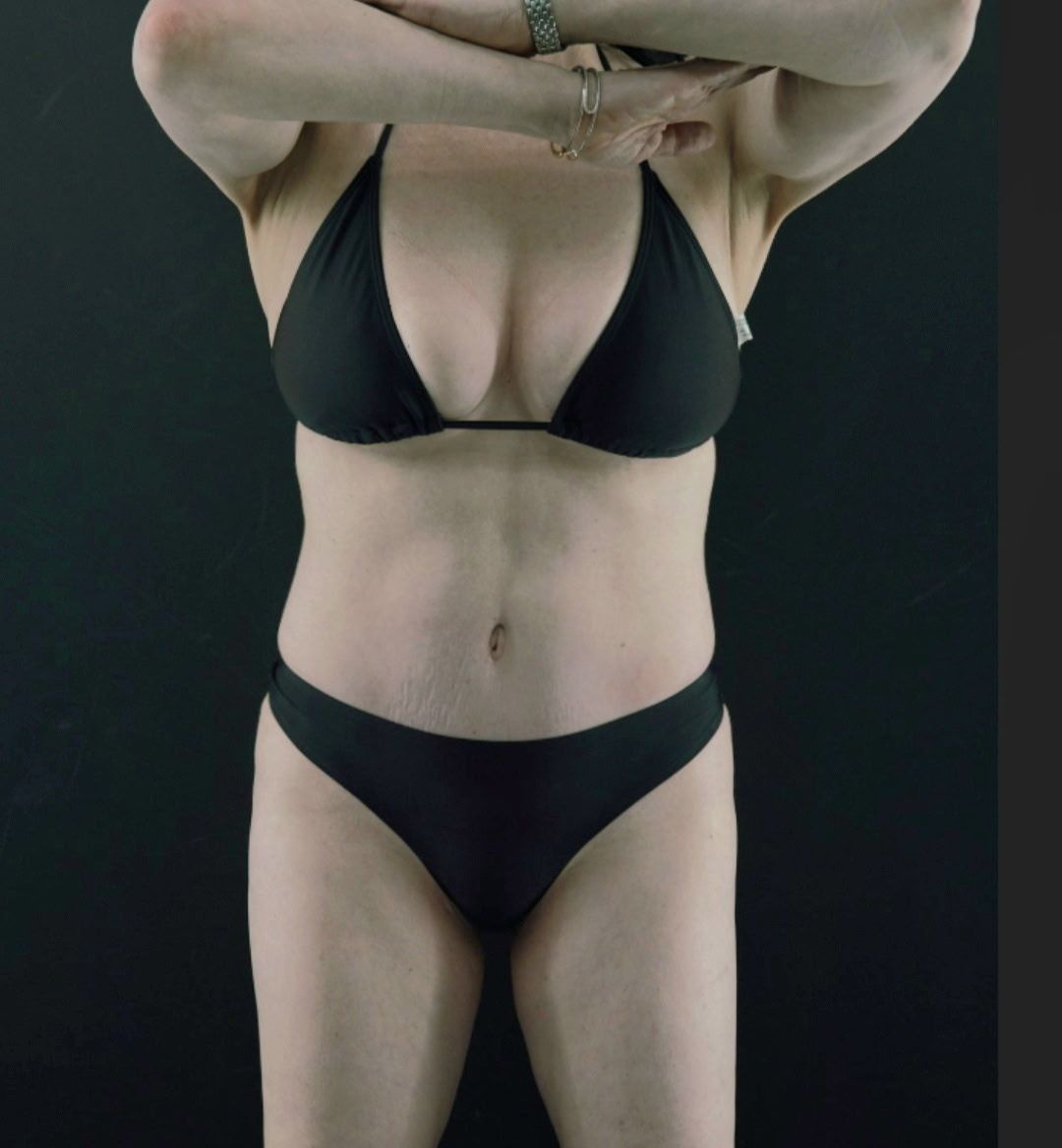
We believe Jill Einstadt made a deeply personal choice that many women will recognise on a visceral level: the decision to reclaim a body that no longer feels like your own, even after you have done everything "right." Her story is not about vanity in the shallow sense, it is about the quiet, persistent gap between discipline and result. She kickboxed six days a week, lifted weights, ate well, and still found herself staring at a reflection that felt like a stranger. That dissonance is something no amount of clean eating can suture, and it is why her choice to undergo rib remodelling through the RibXCar procedure feels less like a radical act and more like an honest one. As we explored in The Quiet Power of Choosing What You Know You Need, sometimes the most controversial decisions are also the most intuitive.
What makes Jill's account compelling is her refusal to apologise for wanting aesthetic alignment. She does not frame her surgery as a fix for a flaw, but as a tool for balance, a way to bring her outer shape into harmony with the effort she already invests in her body. The procedure itself, as described by Dr. Charles Galanis, is surprisingly restrained: no bones broken, no stitches required, just a hairline fracture and careful manipulation through a pinhole. It sounds intense, but Jill reports that the worst part of recovery was constipation from pain medication, not the rib pain itself. That level of honesty is refreshing, especially in a field where suffering is often romanticised. Her experience underscores a point we made in The Unseen Lie: When Plastic Surgery Photos Are Fabricated: when women share the unvarnished reality of these procedures, they help demystify them and restore trust.
The practical takeaway here is that rib remodelling is not a substitute for weight loss or fitness. It is a structural intervention for a specific anatomical issue, rib flare that persists after pregnancy and cannot be corrected by exercise alone. Jill was a candidate precisely because she had no excess fat or skin to remove; her waist circumference was limited by bone, not tissue. That distinction matters. For women who share her anatomy, this procedure offers a third option beyond liposuction or a tummy tuck. But it is not for everyone, and the three-month compression commitment and the need for a surgeon trained in the technique mean it requires real consideration. What stays with us is the freedom Jill describes on the other side: the ability to zip a dress without thinking, to wear any waistline without camouflage. That is not a small thing. It is the specific, concrete consequence of a woman choosing to close the gap between how she lives and how she feels.