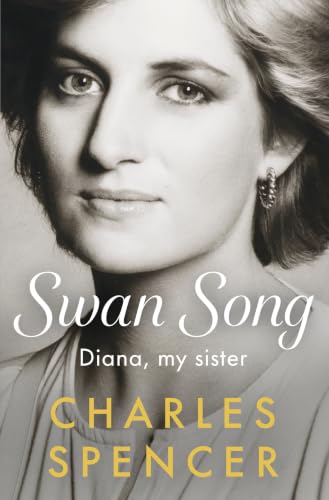
There is a particular kind of silence that follows grief when it is shared. Charles Spencer's recollection of the advice he received from a senior member of the Royal Family on the day of his sister's death carries that weight. He does not offer a dramatic reveal, nor does he lean into the noise that so often surrounds the House of Windsor. Instead, he gives us something quieter, and for that, it lands with more force. In an era where emotion is often performed for consumption, his restraint feels almost revolutionary. It reminds us that the most profound guidance often comes in the form of a steady hand, not a loud voice.
We would tell any reader who asks us about this story to pay attention to the shape of the lesson rather than the identity of the advisor. The senior royal's advice, as relayed by Spencer, was not about protocol or public image. It was about the practical necessity of carrying on while the cameras are watching, but also about giving yourself permission to feel the weight of the moment privately. That is the tension we all live in, isn't it? The world demands composure while the heart demands release. Spencer's decision to share this now, years later, is not a betrayal of confidence but an offering of clarity. He is showing us that even within the most scrutinised family on earth, there exists a blueprint for grace under pressure. It is a masterclass in quiet dignity, and it asks us to consider how we might offer similar steadiness to those in our own lives during their darkest hours.
For the reader, the practical takeaway is not about royalty at all. It is about the art of being present for someone without needing to fix the moment. The advice Spencer received was likely simple in its delivery and profound in its application. It was the kind of counsel that does not shout, but instead sits beside you until you remember how to breathe. In our own relationships, we are often so eager to offer solutions that we forget the power of simply holding space. This story invites us to recalibrate. It asks us to be the person who offers a grounded word when the storm is loud, not because we have the answers, but because we understand that presence is its own form of love. That is the quiet luxury of true compassion: it costs nothing and changes everything.
What we are left with is a question that lingers beyond the headlines. If a senior royal could offer such measured, human advice in the middle of a tragedy, what does that say about the moments we choose to be generous? It suggests that character is not formed in the spotlight, but in the shadows where no one is watching. As Spencer continues to share his memories, we are given a lens through which to examine our own responses to grief and duty. The specific detail to watch is how he frames this advice in the full context of his book, and whether he reveals whether he has since passed that same wisdom forward. Because that is the real test, isn't it? Not whether we receive wisdom, but whether we are brave enough to become it for someone else. That is the point of it all. That is the only legacy that matters.