Our Take
In a world often loud with anticipation and speculation, the recent announcement from Buckingham Palace regarding the Duke and Duchess of Gloucester’s upcoming tour to Botswana offers a moment of quiet reflection, a subtle shift in the royal narrative. While many awaited news of Prince William and Princess Kate’s highly anticipated visit to India for the 2026 Earthshot Prize, this unexpected revelation redirects our gaze towards a different, yet equally significant, facet of royal diplomacy. It speaks to a deeper, more understated commitment to global relations, moving beyond the immediate spotlight to embrace a steady, intentional presence. This move subtly reinforces the enduring nature of the monarchy's role on the international stage, a role that, much like the quiet strength of A Century of Amethyst: Kate’s Necklace Reflects Quiet Confidence, continues to resonate with quiet confidence and enduring grace. It’s a reminder that true influence often lies not in grand pronouncements, but in consistent, thoughtful engagement, echoing the profound legacy of pieces like A Lasting Whisper: The Story Behind Diana's "Dis-Moi Oui" Ring, which speak volumes without a single uttered word.
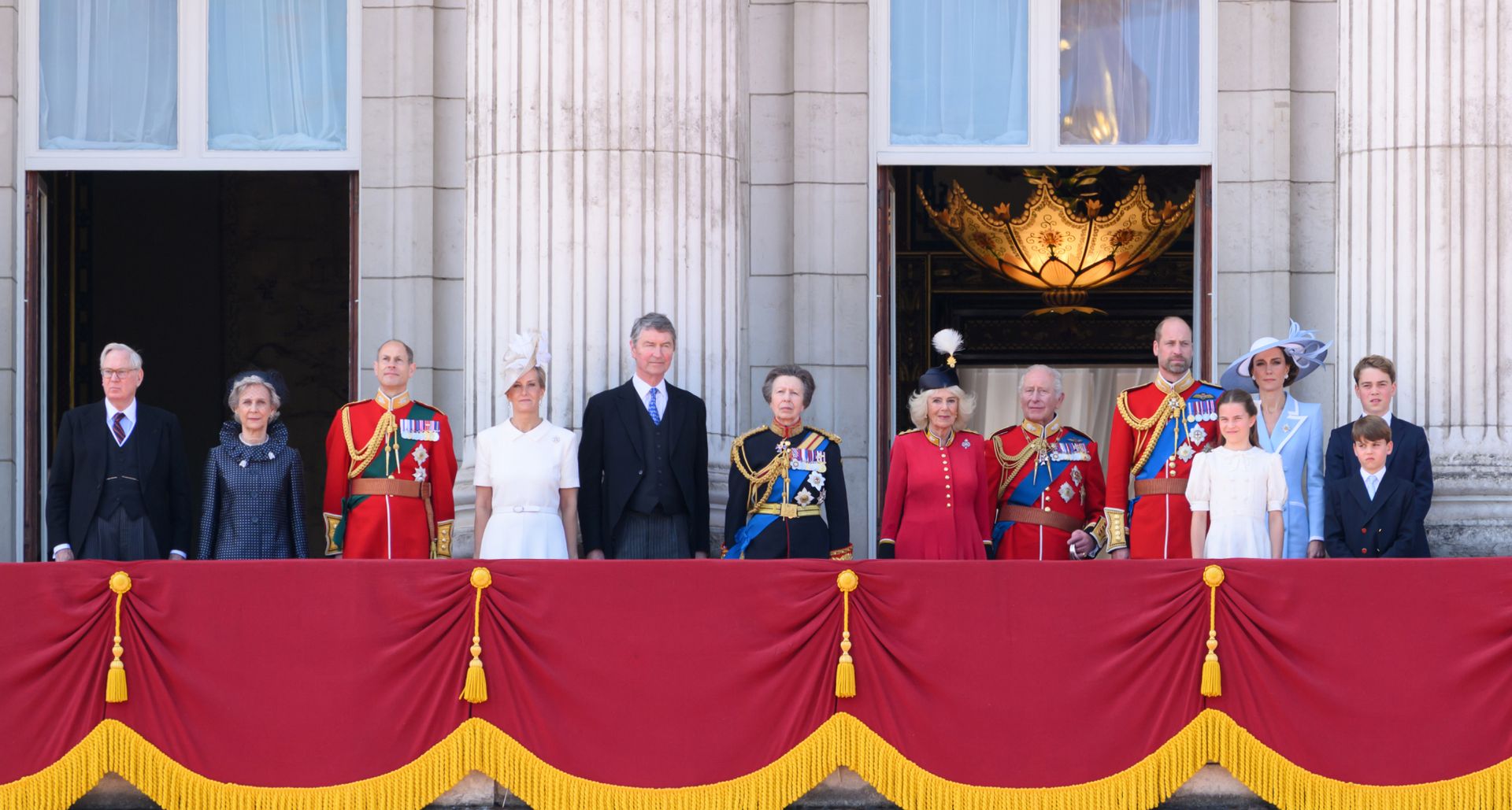
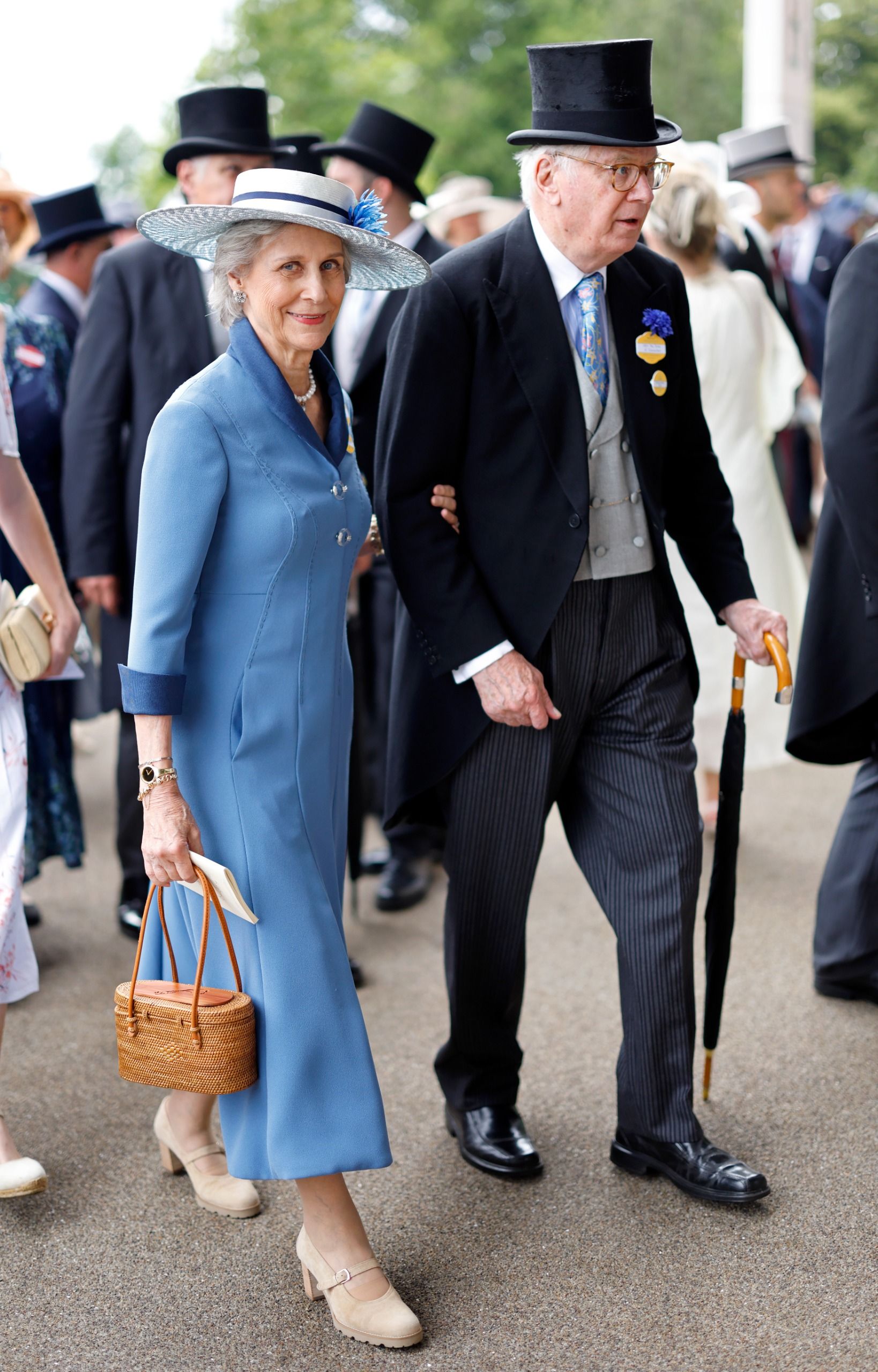
This deployment of the Duke and Duchess of Gloucester, seasoned and respected members of the royal family, to Botswana on behalf of King Charles III, is more than just a diplomatic visit; it's a strategic affirmation of enduring ties and a testament to the King's vision for the Commonwealth. Unlike the more celebrated tours of younger royals, which often capture immediate public fascination, this mission carries an inherent gravitas, rooted in decades of experience and a deep understanding of international relations. It underscores a commitment to fostering relationships that transcend fleeting trends, focusing instead on substantive dialogue and collaboration. This choice to send those who embody quiet dedication over celebrity appeal speaks volumes about the priorities at play. It suggests a focus on the enduring work of diplomacy, a preference for the steady hand of experience, much like the behind-the-scenes insights shared in A Kitchen Tradition: How Staff Once Amused Queen Elizabeth, revealing the subtle yet profound mechanisms that sustain the royal institution. This isn't about making headlines; it's about building bridges, nurturing connections, and reinforcing a legacy of global engagement with a calm, assured presence.
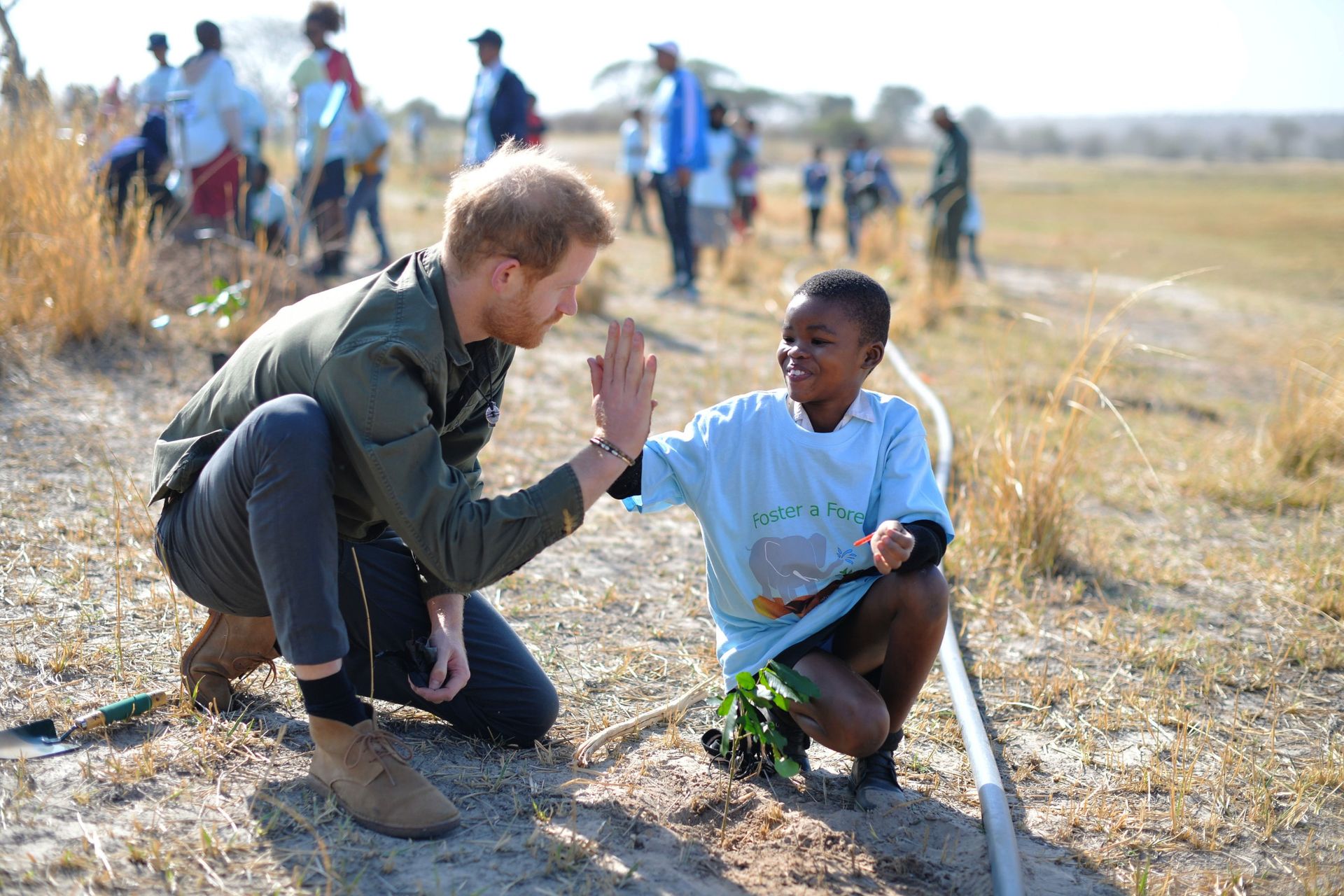
For our discerning audience, this development signifies a continuation of the monarchy's refined approach to its international duties, demonstrating that influence isn't solely derived from star power, but from consistent, thoughtful representation. It highlights a commitment to global partnerships that resonate with a deeper sense of purpose, reflecting a modern sensibility that values substance over spectacle. The choice of Botswana, a nation known for its stability, conservation efforts, and strong democratic institutions, further emphasizes the strategic nature of this tour. It signals a recognition of African nations as vital partners, moving beyond a colonial past to embrace a future built on mutual respect and shared interests. This measured, intentional deployment of royal envoys speaks to a nuanced understanding of diplomacy, where the message is conveyed not just by who is sent, but by the quiet dignity and experience they bring to the conversation.
Looking ahead, this tour sets a precedent for how King Charles III may continue to shape the monarchy's global presence. It suggests a strategic utilization of the wider royal family, leveraging their collective experience and dedication to uphold the Crown's international responsibilities with grace and effectiveness. We might anticipate more such quiet, impactful tours, where the focus remains steadfastly on the mission rather than the fanfare. This approach allows for a deeper, more meaningful engagement with nations around the world, fostering relationships built on genuine respect and shared values. It asks us to consider: how will this refined, intentional strategy continue to evolve the perception and impact of the British monarchy on the global stage, proving that true power often resides in the most understated of gestures?