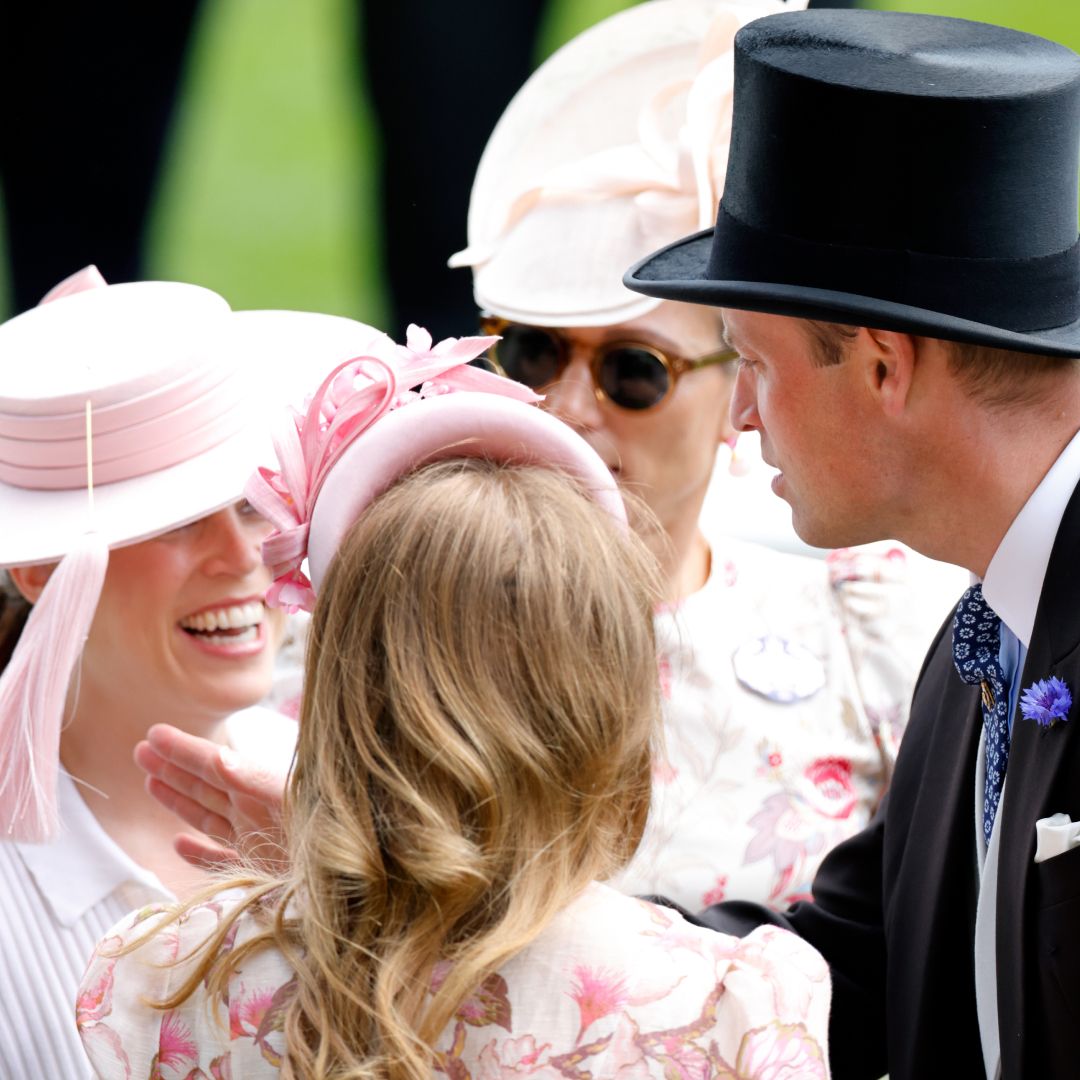
There is a particular intimacy in the way the world has started to discuss the private phone lines of the Royal Family. When the news broke that the Duchess of Sussex's number had been leaked, the story wasn't really about the security breach or the logistics of a parent-teacher group chat. It was about the quiet collision of two worlds: the rigid, ancient institution of the crown, and the very modern, very human need to just text a friend about school pick-up. We are so accustomed to seeing these figures in gilded frames, frozen in ceremonial splendor, that the idea of them doom-scrolling or double-tapping a message feels almost transgressive. It is a reminder that behind the velvet ropes and the curated portraits, there is a group of parents trying to coordinate playdates, and that is a wildly compelling thought.
For us, this is not a story about gossip; it is a story about the architecture of identity. The Duchess's decision to join a new school community is a masterclass in the very thing we talk about here: the effort to build a life that feels authentic, even when the world is watching. She is trying to carve out a slice of normalcy, a space where she is merely "Archie and Lilibet's mum" rather than a headline. But the leak is a sharp, unignorable reminder that for some, those walls will never fully exist. It forces us to ask a question that lingers long after the story fades: can you ever truly be yourself when your identity is a public commodity? The answer, for most of us, is a resolute yes, because we have the luxury of obscurity. They do not. And that distinction is precisely why we are so captivated.
The practical takeaway for our readers is not about royal protocol or security measures. It is about the universal tension between the persona we present and the person we are. In our own lives, we curate our social feeds, our professional personas, and even our group chats with a certain level of intention. But the moment we start to believe our own press, or worse, let the outside world dictate the terms of our private moments, we lose the thread. Princess Kate, along with the rest of them, has likely long understood that the "quiet" moments are the only ones that truly belong to her. The playful peek behind the crown is a reminder that the children at the heart of this are being raised in a fishbowl, and their parents are simply trying to give them a sense of a normal life, one protected WhatsApp message at a time.
So, what do we tell a reader who asks us about this? We tell them to watch the silence. The most telling detail in this entire affair is not the leaked number itself, but the reaction to it. The frantic attempts to control the narrative, the legal letters, the careful wording. That is the true signal of where the power lies. It is not in the opulence of the palaces, but in the ability to maintain a sliver of the mundane. The specific detail to watch now is how this reshapes the boundaries of that new school community. Will other parents be more guarded, less willing to include the Sussexes in the casual banter that defines modern parenthood? Or will they, in a quiet act of rebellion, double down on the very normalcy that was just violated? That, to us, is the only question that matters. Because in that answer lies the future of what we allow our public figures to keep for themselves.