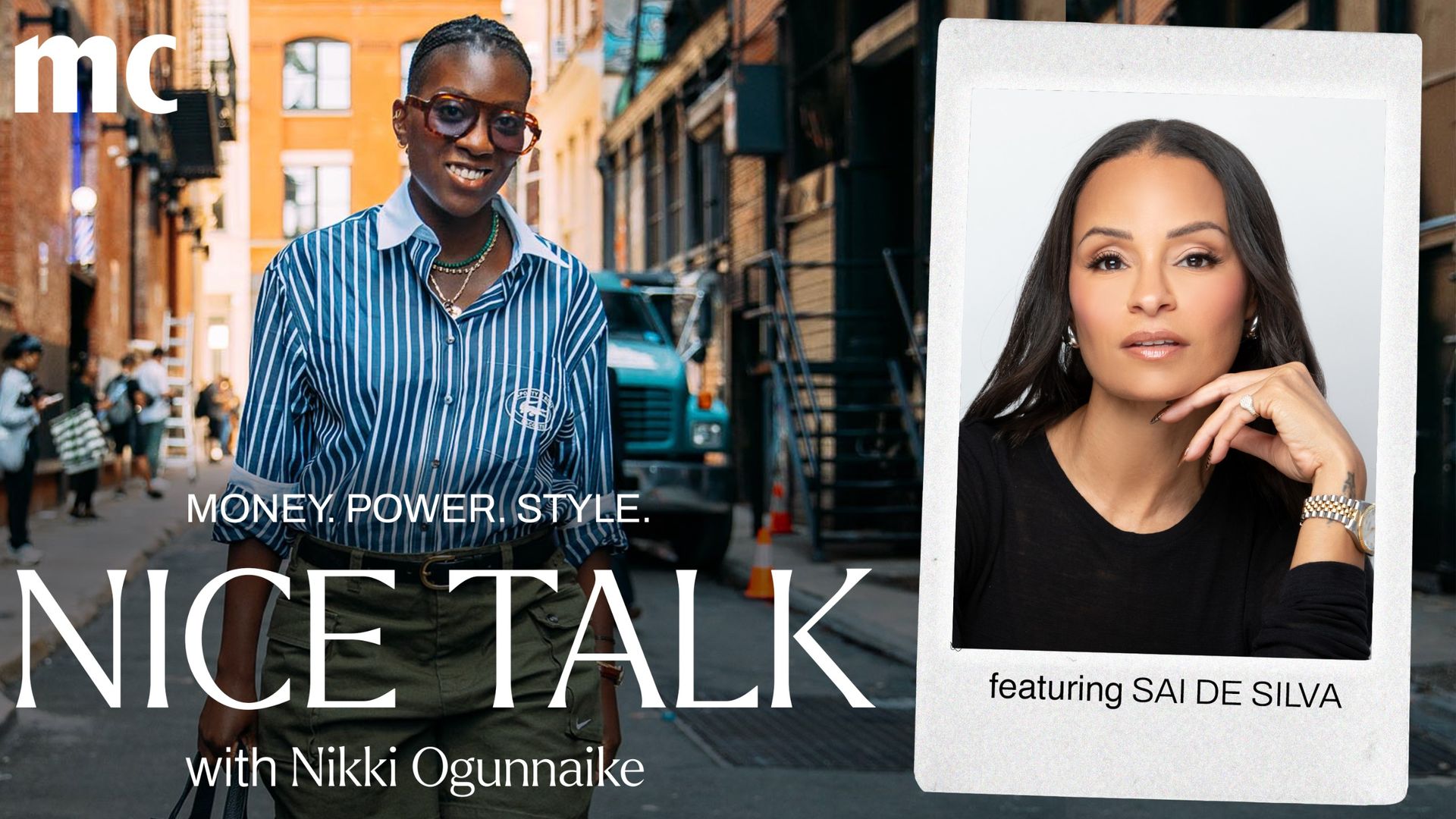
There is a quiet price for an unquiet life, and Sai De Silva is telling us exactly what it costs. She knew the luxury fashion houses would pull their handbags and their invitations the moment she stepped onto *The Real Housewives of New York City*, but she did it anyway. That is not naivety; that is a calculated choice, and one that forces us to reconsider what we think we know about influence, access, and the actual currency of a career. For anyone who has ever wondered whether a The Zara Pieces That Slide Into a Jeans Wardrobe With Ease could ever hold the same weight as a designer label, De Silva's story offers a surprisingly grounded answer.
De Silva came into the reboot with a nine-year career as a fashion creator, a rare position for a Housewife. She was already inside the very small circle of luxury fashion, and she knew that reality television is considered "mass" in that world. Mass is frowned upon. The brands she had worked with for years sat her down, explained their exit, and then took her off the gifting lists. No more archive pulls. No more shows. She misses the handbags, she says plainly, and you can hear the absence in her voice. But here is where her perspective becomes something more than a cautionary tale: she does not regret it. She speaks of the loss with a kind of quiet acceptance that feels less like resignation and more like a rebalancing of priorities. She understands that The Quiet Accessory That Defines Winter's Understated Richness is not the only thing that defines a wardrobe, and that the mass market, the part of the industry that actually pays the bills, has opened its doors wider than ever.
What De Silva articulates so well is the tension between exclusivity and visibility. Luxury brands, by their very nature, need to be desired by everyone but accessible to few. A reality TV star makes that illusion harder to maintain. Yet De Silva points out the obvious contradiction: luxury needs products to be pushed, and reality stars can push them. The refusal to engage feels less like strategy and more like a stubborn attachment to a dying code of conduct. Meanwhile, she has built a partnership with Maybelline, a global campaign that she calls her biggest job to date. That is not a consolation prize. That is a different kind of power, one that reaches more people and pays more consistently. The Aisle Is Your Runway, Winter Edition might still feel aspirational, but De Silva is showing us that the real runway is the one that pays for the life you actually want to live.
The specific consequence to watch is the one she implies but does not state: when a creator with a decade of relationships in luxury fashion is willing to trade handbags for a Maybelline commercial, the calculation of what constitutes a career win has shifted. She is still loyal to the brands that stayed, and she still counts their representatives as close friends. But the door has closed on one kind of access, and it has opened on another. The question her story leaves us with is not whether she made the right choice, but whether the luxury houses that walked away from her are making a strategic error that will cost them more than a few gifted handbags.