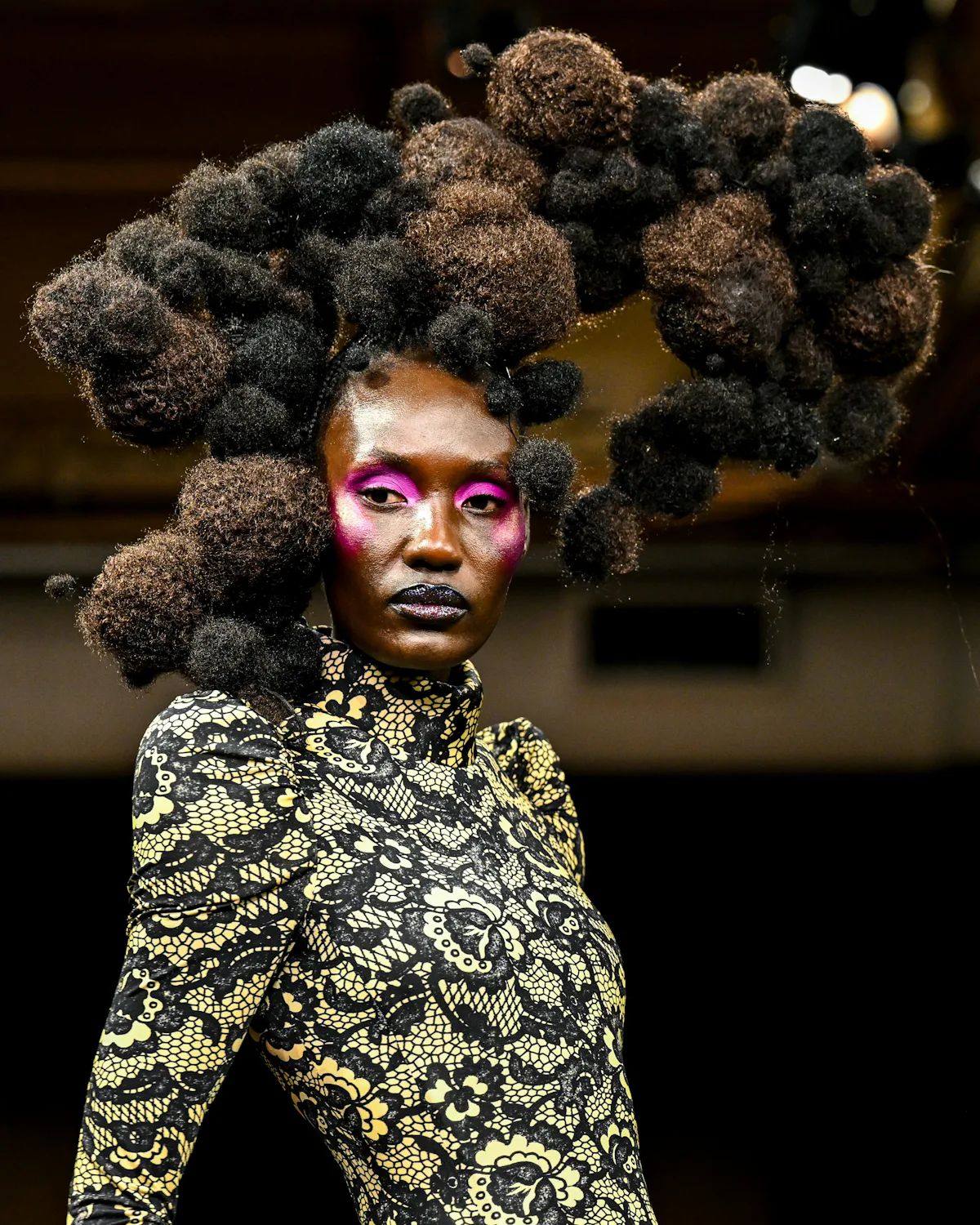
The recent “Black Hair Reimagined: The New Era of Beauty” runway was more than a showcase of texture and pigment; it was a quiet declaration that the future of luxury haircraft belongs to a new generation of visionaries. When Jawara Wauchope and Jarrod Lacks invited three fresh artists alongside seasoned veterans, they weren’t simply expanding a roster—they were curating a dialogue between legacy and innovation. This approach feels akin to the way we think about sustainable style, as explored in the Weekly Thrift Haul Thread, where the act of repurposing becomes an act of reverence. The hair collections, each rooted in personal narrative, echo the same intentionality we see when a stylist like James Yardley dissects the timeless elegance of red‑carpet dressing in the piece “How Connor Storrie’s Stylist Puts Together His Timeless Red Carpet Looks” (/post/how-connor-storries-stylist-puts-together-his-timeless-red-c-cmp4dar8g03b7p2q5vo8plioc). Both moments remind us that true luxury is less about excess and more about the depth of story behind every strand.
The six artists presented a spectrum of inspiration that felt both aspirational and grounded. Madison Voelkel’s sculptural braids, for example, borrowed the fluidity of ocean currents, translating movement into a tactile meditation on freedom. Meanwhile, newcomer Aisha Patel reinterpreted Afro‑centric patterns through a minimalist lens, allowing negative space to become as potent as the curls themselves. This restraint—short, poetic captions paired with images that speak louder than words—mirrors the quiet confidence that defines Chiara Bransi’s aesthetic. It is a reminder that power can be sensual without shouting, that femininity can be a whisper that reverberates through a room. The runway’s palette, dominated by deep umbers, muted golds, and occasional bursts of electric teal, created an atmosphere of calm luxury, inviting viewers to linger in the mood rather than rush to the next trend.
What makes this show truly significant is its subtle redefinition of what “beauty” means in a commercial context. By foregrounding artists who view hair as an extension of identity rather than a product to be sold, the event aligns with a broader cultural shift toward authenticity. The narratives shared—stories of ancestral homage, personal healing, and creative rebellion—position hair as a canvas for inner work. This introspective angle resonates with audiences who are increasingly seeking emotional connection over glossy advertising. In a market saturated with quick‑fix tutorials, the deliberate pacing of each segment, the thoughtful lighting, and the unhurried music all reinforce the idea that beauty thrives when it is given space to breathe.
Looking ahead, the true test will be whether this nuanced celebration can translate beyond the runway into everyday practice. Will salons adopt the same reverence for storytelling, allowing clients to co‑author their own hair journeys? Will the industry continue to amplify emerging voices without diluting their distinct perspectives? As we watch the ripple effects of “Black Hair Reimagined,” the question lingers: can quiet luxury, anchored in introspection and feminine power, become the new standard for beauty narratives worldwide?