Three seasons in, *Nobody Wants This* has done something rare: it has let its characters grow into themselves without losing the threads of who they always were. Costume designer Negar Ali Kline describes Joanne and Morgan as finally knowing "who they are style-wise," and we find that deeply satisfying, not because they have arrived at some final destination, but because their wardrobes now reflect intention rather than performance. This is the quiet art of dressing from the inside out, a sensibility we recently explored in The Quiet Art of Wearing What You Make, and it applies just as powerfully to these sisters. For our readers, the takeaway is clear: confidence in personal style is not about having more options, but about knowing which ones belong to you.
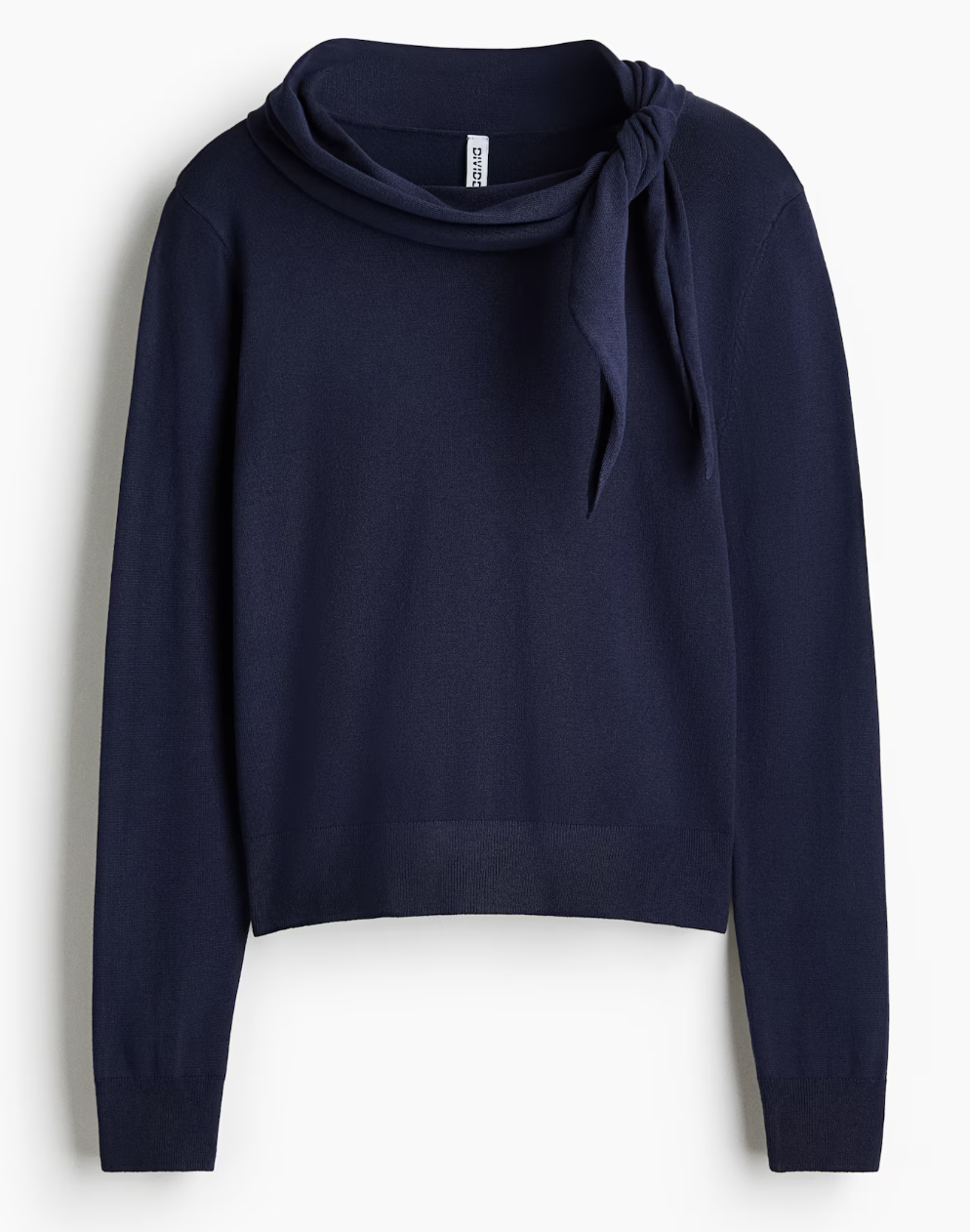
Joanne's evolution is the subtler of the two, and perhaps the more instructive. Her move into Noah's world is not a costume change; it is a thoughtful recalibration. The cropped tops give way to classic button-downs and preppy motifs, but the underlying DNA of her L.A. cool-girl aesthetic remains intact. She is not performing modesty, she is practicing mindfulness. The navy sweater and plaid Prada pencil skirt she wears to her first conversion class reads as both respectful and entirely her own. This is the difference between dressing for approval and dressing with intention, a distinction we touched on in A quiet reflection on intention versus approval in recent looks. Joanne is not shrinking; she is refining. And the pajamas, those cozy, deliberate sleepwear moments, remind us that refinement extends to the private hours, too.
Morgan, meanwhile, delivers the season's most arresting fashion moments, and they land because they feel earned. The Valentino Cruise 2026 gown, secured by Kline with the tenacity of someone who knew exactly what she needed, is not just a beautiful dress. It is a narrative device: Sasha sees her in a new light because she finally occupies a space where she can be seen that way. The mint green chiffon, the cut-outs, the way it floats, it is romantic without being soft, attention-grabbing without being desperate. Morgan has always wanted to grab people's attention, as Kline notes, but now she does so on her own terms. Her Carolyn Bessette-Kennedy-coded city look, black turtleneck, tan trousers, red trench, signals a woman who has learned that restraint can be more commanding than exposure.
What connects these two trajectories is not just stripes, though Kline's affection for the pattern runs deep. It is the understanding that style, at its best, is a reflection of inner alignment rather than external expectation. The sisters are in different chapters, but they share a quiet authority over their own images. That is the real luxury here: not the labels, but the self-possession. As we watch Joanne get engaged in a sweatsuit and leopard-print coat, or Morgan command a New York street in a red trench, we are watching women who no longer need to prove anything. The open question, and the one we will be watching for in future seasons, is how their style evolves when the new territories become familiar, whether refinement can remain intentional once it becomes routine.