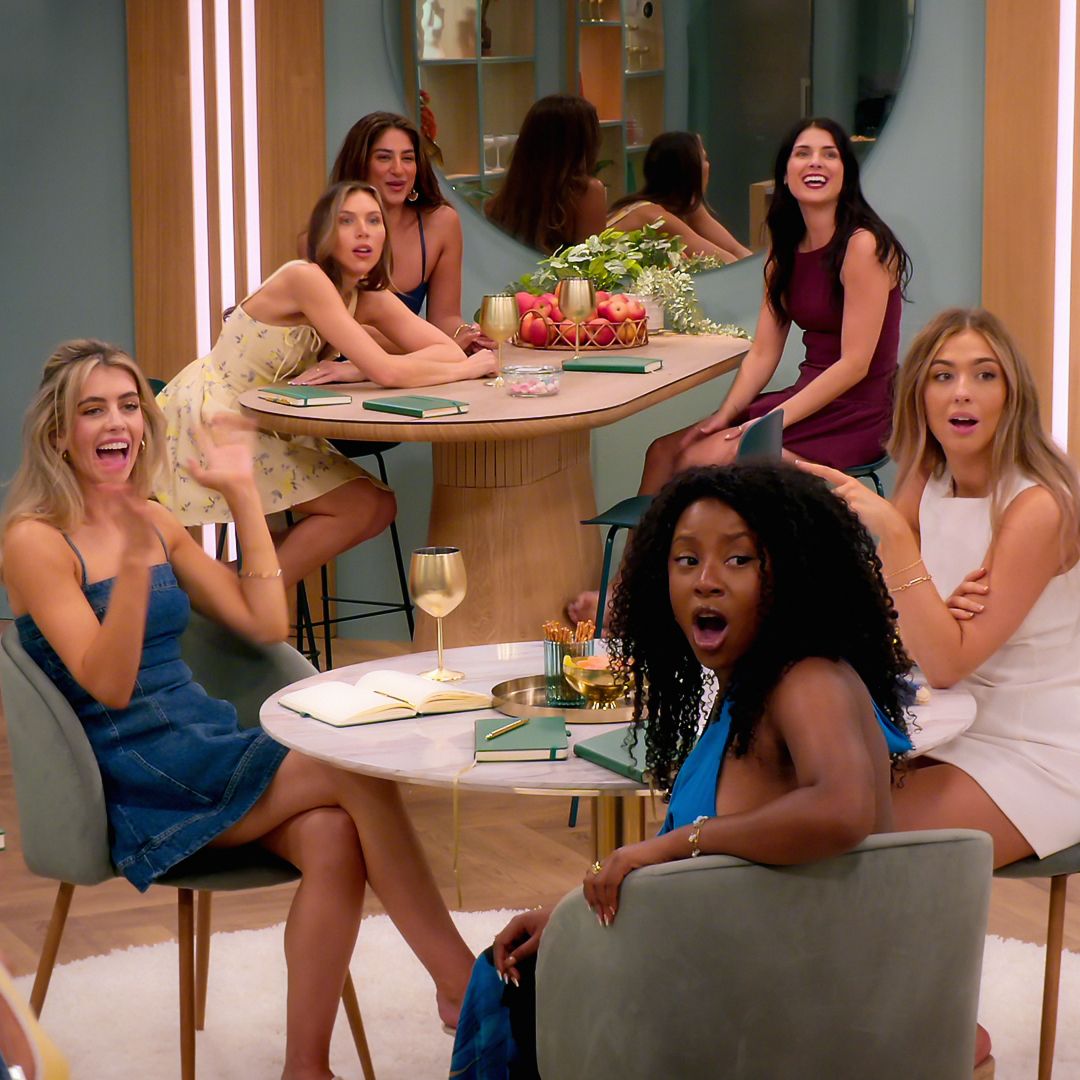
There is a particular comfort in knowing some things arrive like clockwork, and for better or worse, *Love Is Blind: UK* is one of them. The third season of the British spinoff has arrived to fill the void left by the main U.S. series, offering another parade of hopeful singles willing to trade sight for sound in the name of connection. There is something almost poetic about the premise itself, a modern parable about whether we can truly see another person when we strip away the visual noise. It is the kind of experiment that feels tailor-made for our cultural moment, where so much of our intimacy is already mediated by screens and curated projections of self.
We are not naive enough to call this high art, but we would argue that dismissing it as mere entertainment misses the point entirely. The show, at its core, is a study in emotional architecture, the ways we build trust, the hesitations we carry, and the quiet courage it takes to say "I do" before you have ever seen a person's face. It is aspirational in its own messy way, not because we all want to fall in love in a soundstage, but because it holds a mirror to our own fears around vulnerability. This is where the real pull lies, and it is why we keep returning season after season. It is also why we see a through-line to the The Quiet Edit: 26 Pieces Our Editors Are Wearing Now, a story about finding substance in simplicity, about choosing pieces that speak without shouting. Both are exercises in restraint, a reminder that the most compelling narratives are often the ones told with a whisper.
For our readers, the practical takeaway is not about which couple survives the wedding altar. It is about the reminder that connection, real connection, requires a willingness to be seen in all our unpolished glory. The show's premise forces a kind of radical honesty that we often avoid in our daily lives, where we hide behind filters and carefully chosen words. We would tell anyone who asks that the value here is not in the drama, though there is plenty of that, but in the question it poses: who are we when we are not performing for the gaze of others? It is a question that feels especially relevant when so much of our world is built on external validation. Consider, too, how this theme of finding strength through vulnerability echoes in the story of From Grief to Glory: Mariana Khalil's Unprecedented Ascent in 'Physical 100, where personal tragedy becomes the foundation for an extraordinary comeback. Both narratives remind us that the path to something meaningful is rarely the most comfortable one.
What we are watching, then, is not just a dating show, but a cultural artifact that keeps asking us to consider what we are truly seeking in one another. The spectacle is the hook, but the introspection is the gift. As the season unfolds, the specific couples will fade from memory, replaced by the lingering question of whether any of them managed to translate a connection built in darkness into something that survives the harsh light of reality. That is the detail to watch. Not the proposals, but the quiet moments after, the ones that reveal whether the foundation was ever real. Because in the end, that is the only thing that ever matters, on screen or off. We will be watching with the same calm curiosity we bring to everything, knowing that the most profound reflections often come from the most unexpected places.