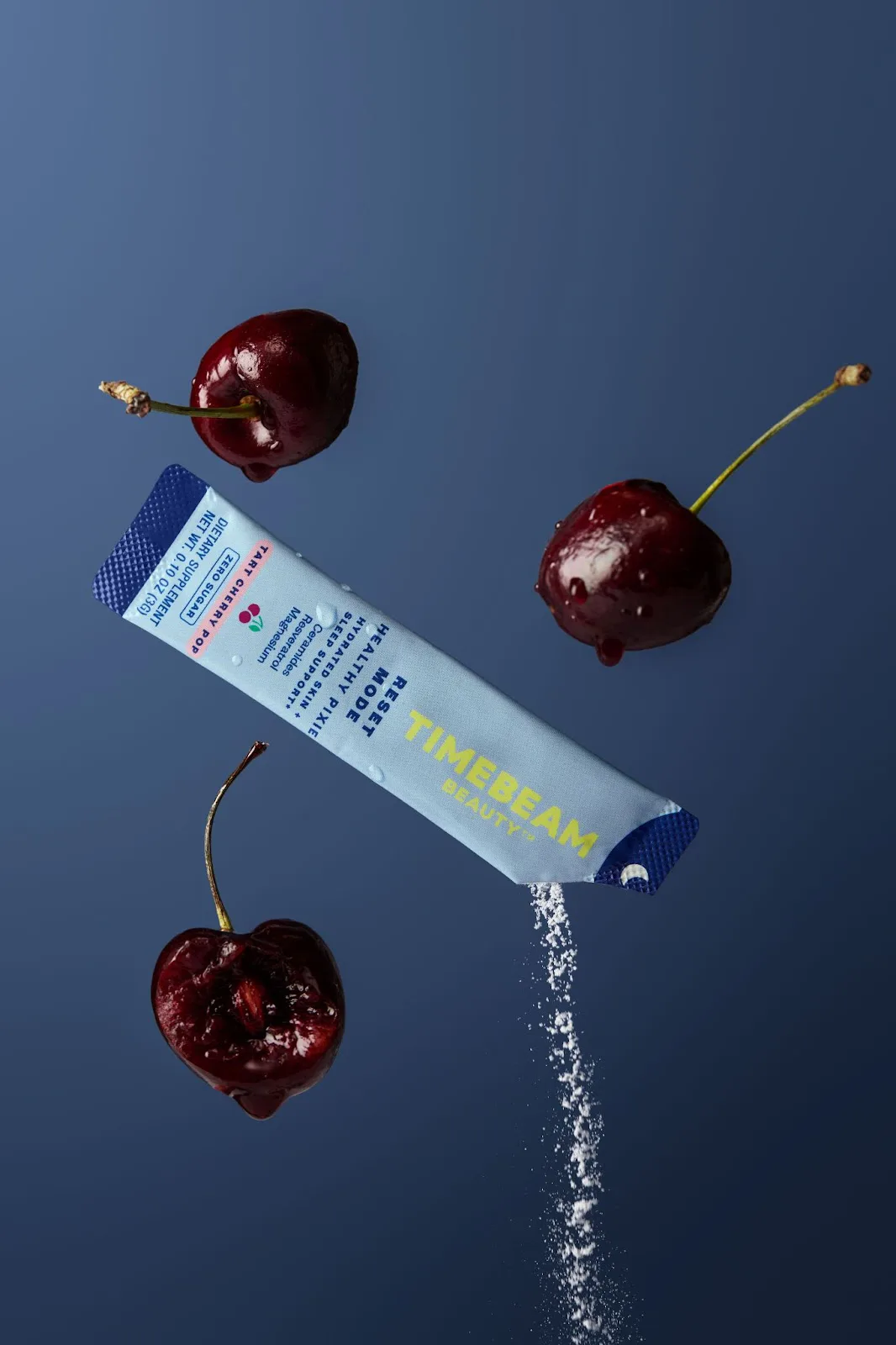
The pursuit of better sleep has become a defining wellness obsession of our time, particularly as we navigate the anxieties and demands of modern life. It’s a sentiment keenly felt by many, as highlighted in this recent piece on Timebeam’s Reset Mode Healthy Pixies. The TZR editor's exploration of this sleep supplement reflects a broader shift – a growing recognition that sleep isn’t merely a passive state of rest, but a foundational pillar of overall well-being, impacting everything from mood and digestion to skin health and cognitive function. We see this echoed in conversations around aging and its impact on sleep patterns, where proactive strategies are increasingly sought after, as detailed in sleep and aging. The willingness to explore unconventional solutions, like these powdered “pixies,” underscores the desperation – and the potential – within this market. This isn’t just about counting sheep anymore; it’s a sophisticated search for personalized interventions. It’s worth noting the parallel with the beauty industry's current focus on preventative skincare—both industries are catering to a consumer base prioritizing holistic wellness and long-term vitality.
The rise of sleep supplements, and specifically those incorporating adaptogens and other "wellness" ingredients, is fascinating. It aligns with the broader wellness trend of seeking natural, often ritualistic, solutions to everyday challenges. The Timebeam product, with its promise of calming and resetting the system, taps into a desire for an easy fix—a shortcut to improved sleep that feels aligned with a healthy lifestyle. This is a departure from traditional sleep aids, which often carry a stigma or come with unwanted side effects. Furthermore, the focus on a specific “mode” – Reset – hints at a growing sophistication in how we approach sleep. It’s no longer about simply *sleeping*, but about optimizing our sleep cycles and leveraging technology (even in the form of a powder) to achieve specific outcomes. It's an interesting shift from the broad appeal of general wellness to a more targeted, almost personalized approach. Consider, too, the consumer’s increasing comfort with curated experiences and aesthetically pleasing products—something mirrored in the beauty world’s embrace of thoughtfully designed tools and formulations, as seen in the recent buzz around the Real Techniques X Kelli Anne drop. The visual appeal of the Timebeam product, evident in the accompanying imagery, undoubtedly plays a role in its appeal.
However, the efficacy of these supplements remains a significant question. While anecdotal evidence and marketing claims can be compelling, the science behind many adaptogens and sleep-enhancing ingredients is still evolving. The editor's experience, while valuable, is just one data point. This underscores the importance of critical evaluation and a cautious approach to these products. The broader wellness landscape is rife with unsubstantiated claims, and consumers need to be discerning. The media’s role, and publications like ours, is to provide informed perspectives and encourage a healthy skepticism. It's also important to consider the psychological element – the placebo effect can be powerful, and the ritual of taking a supplement, particularly one with a visually appealing presentation, might contribute to a sense of calm and improved sleep, regardless of the ingredient’s direct impact. Observing the quiet confidence of figures like King Charles in his relaxed moments reminds us that finding comfort and ease, even in simple pleasures, can be a form of self-care.
Looking ahead, we can expect to see continued innovation in the sleep space, with more personalized products and data-driven insights. The integration of wearable technology and sleep tracking apps will likely play an even greater role in helping individuals understand their sleep patterns and identify potential areas for improvement. The rise of "sleep coaching" and personalized sleep plans also suggests a move towards more comprehensive and individualized approaches. But a critical question remains: will the focus on optimizing sleep through products and technology overshadow the fundamental importance of establishing healthy sleep habits, creating a conducive sleep environment, and addressing underlying issues like stress and anxiety? The future of sleep wellness may well depend on striking a balance between technological solutions and foundational lifestyle adjustments.