Shein Acquiring Everlane Unmasks the State of "Ethical" Fashion
Our take
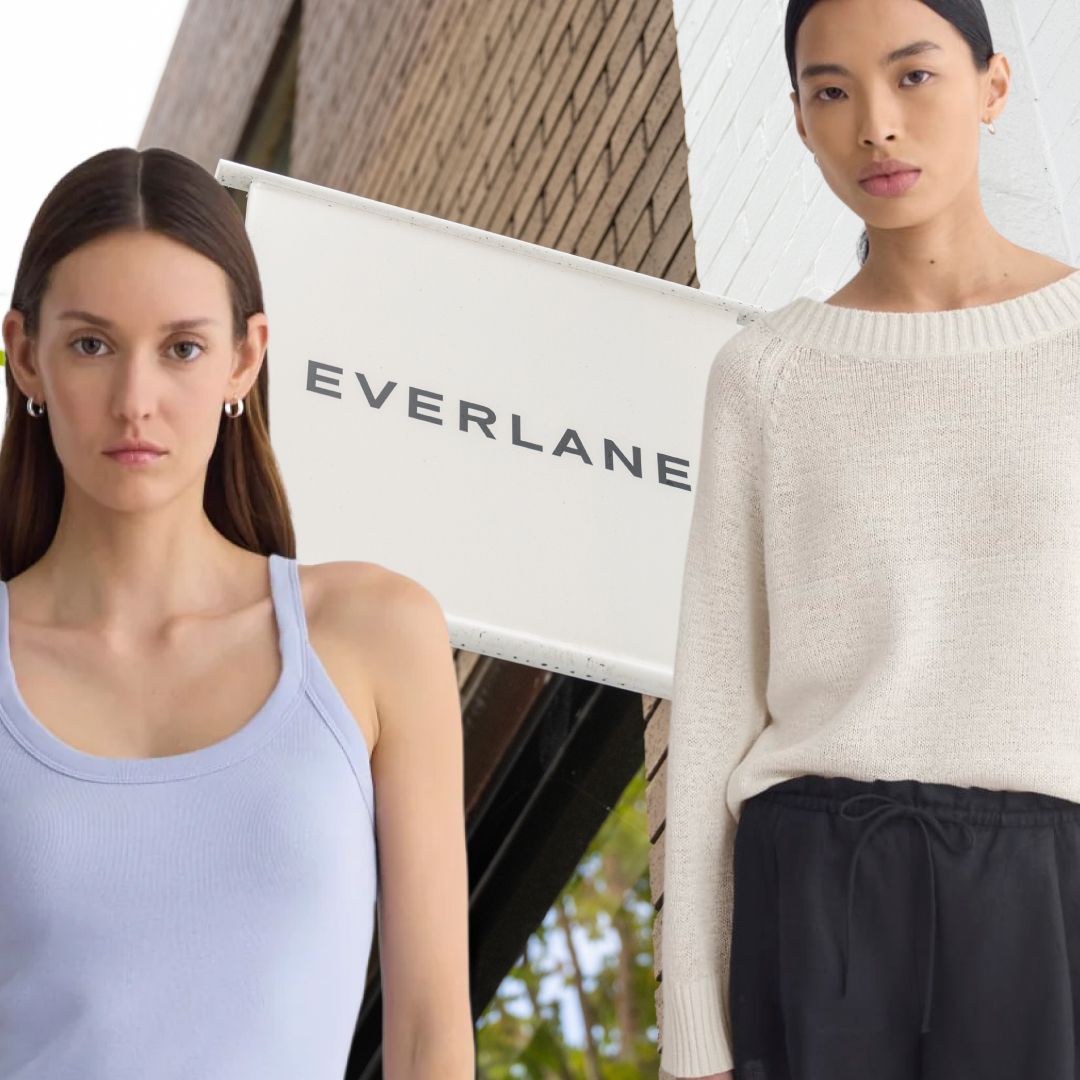
The recent acquisition of Everlane by Shein has sparked critical conversations about the state of "ethical" fashion. As brands increasingly struggle to balance sustainability with profitability, this merger lays bare the complexities and contradictions within the fashion industry. While Everlane has historically positioned itself as a paragon of transparency and ethical practices, its alignment with Shein—a notorious fast fashion giant—raises pressing questions about the authenticity of ethical branding in a landscape dominated by consumerism. This development resonates with ongoing discussions in the industry, such as those highlighted in articles like Why the Hermès Birkin Remains Fashion’s Most-Wanted Handbag and Suki Waterhouse Makes Miu Miu Upcycling Look So Chic, which touch upon luxury and sustainability's delicate interplay.
The essence of this acquisition is not merely a business maneuver; it is emblematic of a larger trend where the ethos of sustainability is often sacrificed at the altar of economic viability. Everlane's commitment to ethical production and transparency was designed to cater to a consumer base increasingly interested in sustainable alternatives. However, the reality of operating in a competitive market means that many brands cannot sustain these ideals without compromising somewhere along the way. This trend is particularly disconcerting as consumers are becoming more discerning; they desire brands that genuinely reflect their values, yet many find themselves faced with a paradox: ethical choices are often more expensive and less accessible.
Moreover, this acquisition highlights a critical gap in consumer understanding and the industry's narrative surrounding sustainability. Fast fashion's model, characterized by rapid production cycles and low prices, inherently clashes with the principles of ethical fashion. The challenge for both consumers and brands lies in deciphering genuine commitments to sustainability from those that are merely performative. As illustrated in the article Throwback to my dad's old shirt, the emotional connection we have to clothing often transcends mere aesthetics or brand loyalty. This emotional investment calls for a more profound understanding of what ethical fashion truly means and how it can be reconciled with the realities of consumer demand.
Looking ahead, the implications of this acquisition are manifold. It raises pressing questions about the future of ethical fashion: Will consumers continue to support brands that compromise their values for profitability? Or will there be a shift towards a more discerning consumer base that demands authenticity and accountability? As the industry grapples with these challenges, it is crucial for brands to articulate a clear and honest narrative about their practices. The conversation surrounding sustainable fashion is evolving, and this moment serves as a critical juncture for brands and consumers alike.
In a world increasingly aware of its choices, the path forward must involve a commitment to transparency and a reevaluation of what it means to be "ethical." The Everlane and Shein merger is not merely a business acquisition; it is a reminder that ethical fashion cannot exist in a vacuum. It requires a collective effort to redefine values and reshape the industry. As we navigate this complex terrain, we must remain vigilant and engaged, questioning the foundations of our fashion choices while embracing a more sustainable future.
Read on the original site
Open the publisher's page for the full experience