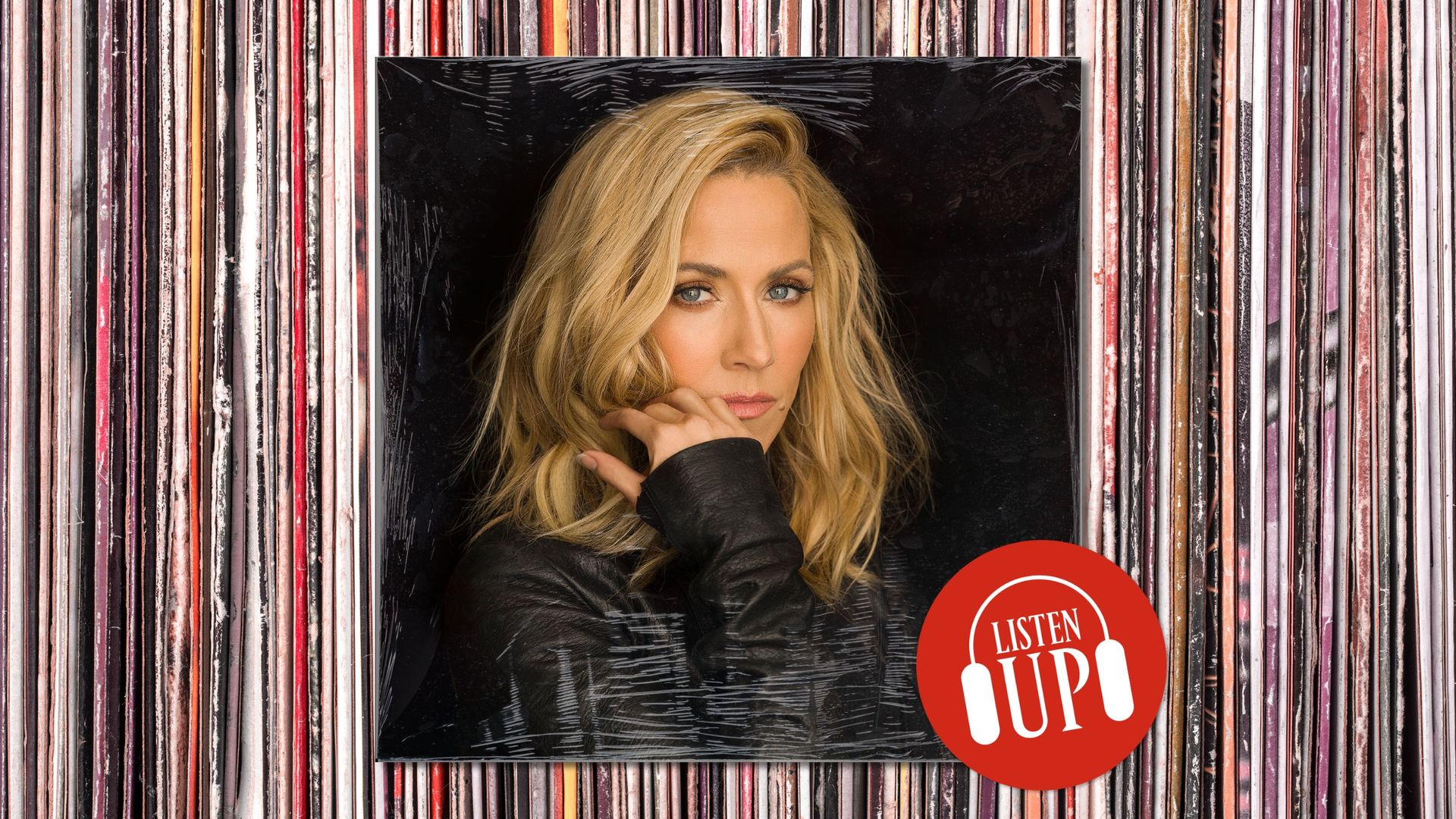
Sheryl Crow has chosen conviction over chart success on her new album *Pick You Up*, and we find that far more compelling than any number-one debut. In an era where every release is optimised for streaming algorithms and viral moments, Crow has delivered a collection of protest songs aimed squarely at political polarisation and climate change denial, hardly the formula for easy radio rotation. It is a quiet act of defiance, and one that feels deeply aligned with the kind of intentional artistry we admire. There is a through-line here to the quiet power we recently explored in The Quiet Power of a Shirt That Needs No Gimmicks, both Crow's record and that piece celebrate substance over flash, a refusal to perform for attention. Crow, at 64, is not chasing relevance; she is defining it on her own terms, and the result invites us to reconsider what success actually means for an artist who has already earned her place in the Rock and Roll Hall of Fame.
What makes this album feel urgent rather than nostalgic is the emotional core Crow has built around her activism. She is raising two sons, and her hope is not abstract, it is the daily work of preparing dinner while talking about the decisions her children will inherit. This is not the posture of a detached icon; it is the grounded perspective of a woman who sees her footprint as the motivating factor for every choice she makes. Her recent work supporting younger female artists like Olivia Rodrigo and Maren Morris reinforces this ethos of community over competition. It reminds us of another recent editorial about Prince William Steps Into Intentional Focus on One Unspoken Topic, where a public figure uses their platform to address something deeply personal rather than performative. Crow does the same: she does not sell hope; she embodies it, and she invites us to listen not for the hit single, but for the conversation.
Her playlist reveals the same generosity. She names Stevie Nicks as a mentor, but she also celebrates Joy Oladokun, Noah Kahan, and Larkin Poe, artists who may not dominate the mainstream but who write with emotional honesty about depression, connection, and resilience. This is how Crow leaves her stamp: not by shouting, but by lifting others into the light. The specific takeaway here is that true influence is measured not in streaming numbers, but in the artists you champion and the risks you take when the spotlight is no longer required. Crow's album may not top the charts, but it will sit on the shelves of listeners who value sincerity over spectacle. That is a legacy worth more than any platinum plaque.