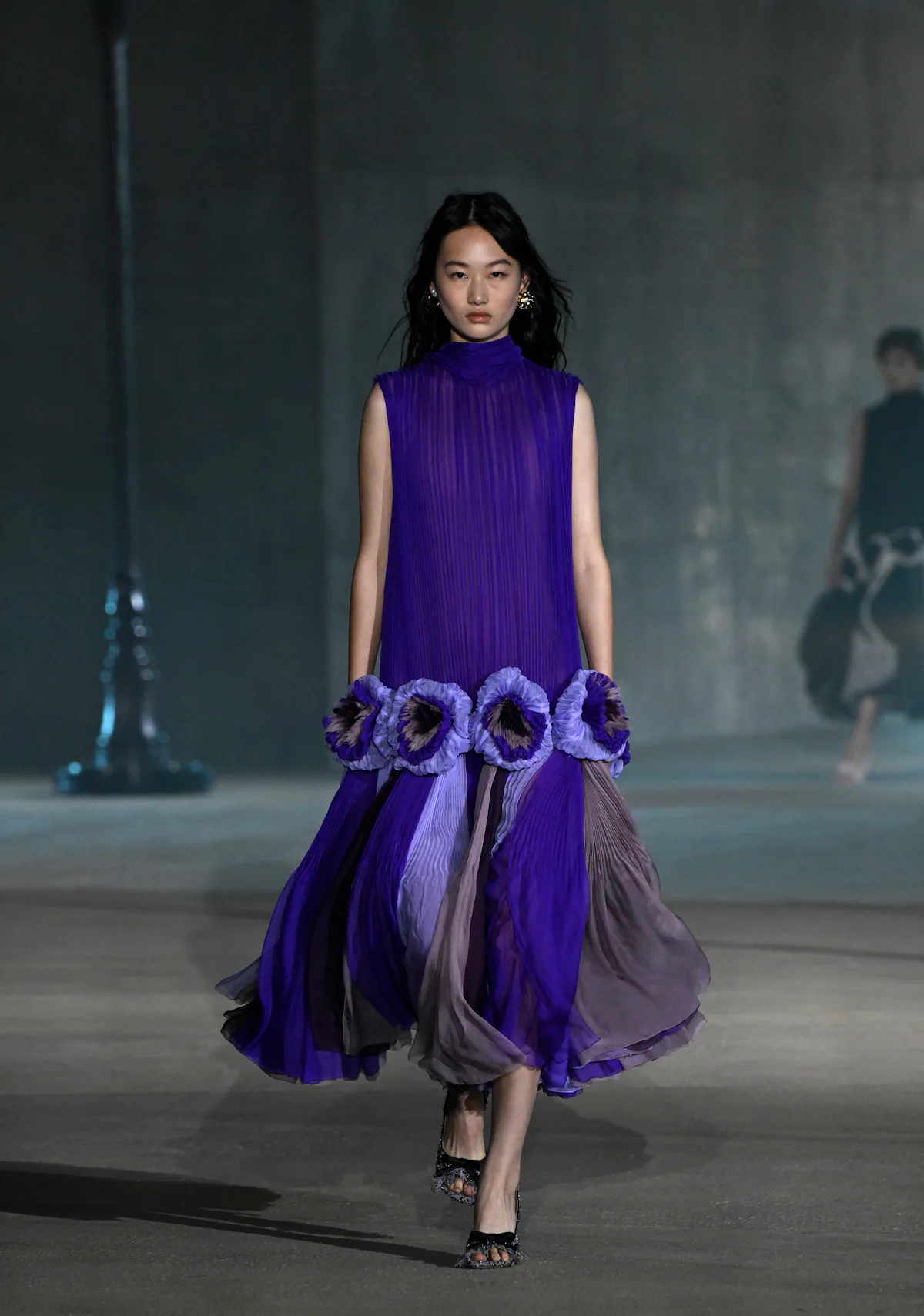
At Dior Cruise 2027, Jonathan Anderson transformed the iconic Los Angeles County Museum of Art (LACMA) into a silver screen fantasy, seamlessly merging the allure of Old Hollywood with a contemporary gaze. This marked Anderson's inaugural Cruise collection as the creative director of Dior, an opportunity laden with expectation. The choice of location was not merely a backdrop; it was a nod to the brand's storied connection to Hollywood, a legacy that dates back to 1947 when the "New Look" first captivated film stars like Elizabeth Taylor and Marlene Dietrich. As we witness this intersection of past and present, it begs the question: how does nostalgia play into modern fashion narratives? This exploration is essential, as it reveals the emotional depth and cultural significance behind such grand spectacles, which is further underscored by the The Dior Cruise 2027 Show Was A Star-Studded Affair.
Anderson's vision for Dior is both ambitious and refined, echoing the soft confidence inherent in the brand's identity. By choosing the cinematic glamour of a bygone era, he taps into a collective yearning for elegance that transcends fleeting trends. The fashion industry often flirts with the concept of reinvention, but Anderson's approach feels more like a respectful homage to the past, expertly woven into contemporary aesthetics. This synthesis of eras not only honors the legacy of Dior but also invites a broader audience to engage with a narrative that feels both luxurious and accessible. The emotional resonance of this collection lies in its ability to evoke feelings of nostalgia while simultaneously positioning itself in the present—a delicate balance that speaks to the heart of modern femininity.
Moreover, the strategic decision to showcase this collection at a cultural landmark like LACMA indicates a thoughtful intention to elevate the conversation around fashion as an art form. The museum's architecture and the curated artworks surrounding the event serve as a poignant reminder that fashion is not just about garments but rather a powerful medium of self-expression and identity. This aligns beautifully with the ethos of Chiara Bransi, who embodies a lifestyle where luxury and self-awareness coexist harmoniously. The interplay of fashion and art offers an opportunity for deeper reflection on how we perceive beauty and style, urging us to consider not just what we wear but how it resonates with our inner selves.
As we look ahead, the implications of Anderson's debut collection extend beyond the immediate spectacle. They challenge us to think about the evolving role of fashion in our lives. Will this cinematic approach to design continue to influence future collections? Moreover, as we navigate a world increasingly driven by fast fashion, Anderson’s commitment to a more thoughtful, introspective design philosophy serves as a beacon of inspiration. The question that lingers is whether this trend towards emotional depth and historical reverence will inspire a broader shift in the industry, fostering a culture of intentional consumption and appreciation for the craft behind each piece. As we embrace this new chapter at Dior, it is a moment ripe for reflection and anticipation—one that invites us to reimagine our relationship with fashion as an enduring narrative of self-expression and creativity.