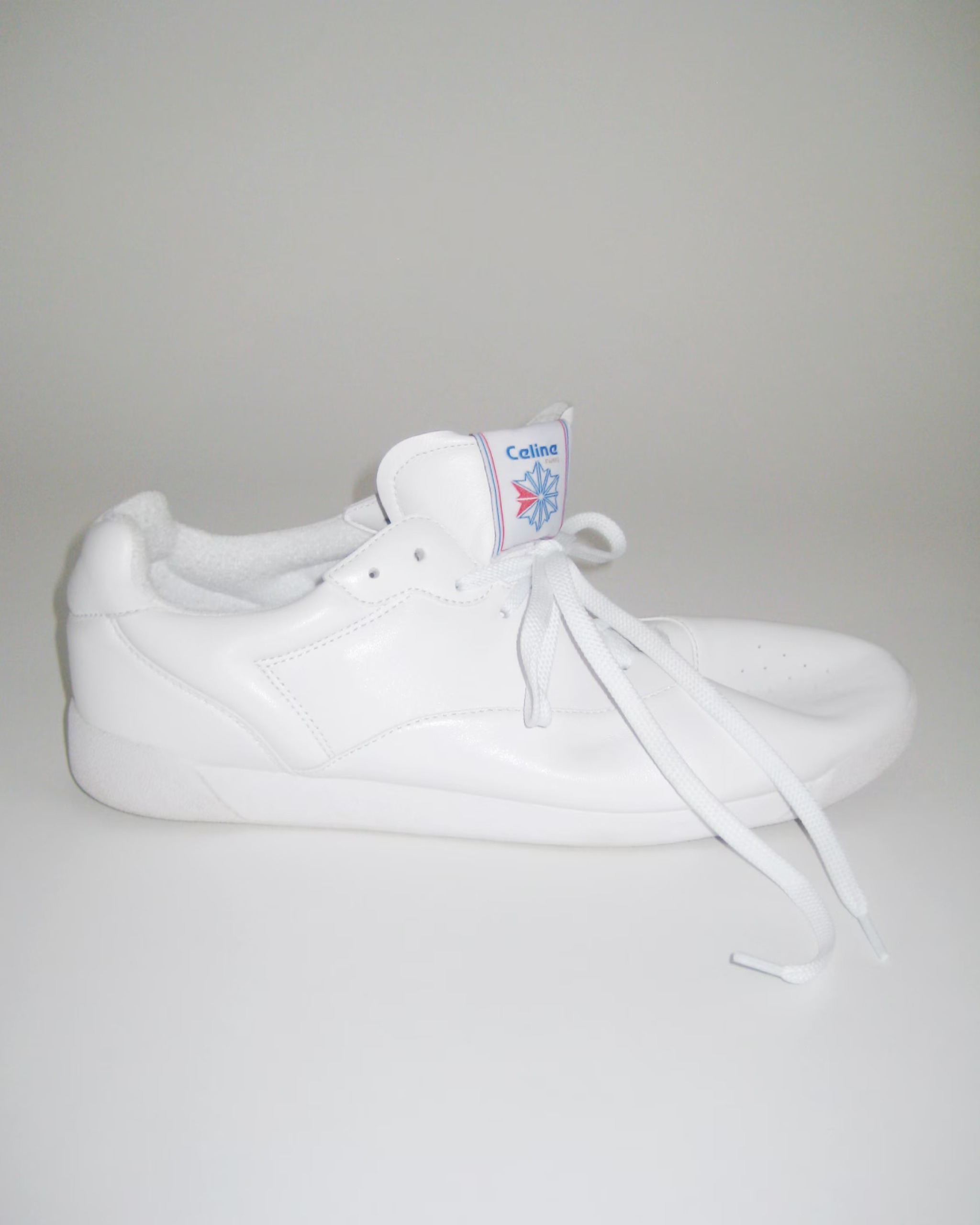
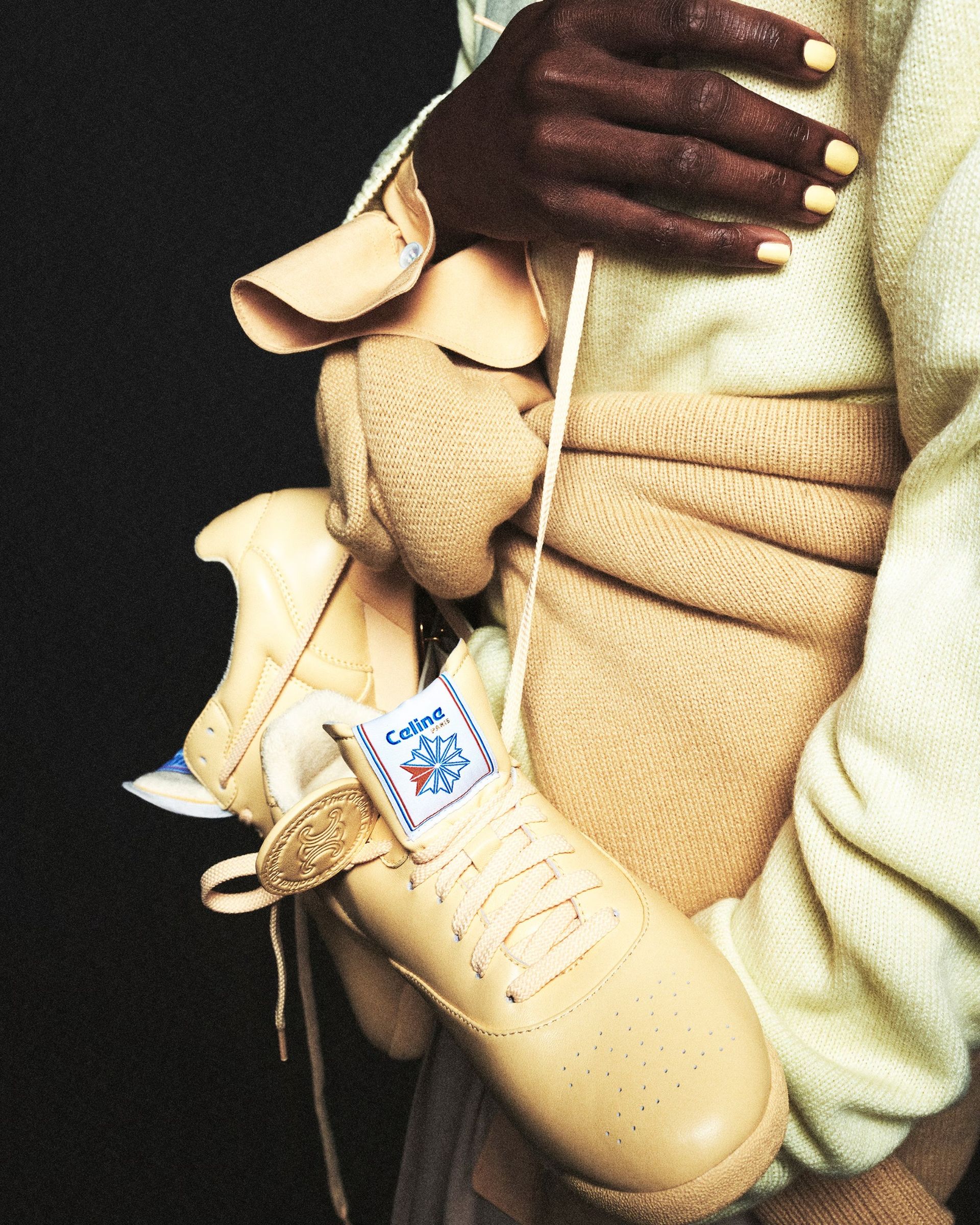
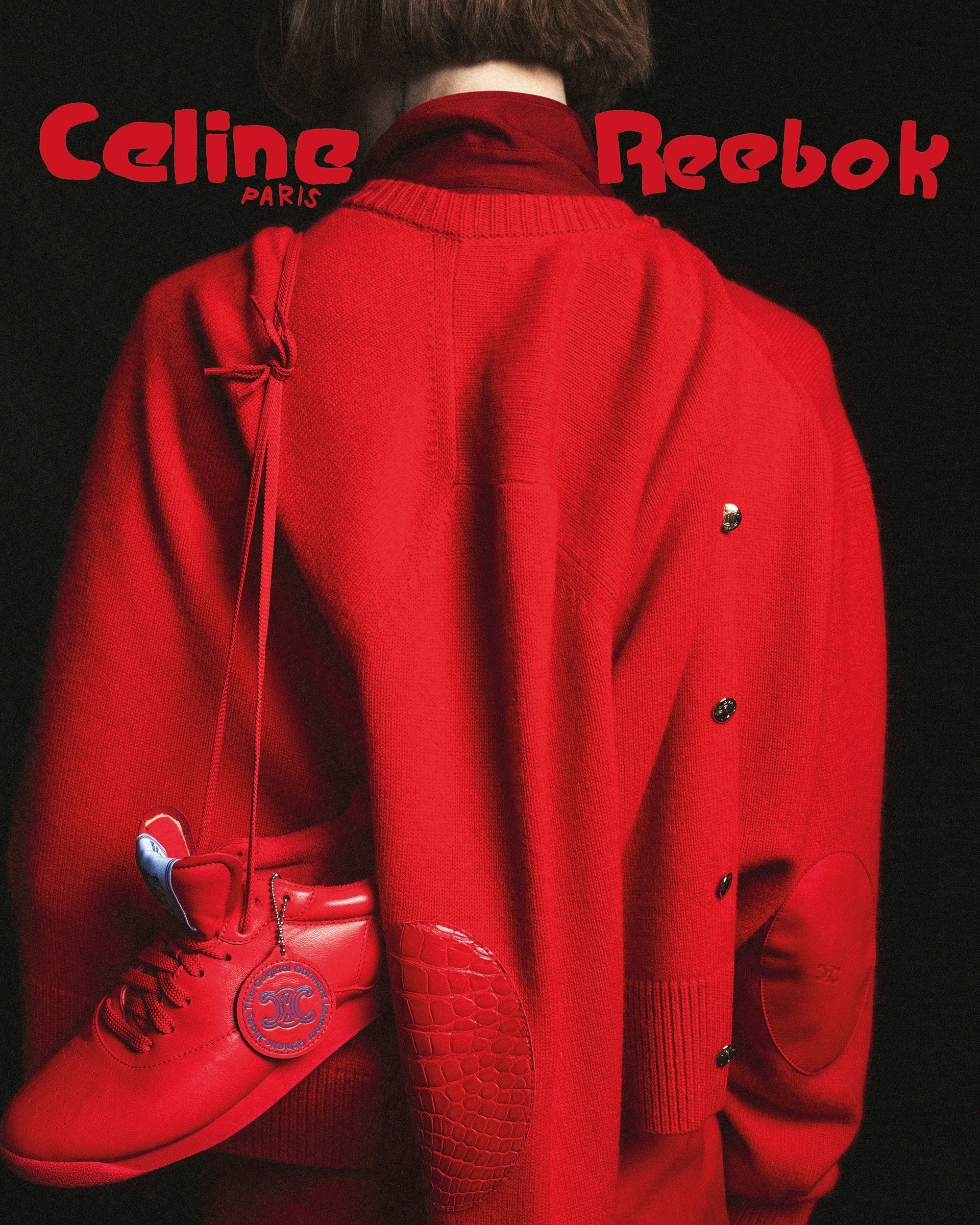
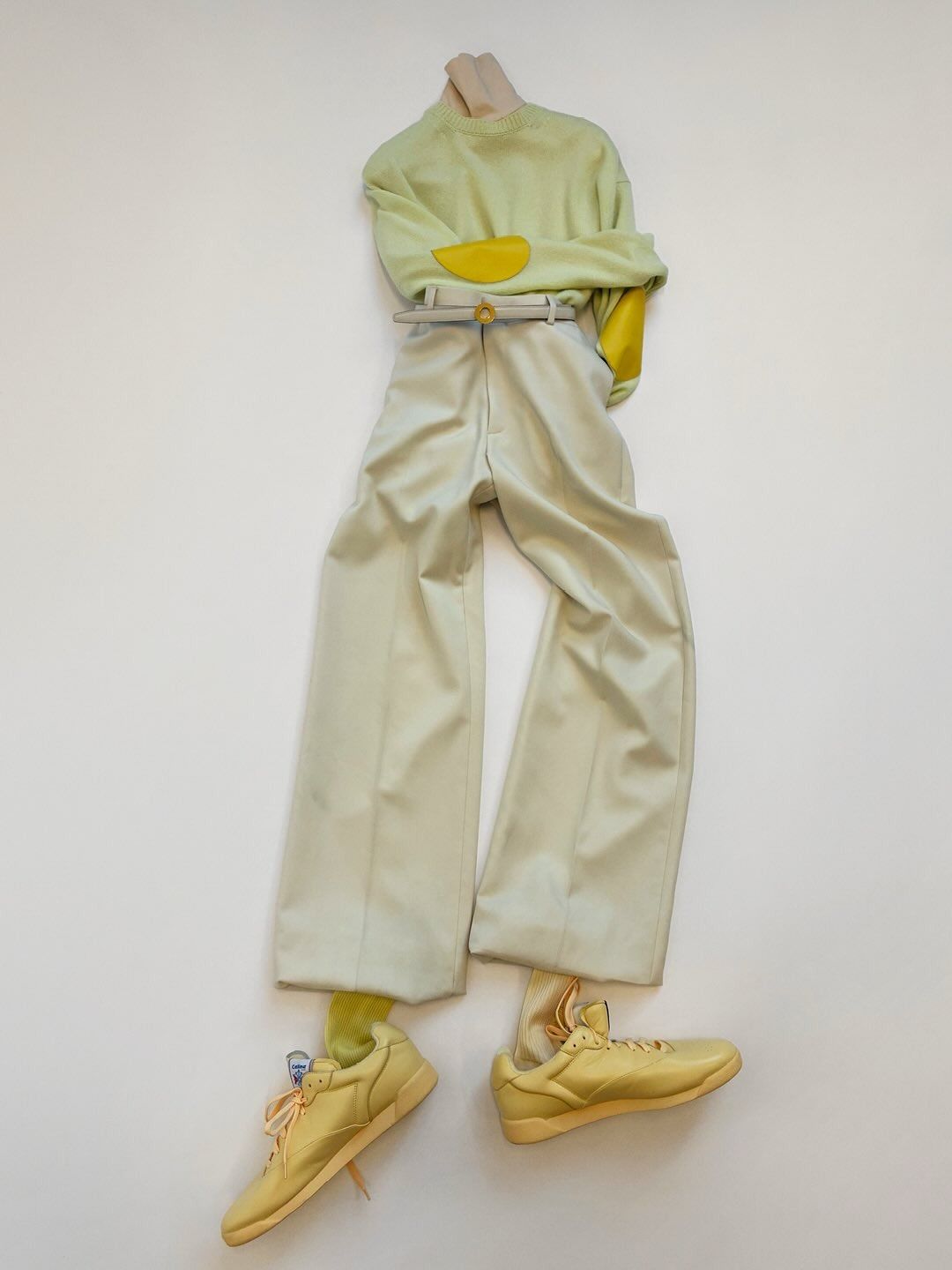
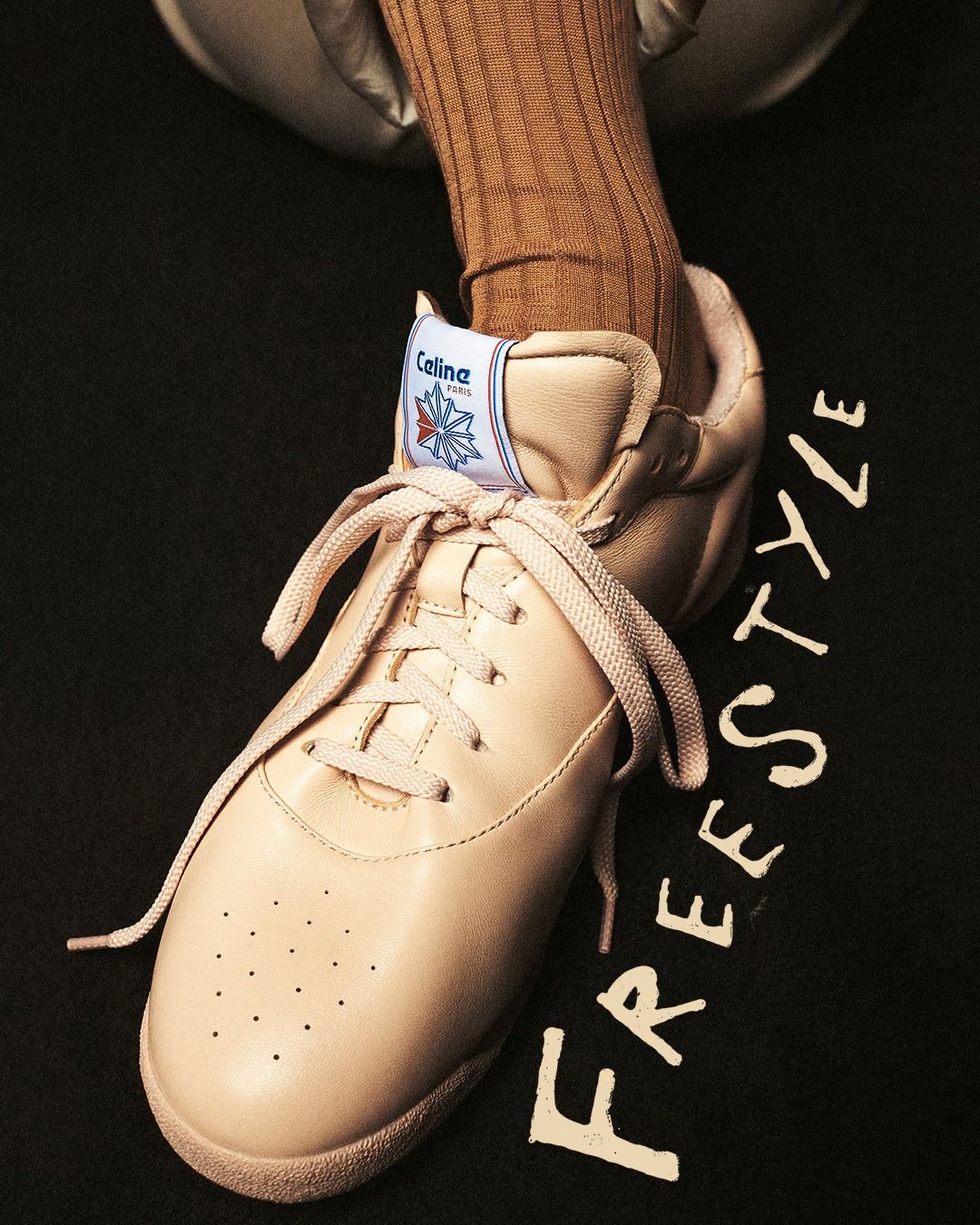
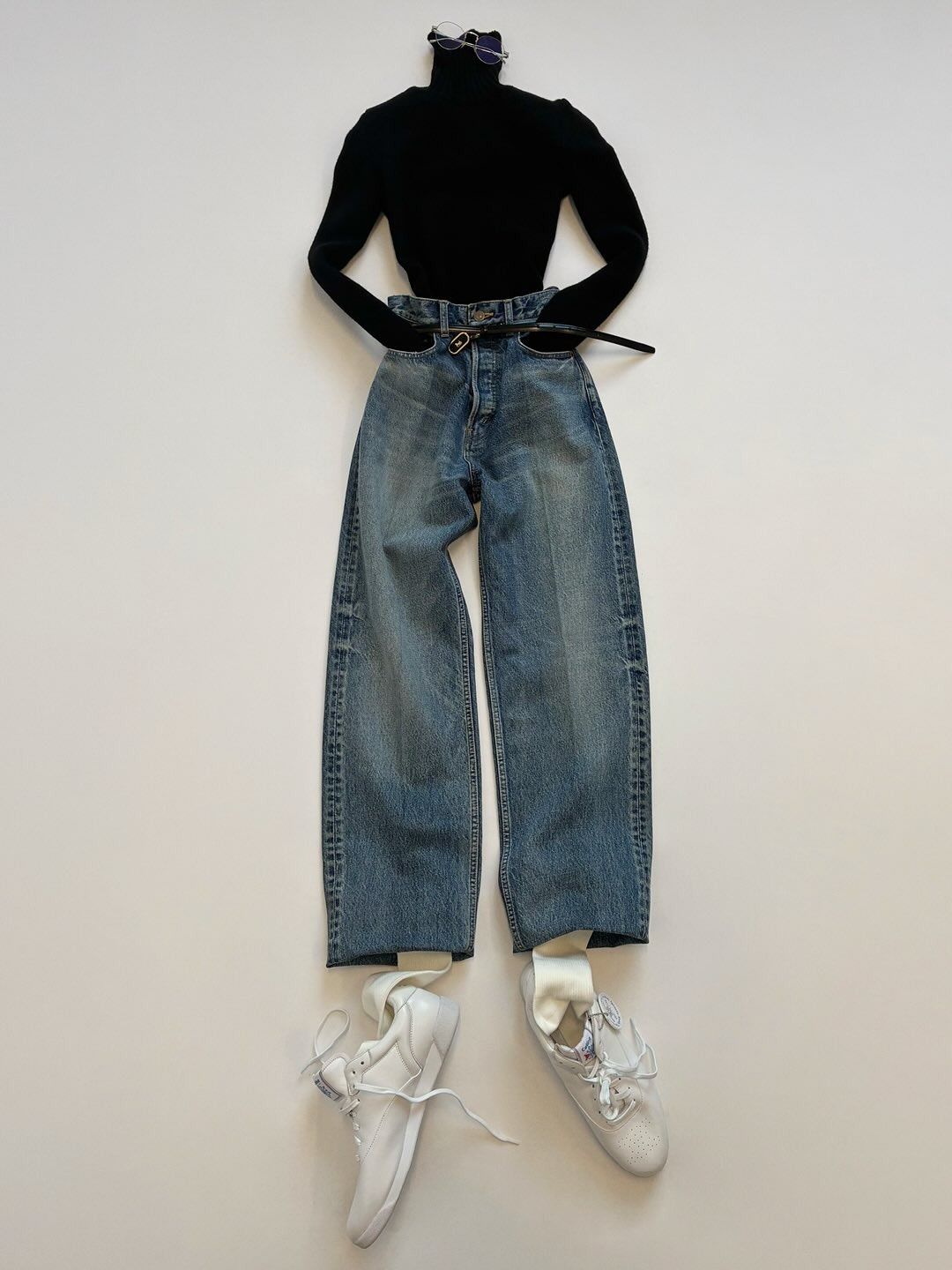
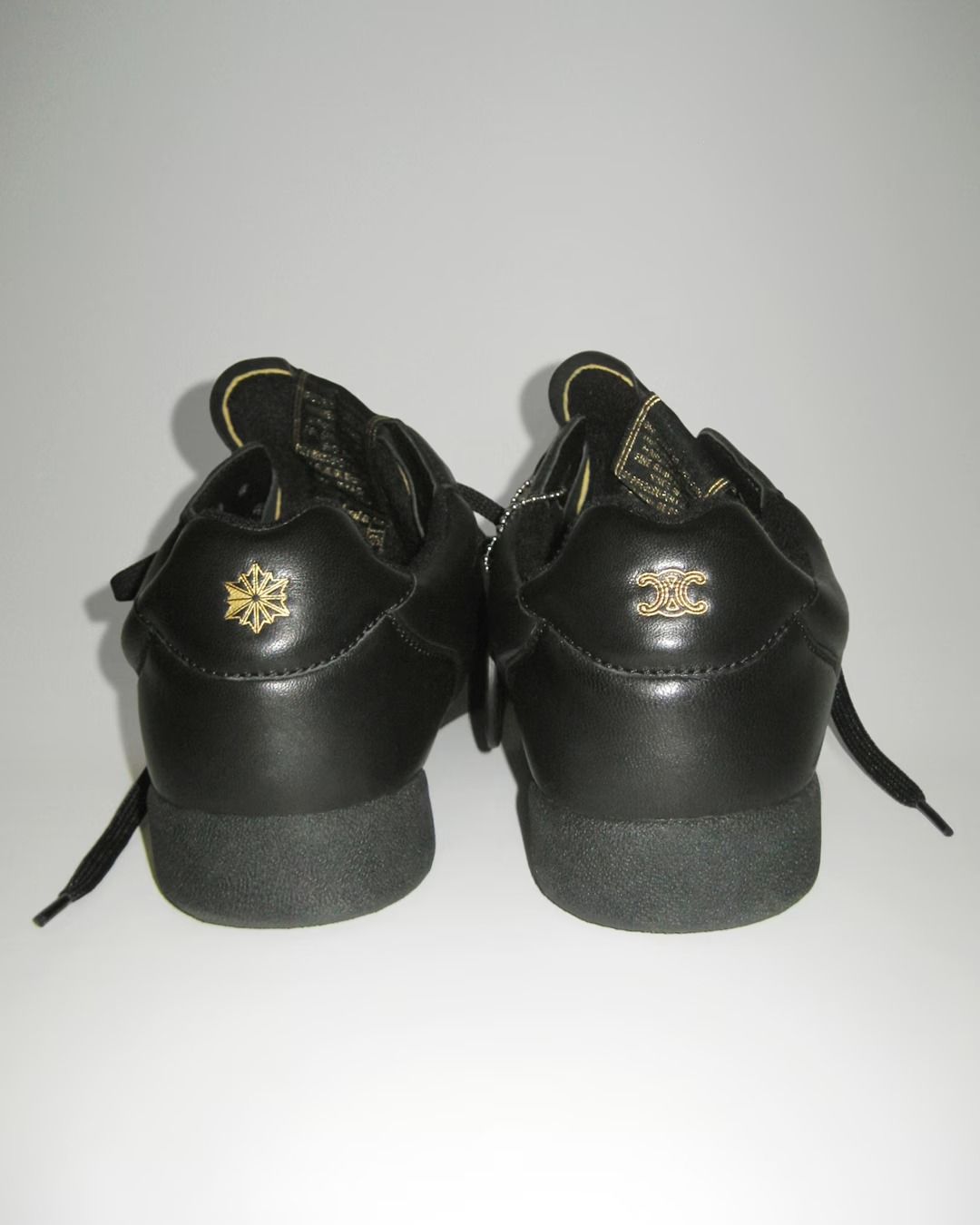
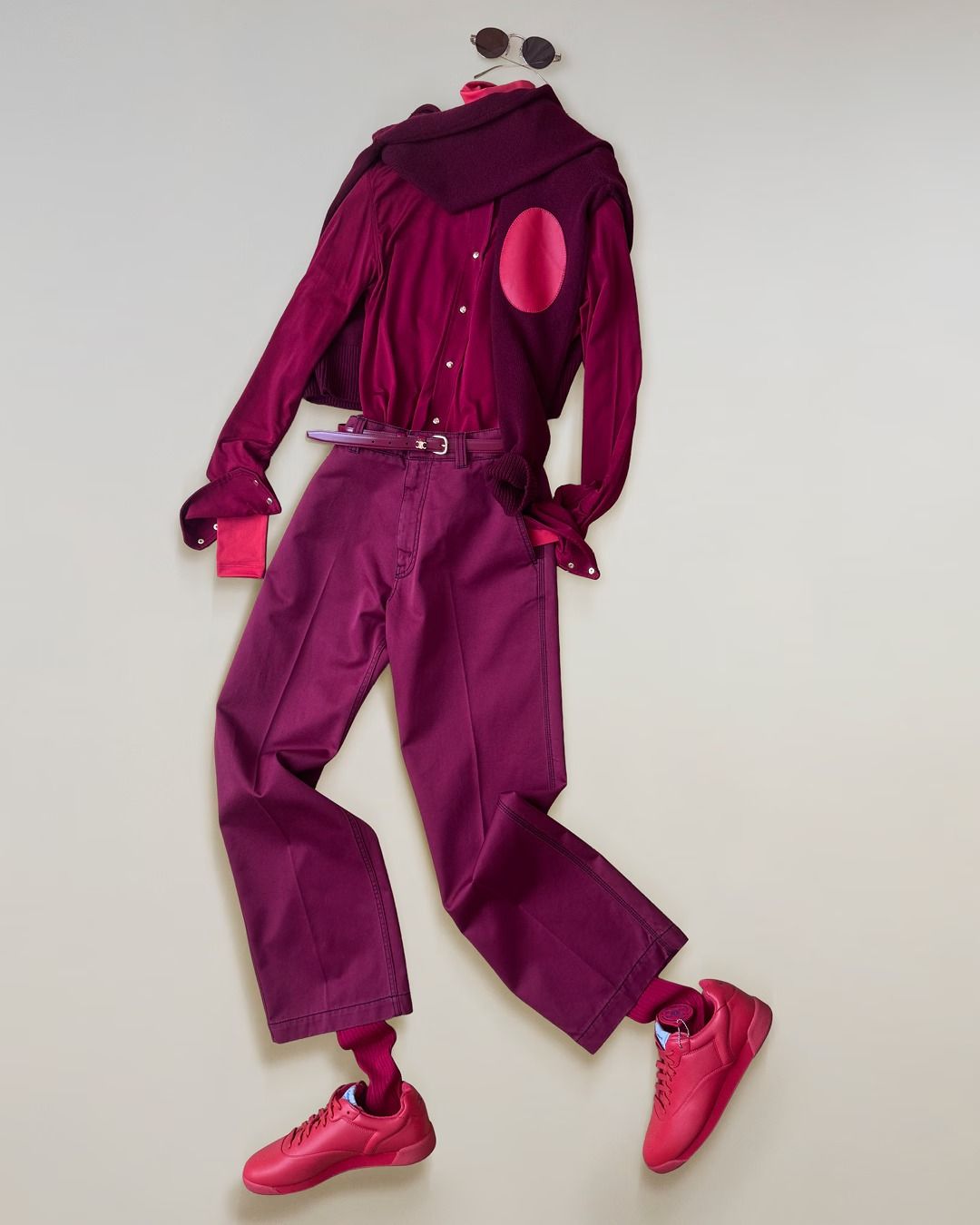
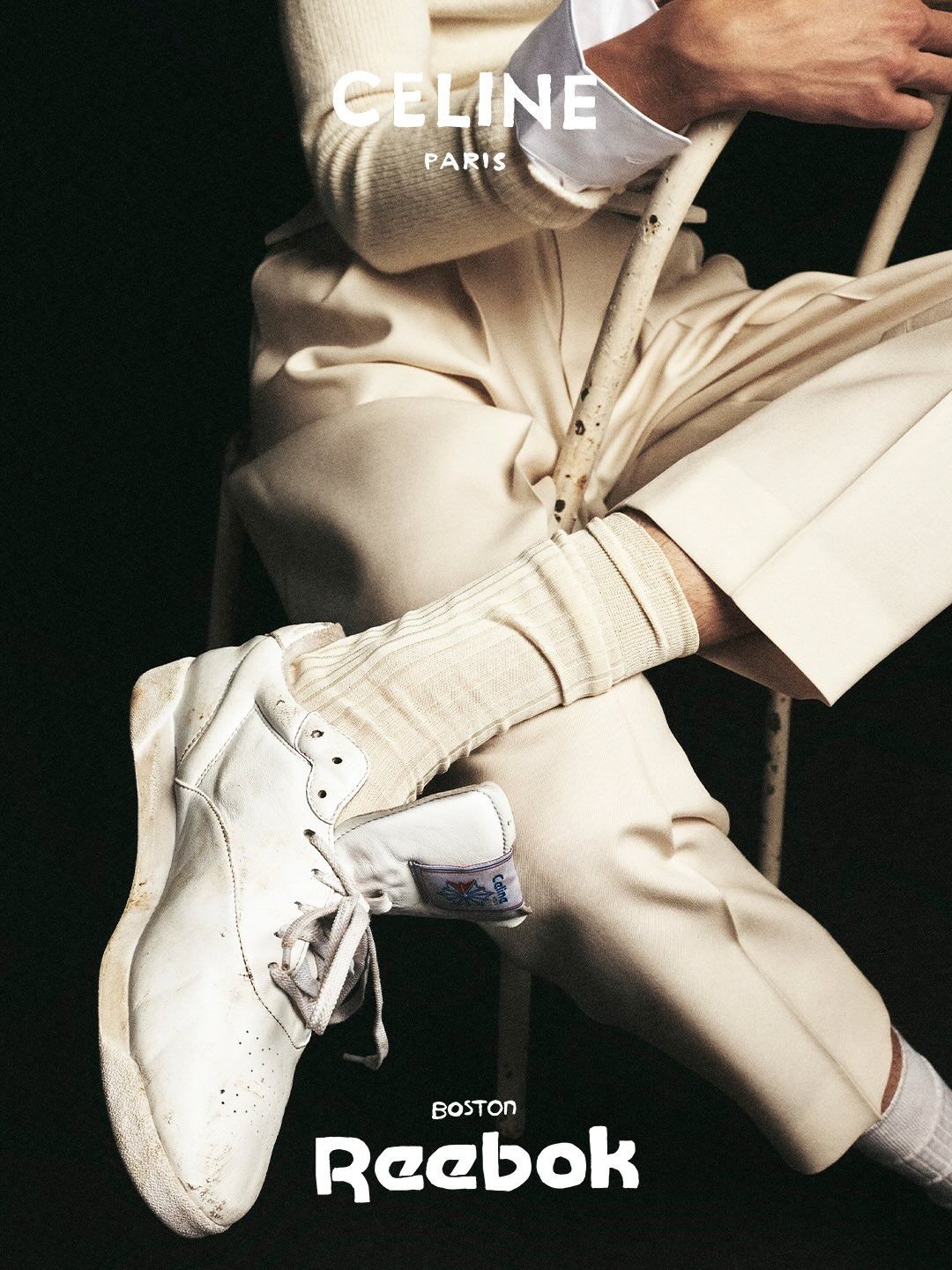
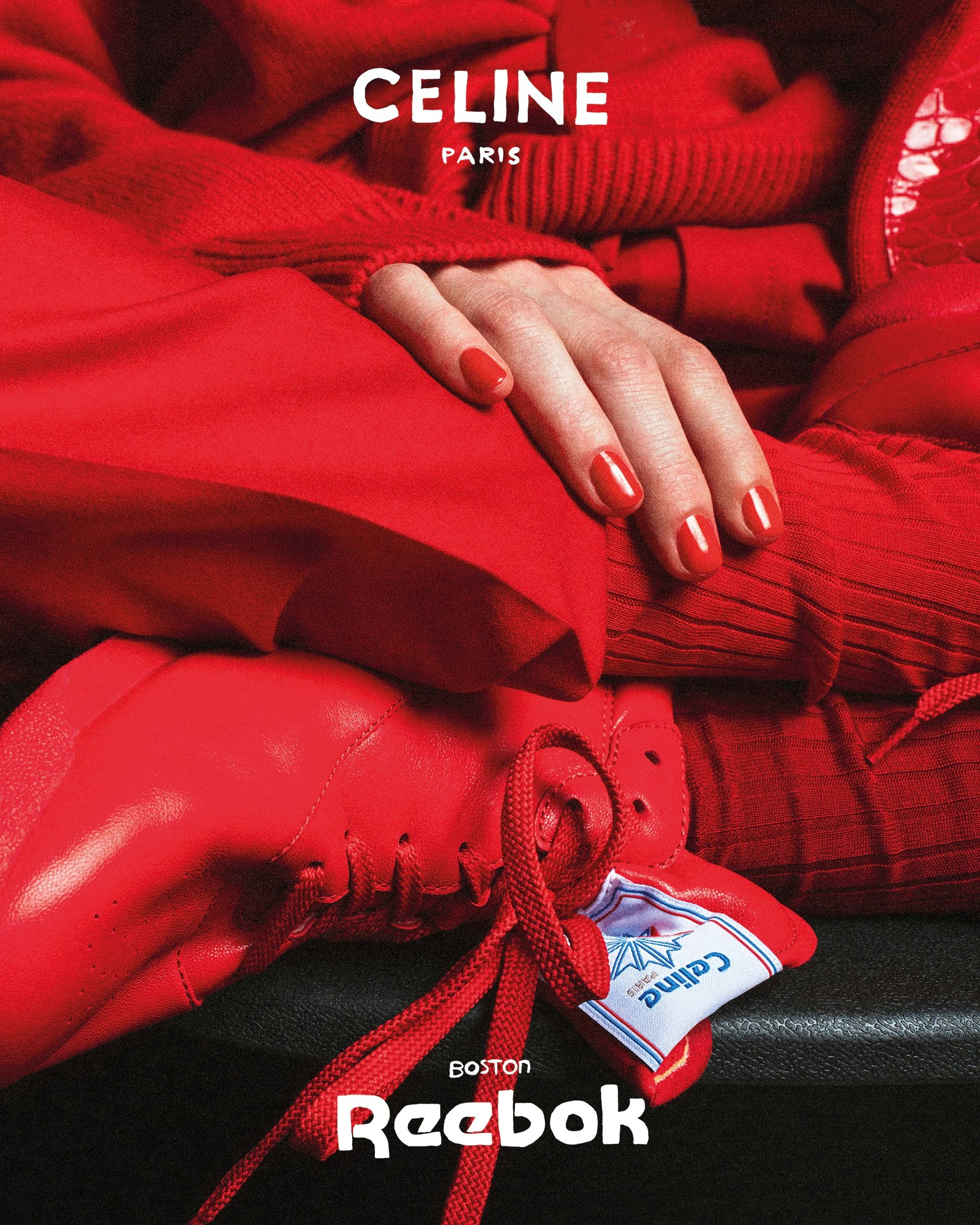
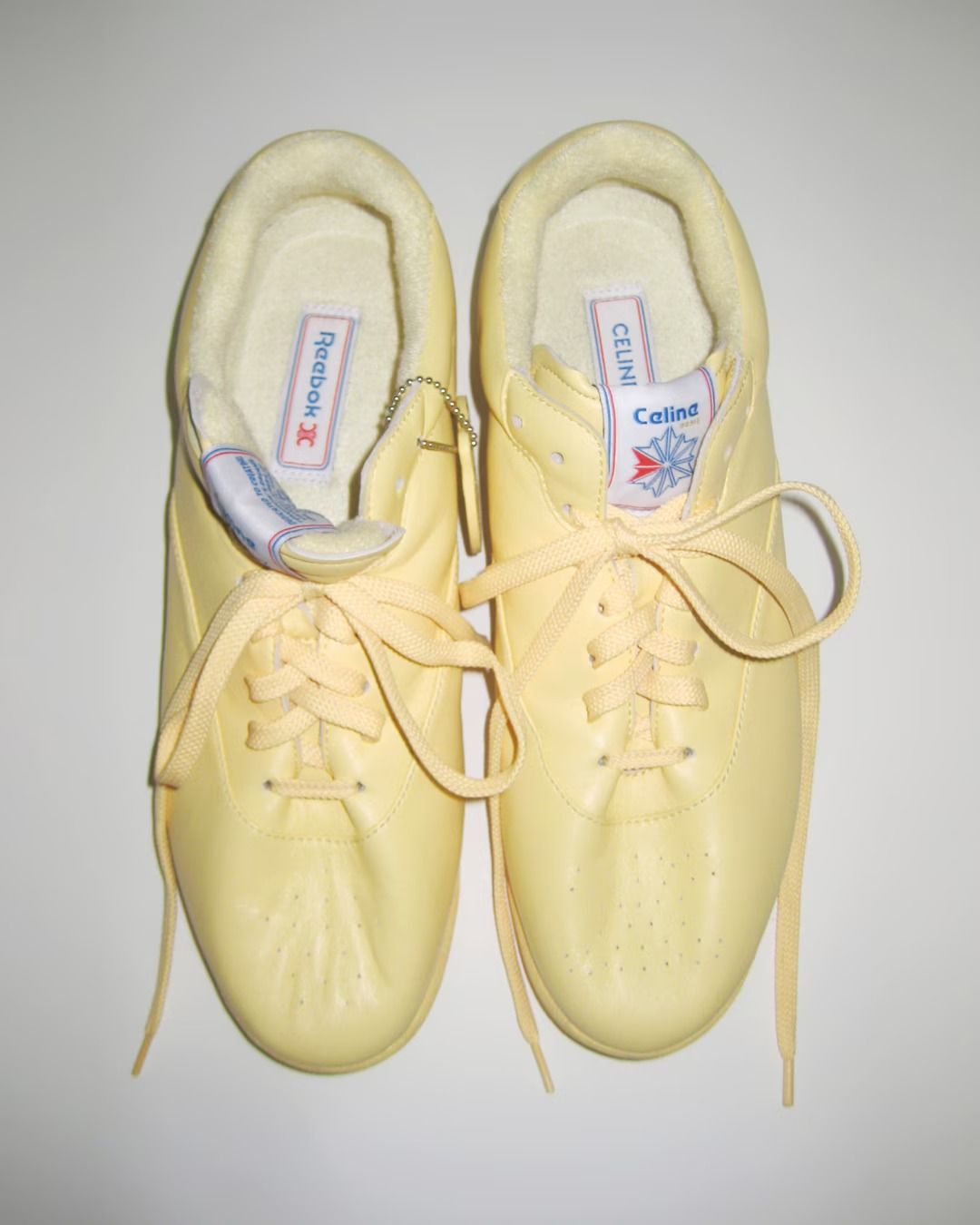
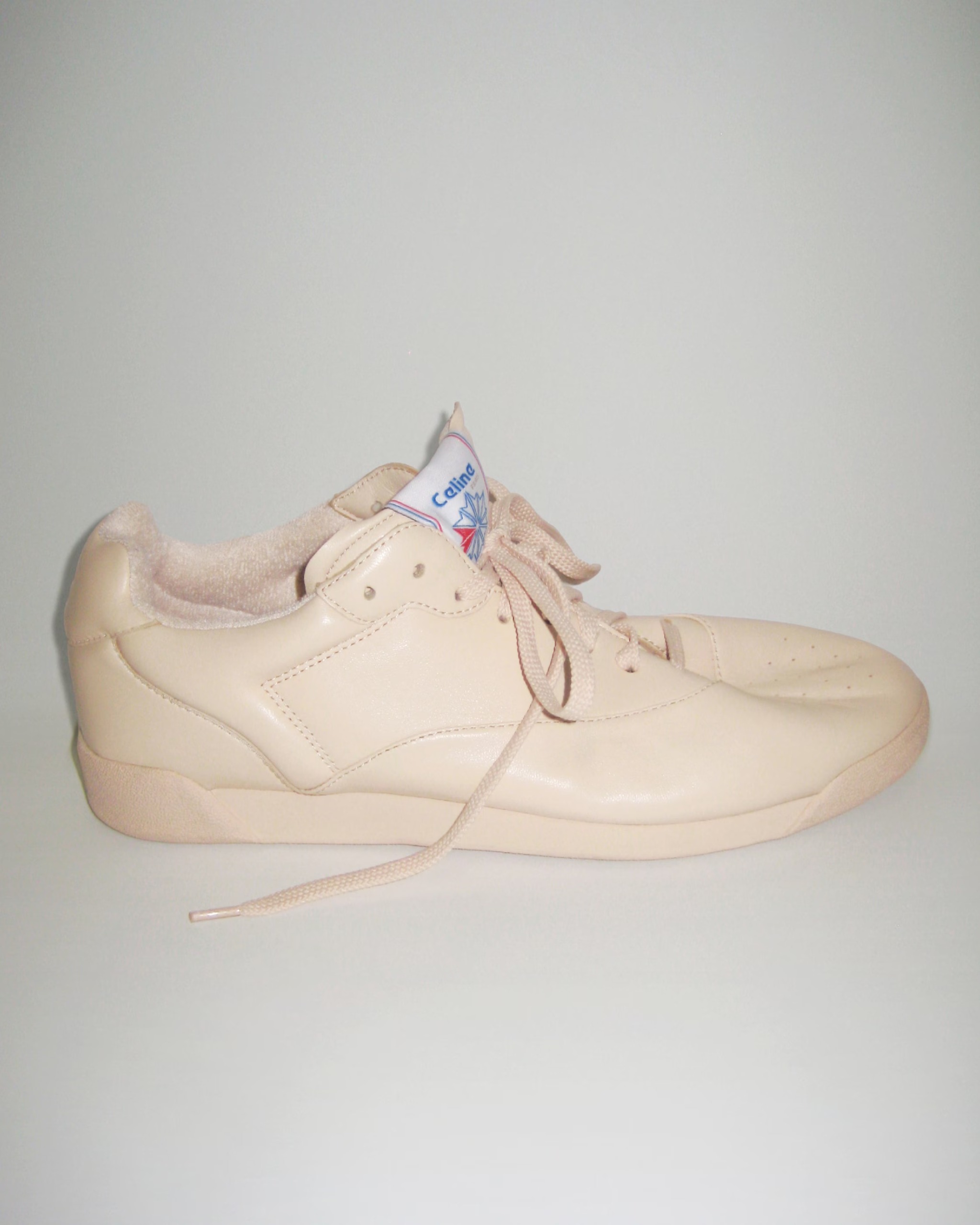
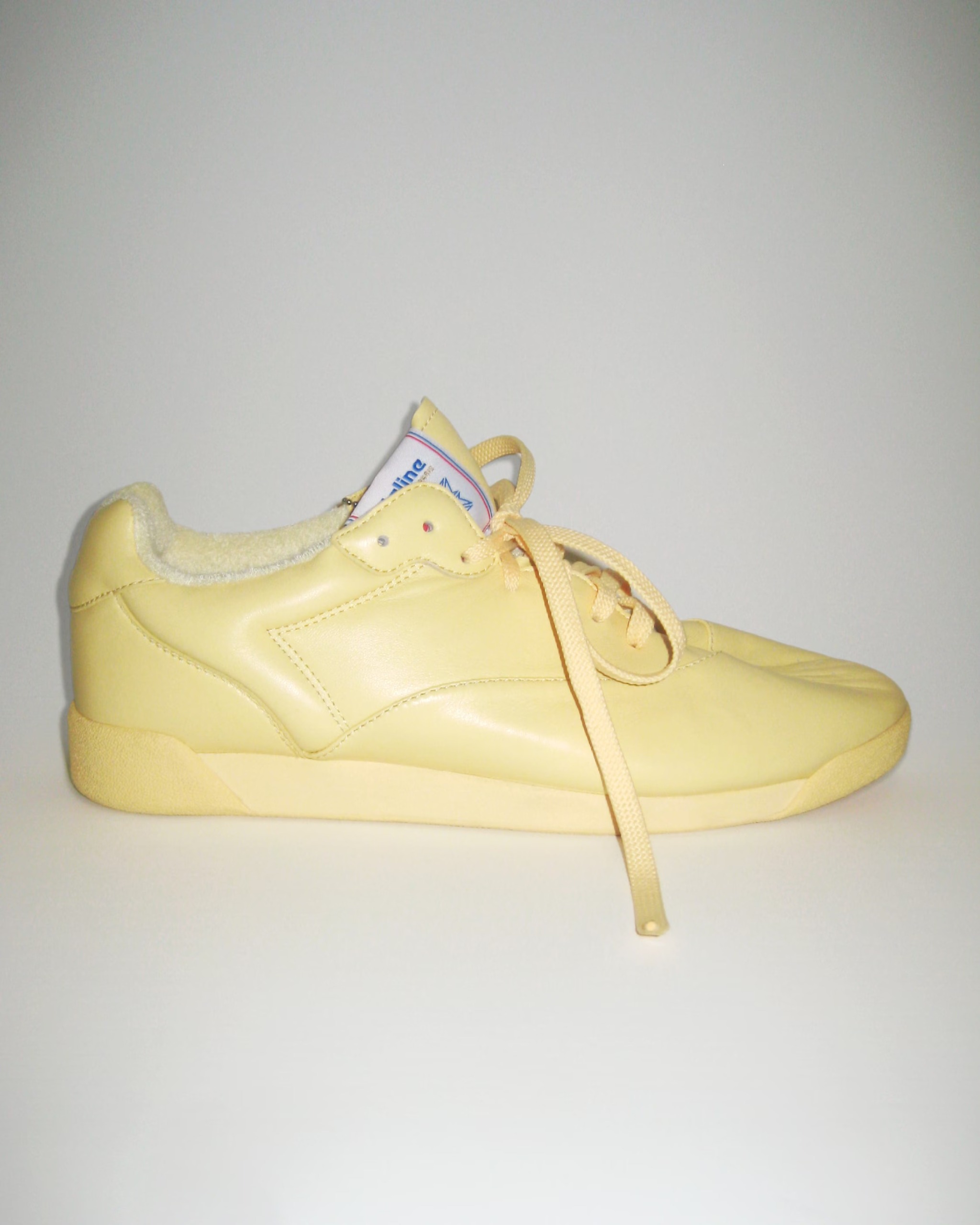
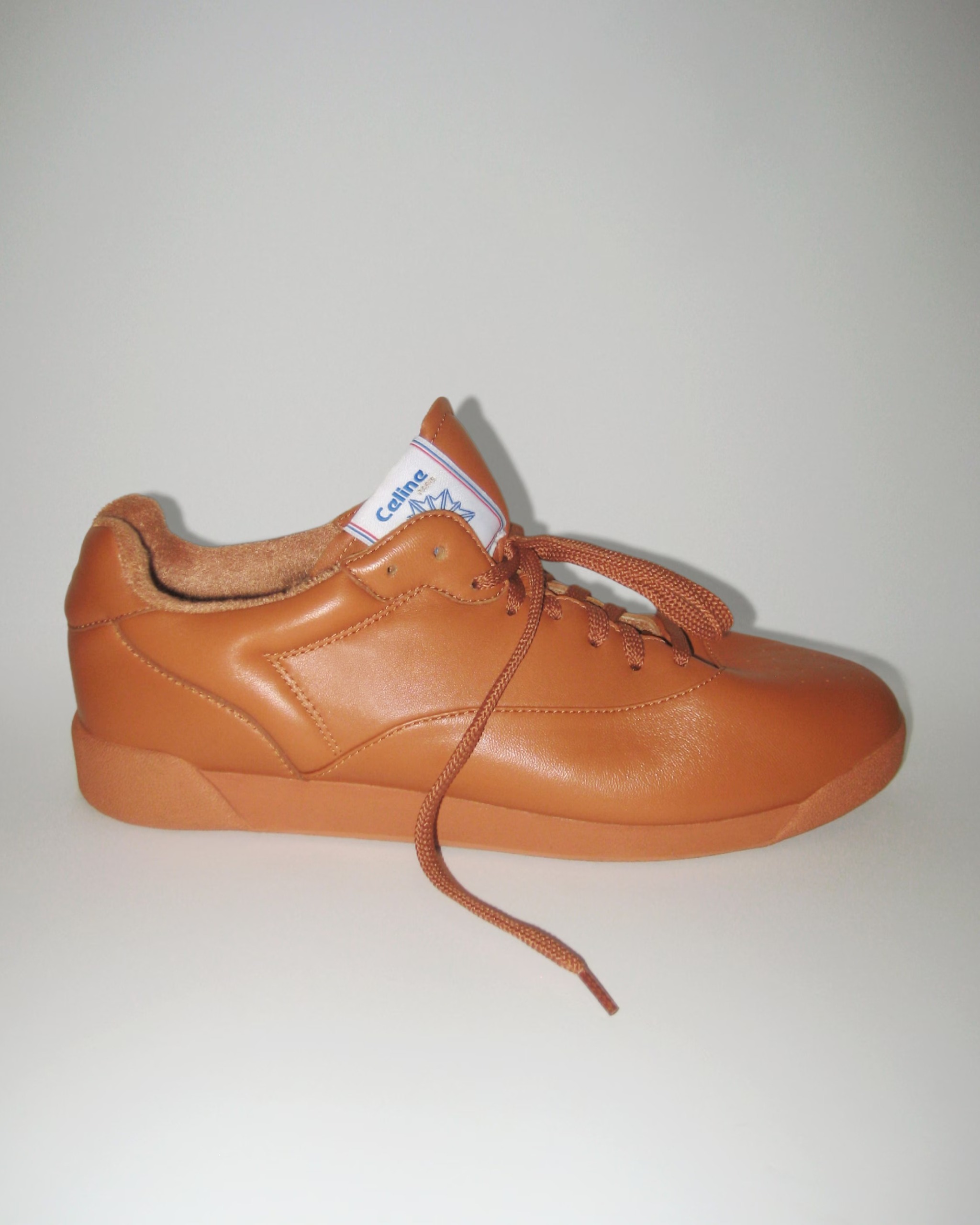
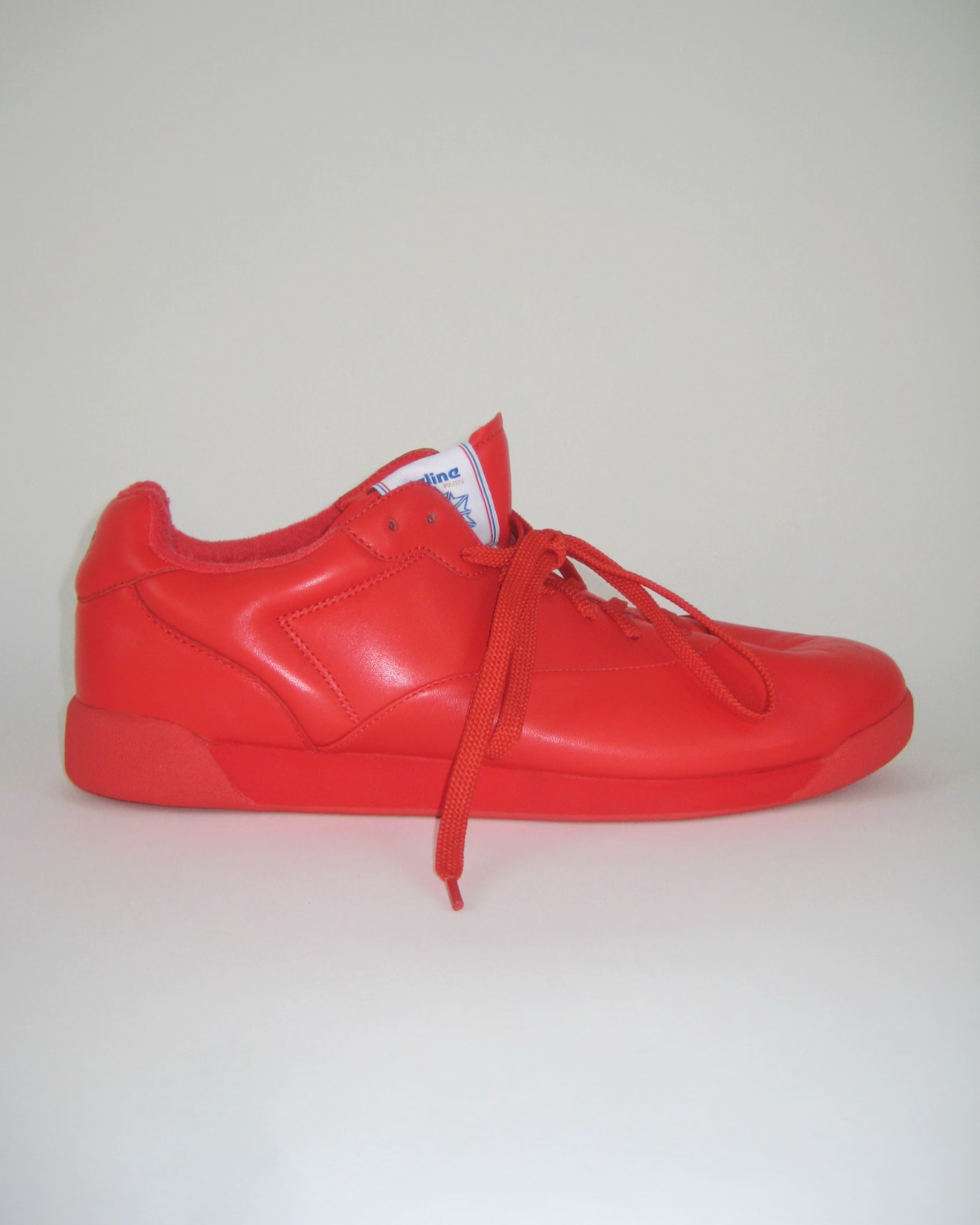
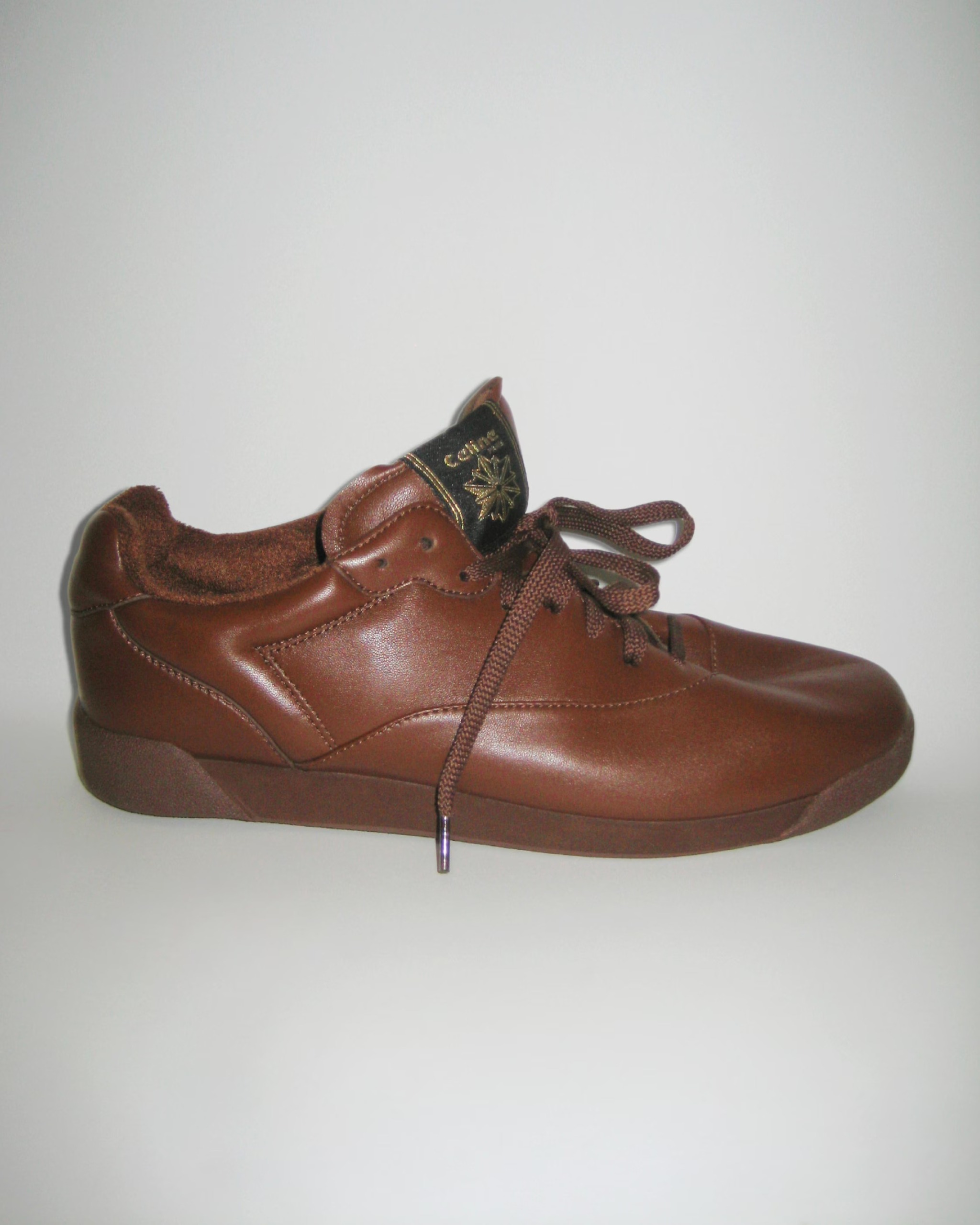
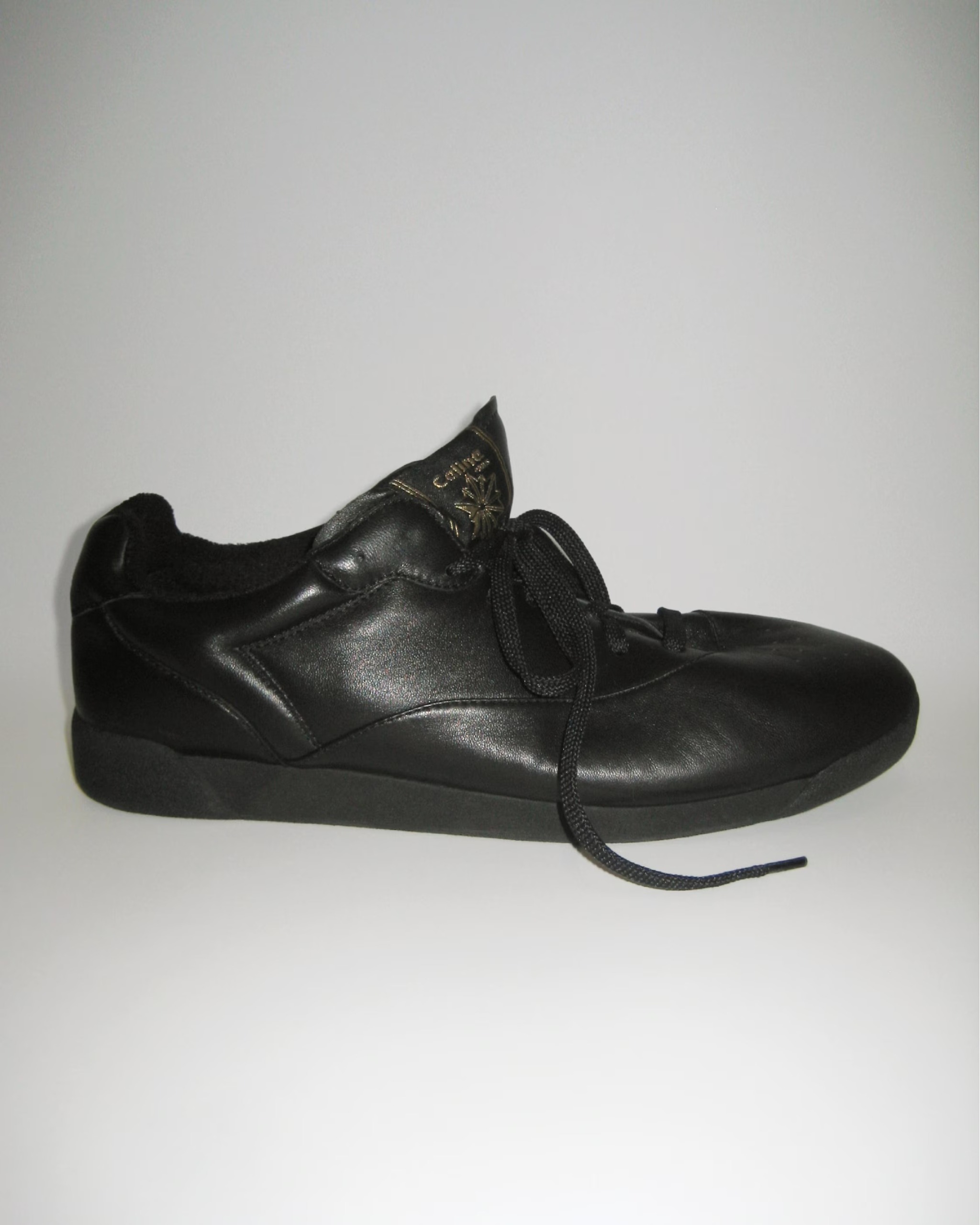
The frenzy surrounding the Celine/Reebok Freestyle Lo is more than just hype; it’s a fascinating intersection of heritage sportswear, high-fashion reinvention, and the enduring power of exclusivity. The sneaker, resurrected from Reebok’s 1980s aerobics heyday, has been transformed by Celine’s Creative Director Michael Rider into an object of intense desire, a feeling echoed in the current landscape of elevated everyday wear. It speaks to a broader cultural shift where comfort and functionality are no longer at odds with luxury, but rather, integral components of it. We’ve seen this reflected in broader trends, like the pieces highlighted in [I'm a Fashion Editor—Here's Everything I'm Shopping for Fall 2026] which emphasize timeless silhouettes and considered details over fleeting trends, and the return to classic, enduring styles demonstrated by the jewelry featured in [Bella Hadid Just Wore the Elegant Chopard Jewelry Trend That Hasn't Gone Out of Style in 50 Years]. The limited availability only amplifies the appeal, feeding the current appetite for items that feel both coveted and personally significant.
The genius of this collaboration lies not just in the aesthetic makeover – a distinctly Parisian sensibility layered onto a familiar silhouette – but in the strategic scarcity. The "impossible to get" narrative is almost as valuable as the sneaker itself. It taps into a deep-seated human desire for belonging and status, creating a sense of community amongst those who manage to secure a pair. This echoes the quiet confidence we champion; it’s not about loudly proclaiming your wealth, but possessing items that subtly signal discerning taste and an understanding of cultural currents. The way Barbara Palvin embodies a soft Parisian mood for Paige’s fall campaign [Barbara Palvin Exudes Cool in Paige Fall 2026] further exemplifies this understated elegance, a sensibility that aligns perfectly with the Freestyle Lo’s newfound appeal. The association with a specific, almost nostalgic era, combined with Celine’s contemporary design language, creates a compelling story that resonates with a sophisticated audience.
The rise of the Freestyle Lo also reveals something important about the evolving definition of luxury in the 2020s. It’s no longer solely about overt displays of wealth or expensive materials. Instead, it's increasingly about quality, craftsmanship, and a sense of understated elegance. The collaboration leverages Reebok’s established reputation for athletic performance while elevating it through Celine's design expertise. It's a move away from the ostentatious logos and blatant branding that once dominated the luxury market, toward a more subtle and refined aesthetic. The demand isn't just for a sneaker; it's for a symbol – a tangible representation of belonging to a select group who appreciate design, heritage, and the art of understated cool. This speaks to a generation that values authenticity and personal style over fleeting trends.
Looking ahead, the success of the Celine/Reebok collaboration raises a compelling question: Will this model of limited-edition, high-fashion collaborations with established sportswear brands become a permanent fixture in the luxury landscape? The blending of athletic heritage with Parisian chic has proven remarkably effective, and it's likely we'll see more brands experimenting with similar strategies. However, the key will be maintaining the balance between exclusivity and accessibility – striking a line that doesn't alienate consumers while still preserving the allure of the "impossible to get." The Freestyle Lo has set a high bar, and the industry will be watching closely to see if others can replicate its success.