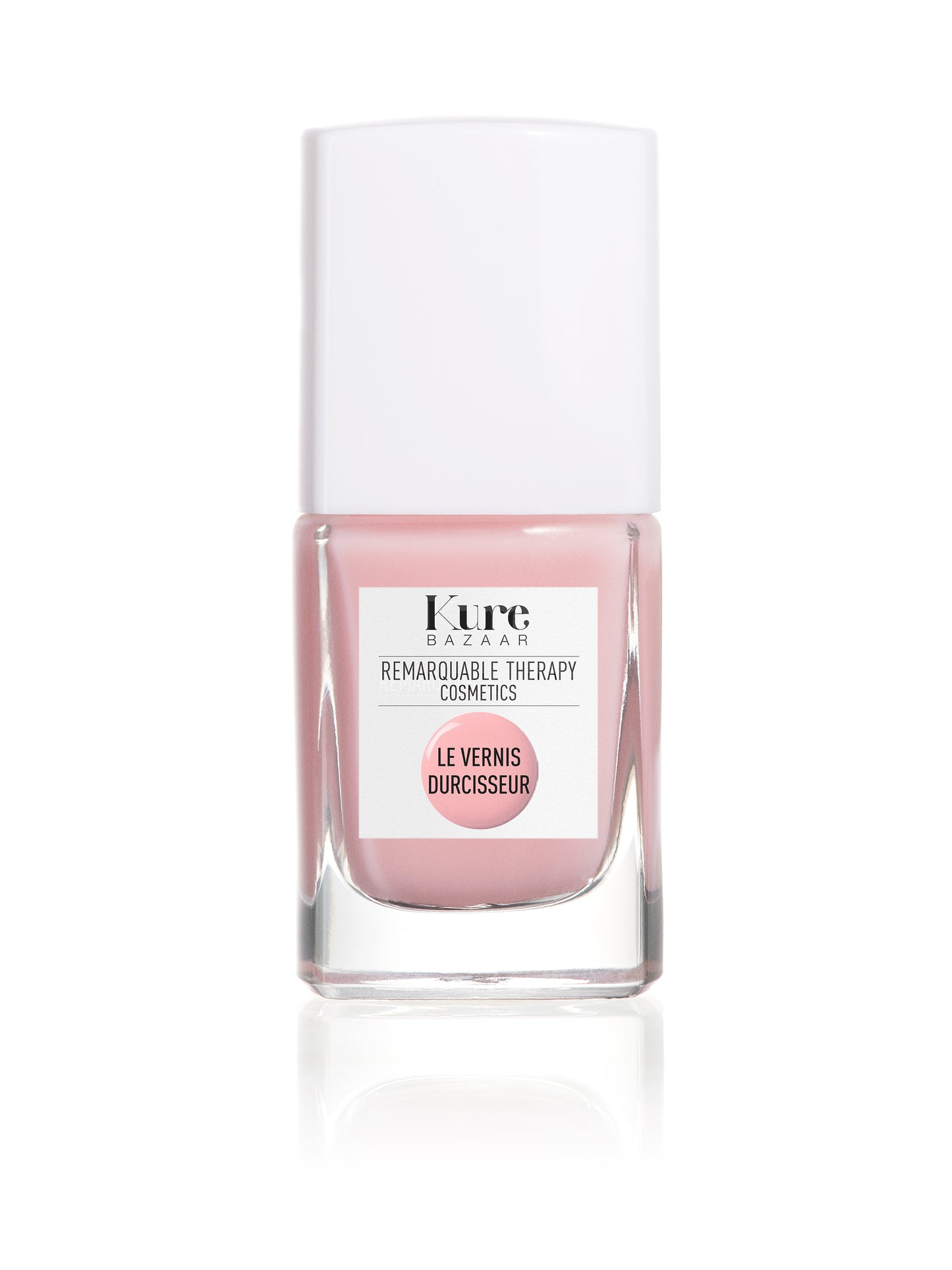
There is a particular kind of confidence that arrives when you stop performing for the room. The article's author has spent a year without the gel mani, and her conclusion is quiet but firm: her nails have never been stronger. We read this not as a beauty tip, but as a small study in restraint. In a culture that often equates effort with polish, choosing to let the natural state of things breathe is a radical act of self-assurance. It echoes the sentiment we explored in Quiet Confidence: The Most Elegant Celebrity Pixie Cuts, where the boldest statement was often the simplest one. There, a haircut did the talking; here, the absence of a product speaks volumes.
This decision to step away from the gel cycle is not about neglect; it is about intention. The author's history is a familiar one, a litany of harsh removals and brittle ends, a testament to how easily maintenance can tip into damage. When she embraced the bare nail aesthetic, she wasn't just following a trend. She was reclaiming a sense of agency over her own body, deciding that health was more desirable than a constant, glossy shell. This is the same low-effort, high-reward philosophy we championed in Elevated Fall Style: Subtle Shifts for Lasting Impact. It is a reminder that true elegance is rarely loud; it is found in the confidence of a clean line, a natural curve, and the patience to let things grow strong on their own schedule.
For our reader, this story is permission to question the routines that no longer serve them. How much of your beauty regimen is habit, and how much is a genuine choice? The author's experience suggests that the answer is often found in the space you create when you stop adding. It is not about rejecting the manicure entirely; it is about understanding that your strength does not come from the product, but from the foundation beneath it. As we noted in Short nails, elevated style: Fall's manicure mood, the modern mood is less about decoration and more about the architecture of the hand itself. A shorter, stronger nail is a statement of its own, one that says you are comfortable in your own skin. It is a form of soft confidence that does not need to be loud to be felt.
The practical takeaway here is simple: if you are constantly repairing the damage from your nail enhancements, the answer is not a stronger soak-off solution. It is a pause. Give your hands a season of quiet. Let the ridges smooth out, let the edges find their own strength. The author's journey is a specific, personal victory, but it points to a universal truth we would do well to remember. When you strip away the layers, what remains is the most honest version of you. And that, not the shellac, is what deserves the spotlight. Watch how your own routine holds up when you decide to let it rest.