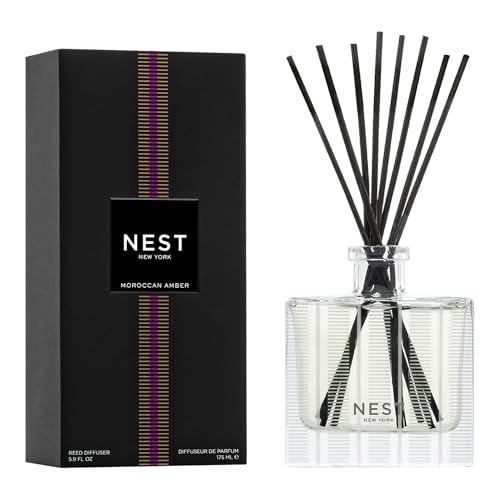
There is a particular kind of quiet triumph in walking into a studio apartment and feeling like you have entered a hotel suite. The article's premise, that small-space living can replicate the sanctuary of a fancy hotel, is one we understand intimately. It is not about square footage; it is about intention. The chaos of moving in New York, the Hunger Games of apartment hunting, then the brutal logistics of packing fragile glass-bottled perfumes and delicate objects, is a specific kind of exhaustion. Yet, the editorial eye suggests that the reward is not in the size of the room, but in the curation of the space. This is the essence of quiet luxury applied to a floor plan: a deliberate restraint that turns a necessity into a choice.
Our take is that this is less about interior design trends and more about a psychological reset. When you strip away the excess, what remains must matter. This mirrors the philosophy behind the The Quiet Edit: 26 Pieces Our Editors Are Wearing Now, a wardrobe is not a collection of garments, but a tightly edited selection of pieces that speak to a cohesive identity. The same logic applies to a studio. It forces a conversation with yourself about what is essential. The article hints that the process is arduous, but the outcome is a space that feels like a true reflection of the self, not just a storage unit. It is the difference between owning things and having things that serve a purpose for your current state of being.
Where this becomes truly practical is in the translation of mood. You do not need a separate room to create a sense of departure; you need a shift in sensory awareness. The scent of a room, the texture of a throw, the quality of the light. This is where the connection to the Elevated Footwear: Defining Fall's Quietly Stylish Sneaker Selection becomes relevant. Just as a perfectly minimal sneaker can ground an entire outfit without shouting for attention, a single, well-chosen piece of furniture or a specific fragrance can anchor a small room. It is not about the accumulation of objects but the deliberate placement of them. The calm authority comes from knowing that a space, like a style, is an extension of your inner state. It is a confidence that does not need to prove anything to anyone but yourself.
The most compelling detail is the implicit challenge: can you maintain that sense of sanctuary when your life is contained within four walls? The article suggests you can, but only if you are honest about your needs. We would tell a reader that the true luxury is not in the hotel-like aesthetic, but in the feeling of calm it generates after a long day. The specific takeaway is this: treat your studio not as a compromise, but as a creative constraint. The consequence of this mindset is that you will buy less, but buy better. You will choose the Fall 2026: Protective Styles and Textures to Define the Season that feels like a signature rather than a trend. The question that remains is not whether you can make a small space feel grand, but whether you have the discipline to edit your life down to what you truly adore. That is the modern muse's real project.