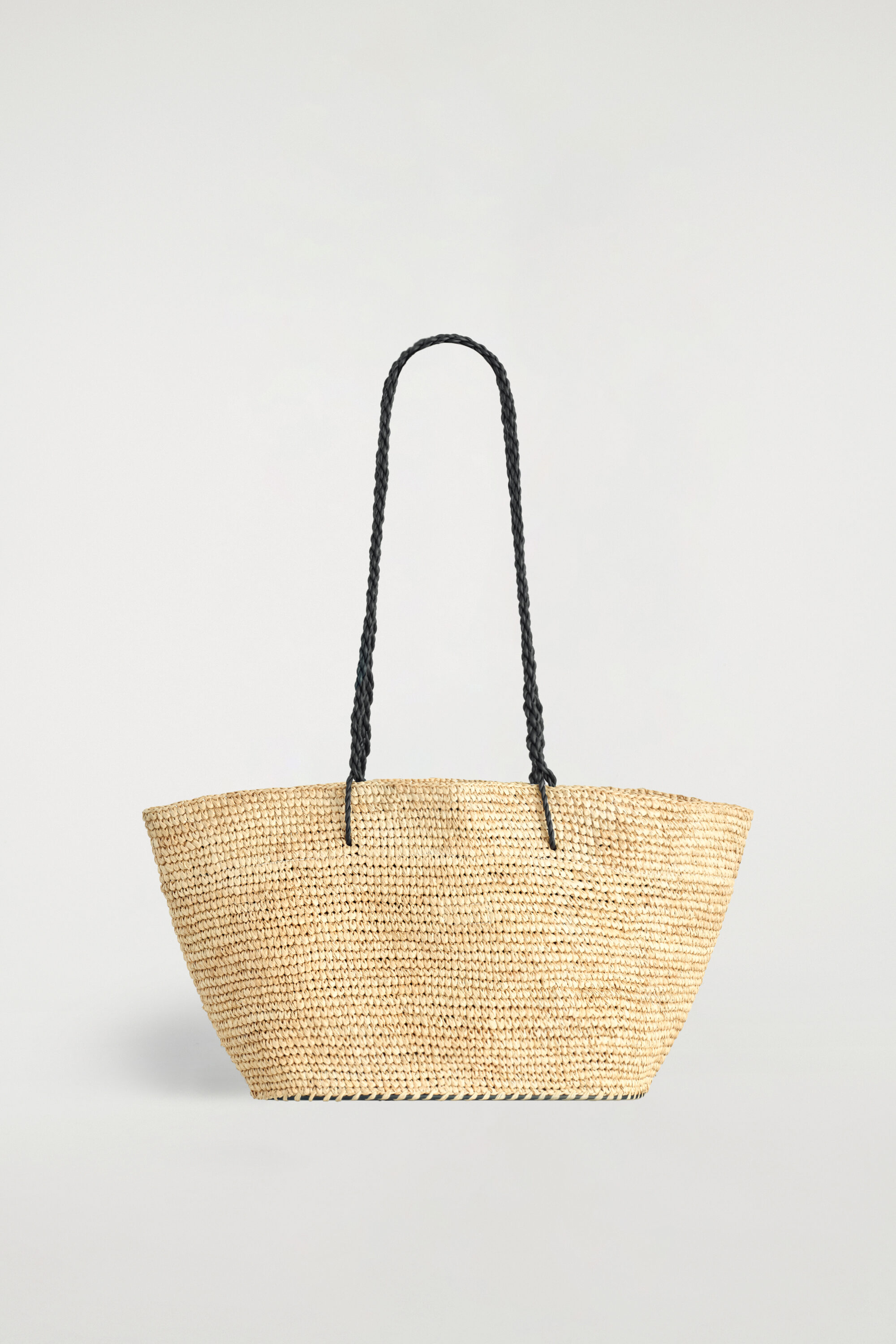
The cyclical nature of fashion is undeniable, but the current resurgence of “quiet luxury” isn’t merely a trend; it’s a recalibration. Articles like "The Most Stylish Women In the World Agree—*These* Are Summer 2026's Chicest Quiet-Luxury Bags" signal a deeper shift away from ostentatious displays of wealth and towards a more understated, enduring elegance. This isn’t about rejecting luxury entirely, but rather redefining it. It’s about investment pieces, impeccable craftsmanship, and a sense of self-assuredness that doesn't require constant validation through logos or fleeting trends. The emphasis is on quality over quantity, a philosophy that resonates with a growing desire for mindful consumption and a rejection of the disposable culture that has characterized so much of recent fashion history. Consider, for instance, the enduring appeal of simple, effective skincare routines as highlighted in [From Athens to Sicily, Mediterranean Skincare Enthusiasts Swear by These Regional Skincare Products], demonstrating a parallel appreciation for authenticity and understated efficacy across categories.
The article's focus on raffia, woven leather, and soft neutrals further reinforces this aesthetic. These materials evoke a sense of natural beauty, effortless ease, and a connection to artisanal traditions. They speak to a lifestyle less dictated by rigid schedules and more attuned to moments of leisure and connection—long lunches, weekends away, holidays. This echoes the broader cultural move towards prioritizing experiences over possessions, and finding joy in the simple pleasures. We’ve also noticed a subtle rejection of certain footwear trends, with a preference for elegant flats over trainers, as observed in [Not Trainers: The Elegant Anti-Trend Flats Fashion People at the Airport Are Wearing With Drawstring Trousers], showcasing a desire for refinement even in travel-oriented style. The quiet luxury movement isn’t about being boring; it's about cultivating a personal style that transcends fleeting fads and reflects a deeper understanding of oneself and one's values. It’s about choosing pieces that tell a story, rather than simply broadcasting a brand name.
This development has significant implications for the fashion industry. Brands that traditionally relied on logo-mania and aggressive marketing tactics will need to adapt to this new landscape. The focus will shift to storytelling, craftsmanship, and building a genuine connection with consumers. Transparency and ethical sourcing will become increasingly important, as consumers become more discerning and demand to know the origins of their purchases. The rise of the “founder-as-muse” archetype—where brand creators embody the values and aesthetic of their brand—becomes even more pronounced in this context. Authenticity isn't a marketing tactic anymore; it's a prerequisite. The quiet luxury narrative requires brands to embody a lifestyle, to be more than just purveyors of goods, but curators of a feeling, a mood, an aspiration. Even the comeback of a "dated" trend, as highlighted in [Sofia Richie Just Wore the “Dated” Trainer Trend That’s Actually +209% In Sales Right Now], demonstrates the power of individual style over adherence to a prescribed aesthetic – a sentiment perfectly aligned with the quiet luxury ethos.
Ultimately, the enduring appeal of quiet luxury suggests a broader societal yearning for stability and authenticity in a world often characterized by chaos and artificiality. It’s a quiet rebellion against the constant pressure to consume and to project an image of perfection. It’s a return to timelessness, to quality, and to a deeper appreciation for the things that truly matter. As we look ahead, the question becomes: how will this aesthetic evolve beyond its current iteration? Will it remain a niche sensibility, or will it become the dominant force in luxury fashion, shaping the way we define style and self-expression for years to come?