Surrealist Imagination Is Shaping Fashion—Here’s How I’m Styling It
Our take
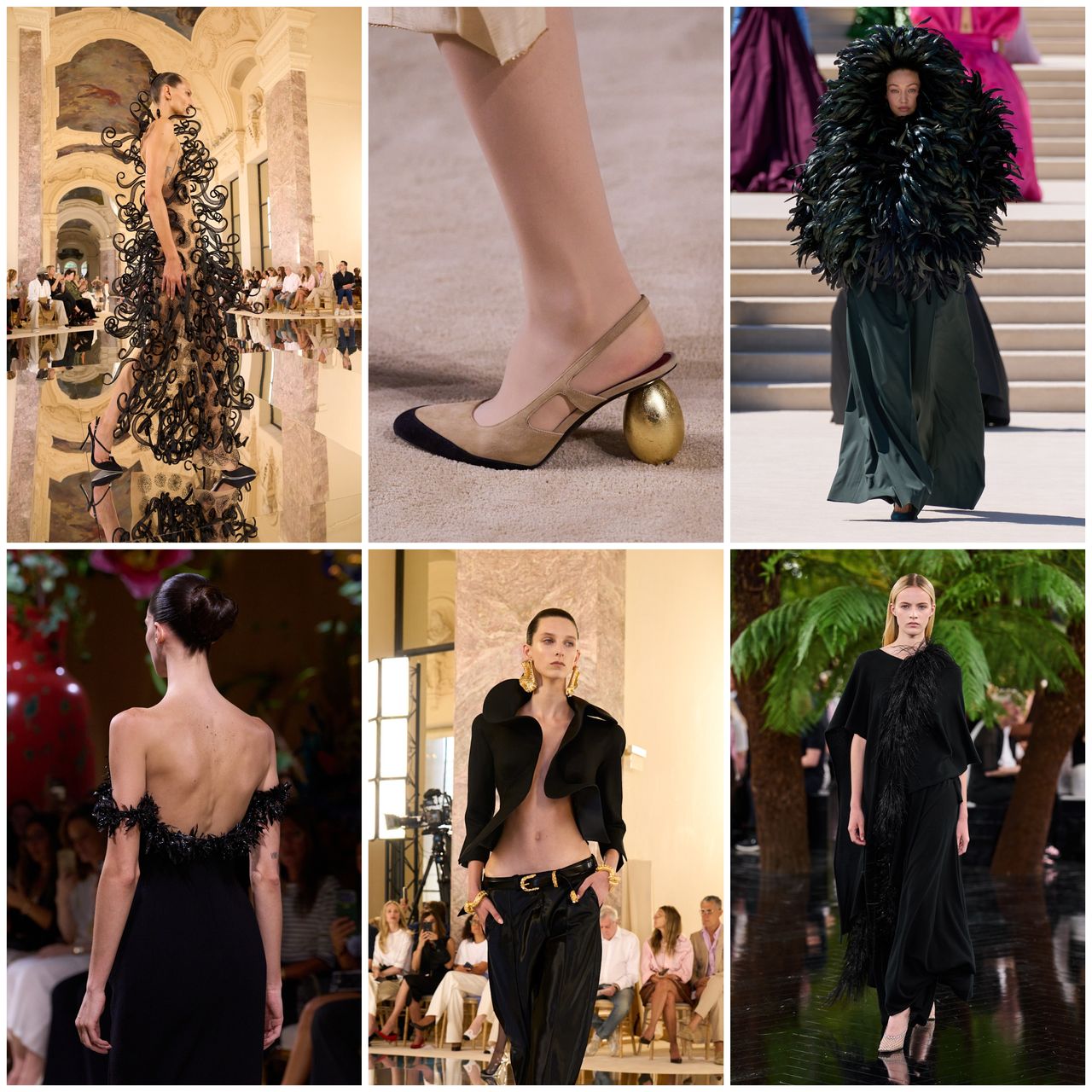
The resurgence of surrealism in fashion, as evidenced by the Fall 2026 Couture collections and now explored in this piece, feels particularly resonant in our current moment. It's a welcome departure from the relentless pursuit of minimalism and the often-overwhelming trends of recent seasons. The movement's roots in challenging conventional reality, born from the explorations of dream states and the unconscious, offer a compelling counterpoint to the increasingly digitized and hyper-rational world we inhabit. It’s interesting to see how this aesthetic is being interpreted alongside more immediate trends, like Kendall Jenner’s revival of summer’s butter yellow trend in a vibrant floral mini dress [/post/kendall-jenner-reinvigorates-summer-2026-s-butter-yellow-tre-cmsaoh0k000cdmi9zaihzjodu], proving that seemingly disparate styles can find surprising harmony. The visual language of surrealism – the unexpected juxtapositions, the distorted perspectives, the dreamlike imagery – allows for a level of creative expression that feels both liberating and deeply personal.
What's particularly compelling about this return isn't simply the aesthetic itself, but the underlying philosophy it represents. Surrealism, at its core, is about disrupting the expected and embracing the illogical. This translates beautifully into fashion, allowing designers and individuals alike to experiment with form, texture, and silhouette in ways that defy categorization. Consider the way unexpected pairings – a tailored coat with a whimsical print, a structured dress with an asymmetrical detail – can create a sense of intrigue and visual poetry. This mirrors a broader cultural shift towards valuing individuality and self-expression over conformity. It’s a space where embracing the unconventional feels not just permissible, but desirable. The current exploration of the boho look through the wedge trend [/post/summer-isn-t-over-yet-here-s-how-i-m-wearing-the-wedge-trend-cmsaogrhf00brmi9zc9fzekpj] shows a similar desire for a certain freedom and rejection of strict rules, even if the aesthetic is quite different. The influence of historical figures like Dalí and Magritte, whose work continues to captivate and inspire, underscores the enduring power of surrealism to challenge our perceptions and ignite our imaginations.
The impact of this trend extends beyond the runway and into personal style. It’s not about replicating specific surrealist artworks, but rather about channeling the spirit of the movement – the sense of playfulness, the willingness to experiment, the embrace of the unexpected. Styling surrealist-inspired pieces requires a delicate balance; it's about incorporating elements of the aesthetic without veering into costume territory. A single, thoughtfully chosen accessory – a sculptural earring, a printed scarf – can be enough to add a touch of surrealism to an otherwise classic ensemble. The key is to approach it with intention and a sense of quiet confidence, allowing the pieces to speak for themselves. Even the recent shifts in royal family popularity [/post/an-unexpected-royal-just-beat-princess-kate-in-the-latest-ro-cmsaogi1c00bdmi9zz73ppjk8] demonstrate the public’s evolving interest in unexpected narratives and unconventional figures – a parallel that further highlights the cultural relevance of surrealism’s disruptive energy.
Ultimately, the re-emergence of surrealism in fashion signals a desire for something beyond the predictable. It’s a reflection of our collective yearning for a world that is more imaginative, more playful, and more attuned to the complexities of the human experience. As we move forward, it will be fascinating to see how designers and individuals continue to interpret and adapt this timeless aesthetic, pushing the boundaries of style and challenging our perceptions of beauty. Will this be a fleeting trend, or a lasting influence that reshapes the landscape of fashion for years to come? The quiet confidence and artistic exploration at its core suggest the latter—a subtle, yet profound shift towards a more dreamlike and expressive world of style.
Surrealism emerged in Paris in 1924 with André Breton’s Manifesto of Surrealism. Shaped by dream states, the unconscious, and a desire to challenge conventional reality, the movement was heavily influenced by Sigmund Freud’s theories. Artists including Salvador Dalí, René Magritte, and Max Ernst became some of its most recognizable figures.
I’ve been reading Surreal: The Extraordinary Life of Gala Dalí, which has drawn me further into the origins of the movement and the people who shaped it. I’ve also been immersing myself in the history of Schiaparelli and Coco Chanel, and their respective relationships with Dalí and Surrealism. Most recently, I visited the Dalí exhibition and Di Donna in Manhattan. Next week, I leave for Spain, where I’ll visit the Dalí museum. It feels like a true full-circle moment in what has become something of a personal hyperfixation.
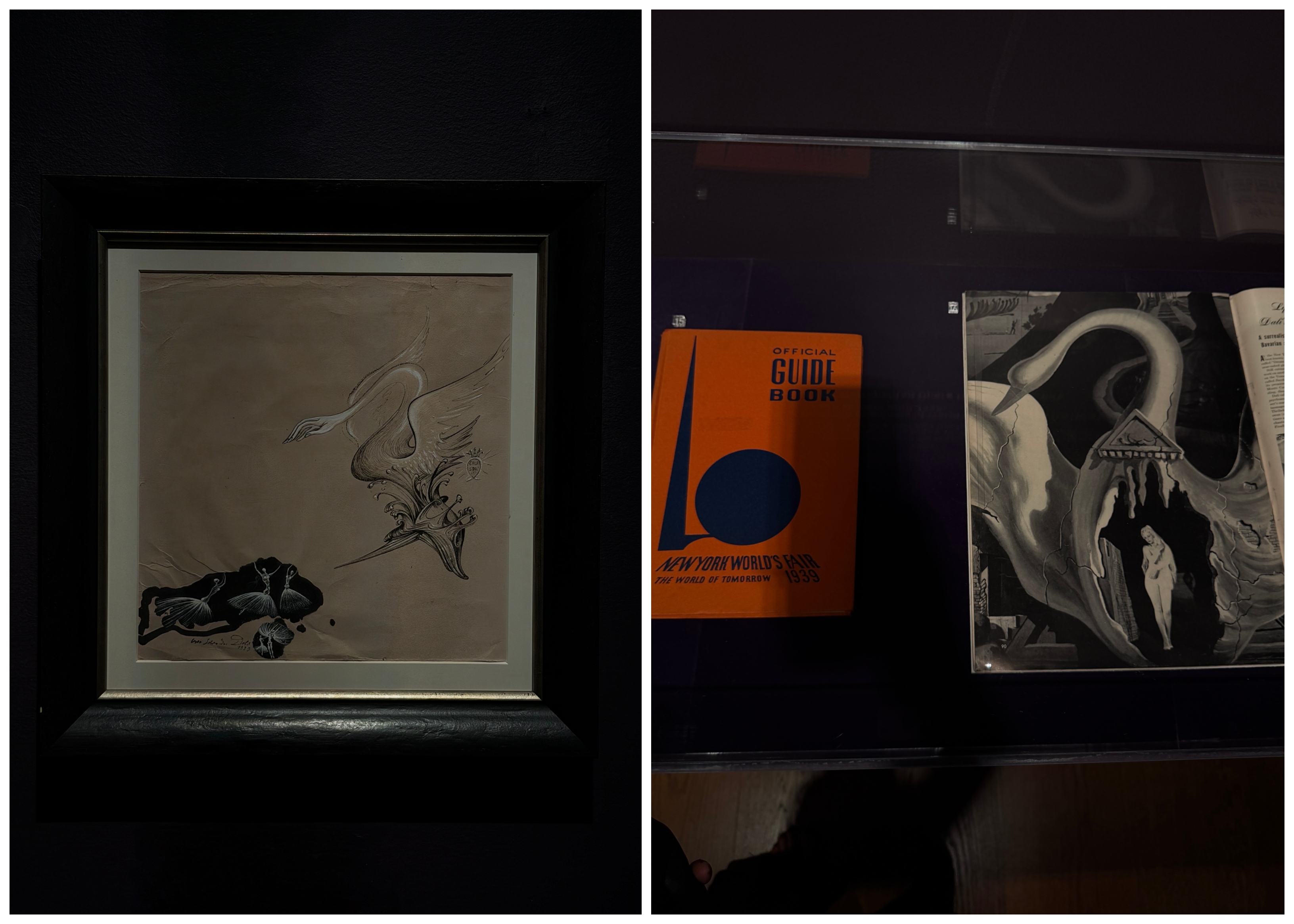
Elsa Schiaparelli first brought Surrealism into haute couture in the 1930s through her collaborations with surrealist artists. Iconic examples from this era include the Lobster Dress and the Shoe Hat. That influence continues in contemporary fashion, as modern designers push the boundaries of wearability, turning the human body into a walking canvas for illusion, sculpture, and fantasy.
My first memories of Schiaparelli were from my grandmother, who had a personal affinity for the house. Often sharing stories with us about her famous music box hat from the Fall 1939 collection that would play actual music. I am still searching for this hat, so far I have found the dress and working music box belt buckle in the Met Museum archive.
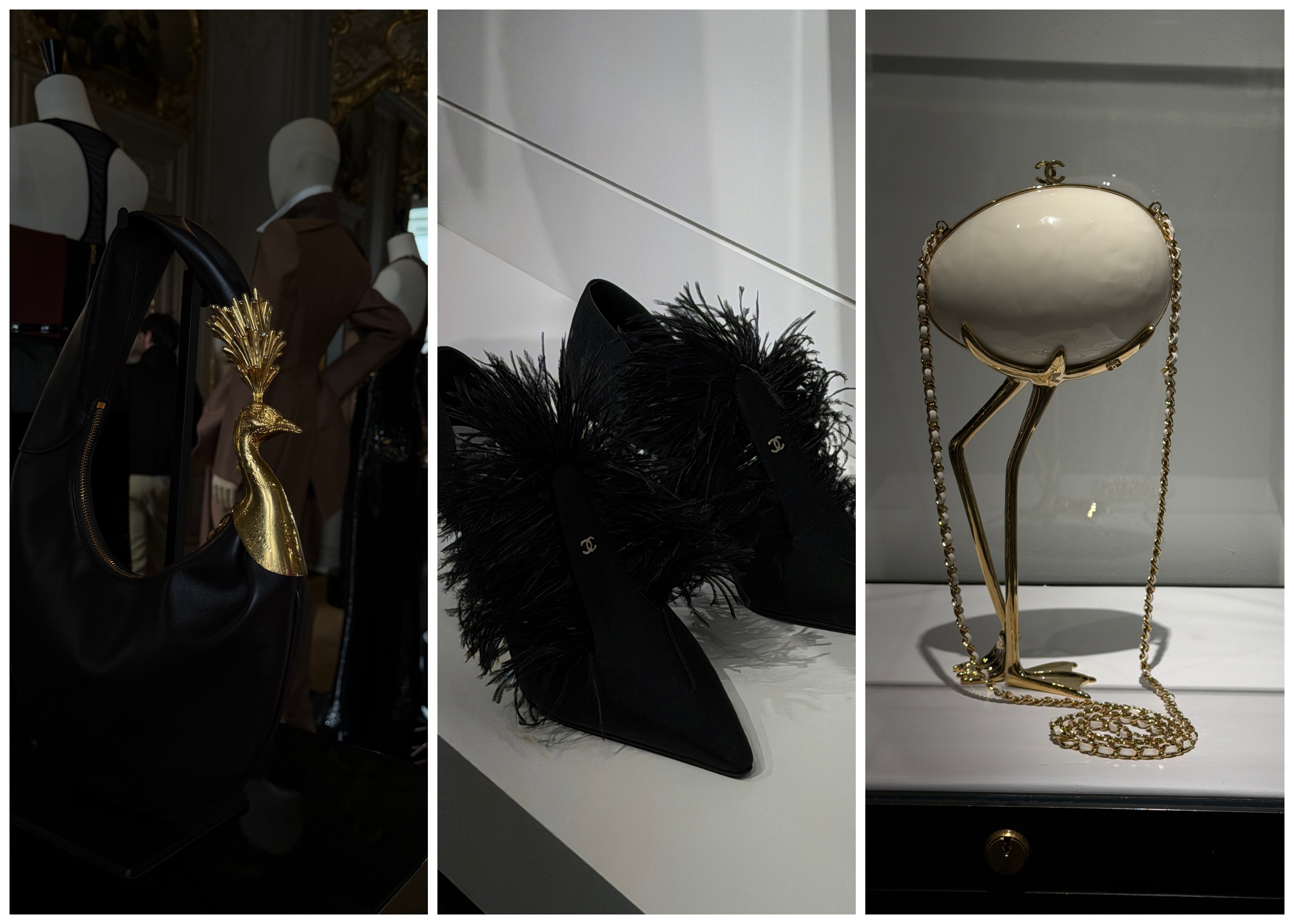
Surrealism in fashion carries a sense of whimsy and subversion through dreamlike motifs, visual illusions, and unexpected forms. This season, those ideas appeared through a new wave of references that moved into surrealist territory.
At Chanel, Jack and the Beanstalk and Jumanji appeared as playful Easter eggs within an enchanted storybook world. Schiaparelli, a house with a longstanding connection to Surrealism, descended into the depths of the ocean with a futuristic vision of the abyss. At Dior, Jonathan Anderson drew inspiration from American artist Lynda Benglis, whose work blurs the boundaries between painting, sculpture, and material. Together, the collections suggest that fantasy, art, and a more surreal imagination will continue to shape the seasons ahead.
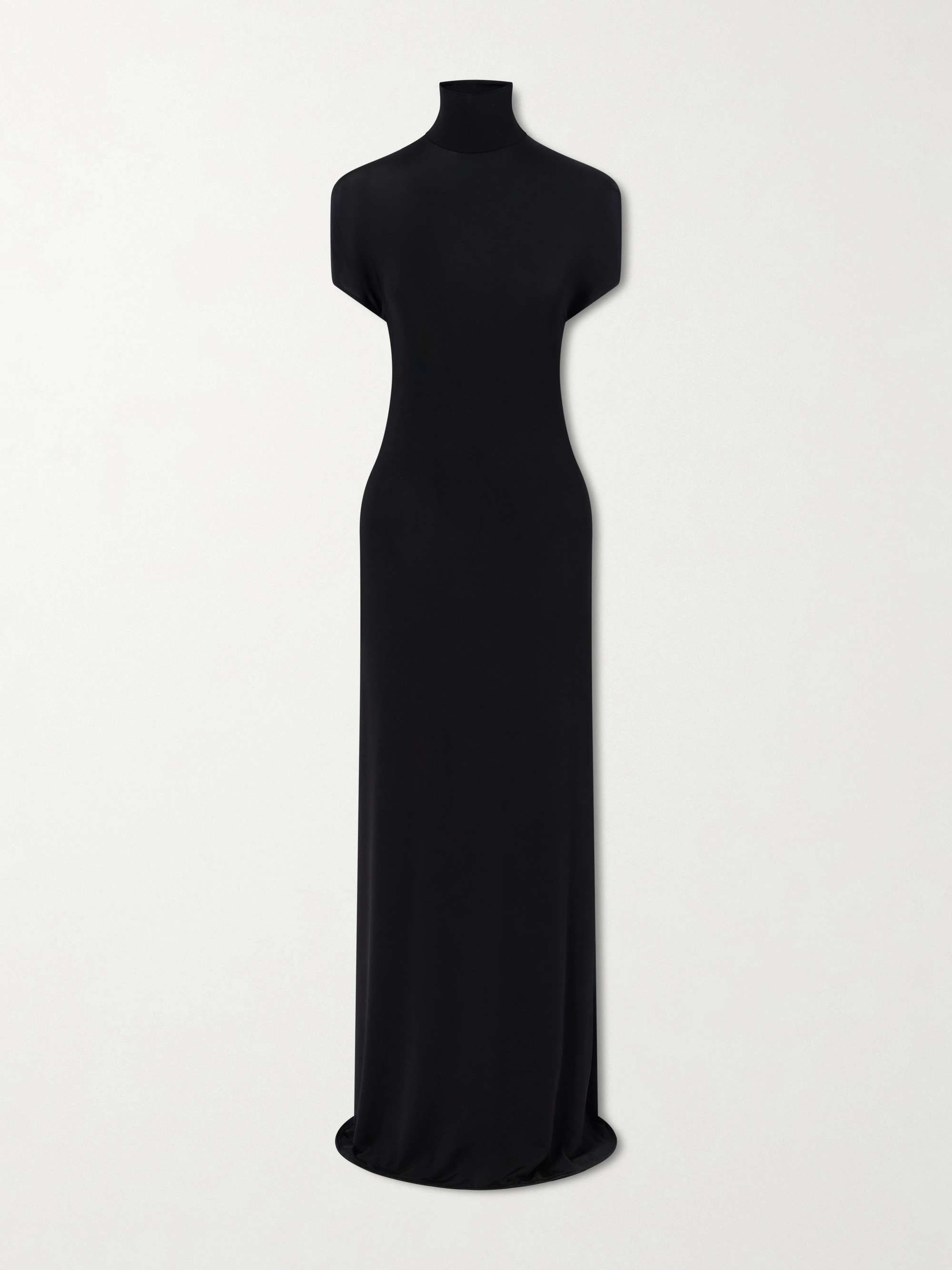
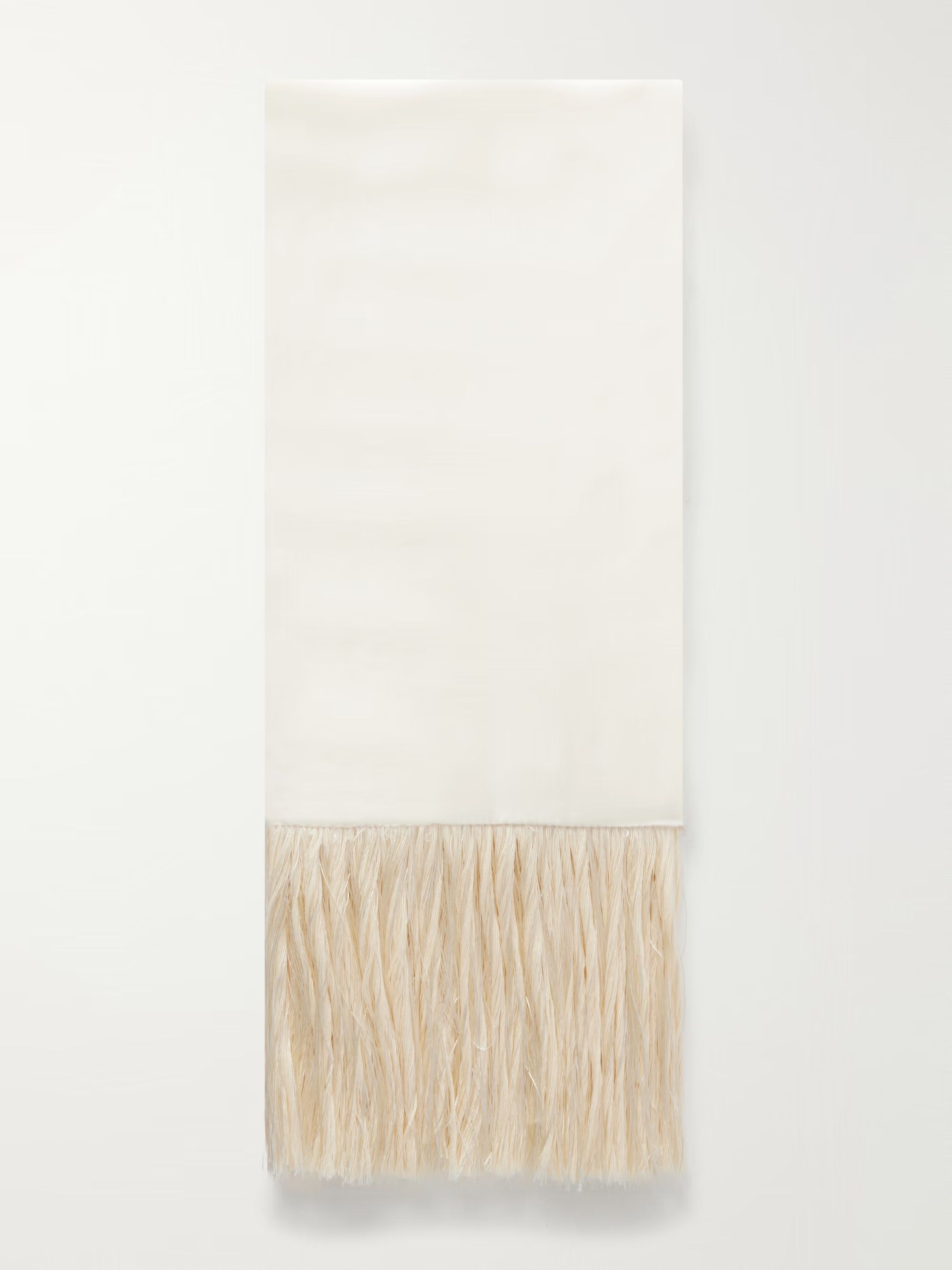
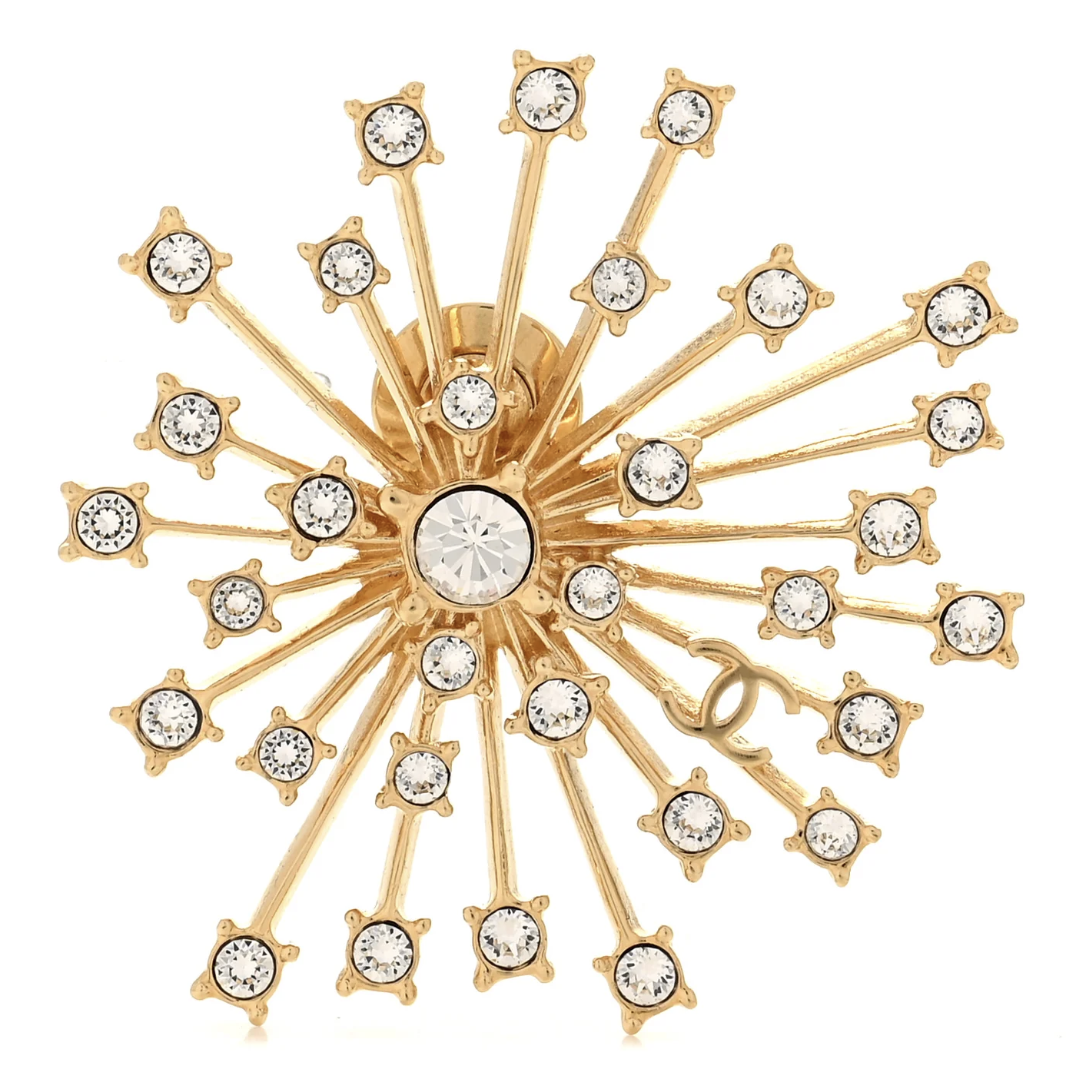
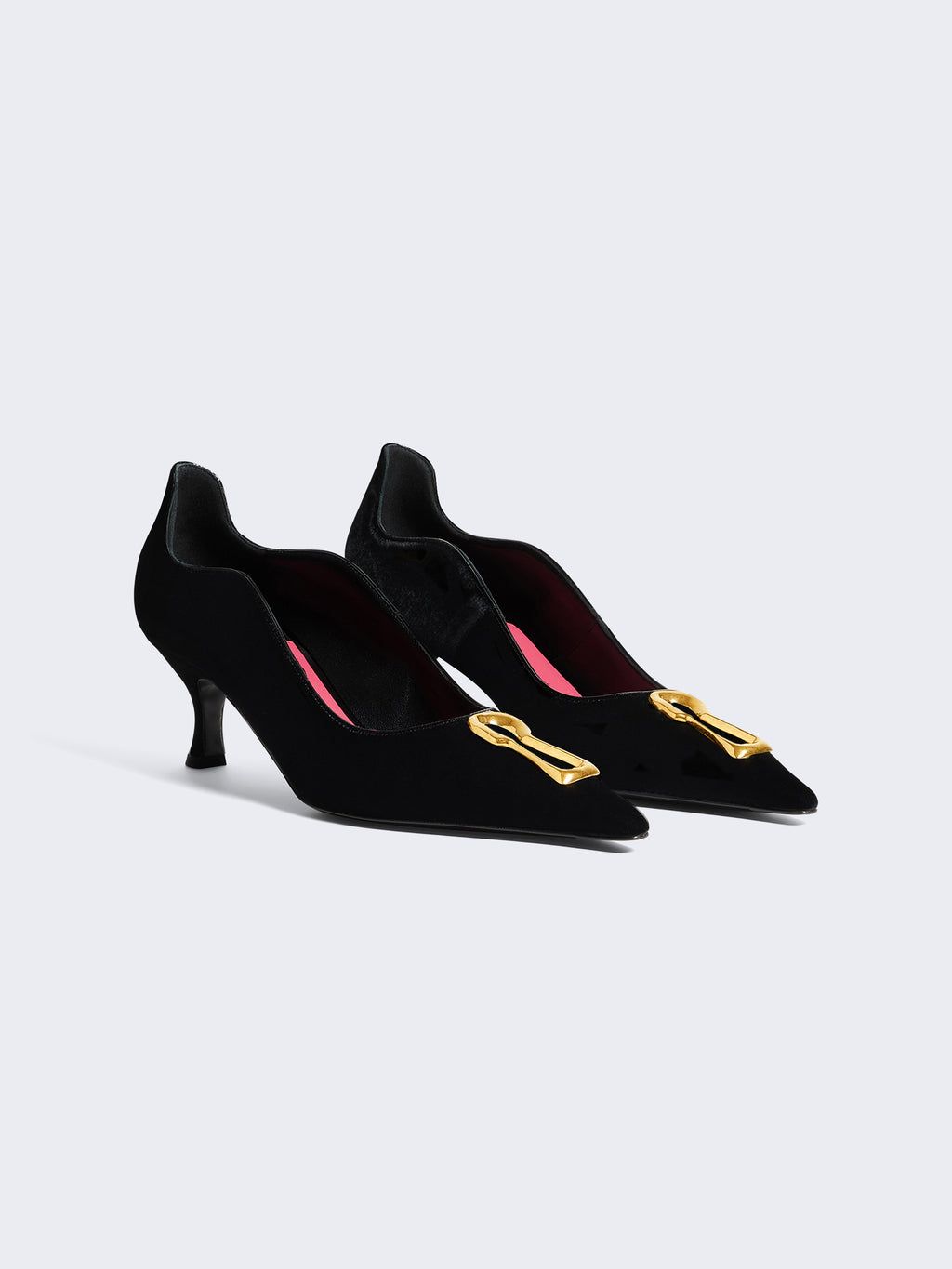
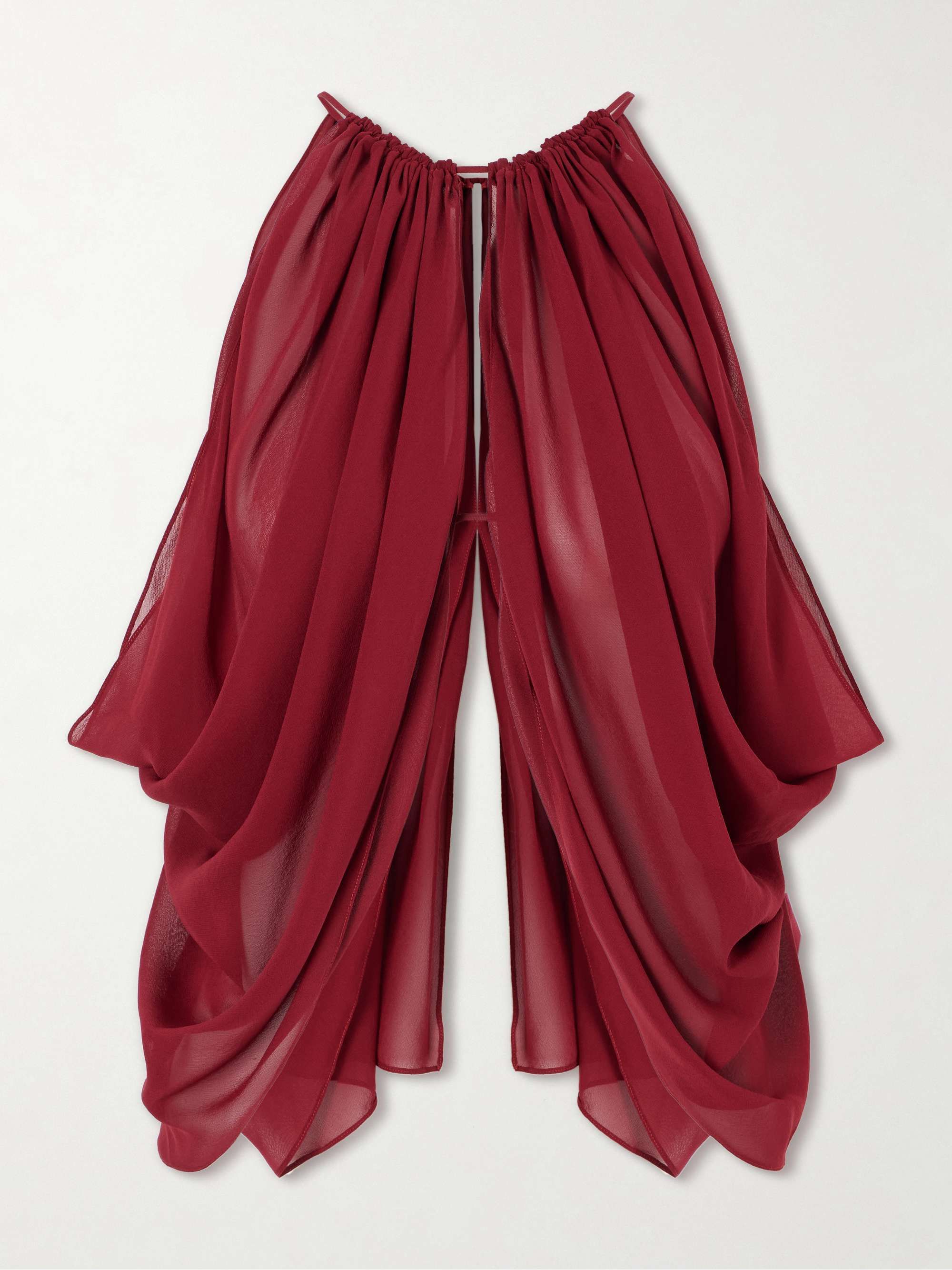
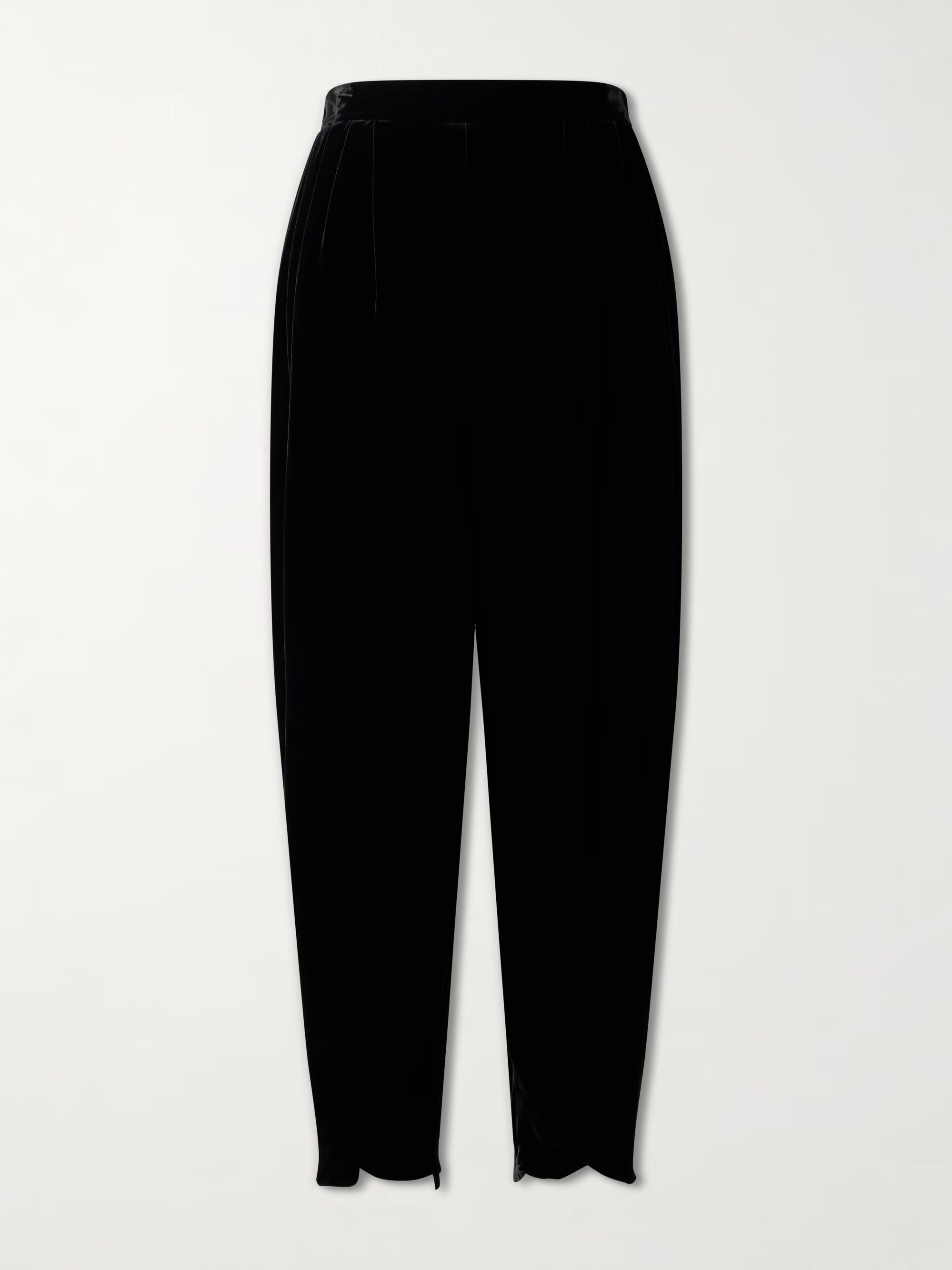
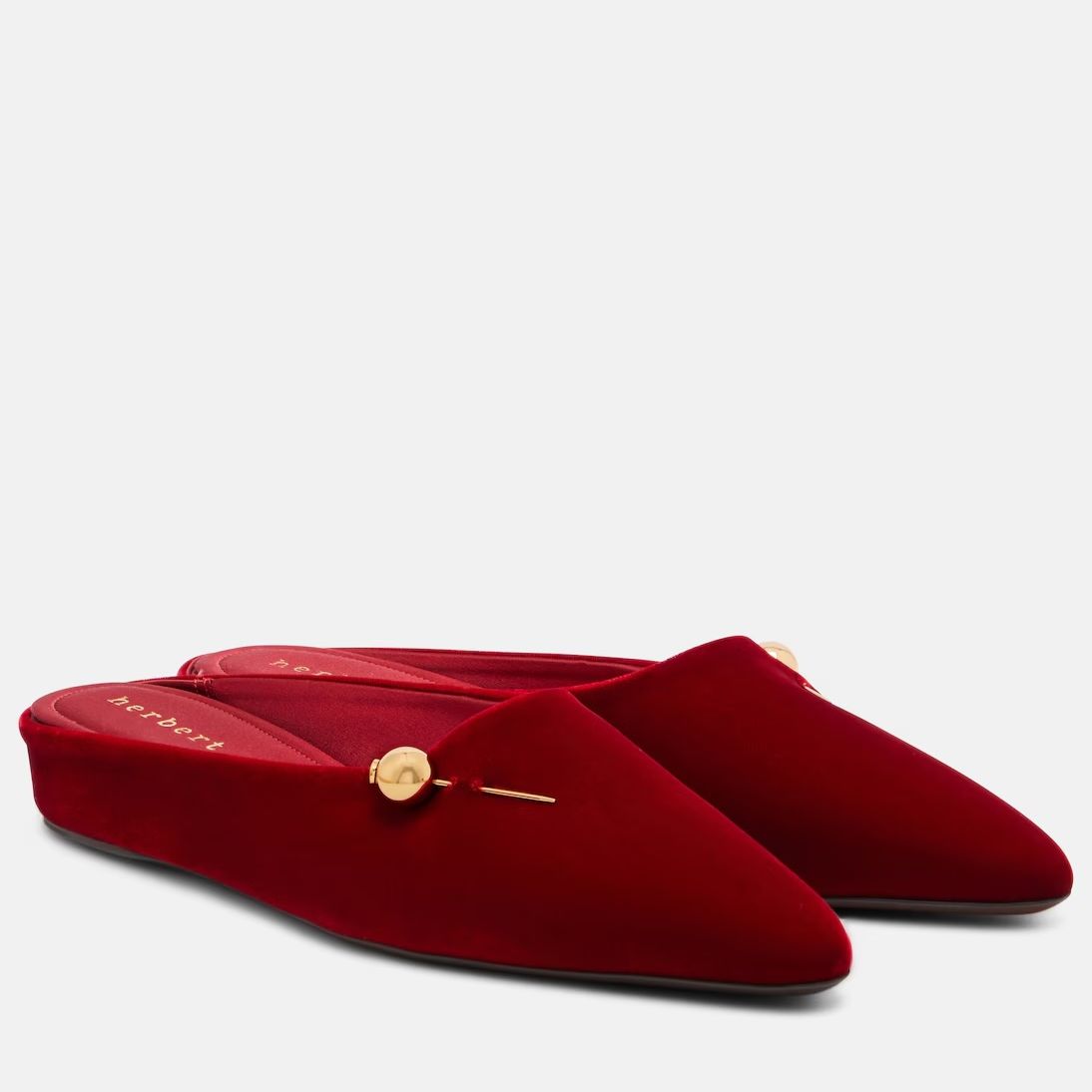
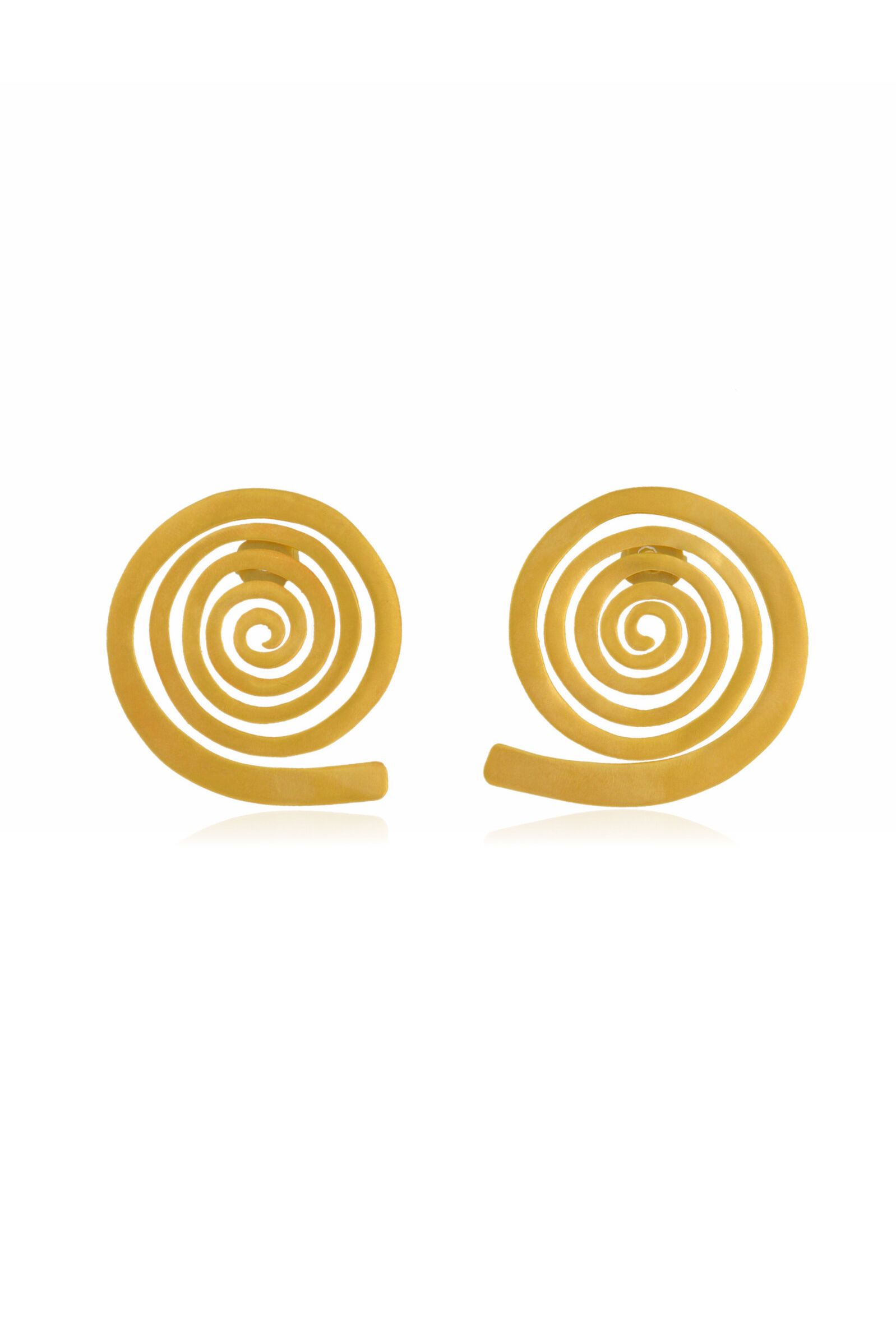
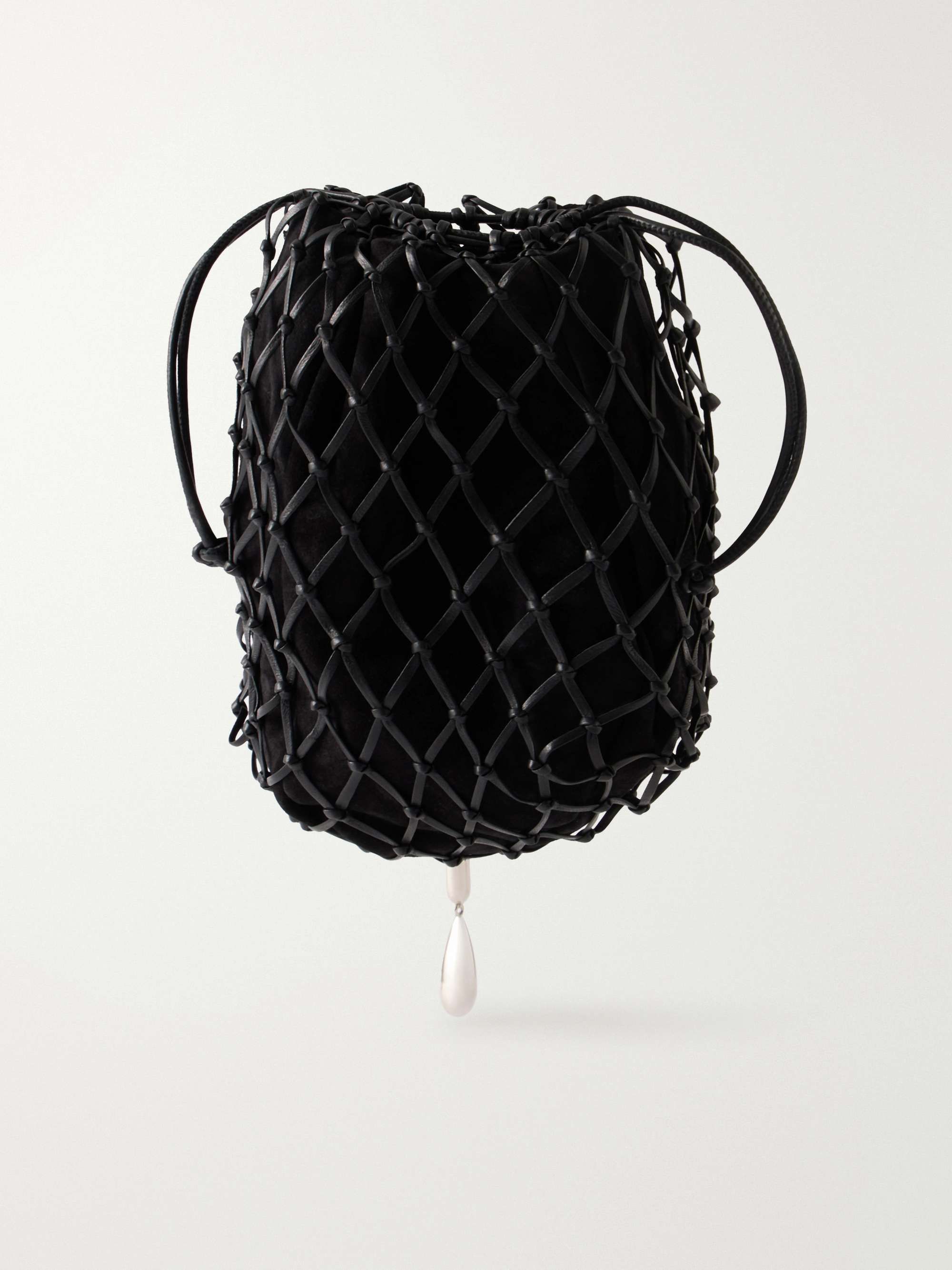
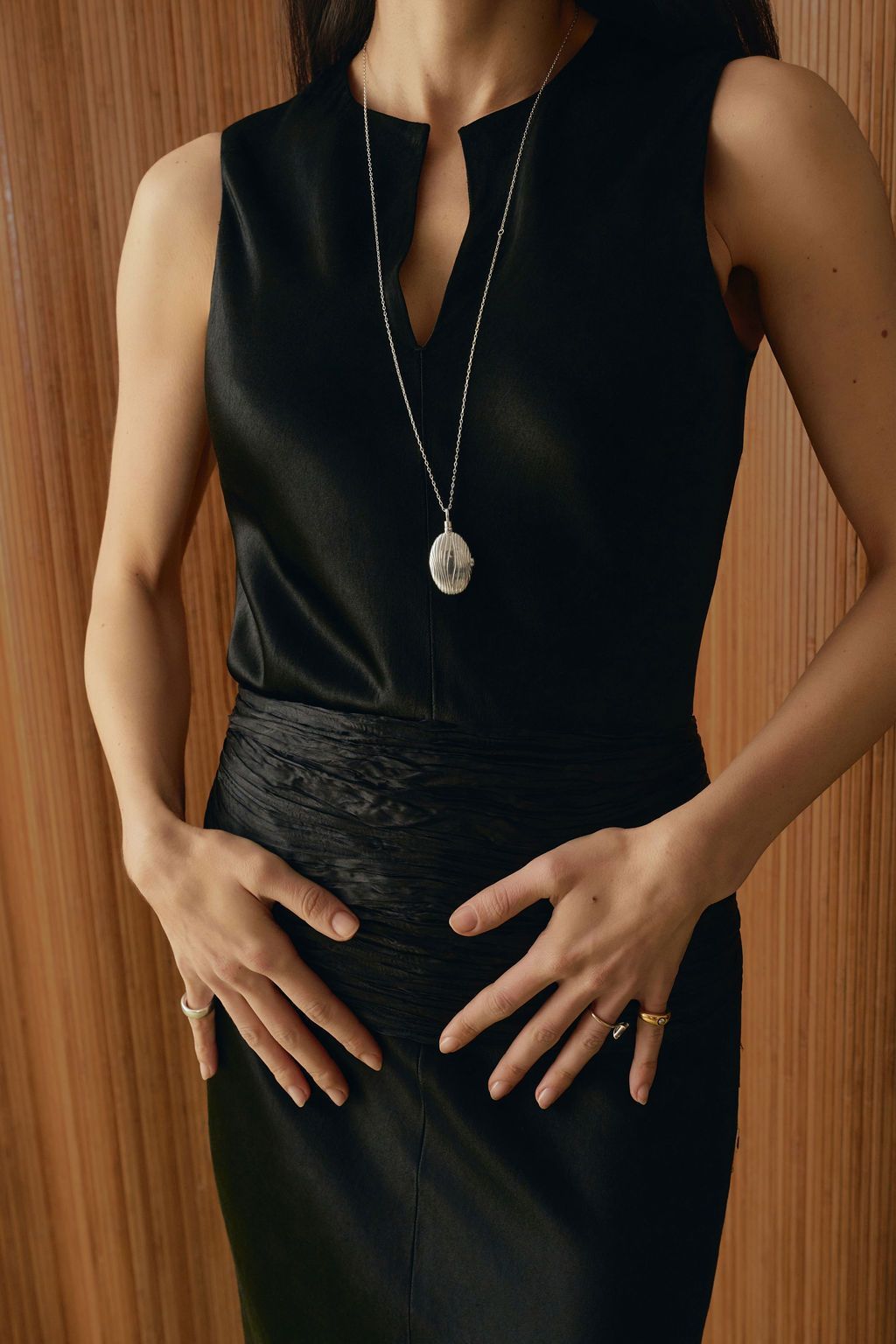
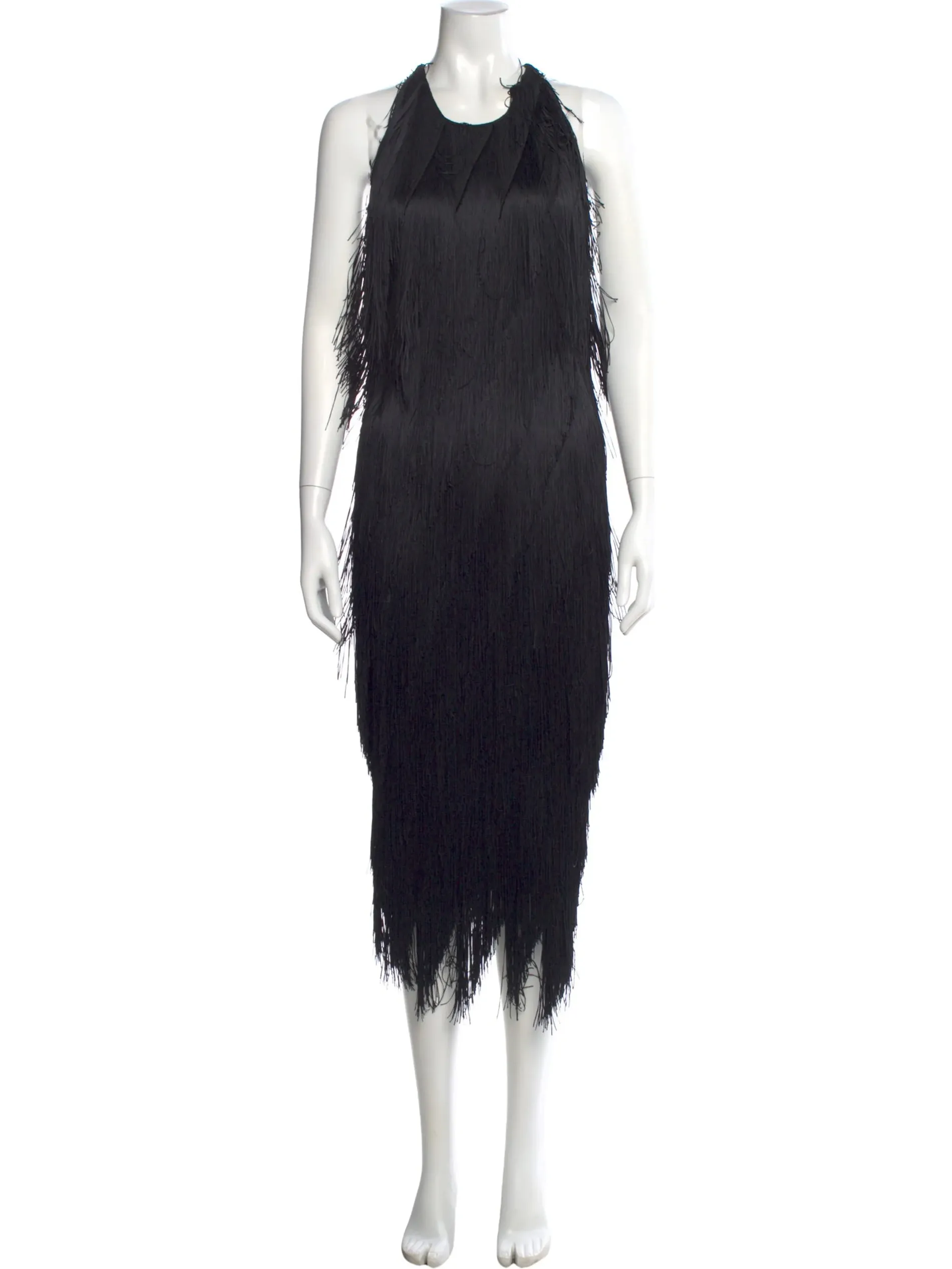
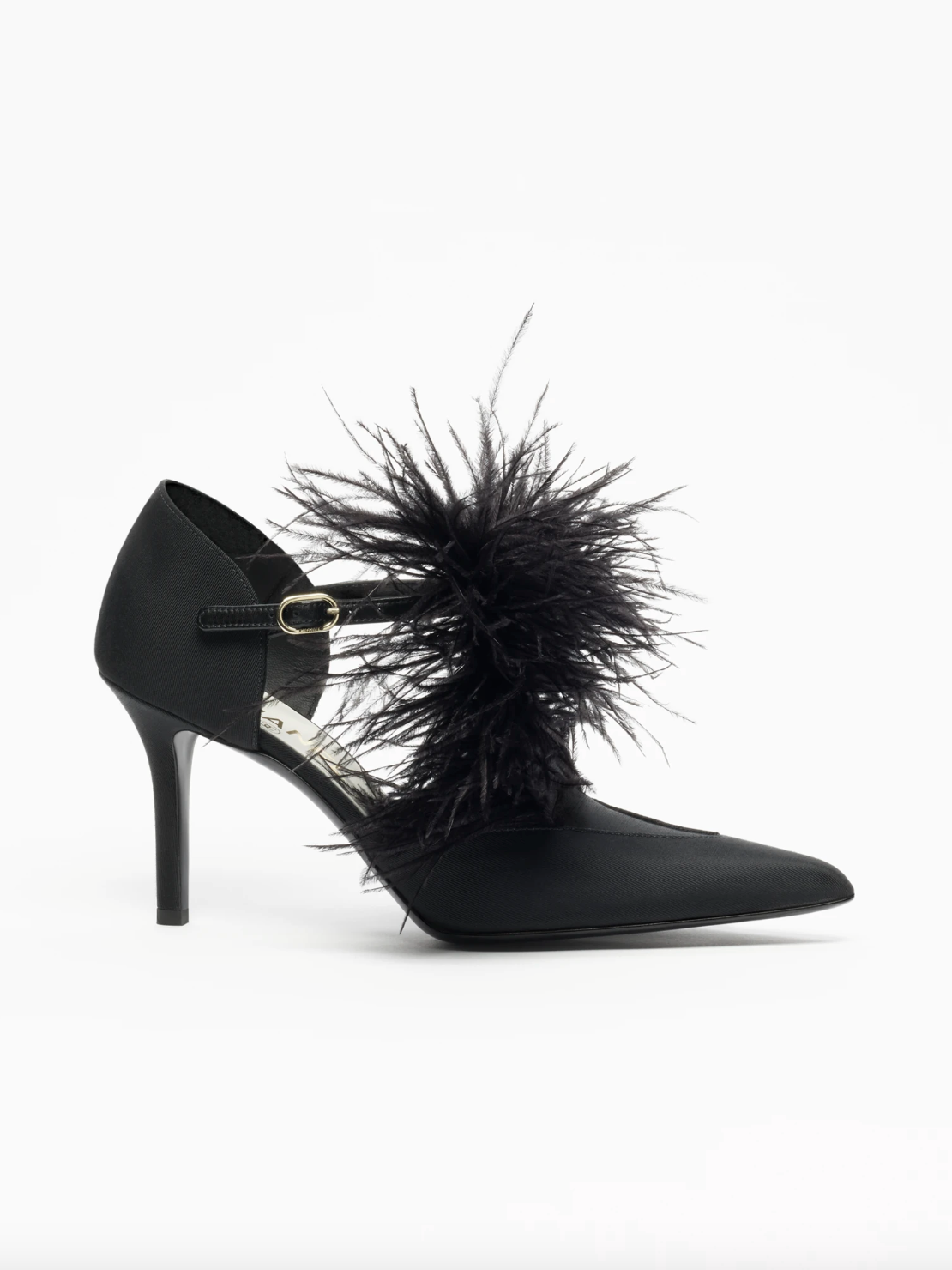
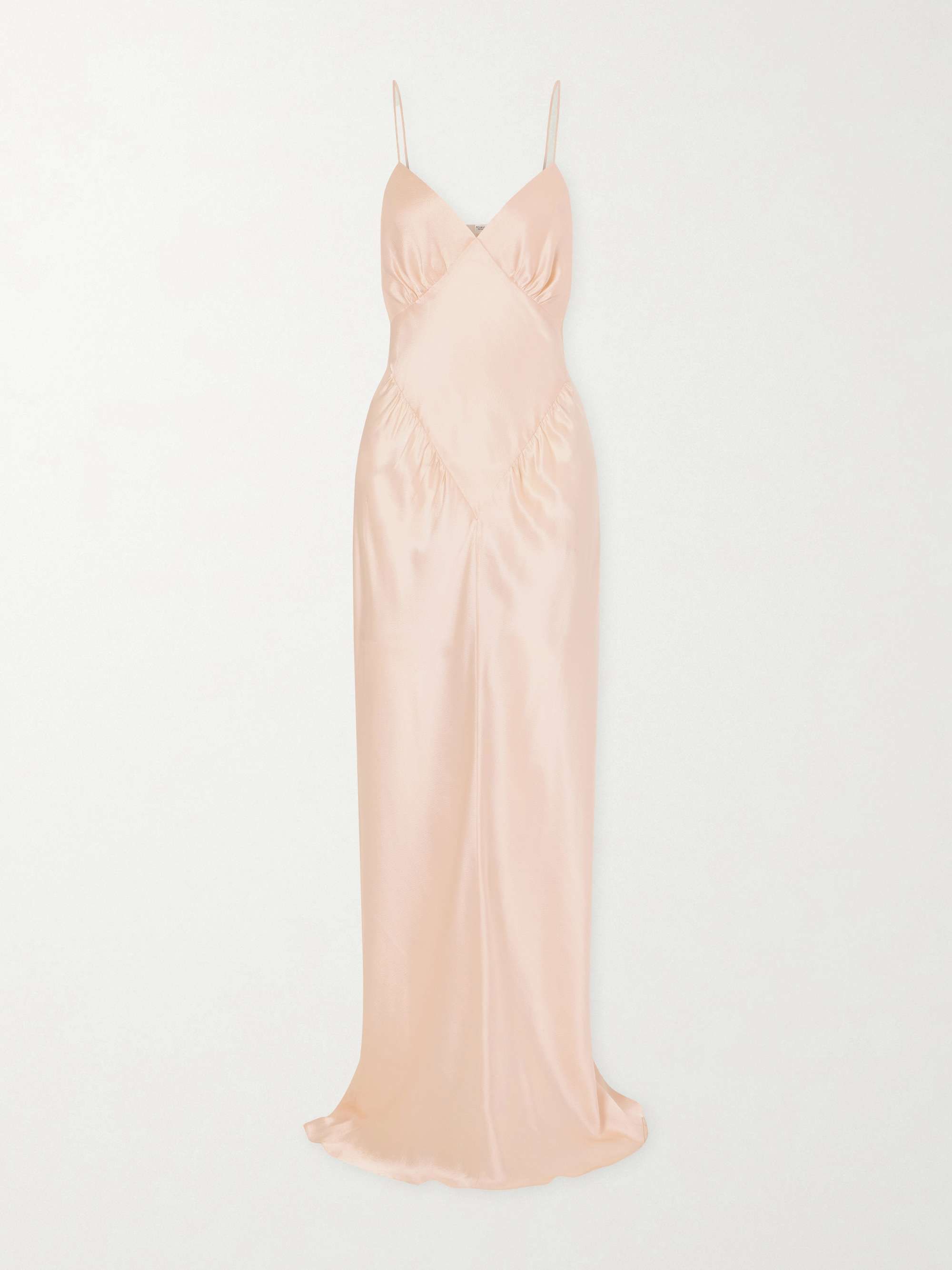
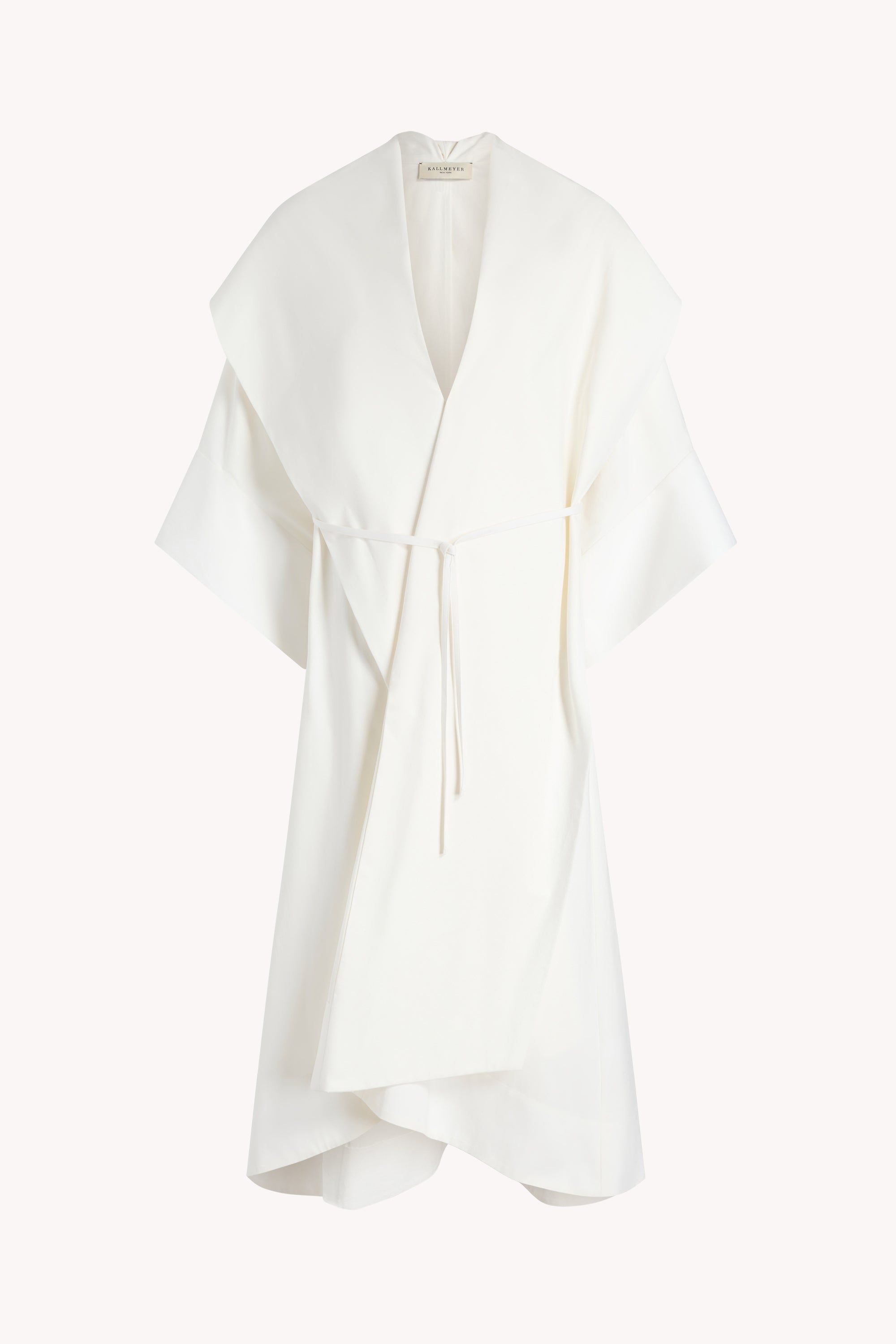
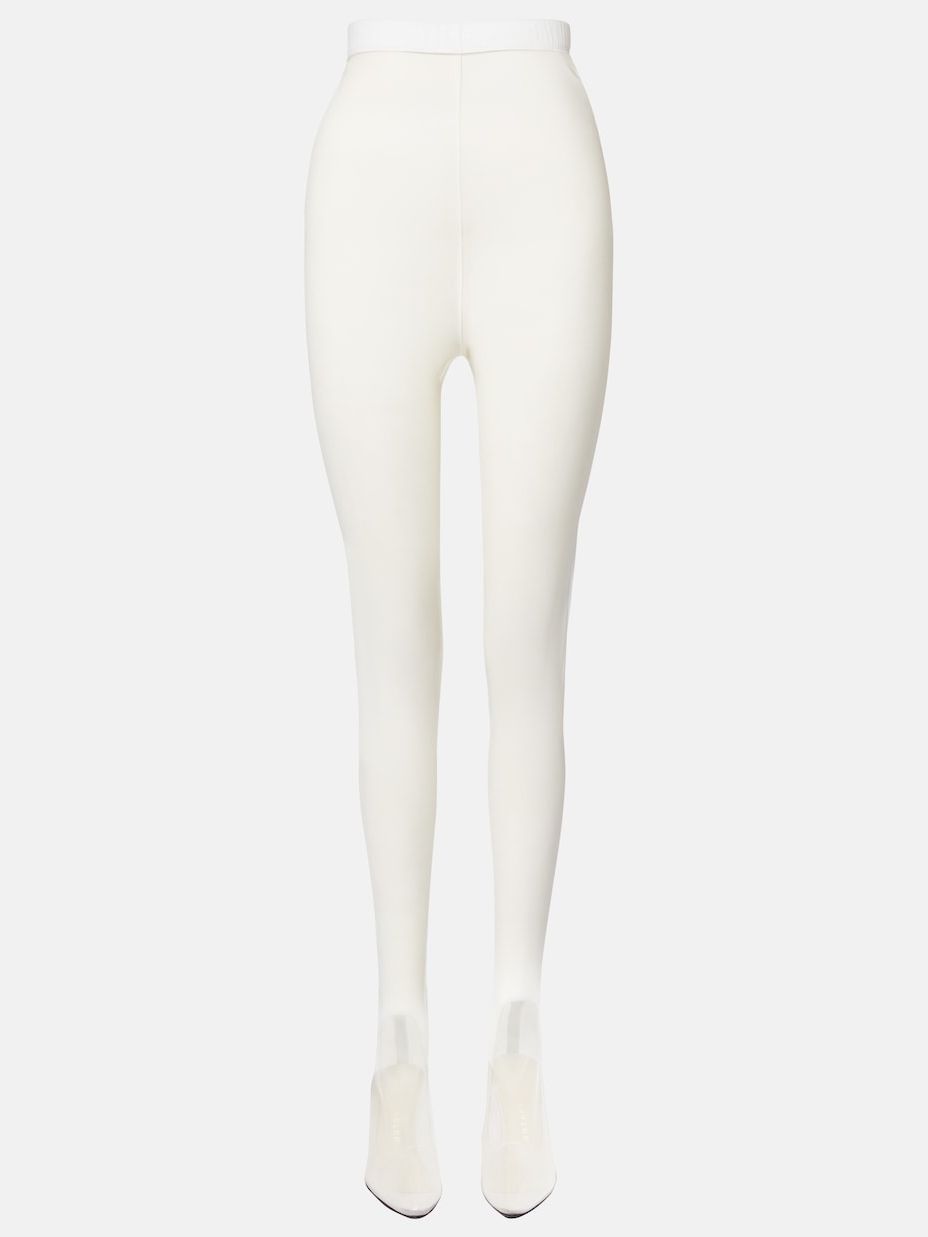
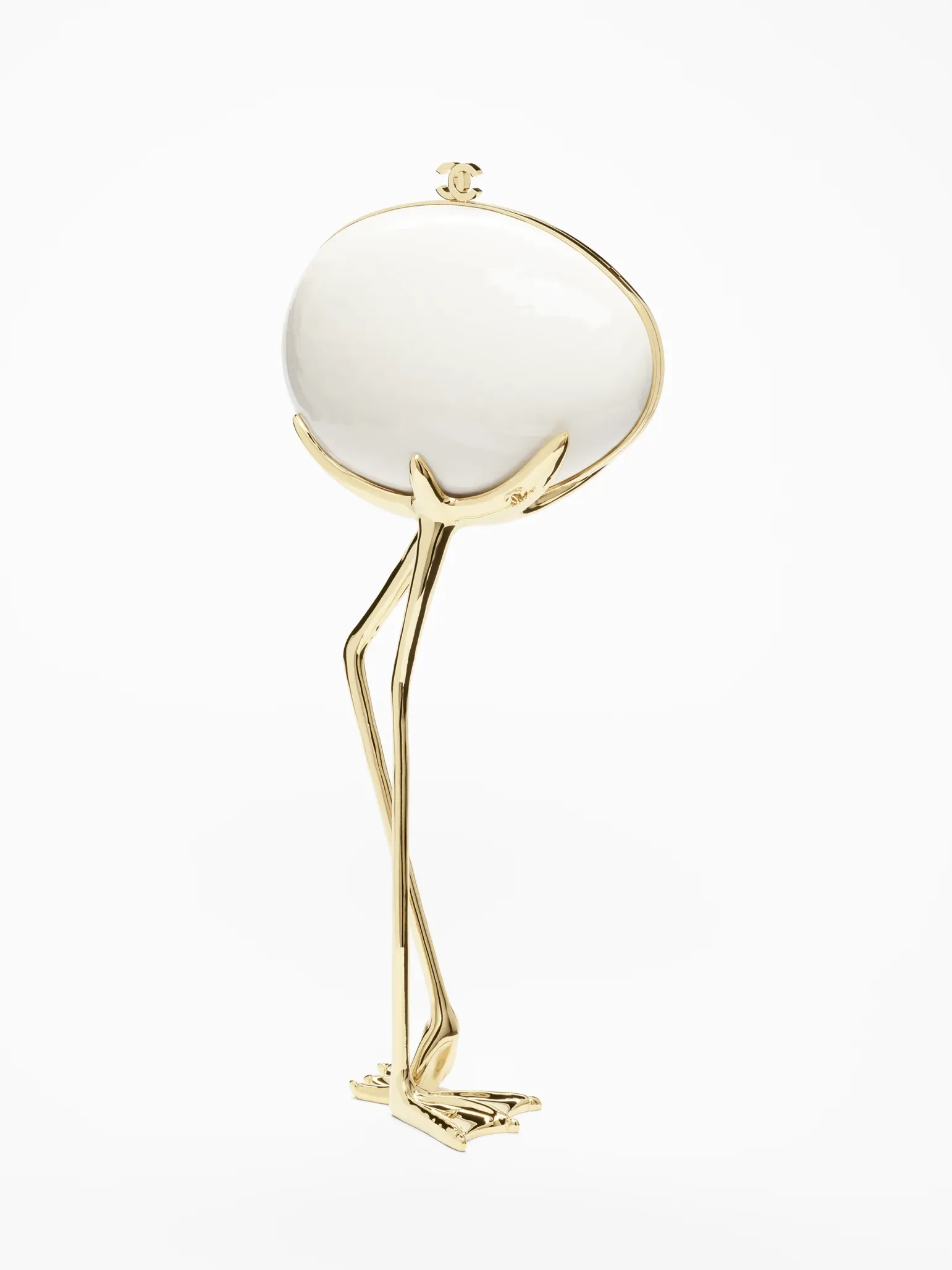
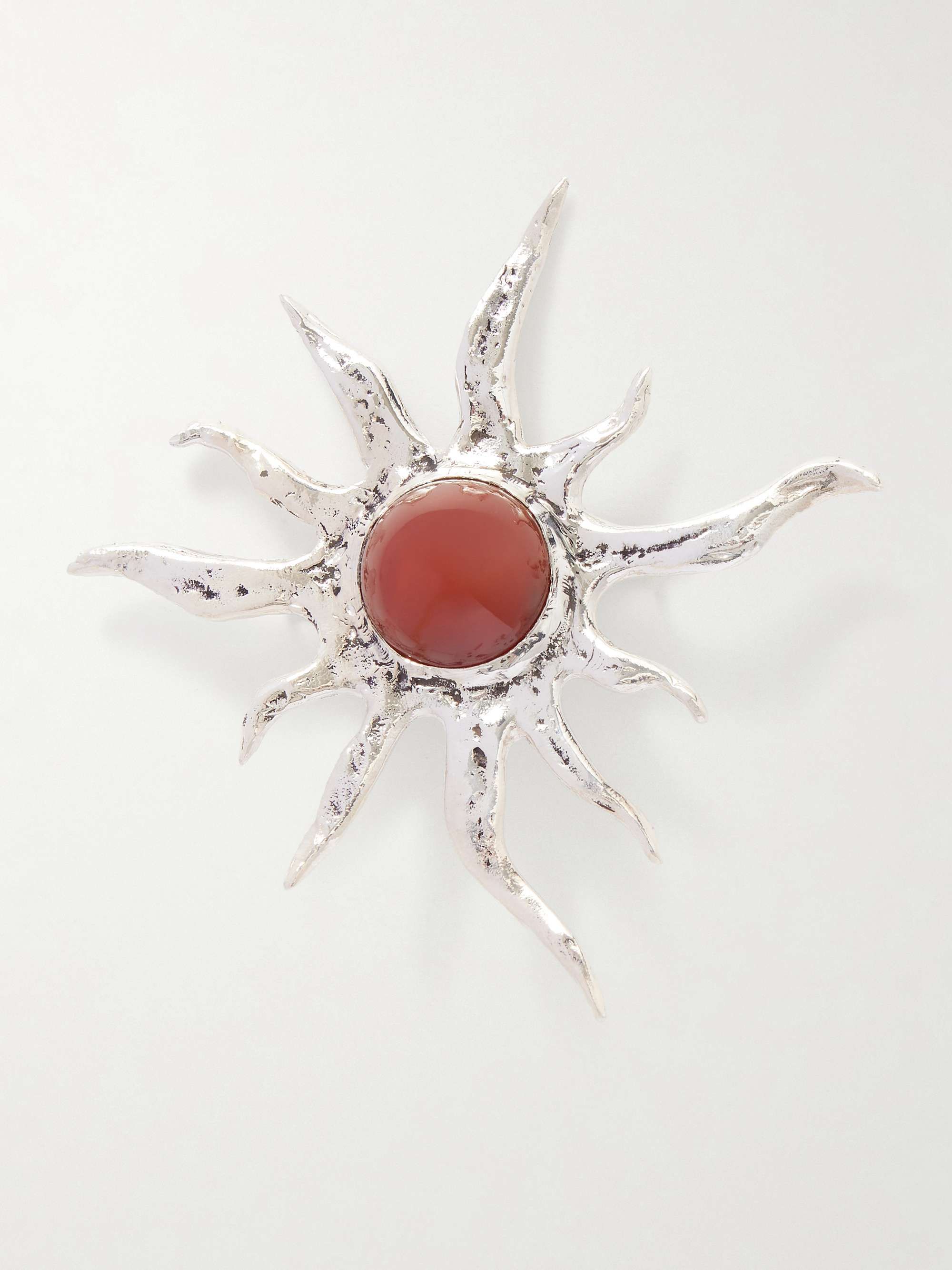
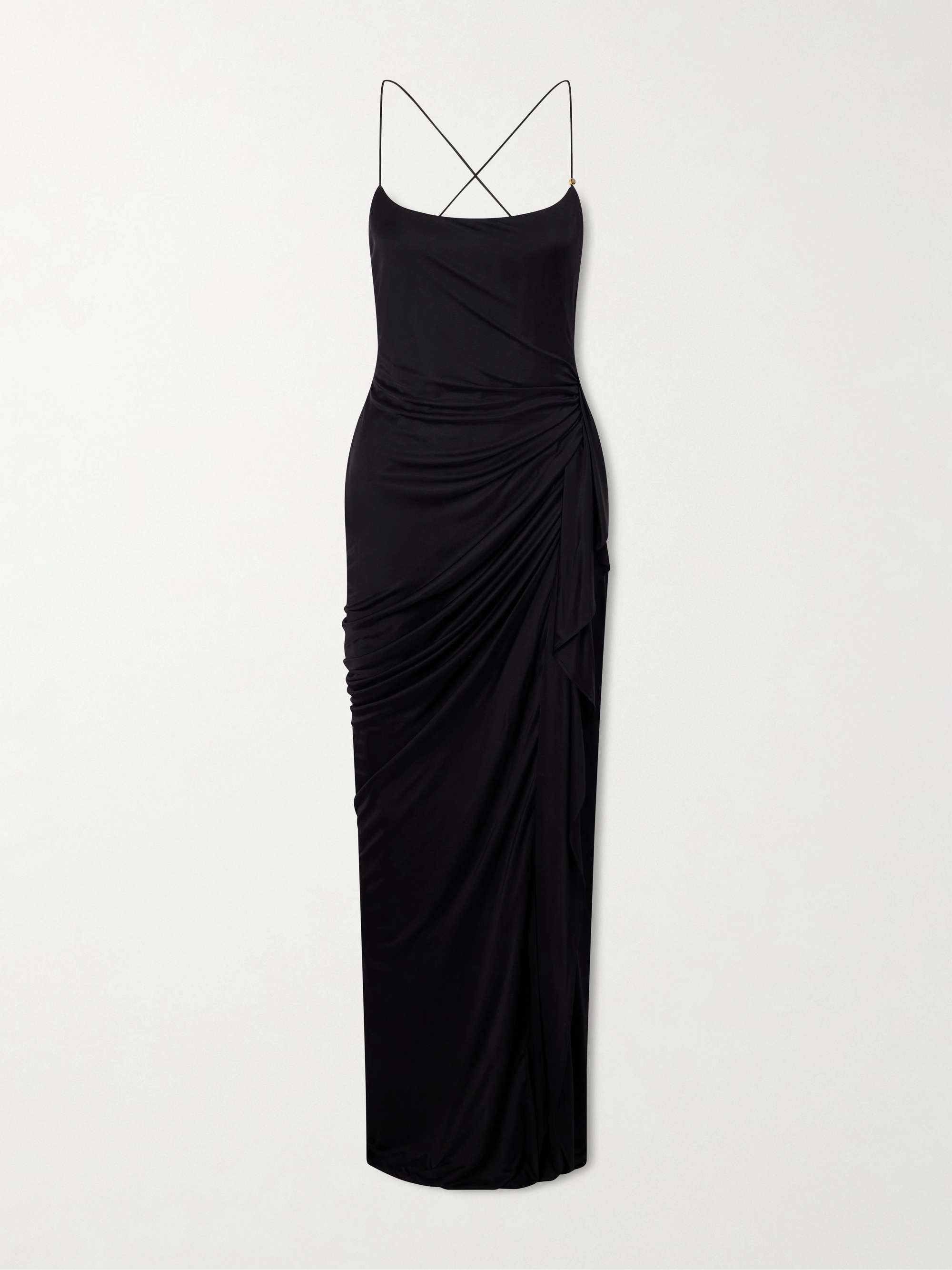
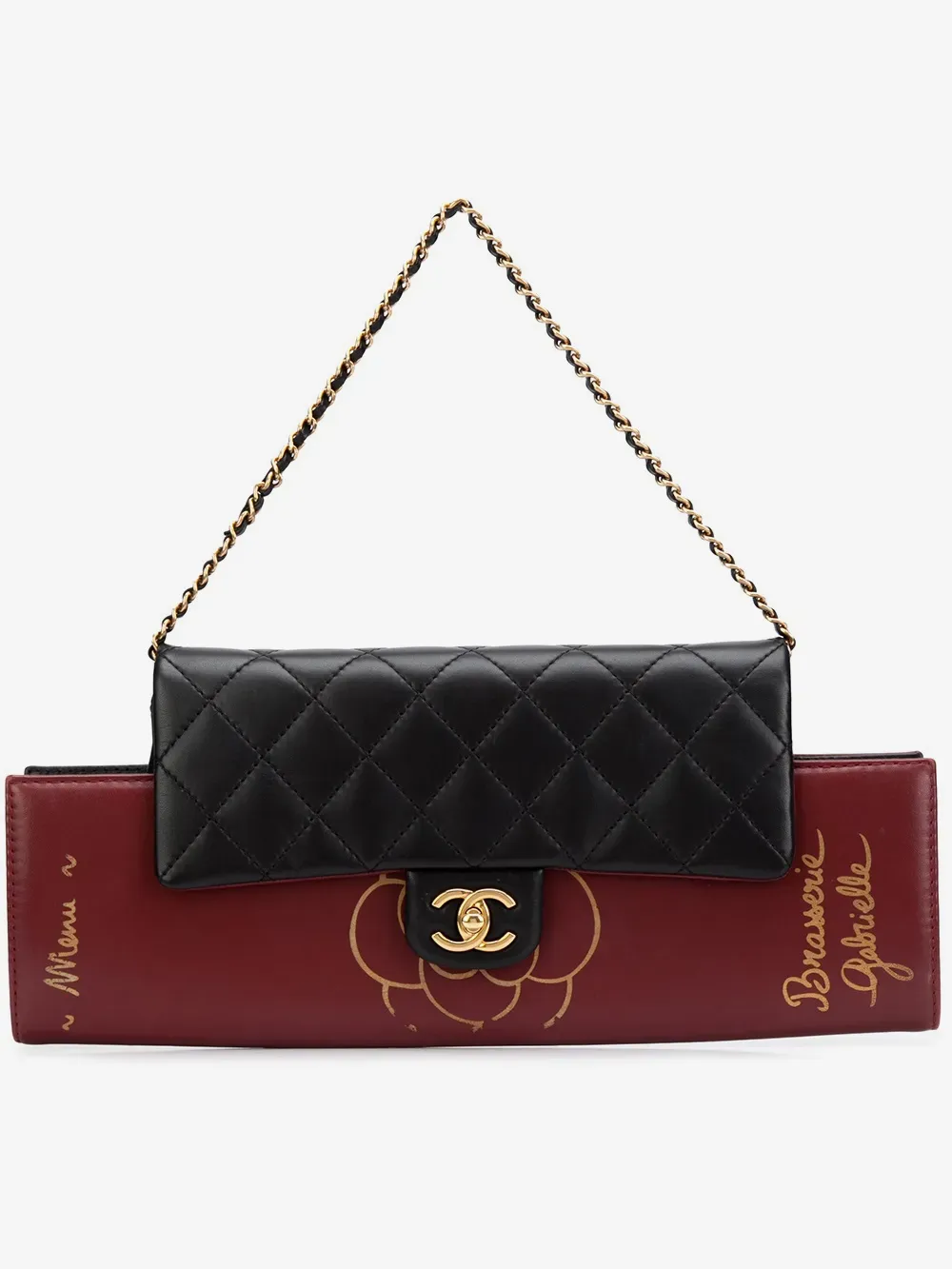
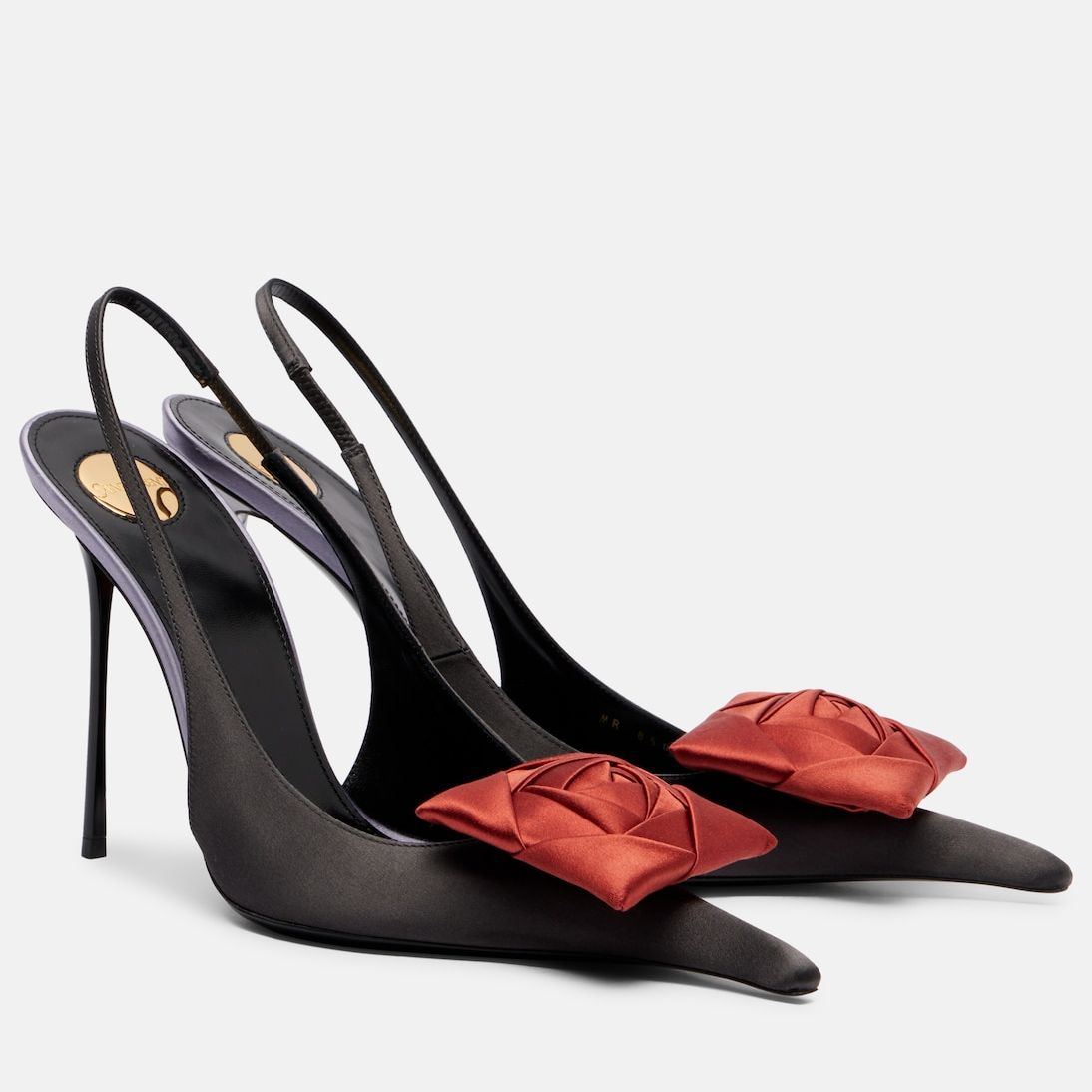
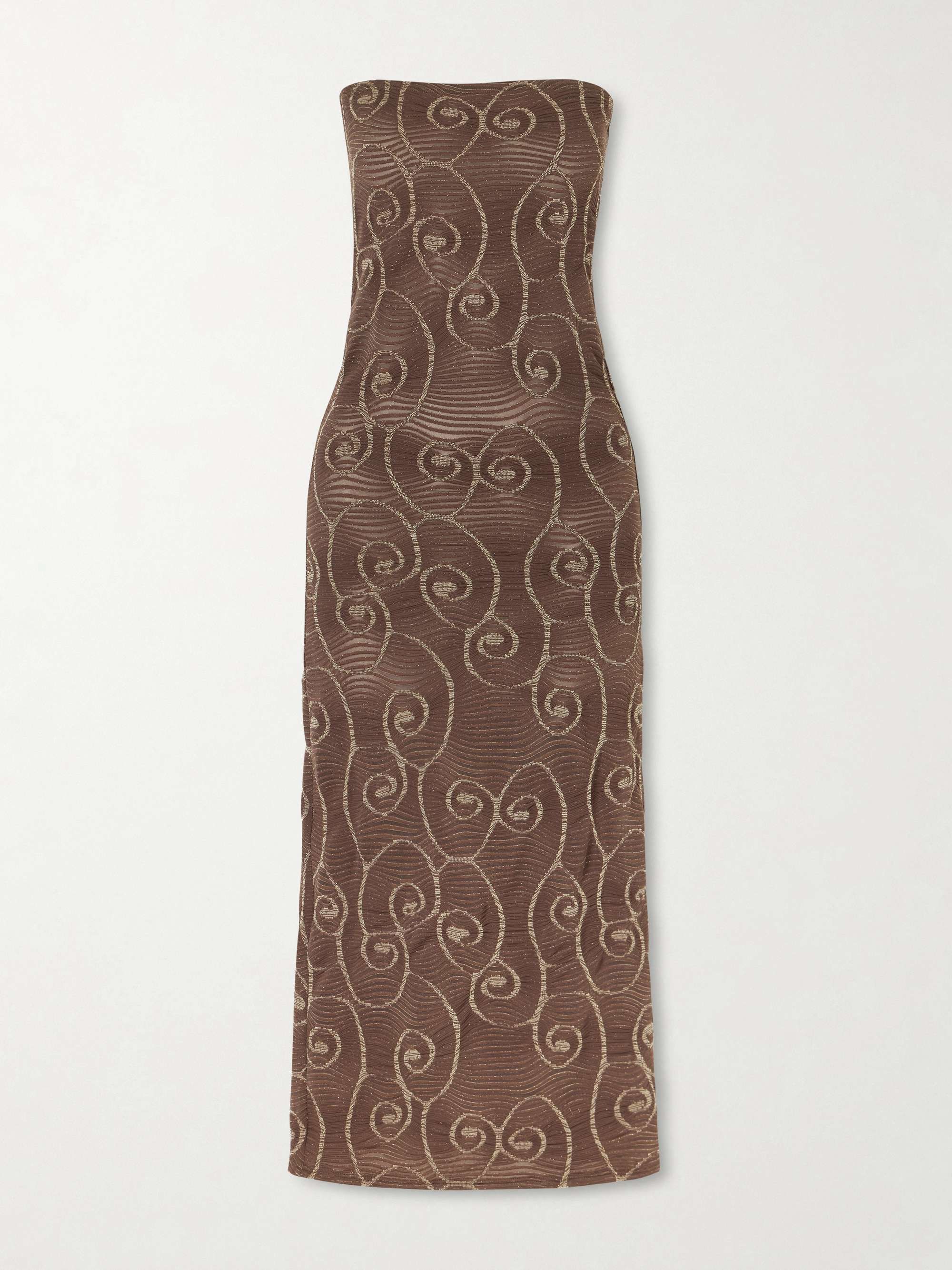
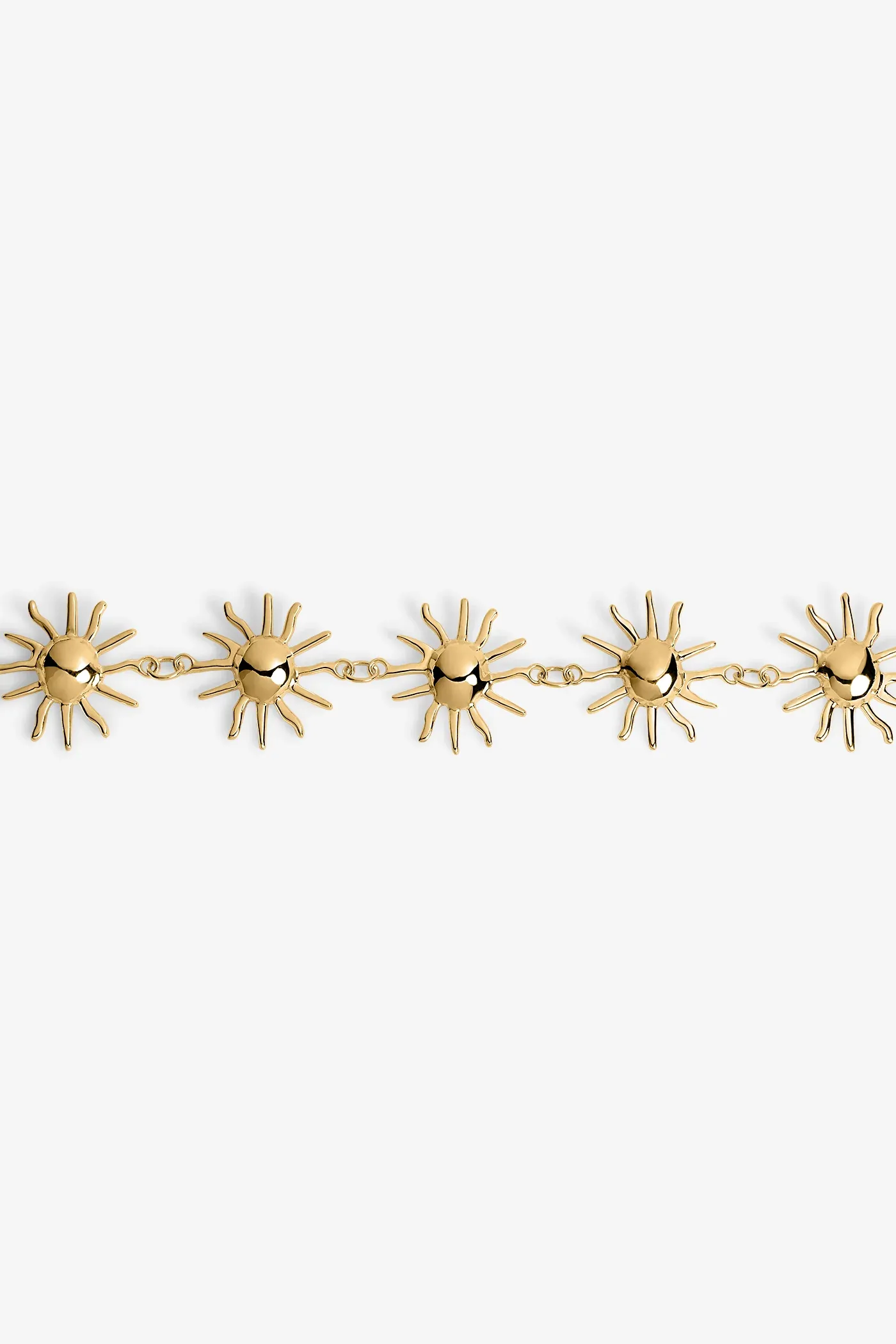
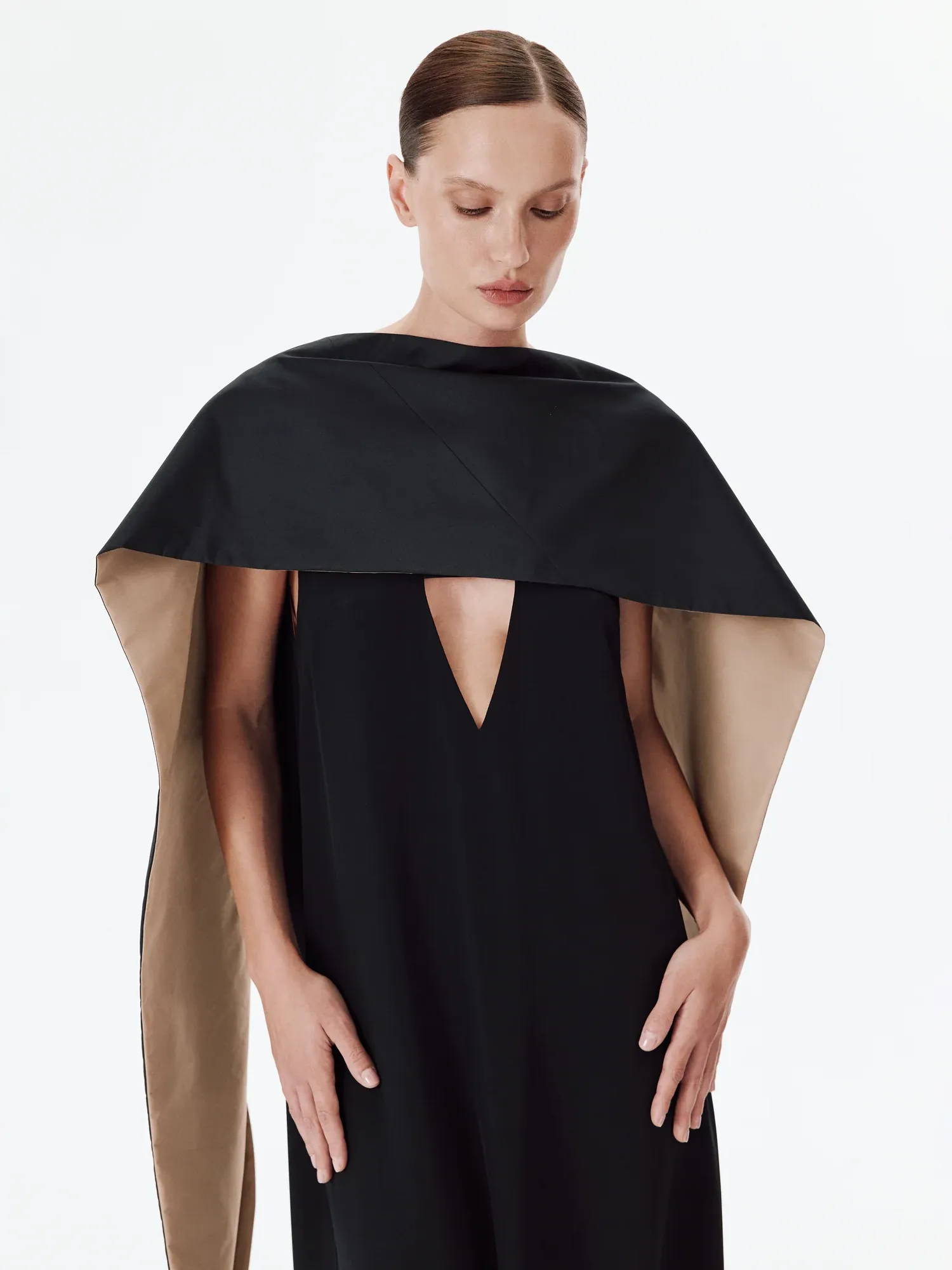
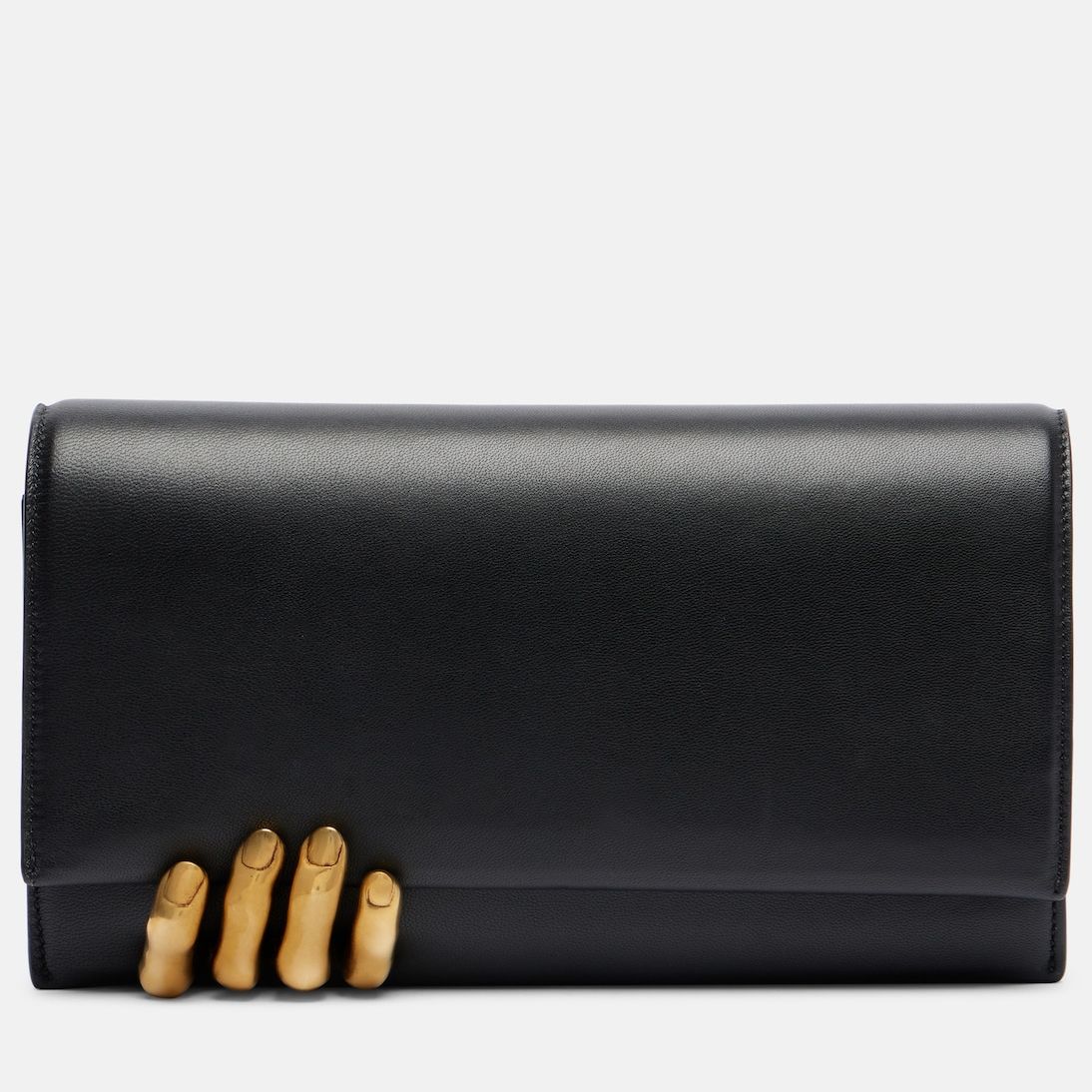
It is an exciting moment in fashion, to choose which universe you want to create within a garden, the depths of the sea, outer space, or somewhere in between. Below are a few ways I am currently bringing this sense of surrealism into my summer and pre-fall wardrobe:
Read on the original site
Open the publisher's page for the full experience