Téa Obreht Has Redefined the Western. Here's Her Reading List of Books That Do the Same
Our take

Téa Obreht’s reimagining of the Western genre, as evidenced by her new novel *Sunrise*, and the accompanying reading list she’s curated for *Marie Claire*, signals a fascinating shift in how we understand and engage with this traditionally masculine narrative. It's a moment ripe for exploration, particularly as contemporary storytelling increasingly demands nuance and complexity beyond established tropes. The Western, historically a landscape of rugged individualism and frontier conquest, is undergoing a quiet revolution, one that prioritizes interiority, marginalized voices, and a deeper engagement with the land itself. This move aligns with a broader cultural reckoning with the genre’s problematic representations of Native Americans and the romanticized violence that often underpinned the narrative. For those seeking similar explorations of atmosphere and unconventional storytelling, we recently highlighted novels perfect for a swelteringly hot day [The Next Heatwave Will Be Here Before You Know It—Here's Your Reading List] and showcased how embracing one's roots can inform a unique perspective, as seen with Vittoria Ceretti [Vittoria Ceretti on Italian Beauty, Country Music, and the One Wellness Ritual She Swears By].
Obreht’s reading list, a mix of historical fiction, literary classics, and works by Indigenous authors, reveals the breadth of influences that shaped *Sunrise*. It's not simply about cowboys and saloons; it’s about the intricate relationship between people and place, the weight of history, and the quiet resilience of those often overlooked in traditional Western narratives. The inclusion of works like *Blood Meridian* by Cormac McCarthy—a brutal and poetic exploration of the American West—demonstrates a willingness to grapple with the genre's darker aspects, while selections from Indigenous authors offer a crucial counterpoint to the dominant, often colonial, perspective. This curated list serves as a powerful testament to the evolving landscape of literary Westerns, demonstrating that the genre can be a vehicle for both historical reflection and profound emotional exploration. It’s a recognition that the Western isn’t a fixed entity, but a space ripe for reinterpretation and reimagining.
The significance of this development extends beyond the realm of literature. It reflects a broader cultural desire for stories that challenge conventional narratives and offer a more inclusive and nuanced understanding of the past. The Western, as a foundational myth of the American experience, has long been subject to scrutiny and revision. Obreht’s approach—grounded in meticulous research, atmospheric prose, and a commitment to portraying the complexities of human experience—offers a compelling model for future storytellers seeking to engage with the genre in a meaningful way. It suggests that the Western, far from being a relic of the past, can be a powerful tool for exploring contemporary themes of identity, belonging, and the enduring legacy of historical trauma. The shift isn't about abandoning the core elements of the Western—the vast landscapes, the sense of adventure—but about interrogating the assumptions and biases that have historically shaped its portrayal.
Ultimately, Téa Obreht’s work and her curated reading list prompt a vital question: How can we reshape the Western to reflect a more accurate and inclusive understanding of American history and the diverse experiences of those who have inhabited this land? As adaptation continues to thrive, as evidenced by the growing excitement surrounding shows like *Playing the Field*, the TV Show Adaptation of 'Cleat Cute' [Everything We Know About 'Playing the Field,' the TV Show Adaptation of 'Cleat Cute'], it’s clear that audiences are hungry for fresh perspectives and nuanced storytelling. The future of the Western, it seems, lies not in replicating the familiar tropes of the past, but in embracing the potential for innovation and reimagining the genre for a new generation.
When you're looking to get lost in a book, sometimes you need your reading material to match your mood. With Marie Claire's series "Buy the Book," we do the heavy lifting for you. We're offering curated, highly specific recommendations for whatever you're looking for—whether you're in your feels or hooked on a subgenre trending on #BookTok.
In this author-curated rendition, Téa Obreht, the bestselling author of novels like the National Book Award finalist The Tiger's Wife, Inland, and The Morningside, shares contemporary westerns that redefine the genre. The following novels—murder mysteries, historical fiction, and stories about people who were very much part of the Wild West but have far too often been overlooked—were on Obreht's reading list while working on her highly anticipated new release, Sunrise. See her recommendations below.
Modern readers sometimes raise an eyebrow at the idea of a Western, and for good reason. The genre’s origins lie with pulp novels of the 1800s, whose goal was to make westward expansion and frontier life not just palatable, but romantic, to the broadest possible audience. The heroes of these first westerns were men: noble “white hats” with modest dreams, moral codes, and clearly delineated nemeses. The first generation of western revisionists—writers like Larry McMurtry, Charles Portis, and Cormac McCarthy—interrogated and complicated the easy, white heroism of the genre’s foundational literature. In recent years, a chorus of contemporary American voices has returned to the West to reimagine its mythos and dig deeper into its marginalized histories, plastered-over sins, and easy tropes. Here are seven books of the New West.
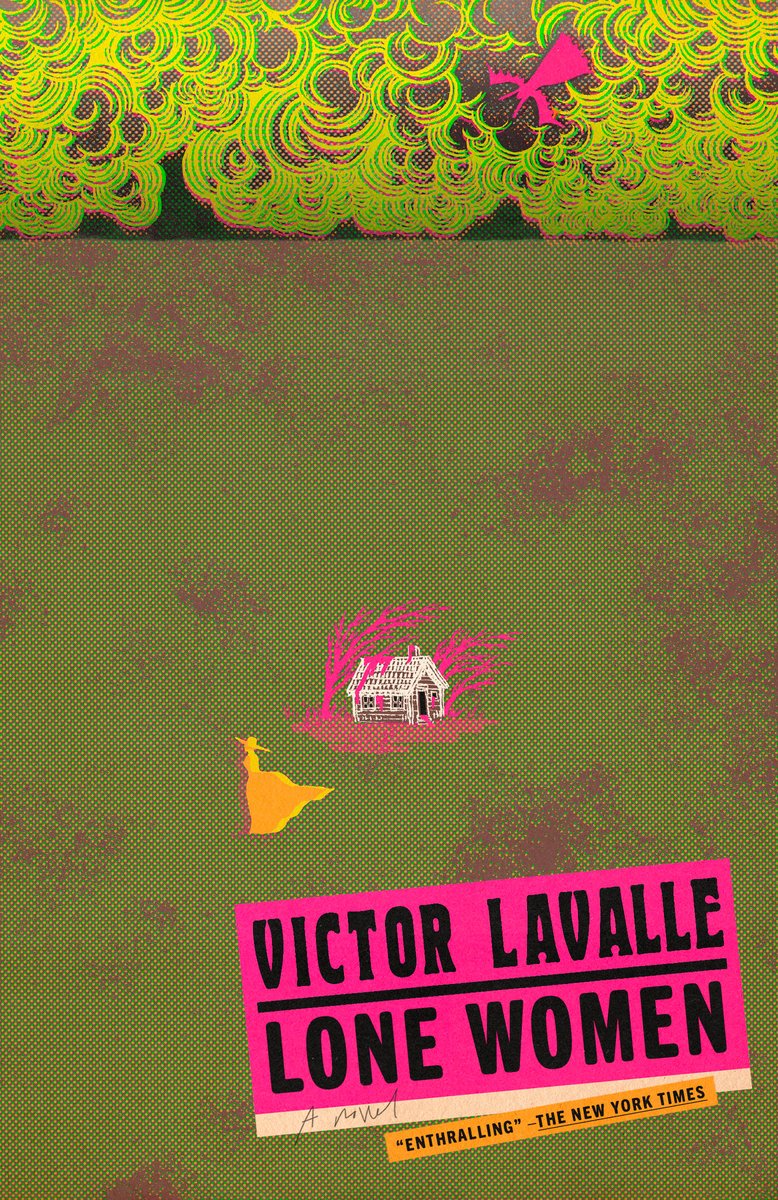
"A Black woman fleeing a haunted past strikes out for the vastness of Montana to prove up a homestead of her very own. Traveling with her is a mysterious, padlocked trunk—and since this is a book by Victor LaValle, a modern master of bending and blending genres, you know that whatever’s inside will challenge what you expect from horror."
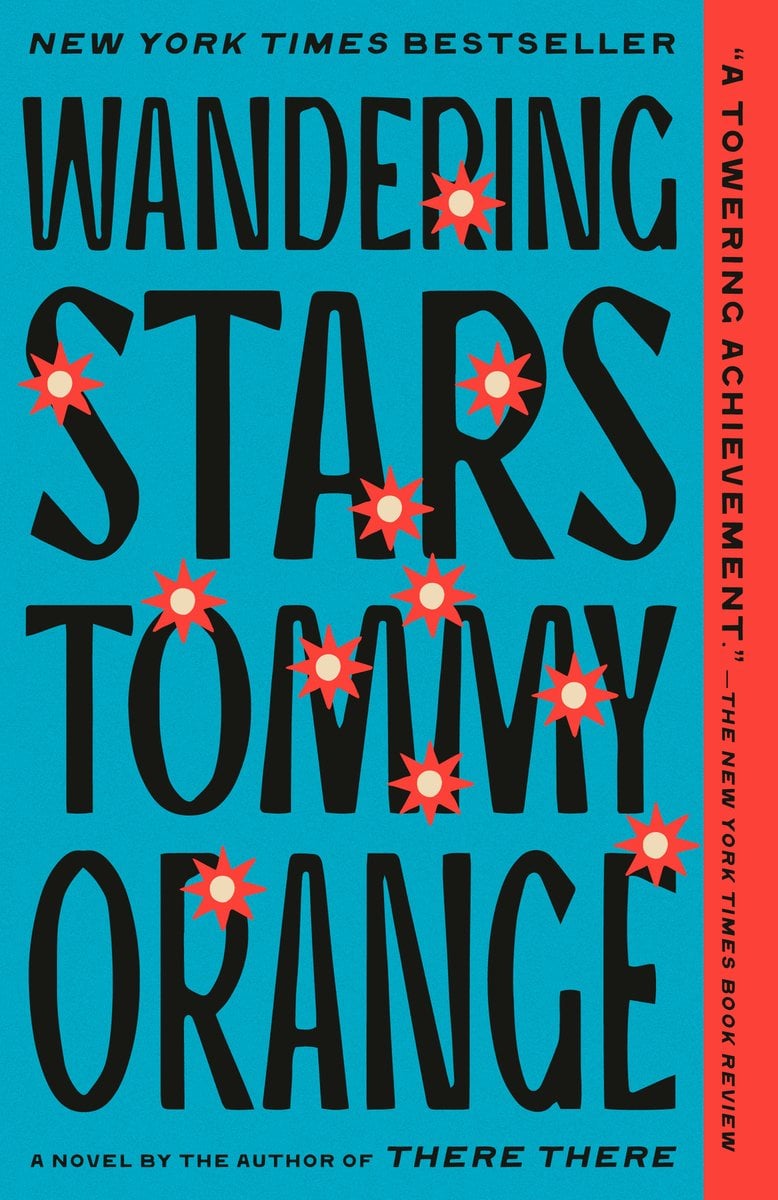
"This critically acclaimed follow-up to There There finds its way back to the urban settings of his debut, but the starting point of Orange’s multigenerational epic is the Sand Creek Massacre, one of the most brutal and notorious atrocities ever committed by the U.S. Army against Indigenous people. Orange traces the effects of this atrocity on his protagonist and the generations that follow in this powerful chronicle of resilience and resistance."
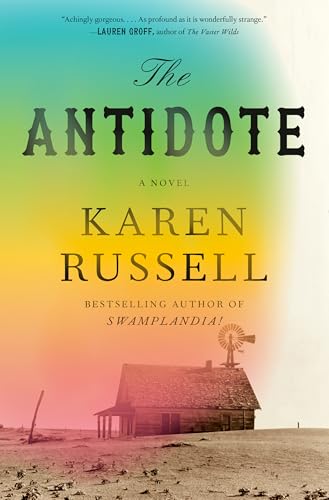
"An off-kilter dust bowl is the setting for Russell’s second novel, which finds her once again layering real American history with the magical and the bizarre. Here, readers will find a prairie witch whose body is an actual container of community burdens, a contagious amnesia, and a magical camera straight out of the Zelda multiverse."
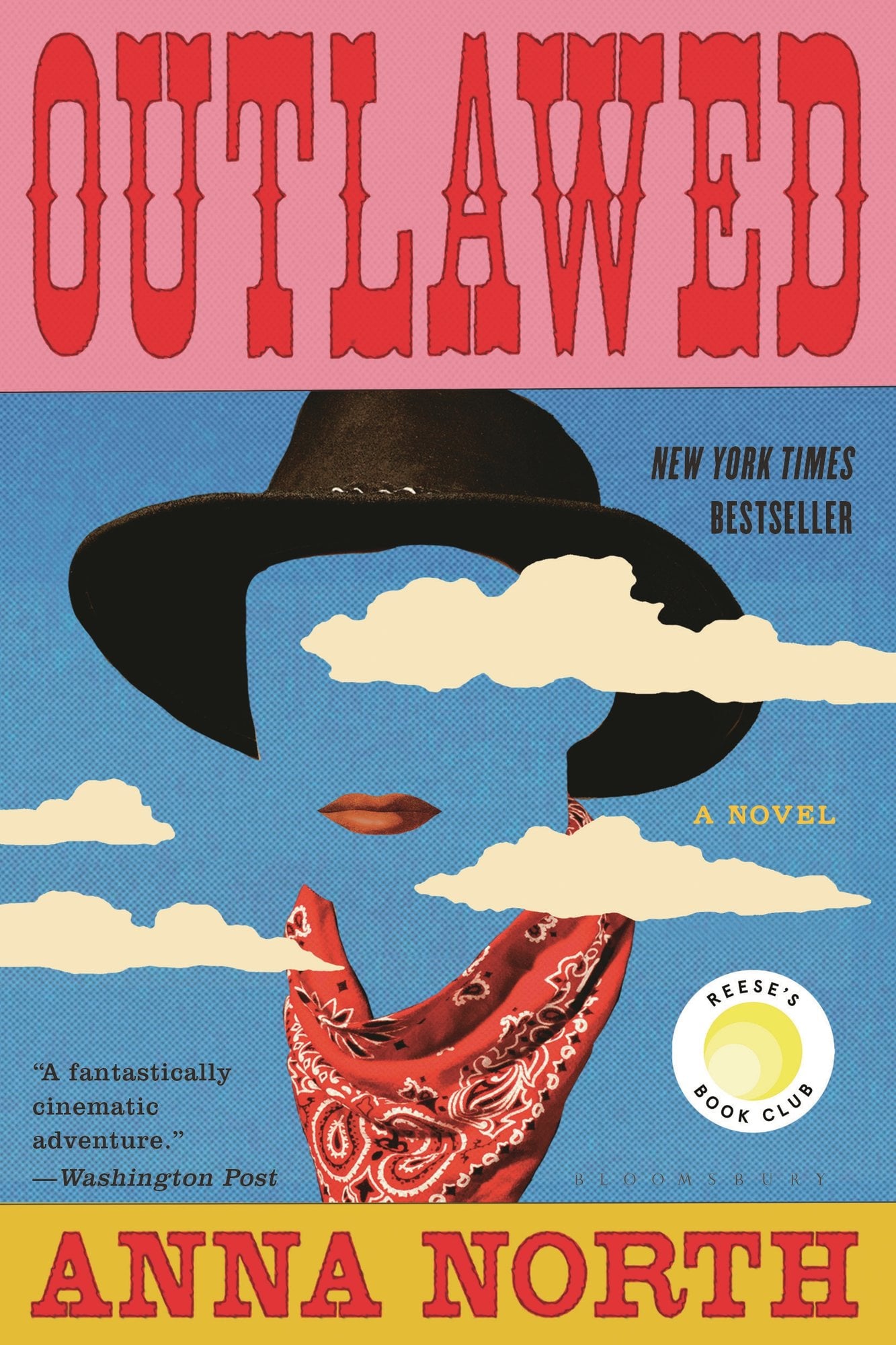
"In this inventive, history-twisting debut, North flips Western gender tropes on their heads and raises the stakes for her child-free protagonist to literal witch-hunt levels."
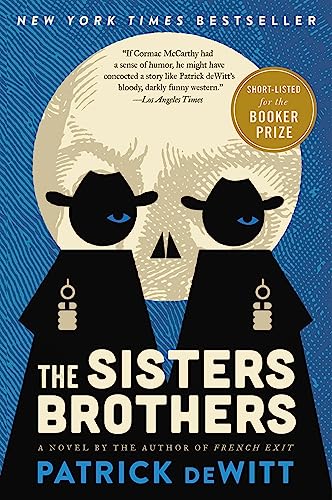
"This book starts out with a deceptively classical premise—two brothers, hired guns by trade, are en route to complete one more killing for their boss—but takes one unexpected turn after another. Eli Sisters, the narrator and protagonist, has grown weary of his blood-soaked profession, and seeks human connection from a marvelous procession of tertiary characters to touching and often hilarious effect. This book will make you reflect on the privileges of modern dental care in a new light."
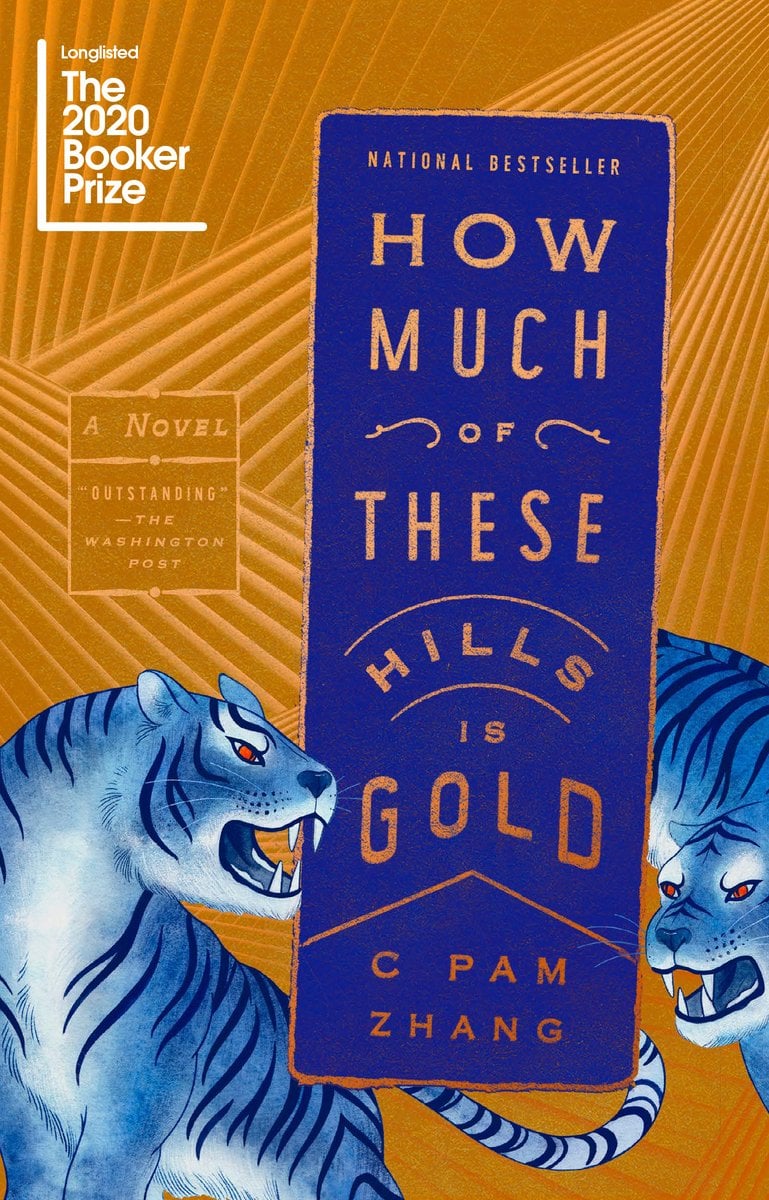
"The wayfaring strangers in C Pam Zhang’s tense and moving debut are Lucy and Sam, two Chinese American siblings struggling to find a suitable place to bury their father’s body. The sibling relationship at the novel’s heart shines a light on the routinely overlooked history of Chinese immigrants who built the frontier and delves into the challenge of upholding traditions in the absence of community."
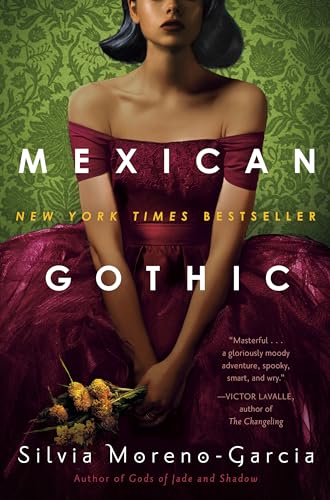
"Legacies of colonial violence sit at the heart of this dazzling, suspenseful horror, which was recently ranked 45th on The New York Times’ list of "The 50 Greatest Thrillers of the 21st Century." Though the book is set in the 1950s, I would argue that its eerie and inescapable setting—a former silver mining town in the Mexican wilderness—ranks it firmly as a book of the West."
Sunrise by Téa Obreht is out now.
Read on the original site
Open the publisher's page for the full experience