The 10 Best Retinol Alternatives Deliver Similar Skin-Smoothing Benefits, Minus the Irritation
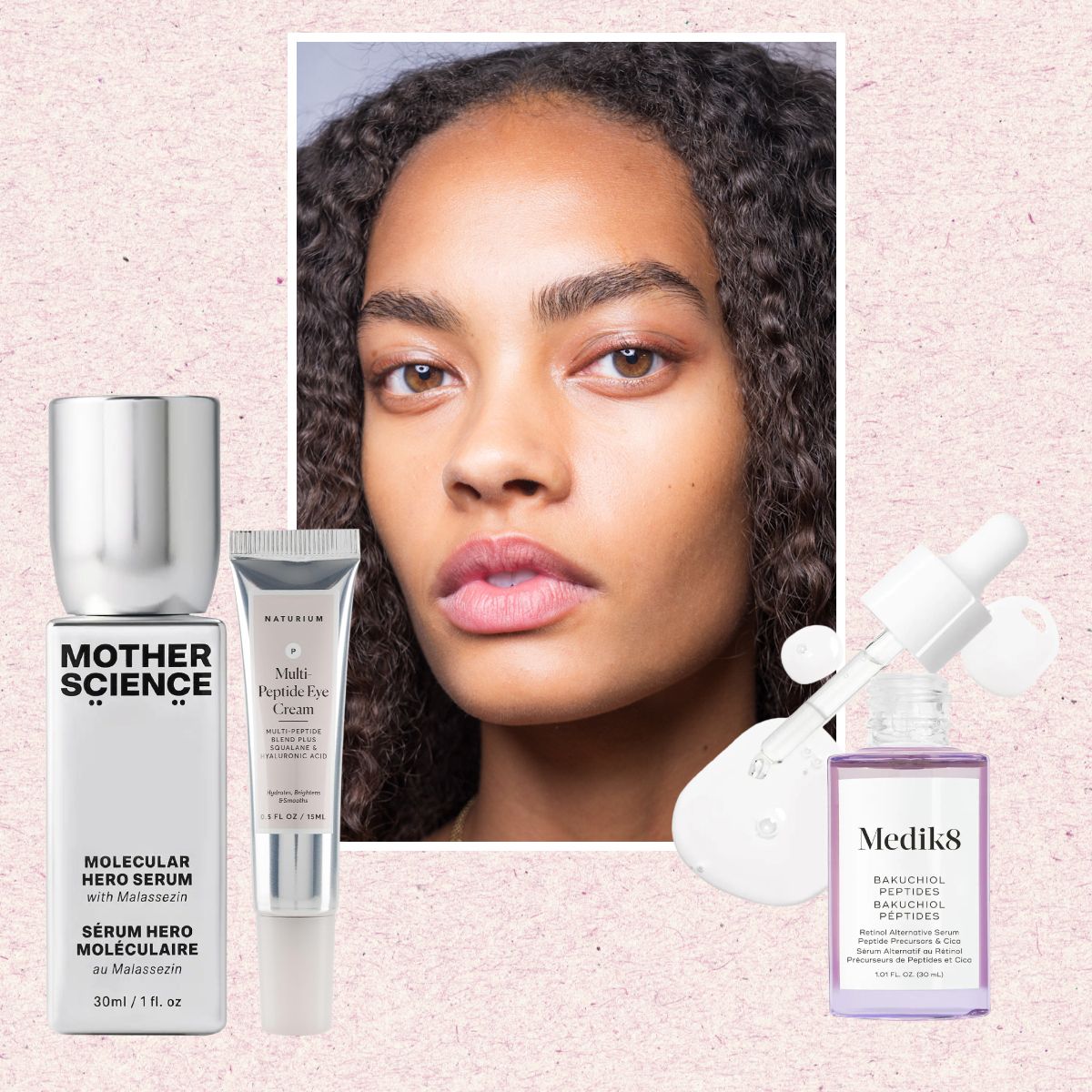
Retinol may be the gold standard of anti-aging skincare, but my ultra-sensitive, breakout-prone skin sadly never got the memo. After dealing with acne throughout my 20s and going through a couple of harsh rounds of Accutane, even seemingly gentle formulas left me red, flaky, and irritated. Still, I wanted the smoother texture, brighter tone, and fine-line-fighting benefits the ingredient is known for—which sent me on a mission to consult the top dermatologists for the best retinol alternatives money could buy (and, more importantly, ones that wouldn’t make my skin freak out).
And I’m far from alone. For all of retinol’s well-earned praise, the powerhouse ingredient can be notoriously difficult to tolerate, especially for those with sensitive or reactive skin like mine. Its popularity isn’t without good reason, though. As we age, some of the “main visible changes” include shifts in pigmentation—think dark spots—and loss of collagen, which can lead to wrinkles and loss of firmness, explains board-certified dermatologist Angelo Landriscina, MD.
Despite what you may have heard, there’s no “magic age” to start using retinol. Dr. Landriscina typically recommends reaching for it when the first signs of aging, like dark spots or fine lines, begin to appear. So, if retinol has wreaked havoc on your skin in the past, these 10 dermatologist-backed alternatives—from bakuchiol to vitamin C and azelaic acid—offer a gentler way to target many of the same skin concerns, without the irritation.
The Best Retinol Alternatives
- Best Retinol Alternative Overall: SkinCeuticals C E Ferulic
- Best Retinol Alternative Moisturizer: Clearstem Hydraglow Stem Cell Moisturizer
- Best Retinol Alternative Eye Cream: Naturium Multi-Peptide Eye Cream
- Best Retinol Alternative Serum: Parëva Beauty C35.5 Firming Glow Serum
- Best Retinol Alternative with Bakuchiol: Medik8 Bakuchiol Peptides Retinol Alternative Serum
Best Retinol Alternative Overall
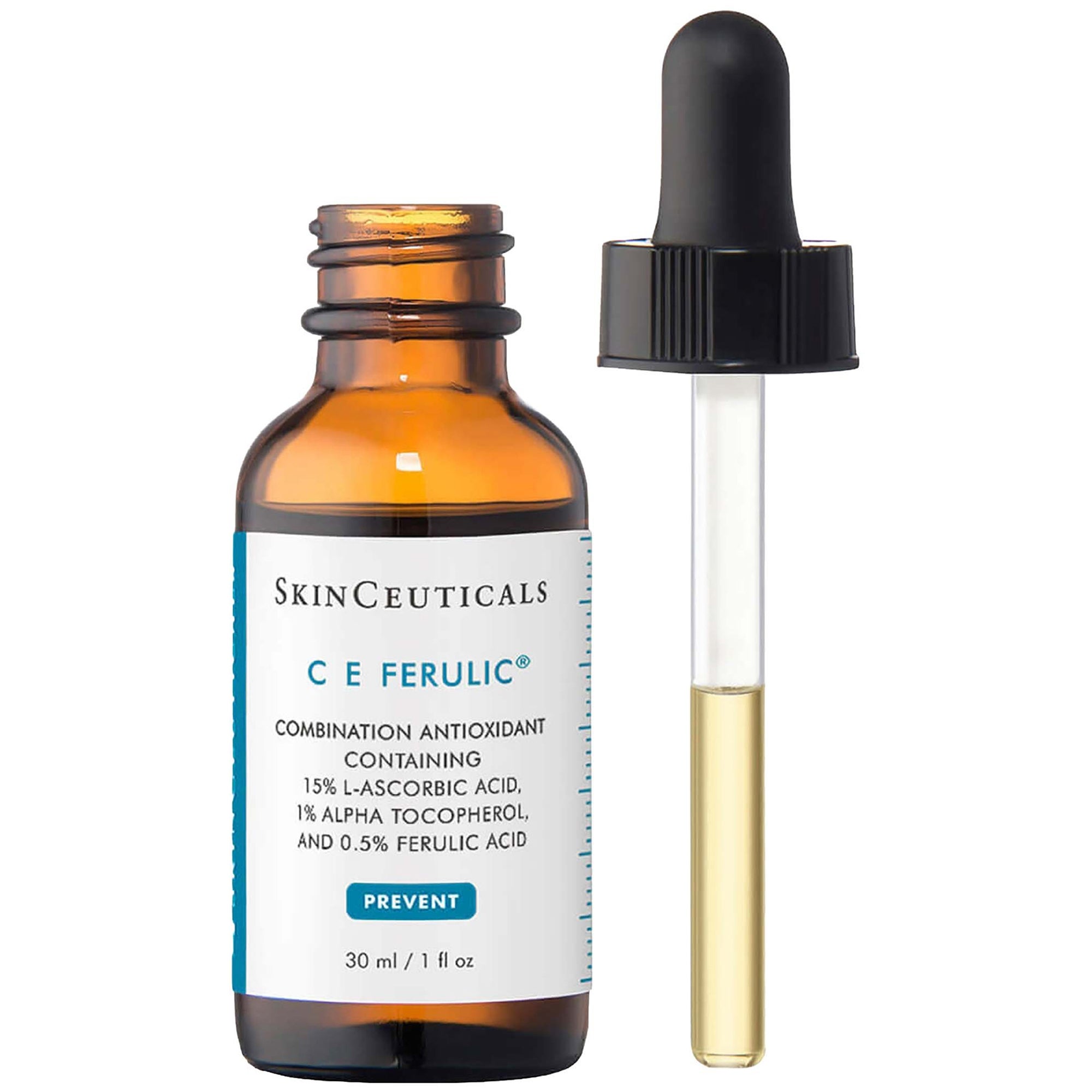
This SkinCeuticals serum is a favorite among dermatologists, including Dr. Landriscina, who calls it “iconic for a reason.” That’s because “when it comes to anti-aging, if retinol has the most data of any over-the-counter topical, pure vitamin C comes in second.” And this gentle-yet-effective formula packs plenty of it: 15 percent pure vitamin C (L-ascorbic acid), which helps brighten skin, protect against environmental damage, and improve the appearance of fine lines and wrinkles.
Review: “I used this for a bit, then when I ran out, did not reorder because of price. Needless to say, I'm ordering it again, and my skin looks much healthier. When I stopped using it, my skin gradually began to look dull and muddy. My neighbor noticed the difference and wanted to know the name of my new dermatologist. It is pricey, but it is worth it!” — Dermstore
Best Retinol Alternative Moisturizer
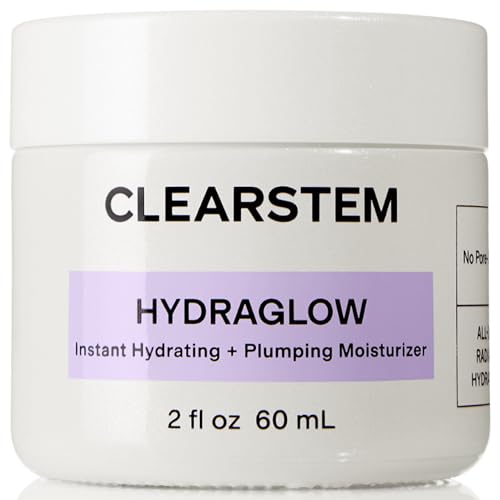
I’ve exclusively used this moisturizer for three or four years now and refuse to try anything else. It’s gentle enough for my sensitive skin to use daily but still packed with hardworking ingredients: bakuchiol helps smooth and brighten, plant stem cells support firmer-looking skin, and squalane hydrates and supports the barrier. Think hydration, glow, and anti-aging benefits in one formula.
Review: “Clearstem in general has changed my skincare routine. This moisturizer especially is a game changer! This is the first consistent moisturizer that has worked on me and not given me any reactions, the absolute best!” — Amazon
Best Retinol Alternative Eye Cream
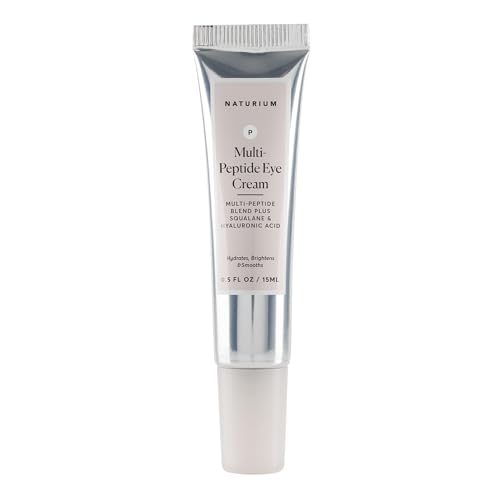
Friendly reminder from board-certified dermatologist Sapna Palep, MD: “You don’t want to forget the skin around the eyes.” She recommends this $16 eye cream to help reduce the look of fine lines and wrinkles, thanks in part to peptides that support firmer, smoother-looking skin. The gentle, silky formula is also lightweight enough for daily use—and, according to Dr. Palep, use it regularly, and she swears “you will look more refreshed and awake.”
Review: “My eyes get dry and irritated easily, but this counteracts that quickly. It leaves the perfect finish—super hydrating, but not overly tacky or oily. It wears well under makeup and I can use it 2x/per day on my entire eye contour with zero irritation. I’ve seen a marked difference in fine lines as well. I’ve been through so many tubes. This formula is my ride or die. No other eye cream compares!” — Amazon
Best Retinol Alternative Serum
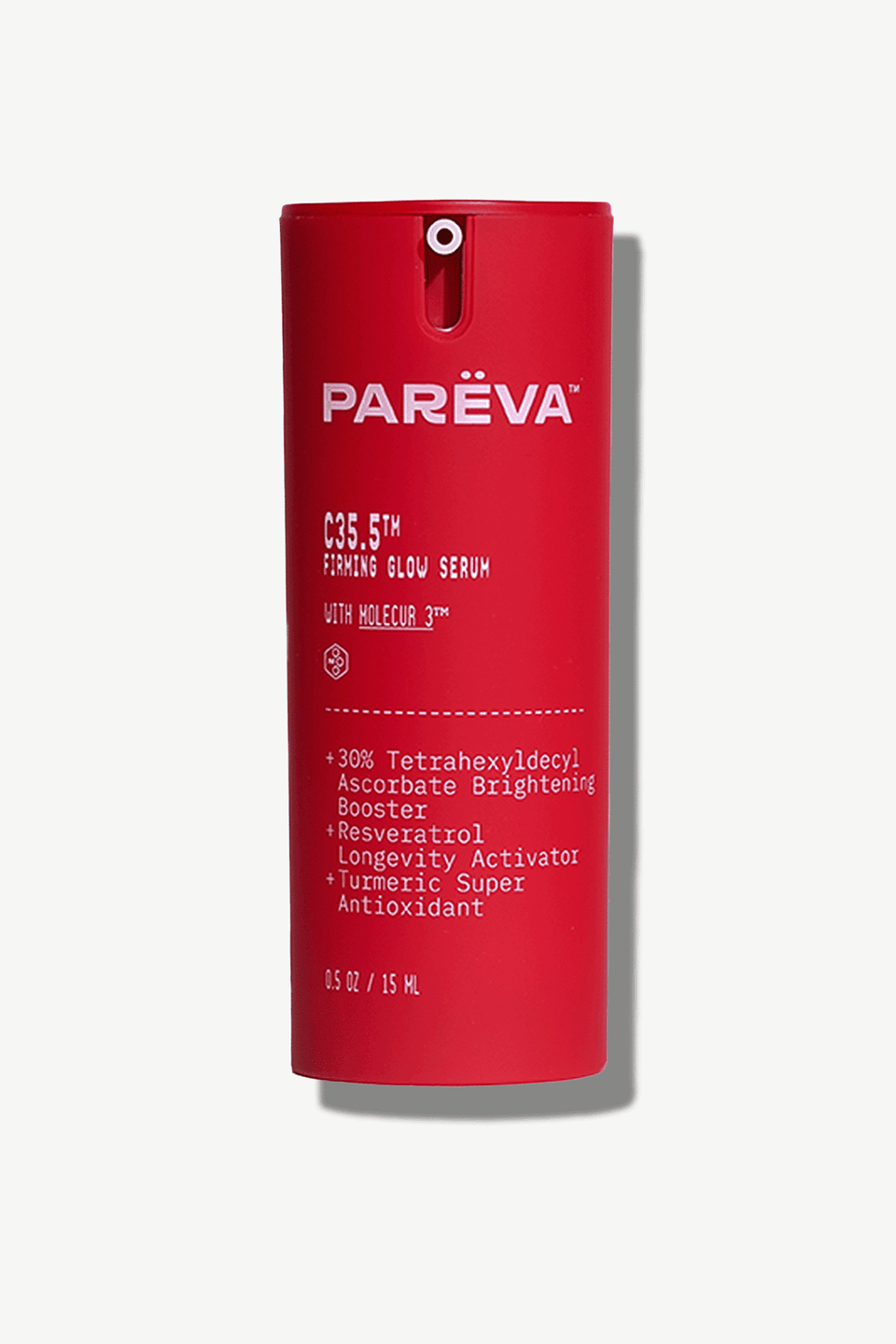
Dr. Palep is also a big fan of this vitamin C serum, which “helps brighten skin tone and texture.” She explains that the formula combines the brand’s Molecur 3 with a stable, oil-soluble form of vitamin C to “boost skin’s longevity and correct future aging by supporting exosomes and cellular energy with NAD+.” Despite all that heavy lifting, the formula is mild and non-irritating, making it a great serum pick for sensitive skin that can’t tolerate traditional retinol.
Review: “One of the things I appreciate most about this serum is the clean formula. It’s made without parabens or phenoxyethanol, and I feel good knowing that I’m using something with safer, skin-friendly ingredients. While I haven’t noticed any dramatic changes yet, my skin feels smoother and has a nice, healthy glow after each use. … Overall, this serum feels gentle but effective.” — Credo
Best Retinol Alternative with Bakuchiol
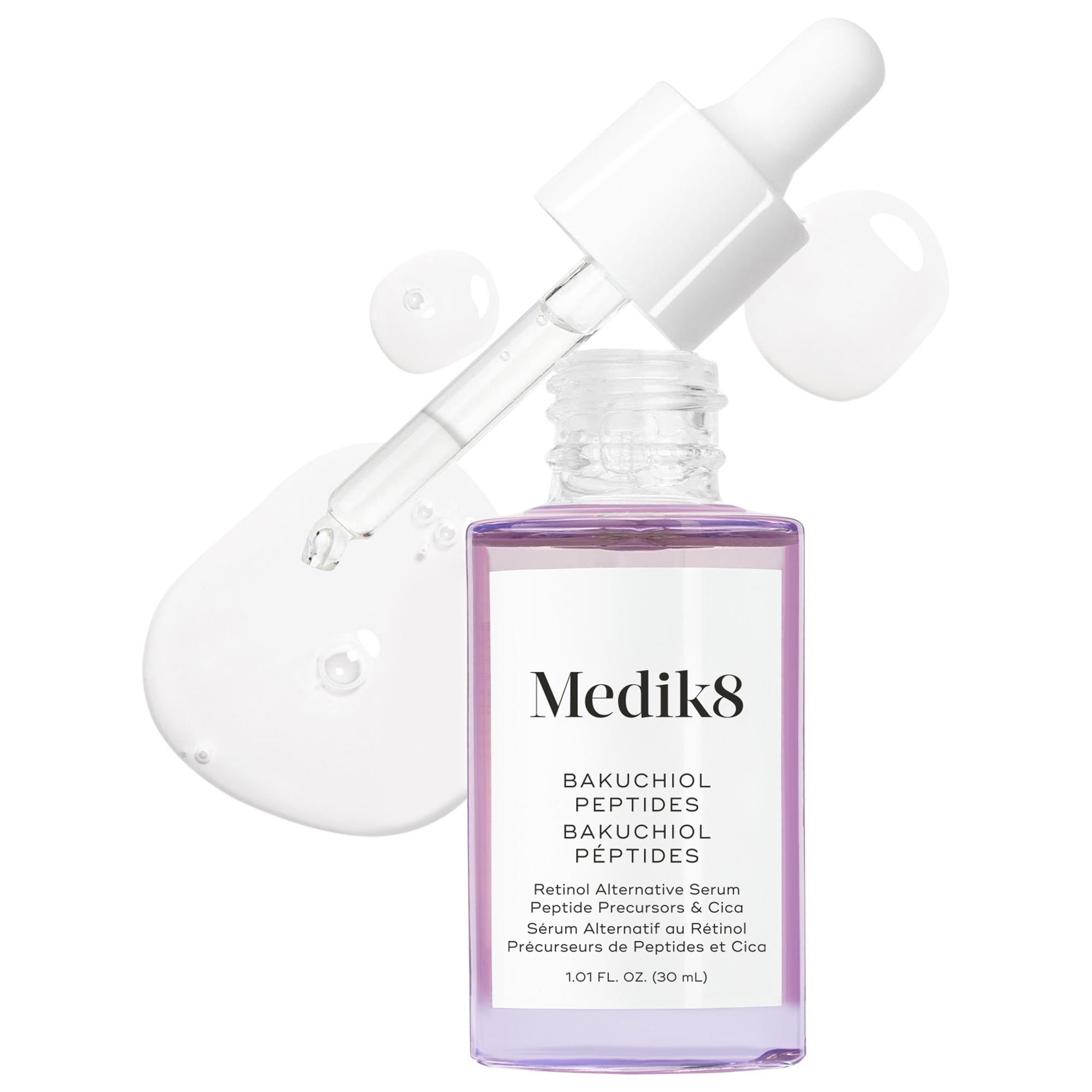
According to Dr. Palep, this Medik8 serum is a great option for reducing (and smoothing out!) fine lines and wrinkles. The star ingredient is bakuchiol, a plant-derived retinol alternative that helps target fine lines, uneven tone, and loss of firmness without the same irritation potential. Peptides round out the under-$100 formula to further support smooth, firm skin.
Review: “I like how gentle it feels on my skin. It absorbs quickly without any sticky residue, and my skin looks smoother, softer, and more refreshed. Great for everyday use, especially if you want a mild anti-aging serum.” — Sephora
Best Retinol Alternative for Dark Spots
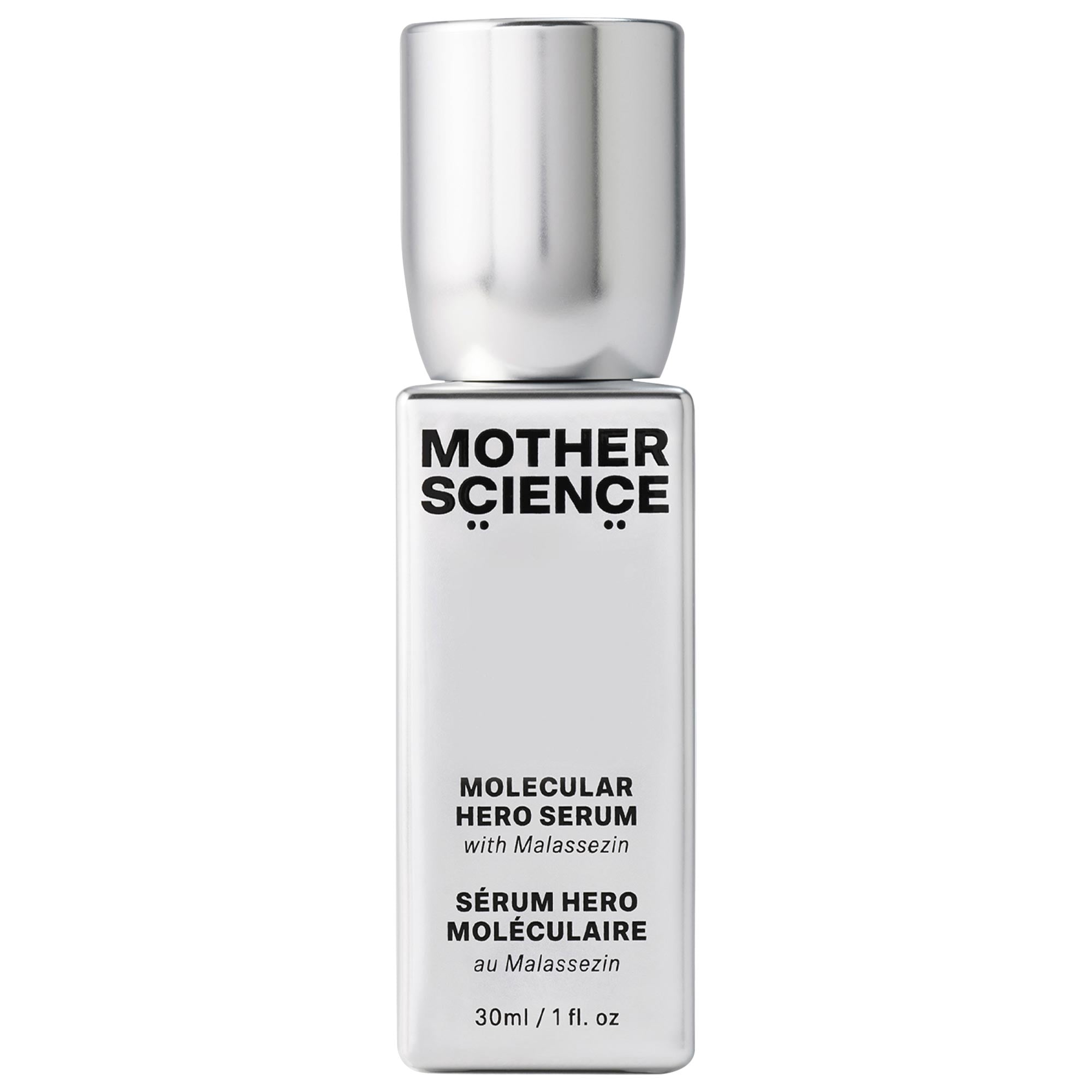
While retinol does an excellent job at fading dark spots, niacinamide is another, gentler MVP ingredient for targeting hyperpigmentation and uneven skin tone. This niacinamide-packed retinol alternative is one Dr. Palep recommends reaching for because it's gentle enough to use daily. “It combines the ingredient with the brand’s malassezin to help improve the appearance of sun damage, dark spots and uneven skin tone,” she explains. The result? “An overall brighter, more youthful-looking complexion.”
Review: “This is one of the best serums I've tried. I'm noticing stubborn dark spots starting to fade. The serum goes on beautifully and doesn't cause any irritation. Layers so well with my other skincare. Overall has improved my skin and I can't wait to see even more important with time.” — Sephora
Best Retinol Alternative for Firming
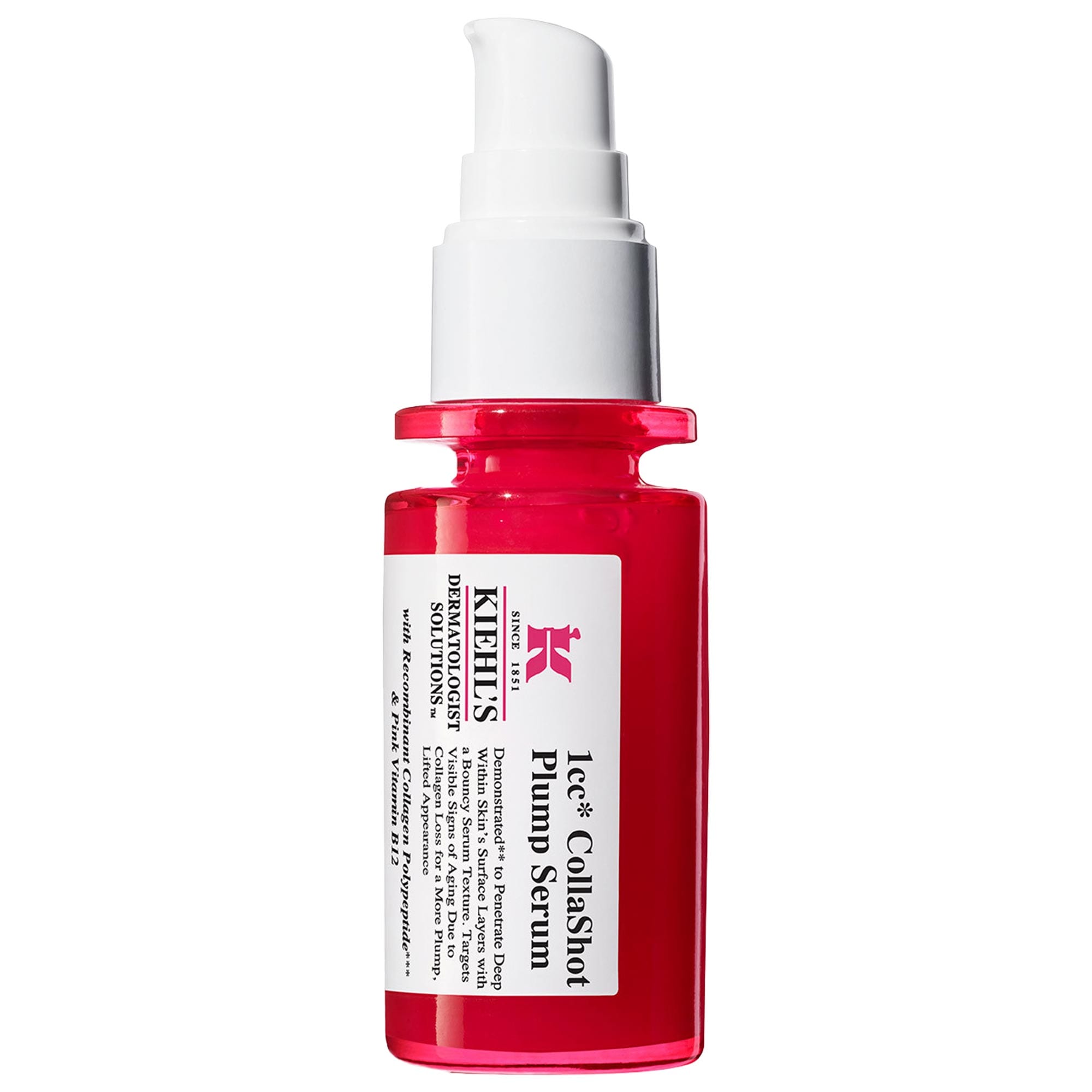
Another one of Dr. Landriscina’s favorites, this new Kiehl’s serum has “great clinicals when it comes to firming skin.” The formula contains collagen peptides—which help visibly plump and smooth the skin by triggering it to produce its own natural moisture-locking functions and structural proteins for skin support—making it a particularly good option if fine lines and loss of firmness are your biggest concerns. Plus, the lightweight serum layers easily into your existing skincare routine.
Review: “Kiehl's CollaShot Plumping Serum had been such a nice addition to my routine, especially for my dry, aging skin. It feels lightweight but gives my skin that extra boost of hydration and plumpness it's been missing. My skin feels healthier and more refreshed without the serum feeling heavy or greasy.” — Sephora
Best Retinol Alternative for Acne
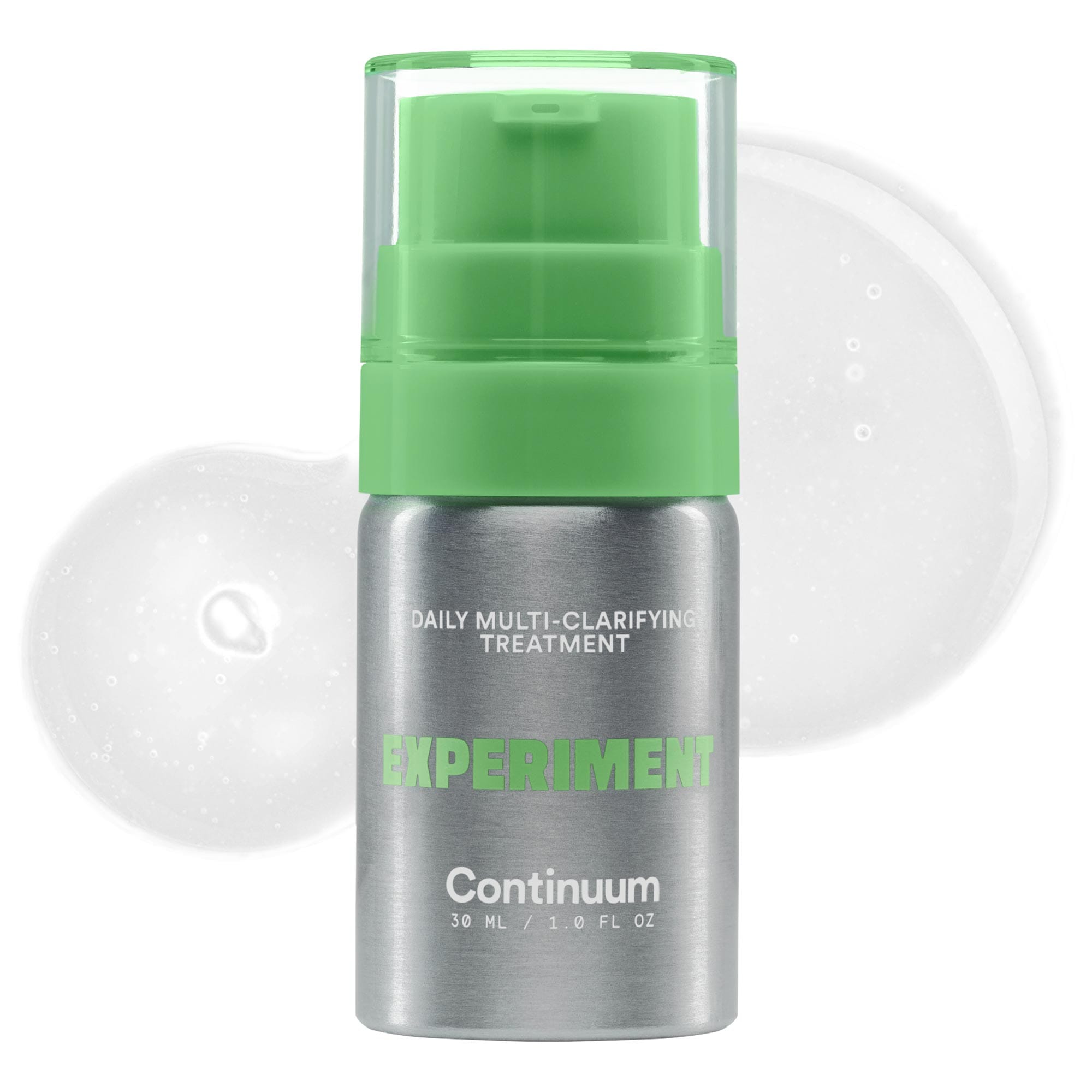
“I’m biased as I helped to develop this product, but for those with blemish-prone skin or redness, this is a great option for evening out skin tone,” says Dr. Landriscina. The daily treatment contains 3.7 percent azelaic acid in a stable, water-soluble form designed to be less irritating than traditional azelaic acid, making it an especially good retinol alternative for sensitive, breakout-prone skin.
Review: “Genius formula! This helps TREMENDOUSLY with my redness, blackheads and comedones. It’s so gentle that I can’t tell there are any acids in the formula. It’s such a unique formula because it’s hydrating and gentle yet effective. I’ve already purchased two more bottles from the sale.” — Sephora
Best Drugstore Retinol Alternative
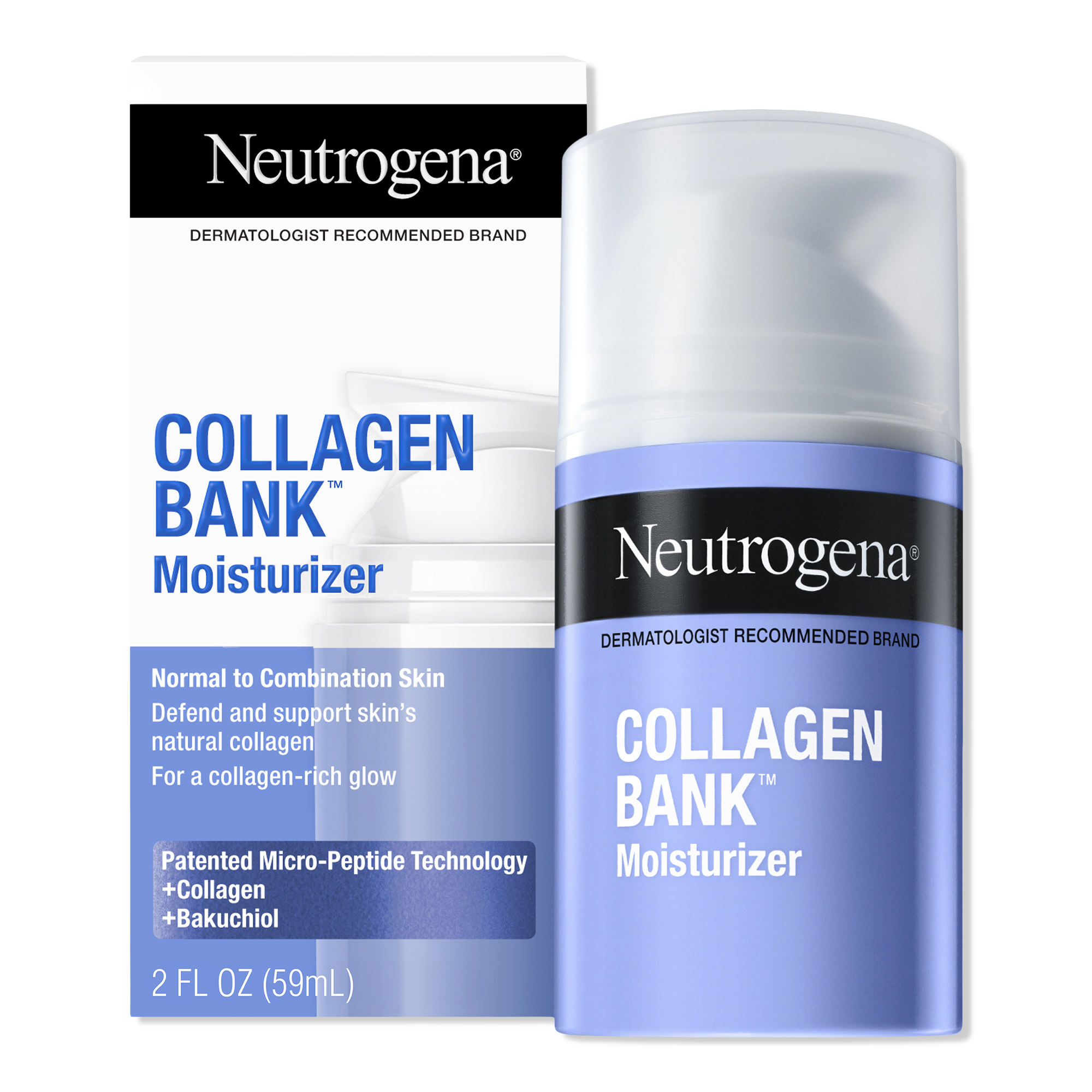
Good news: You don’t have to spend a fortune on a good retinol alternative, according to Dr. Landriscina. He especially likes Neutrogena’s Collagen Bank moisturizer because it “uses interesting peptide technology at an affordable price.” Its micro-peptides help smooth fine lines and strengthen collagen, making it an easy drugstore swap for those who can’t tolerate retinol.
Review: “I’ve been using the Neutrogena Collagen Bank Moisturizer for a few weeks and it’s really nice. The formula is lightweight, absorbs quickly, and keeps my skin feeling hydrated without any greasiness. My skin looks smoother and a bit more plump. I haven't had any issues with irritation or breakouts. It's also fragrance-free. Overall, it is a great everyday moisturizer for the price.” — Ulta
Best Plant-Based Retinol Alternative
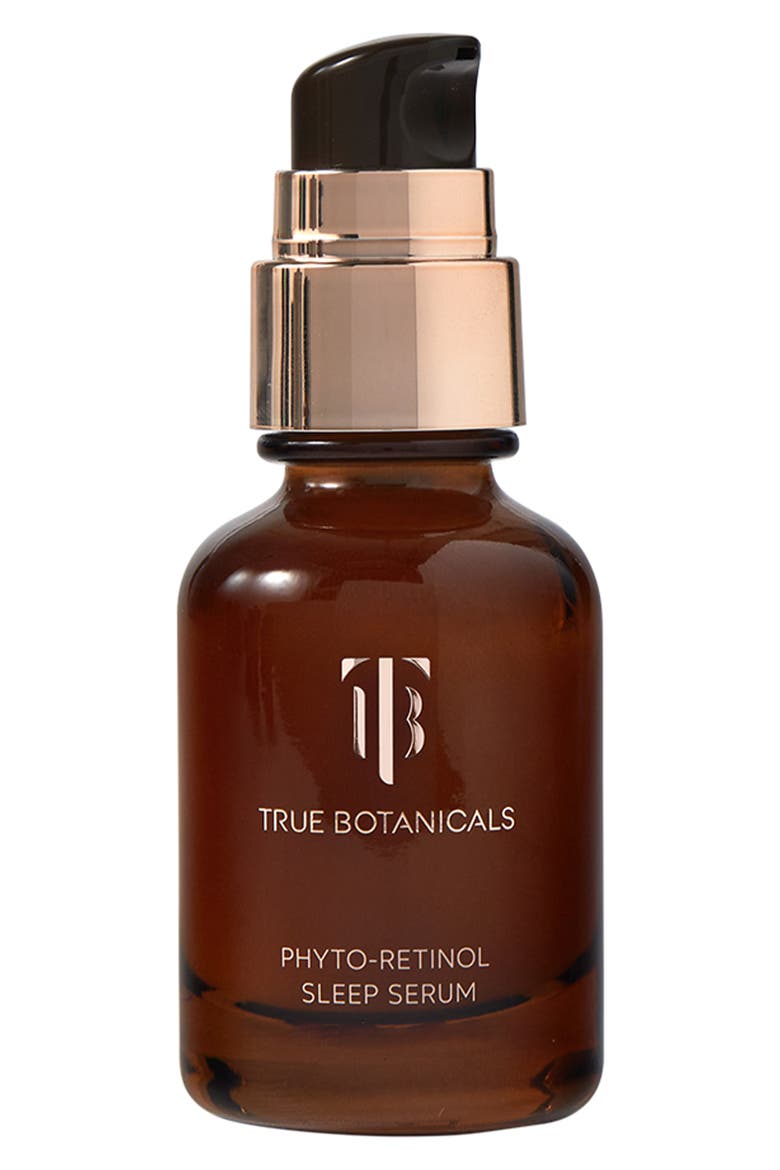
This serum from True Botanicals includes the hero ingredient peptilium, a plant-derived retinol alternative that—according to the brand’s clinical testing—works like retinol without irritation. Though more studies are needed to confirm the peptilium's efficacy, in my experience, this serum gives me the smoothing benefits I want from retinol without triggering my acne. Antioxidant-rich astaxanthin also helps target fine lines and uneven texture, while primrose soothes and moisturizes.
Review: “I have not experienced any irritation or redness. In fact, what led me to write this review was when I saw a very candid, unfiltered photo of me the day after my total hip replacement surgery, and my first thought was, wow, my skin looks great. And it did—and people commented on that. No makeup, no nothing, just harsh hospital lighting.” — Nordstrom
Do Retinol Alternatives Work as Well as Retinol?
“There are many alternatives to retinol that can work just as well, with consistent use,” explains Dr. Palep. Your choice depends largely on what you’re hoping to target: She recommends vitamin C for brightening and evening skin tone, bakuchiol for smoothing texture and minimizing fine lines, peptides for firmer, plumper-looking skin, and niacinamide for boosting collagen and fading dark spots. Just keep in mind that some alternatives may take a little longer to deliver visible results—particularly bakuchiol, she notes.
According to Dr. Landriscina, “retinol alternative” is a marketing term that rose to prominence in recent years, likely because “many people find retinoids irritating.” But while alternatives can target many of the same concerns, “no alternative will have the same breadth or depth of clinical data to support it that retinoids do,” he adds. In fact, when his patients struggle with retinoid irritation, Dr. Landriscina typically tries adjusting how they’re using it before recommending they ditch it altogether.
Who Should Use a Retinol Alternative Instead of Retinol?
Dr. Palep says certain people may be better candidates for retinol alternatives from the start, including those with very dry skin or conditions like eczema or psoriasis, since retinol may be especially drying or irritating. She also recommends avoiding retinol during pregnancy and breastfeeding. “Not all retinol alternatives are pregnancy-safe,” she cautions, so be sure to discuss your skincare routine with your doctor before adding or continuing products during pregnancy.
Dr. Landriscina recommends first trying a few tricks to minimize irritation, like starting with just a few applications per week, applying moisturizer, or using the “sandwich method,” which refers to layering retinol between moisturizer. If you’re still experiencing redness, flaking, or irritation after taking those steps, a gentler alternative may be the better fit for your skin.
Why Trust Marie Claire
For more than 30 years, Marie Claire has been an internationally recognized destination for news, fashion, and beauty trends, investigative packages, and more. When it comes to the products Marie Claire recommends, we take your faith in us seriously. Every product that we feature comes personally recommended by a Marie Claire writer or editor, or by an expert we’ve spoken to firsthand.
Meet the Experts
Read on the original site
Open the publisher's page for the full experience