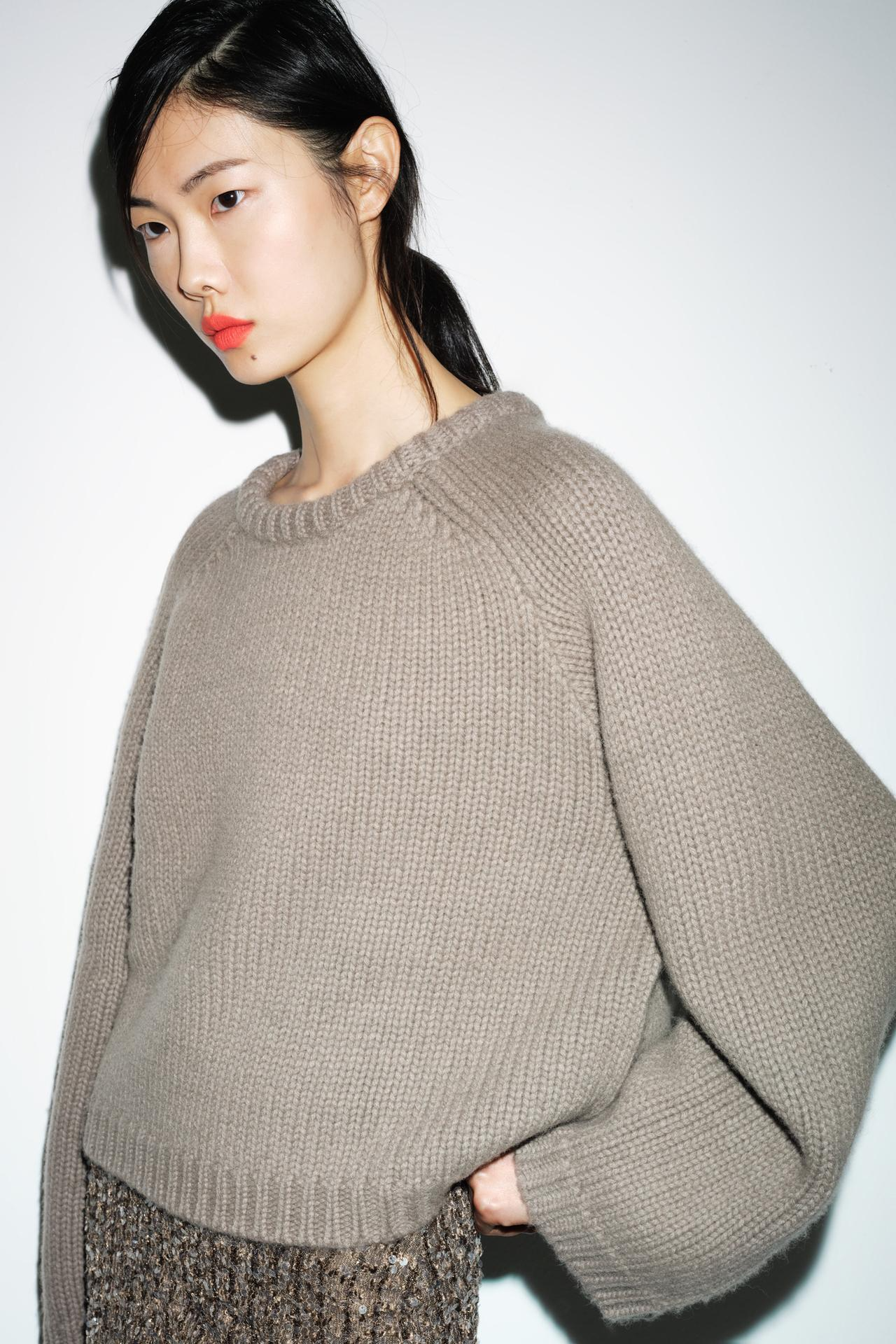
There is something quietly radical about a woman in her sixties and a woman in her thirties finding common ground in the same shopping cart. The instinct, when we hear about generational style, is to assume a divide, the daughter edits down, the mother layers on. But this story, in which a minimalist and a maximalist discovered they both wanted the same Zara wedge boots and the same corduroy pants, suggests something more interesting: that taste, at its best, is not about age but about intention. We have long believed that a wardrobe built on quiet classics outlasts seasonal noise, and this edit proves that the right pieces speak to anyone who values form, texture, and a certain unforced polish. For readers who have followed our coverage of The Winter Loafer Edit: Quiet Classics With Intentional Detail and The Quiet Authority of Loft's New Arrivals, From Sweater to Fringe, this is a natural extension: proof that ageless style is not a marketing phrase but a lived reality.
The practical takeaway here is not that Zara has suddenly become a generational unifier. It is that the brand's current collection, with its emphasis on structure, texture, and restrained ornament, happens to reward the same eye whether you are thirty or sixty. The daughter gravitated toward a beaded fringe jacket and a fitted wool coat; the mother chose a leather handbag that fooled her husband into thinking it was designer and a royal purple sweater that has saturated Instagram. These are not compromises. They are selections made from the same palette of confidence. The daughter's minimalism is not threatened by the mother's maximalism because both women are shopping from a place of self-knowledge. That is the real lesson for our readers: ageless style has nothing to do with avoiding trends or chasing them. It has to do with knowing what you want and letting the garment meet you there. The beaded bomber jacket that reads as Dries Van Noten to one woman reads as a holiday statement to the other, and both are correct.
What makes this edit worth studying is the specificity of the overlap. It is not just that both women like Zara. It is that they both want the same 100% wool boat neck sweater, the same corduroy pants, the same wedge heel ankle boots. The daughter would size up for a relaxed fit; the mother would take her true size for a more fitted look. The difference is not in taste but in proportion. That is a subtle but important distinction. It means the garment itself is sound, the silhouette, the fabric, the weight of it, and the wearer simply adjusts the ease. For anyone building a wardrobe that must work across decades, that is the signal to watch for. A piece that can be interpreted two ways is a piece that will not age out. The side pleat trousers and the satin ballet flats and the leather belted coat all fit that description.
One detail lingers: the daughter admits she is trying to convince her mother to buy the leather belted coat so she can eventually steal it. That is not a punchline. It is the most honest description of intergenerational style we have read in some time. The best wardrobes are not passed down in trunks; they are borrowed, swapped, and quietly claimed. The question this edit leaves us with is not whether Zara can dress two generations, but whether we are ready to admit that our mothers might have been right about a few things all along.