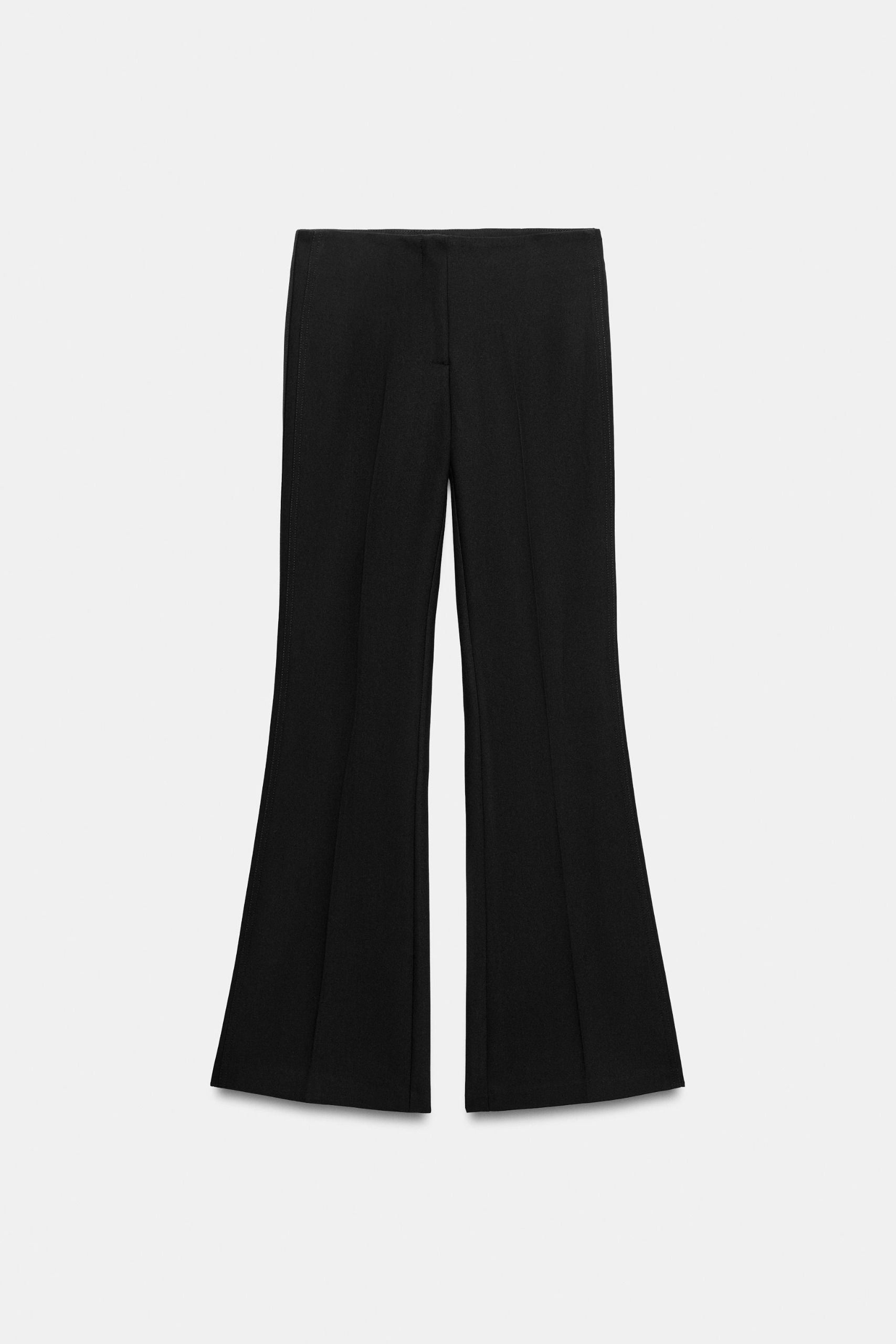
There is a quiet ritual to arriving well, and it begins long before the plane touches down. The story of dressing with intention for travel is not about performative luxury; it is about respect, for the journey, for the self, and for the shared space of transit. This perspective, passed down from a family tradition of dressing for every excursion, reframes the airport not as a limbo to endure, but as a threshold to cross with poise. We find this sensibility deeply aligned with the philosophy behind A Grey Flare Finds Its Quiet Cadence in This Season's Denim, where a single silhouette carries a mood without needing to announce itself. Here, the same restraint applies: the goal is not to be noticed, but to feel settled in one's own skin before the seatbelt sign is even turned off.
What this story offers is not a rigid dress code, but a formula born from lived experience, multiple transatlantic crossings, the trial of stiff denim on an eleven-hour flight, the quiet horror of bare feet on security floor tiles. The practical takeaways are precise and worth adopting: trousers in neutral tones, a structured button-down that moves with you, an extra layer like a cashmere sweater or trench that doubles as a blanket. Denim is permitted only if it stretches; shorts and sandals are dismissed outright. This is not about discomfort for the sake of appearance, but about choosing pieces that hold their shape and your composure. The approach mirrors the logic in The Quiet Art of Shifting from Office to Evening, where a blazer does double duty without feeling like a costume. Travel dressing, at its best, is simply the same principle applied to a different context: one outfit, many hours, no apologies.
The specific looks documented, from a Tom Ford shirt under a Sézane trench at Heathrow, to white separates and loafers for a short hop to Germany, illustrate that consistency, not novelty, is the real marker of style. The same Gucci loafer appears in multiple outfits; the L.L. Bean tote is a recurring anchor. This is not a wardrobe of disposable trends, but a curated rotation of reliable anchors. What resonates most is the acknowledgment that comfort and polish are not opposites. The writer admits to sleeping on a plane in a tailored shirt and trousers, and waking up still feeling composed. That is the quiet victory: arriving not just at a destination, but at a state of ease.
The one concrete takeaway we would urge every reader to adopt is the sock rule. It is the smallest detail in the piece, and arguably the most transformative. A spare pair of socks in your tote changes the entire experience of passing through security, of sitting in a lounge, of removing your shoes on the tarmac. It is a gesture of self-care that costs nothing in style points and returns everything in comfort. As the story makes clear, the art of arrival is not about the grand gesture, it is about the small, intentional choices that allow you to walk off the plane feeling exactly as you did when you boarded.