There is something quietly radical about learning to find beauty in the discount rack. The story of a mother who taught her daughter to hunt for treasures among markdowns, and a daughter who now shops for a living and has refined that instinct into an art, is not really about saving money. It is about taste that does not depend on a price tag. We believe that the best gift-givers are not those who spend the most, but those who have trained their eye to see value where others see leftovers. This is the difference between buying something expensive and buying something that simply looks like it.
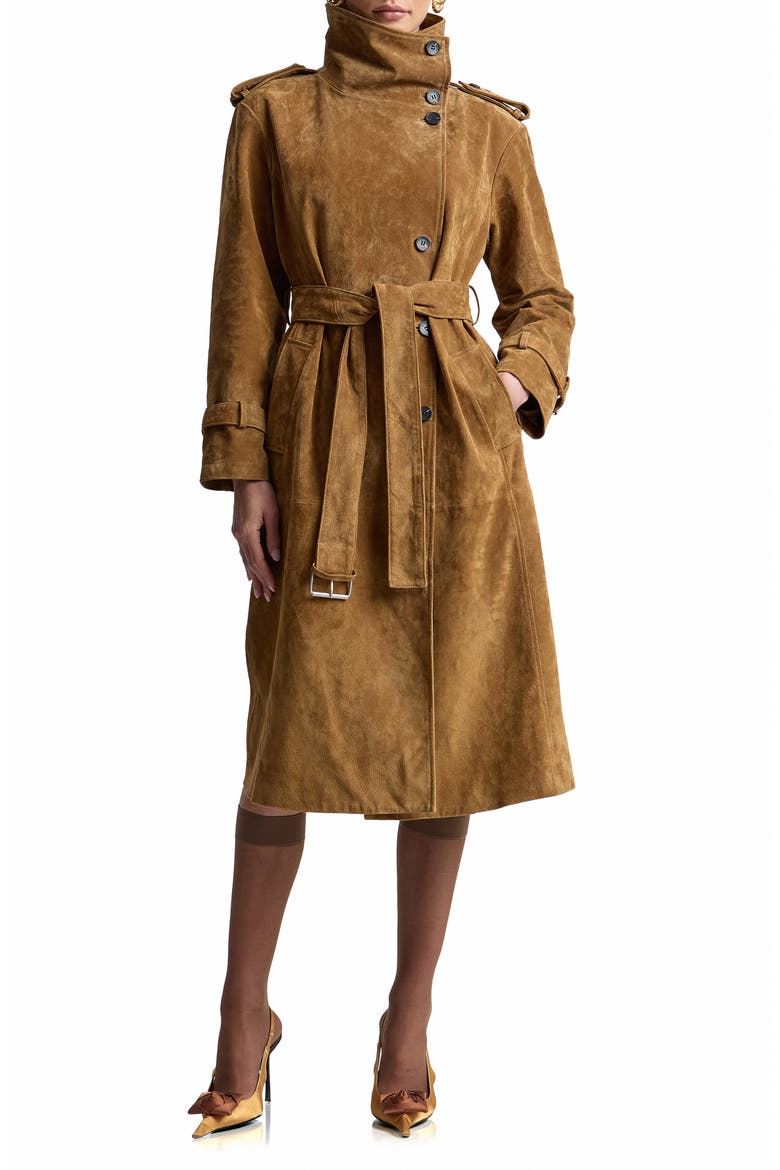
The daughter in this story has clearly surpassed the master, but not in the way you might expect. She has not abandoned her mother's thrift-store ethos; she has elevated it. Now, instead of garage sales, she hunts at Nordstrom's sale section, where the same principles apply: look for structure, texture, and silhouette that reads as intentional. A suede bag with a good statement pocket. A trench coat that gives off millionaire energy even at a two-hundred-dollar discount. This is the same quiet investment in quality that we explored in A quiet investment in cool, Banana Republic's collab at a refined discount, where refinement comes from knowing what to look for, not how much to spend. And just as The Neat Woman's Quiet Return to Refined Winter Style argues for pressing out the creases of winter dressing with intention, this approach to gifting asks us to press out the noise of retail frenzy and focus on what actually holds its shape.
What strikes us most is the emotional inheritance at play. The mother taught the daughter to sift through racks, but the daughter has turned that lesson into a philosophy. She does not buy a cashmere hoodie because it is under two hundred dollars; she buys it because cashmere at that price is a quiet victory of knowledge over marketing. She picks a Le Creuset set not because she is a cookware devotee, but because recognizing a two-hundred-and-sixty-five-dollar discount on a piece that will last decades is its own form of intelligence. This is not bargain-hunting as desperation; it is bargain-hunting as self-possession. The daughter now has things to teach her mother, that Nordstrom markdowns can rival thrift-store scores, that a phone lanyard is not a boomer accessory but a functional luxury, that a tomato-scented candle is this season's leopard print. The student has become the editor.
The concrete takeaway here is simple and worth stating directly: the art of gifting well is not about the price you pay, but about the discernment you bring to the search. For the mother in this story, that means a Stanley tumbler she never knew she needed. For the rest of us, it means looking at a sale rack not as a compromise, but as a canvas. The question worth sitting with is not whether the deal is good enough, but whether the object itself would hold its own at full price. If the answer is yes, you have already won.