There is something quietly radical about a gift guide that refuses to equate cost with care. The premise is simple: the best presents feel intentional, not expensive. And yet, in a culture that often uses price tags as shorthand for thoughtfulness, curating a list of objects that are both luxurious and under twenty-five dollars feels less like a shopping roundup and more like a manifesto. It aligns with a kind of quiet mastery we admire elsewhere, the same sensibility that makes Dakota Johnson Settles Into Her Era of Quiet Dadcore Style so compelling, or that elevates The Quiet Mastery of Dressing a Child in Layers into an art form. True refinement is never about excess; it is about knowing exactly what a moment requires.
What makes these selections feel elevated is not their price point but their specificity. A Diet Coke candle that smells exactly like the real thing is not a generic gag gift; it is a knowing nod to someone who has a relationship with that particular can. A ceramic book vase shaped like *Pride and Prejudice* does not just hold flowers, it signals a shared appreciation for the way a space can feel both literary and alive. These are not items chosen to impress a crowd; they are objects chosen to reflect an individual. That is the difference between giving well and simply giving. The pearl scrunchies, the merino wool scarf, the mosaic table lamp with its dimmable bulb, each one implies a small intimacy. You had to notice something about this person to pick this thing.
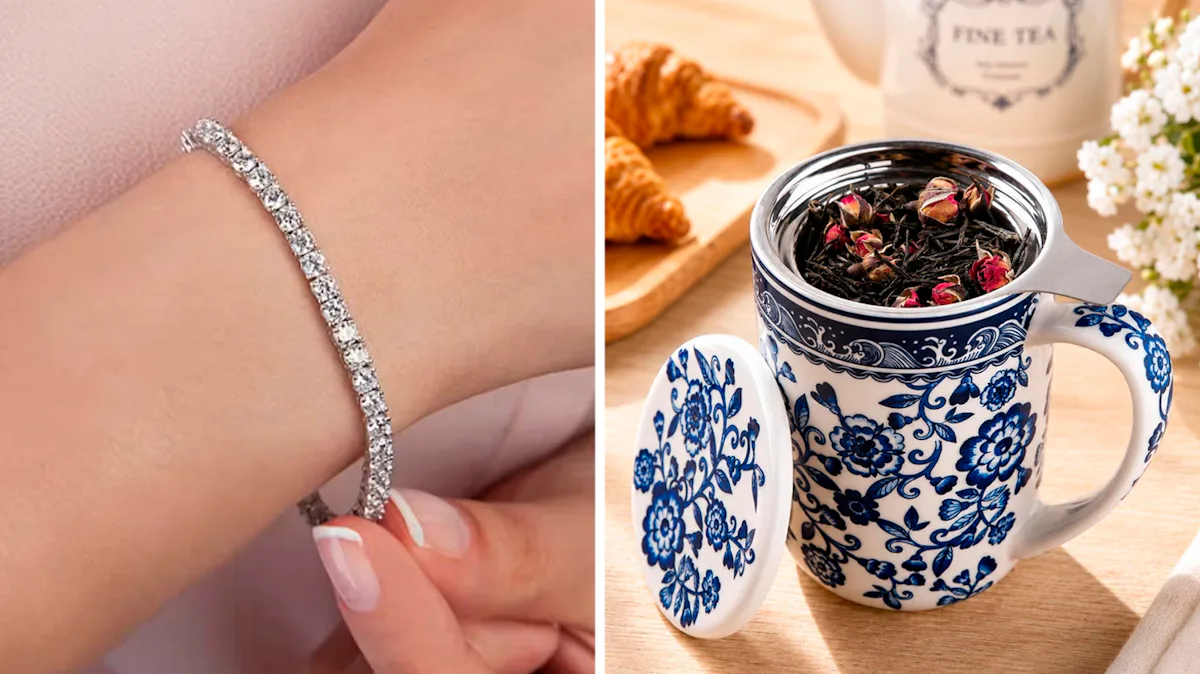
Our take is this: the most luxurious gift you can offer is the proof that you pay attention. A gold-plated tennis bracelet that sparkles like diamonds may cost a fraction of the real thing, but the gesture it carries, "I know you love that classic, refined look", is priceless. The same logic applies to the shower steamers made with real essential oils, or the dot-by-letter pads designed for screen-free unwinding. These are not compromises. They are choices, made with the same intentionality we bring to our own homes, our own rituals, our own sense of self. The person who receives a textured chenille throw with tassel trim is not thinking about what it cost; they are thinking about how it feels, how it drapes, how it makes their sofa look like a place they want to curl into.
What stays with us, though, is the paw print keepsake kit. It is the most emotionally specific item on the list, a DIY mold for a pet's paw, intended for a Christmas ornament. It requires the giver to know that this person loves their dog or cat in a way that is almost tenderly private. That is the final, concrete point: giving well is not about the size of the budget. It is about the size of the observation. The best gifts are the ones that make the recipient feel seen, not spoiled. And that, perhaps, is the quietest luxury of all.