There is something quietly radical about a wardrobe that costs less than three hundred and fifty dollars yet reads as entirely intentional. The Smart Spend's latest edit proves what many of us have suspected all along: polish has never been a function of price, and the real luxury lies in knowing exactly what to reach for. This is not a guide to bargain hunting; it is an argument for restraint. The pieces here, a tailored coat from J.Crew, a suede jacket from H&M, a satin blouse from Cos, do not shout for validation. They sit quietly in a wardrobe, doing the work of texture, silhouette, and colour that a logo never can. That is the point. Great style has always been about how things fall together, not where the receipt lands.
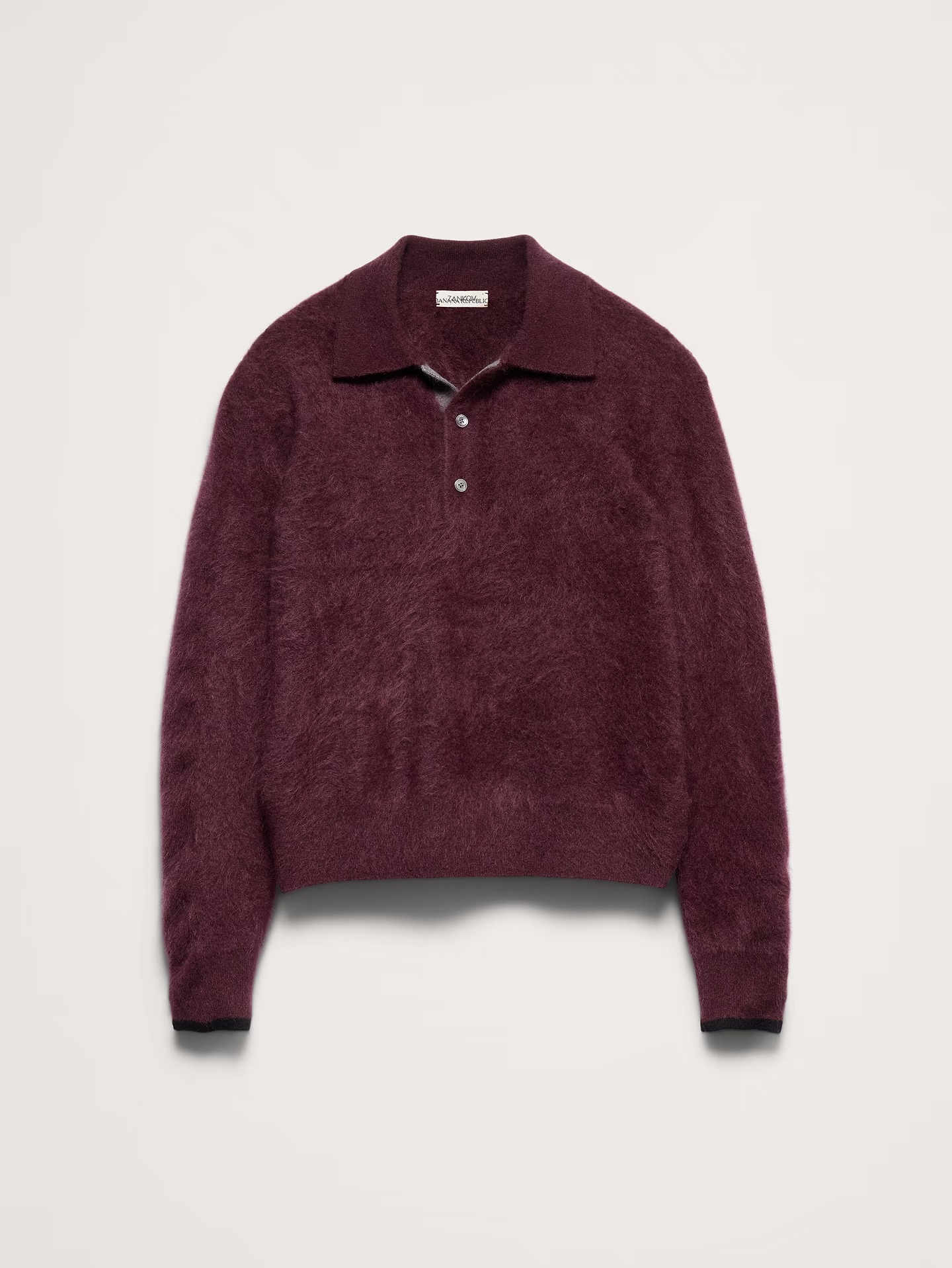
What makes this edit feel particularly timely is how it aligns with a quieter, more introspective approach to dressing. In a season where Cobalt Blue Cuts Through Winter's Quiet Gloom, the palette here leans toward rich earth tones and quiet neutrals, a counterpoint to the bright jolt of cobalt, yet equally intentional. And when Soft Knits and Quiet Elegance Define This Season's Edit, the inclusion of a Fair Isle sweater from Alex Mill and a cashmere-blend polo from the Banana Republic and Zankov collaboration feels less like coincidence and more like a throughline. The thread is restraint: knowing that a single well-chosen piece can anchor an entire season. There is no clutter here, no trend-chasing. Just the quiet confidence of a wardrobe built on discernment.
The practical takeaway is not a shopping list. It is a shift in mindset. The most expensive item in this edit hovers just under three hundred and fifty dollars, yet the silhouettes, the cocoon coat from Madewool, the embroidered midi skirt from Zara's Zw line, the structured clutch in calf hair, carry the same visual weight as pieces five times the price. That is not luck. That is knowing where to invest: in texture over trend, in silhouette over logo, in the finishing touches, a sharp loafer, a polished shoulder bag, that elevate everything beneath them. The finishing touches are not an afterthought. They are the anchor.
What remains, then, is a question worth sitting with. If the barrier to a polished, intentional wardrobe is not price but discernment, what else might we be holding back on? The answer, I suspect, is not more clothes. It is a deeper trust in our own eye. The ritual of dressing well is not unlike the ritual of rest: both require the willingness to slow down, to choose deliberately, and to trust that less, when chosen well, is always enough.