## Our Take: The Quiet Revolution of "No Makeup" Makeup and the Enduring Allure of Subtle Enhancement
The pursuit of effortless beauty has long been a cornerstone of modern aesthetics, and the recent resurgence of the "no makeup" makeup look underscores a significant shift in how we perceive and approach cosmetics. As highlighted in the recent piece on natural-looking mascaras, the industry’s focus is increasingly centered on enhancing, rather than masking, inherent features. This isn't a new phenomenon, of course; the concept has ebbed and flowed over decades. However, the current iteration feels particularly resonant, driven by a cultural desire for authenticity and a rejection of heavily filtered, often unattainable, ideals presented online. It's a reflection of a broader movement towards mindful consumption and a more nuanced understanding of self-expression. Consider, for example, the rise of understated elegance showcased in [The 6 Sneakers Already Dominating Summer 2026], where even footwear prioritizes timelessness and subtle detailing over overt branding. This echoes the sentiment of the "no makeup" makeup trend – it's about amplifying what’s already there, not creating something entirely new. The desire to appear effortlessly chic is intrinsically linked to this broader aesthetic sensibility, and a key component of achieving that look is the careful selection of products that enhance, rather than disguise.
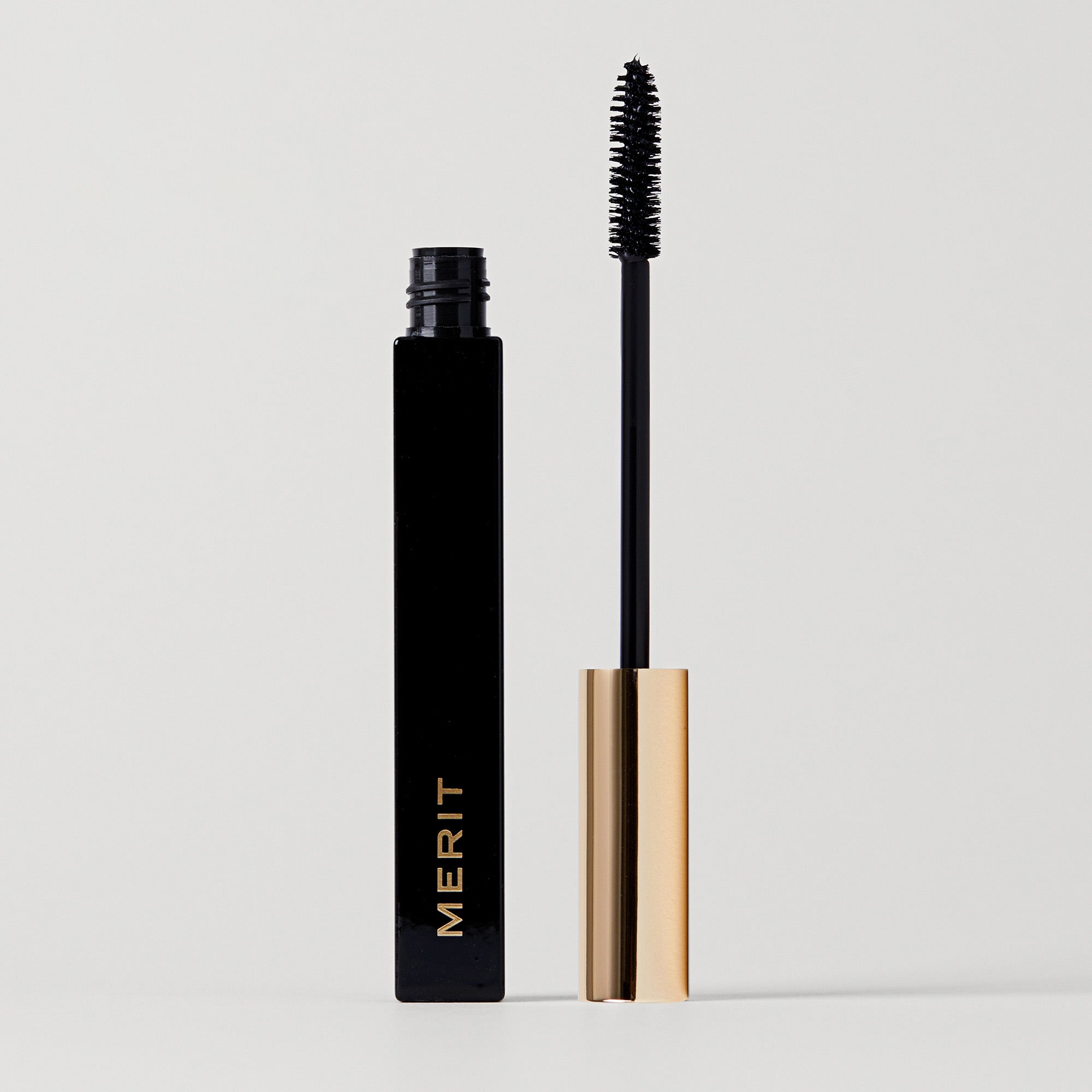
The appeal of a "no makeup" makeup look, as expertly articulated by beauty professionals, lies in its ability to create a luminous, healthy appearance with minimal effort. Achieving this requires a considered approach, prioritizing high-quality products that blend seamlessly with the skin and offer a subtle, natural finish. The article's focus on mascara as a key element is particularly insightful. Rather than the volumizing, lengthening formulas of the past, the emphasis is now on mascaras that deliver definition and separation without appearing artificial. It’s a delicate balance, requiring products that enhance the natural curl and length of lashes without creating clumps or a heavy, cakey appearance. This mirrors the wider trend toward simplified wardrobes – fewer, higher-quality pieces that work together to create a polished, effortless look, as demonstrated in [Get Ready for the Heatwave! 5 Easy Summer Outfits That are Low Effort, High Impact]. Both scenarios highlight the value of investing in foundational elements that elevate your overall aesthetic, rather than relying on fleeting trends. The current consumer is increasingly seeking longevity and versatility in their purchases, a philosophy that extends from fashion to beauty.
Beyond the purely aesthetic, the rise of "no makeup" makeup speaks to a deeper cultural shift. There’s a growing awareness of the detrimental effects of unrealistic beauty standards, and a desire to embrace natural aging and individual differences. This isn’t about abandoning makeup altogether; rather, it’s about redefining its purpose. Instead of striving for an impossible ideal, the focus is on celebrating individual beauty and using makeup as a tool for self-expression and confidence. This perspective also aligns with the curated, understated luxury that characterizes current taste – a sensibility echoed in the selection of timeless pieces featured in [The Best Summer Dresses From Nordstrom, Period]. The emphasis is on quality, craftsmanship, and enduring style, rather than fleeting trends or ostentatious displays. The beauty industry is responding to this demand by offering more minimalist, skin-like formulations that prioritize a natural, healthy glow.
Ultimately, the enduring appeal of "no makeup" makeup suggests a broader cultural recalibration. The era of maximalism seems to be waning, replaced by a desire for authenticity, simplicity, and understated elegance. As we move forward, it will be interesting to observe how the beauty industry continues to evolve in response to this shift, and whether the focus on subtle enhancement will lead to a greater acceptance and celebration of natural beauty in all its forms. Will we see a further decline in the demand for heavily pigmented or transformative makeup products, or will the pendulum swing back towards more dramatic looks? And perhaps more importantly, how will the rise of AI-generated imagery and personalized beauty solutions impact our perception of what constitutes "natural" beauty?