The Aughts Effect is Everywhere
Our take
The resurgence of the aughts aesthetic isn’t merely a trend; it’s a cultural echo, a nostalgic yearning for a specific moment in time refracted through the lens of contemporary sensibilities. The article’s observation that 2006 was a pivotal year for cultural iconography is astute. It was a period defined by a particular brand of aspirational excess, a glossy, often manufactured glamour that now feels both familiar and strangely distant. We’re seeing it manifest everywhere, from runway collections to street style, a testament to fashion's cyclical nature and our collective fascination with revisiting the past. The current iteration, however, is subtly different. It’s not a wholesale replication of low-rise jeans and velour tracksuits; rather, it’s a curated selection, a refined distillation of the era's most compelling elements. Consider Kristen Stewart Proves the "Wrong Shoe Theory" Right in Adidas Samba Sneakers and a Leather Evening Dress, a perfect example of this modern interpretation – a playful subversion of expectations that honors the spirit of the aughts while remaining firmly rooted in today’s style landscape. The key is discernment; it’s about choosing the *right* pieces, the ones that resonate with a contemporary understanding of luxury and individuality.
What’s particularly interesting is the way this trend is intersecting with the broader conversation around workwear and elevated basics. The article’s mention of The Fall Workwear Essentials That Make Getting Dressed for the Office Easier highlights a desire for practicality and polish – qualities that were often overshadowed by the more flamboyant aspects of the aughts. There’s a sense of wanting to ground the nostalgia in something tangible, something functional. The aughts were often about surface-level appearances; today, there’s a greater emphasis on substance and longevity. Even the return of brands like Lein, as seen in August Temps Couldn't Stop Anne Hathaway From Styling an All-Black Summer Look, speaks to this shift. These brands represent a quality and heritage that transcends fleeting trends, offering a sense of timelessness that aligns with the current emphasis on mindful consumption. It’s not about chasing the latest micro-trend; it's about investing in pieces that will endure, pieces that tell a story.
The broader significance of this aughts revival lies in its reflection of our current cultural mood. After years of minimalist aesthetics and a focus on functionality, there’s a collective desire for a bit more personality, a bit more joy. The aughts, for all their flaws, represented a period of uninhibited self-expression, a willingness to experiment and embrace individuality. While the overt displays of wealth and celebrity worship of that era are less appealing today, the underlying spirit of creativity and self-assuredness remains relevant. This isn’t about recreating the past; it’s about drawing inspiration from it, reinterpreting it through a contemporary lens, and using it to inform our own personal style narratives. The aesthetic allows for a playful exploration of identity, a freedom to embrace bolder silhouettes and unexpected pairings, all while maintaining a sense of effortless cool.
Ultimately, the “Aughts Effect” is a reminder that fashion is not a linear progression; it’s a conversation, a constant dialogue between the past, present, and future. As we continue to navigate a rapidly changing world, revisiting these cultural touchstones allows us to understand ourselves better and to define our own unique style narratives. The question now becomes: how will this nostalgia evolve? Will it continue to refine and elevate, or will it devolve into a predictable imitation of the past? And, perhaps more importantly, what other eras will we turn to for inspiration in the years to come, and what will those revivals reveal about our evolving cultural landscape?
If you, like me, lived through the aughts, you'll never forget 2006. The year was prolific for minting cultural icons: it's when Taylor Swift released her debut album, "The Devil Wears Prada" hit theaters, "The Real Housewives" dropped its first season, everyone was watching "High School Musical" for the first time, and yes, Popsugar was born. (It's also when I went all-in on tanning beds and chunky highlights — two things I'm glad to leave firmly in the past.)
As we celebrate our 20th anniversary as a media brand, I've been thinking a lot lately about what it must have been like to launch a website back then, at the height of the celebrity blog era. Despite so much good happening in the world of entertainment, the cultural commentary online was brutal: body shaming headlines, invasive paparazzi shots, brutal takedowns by strangers on the internet. That also created an opportunity: Popsugar emerged as the bright spot.
"I wanted it to be a safe space," founding editor Lisa Sugar recently told me. Lisa started the company in 2006 (well, technically, she started blogging in 2005, but PS officially became incorporated the following year) with her husband Brian and some friends as a place to celebrate all the things she loved in pop culture. Quickly, the site became embedded in the cultural moment that defined millennial fandom. By the time Lisa hired me to run the beauty department eight years ago, Popsugar had a global audience and coverage that spanned fitness, fashion, beauty, fitness, food, and parenting.
If you look around today, the impact of the early aughts is everywhere. Two decades later, and we're getting reboots, reunions, and returns of the 2000s fashion and beauty trends we all know and love. Many icons have evolved in the years since, including Popsugar. So to mark the milestone, we're taking you back to the decade that's defined and endured against all odds. When reality TV, mall fashion, and celebrity blogs (ahem) shaped what people talked about. And importantly, we're exploring what the comeback of all the above says about society now.
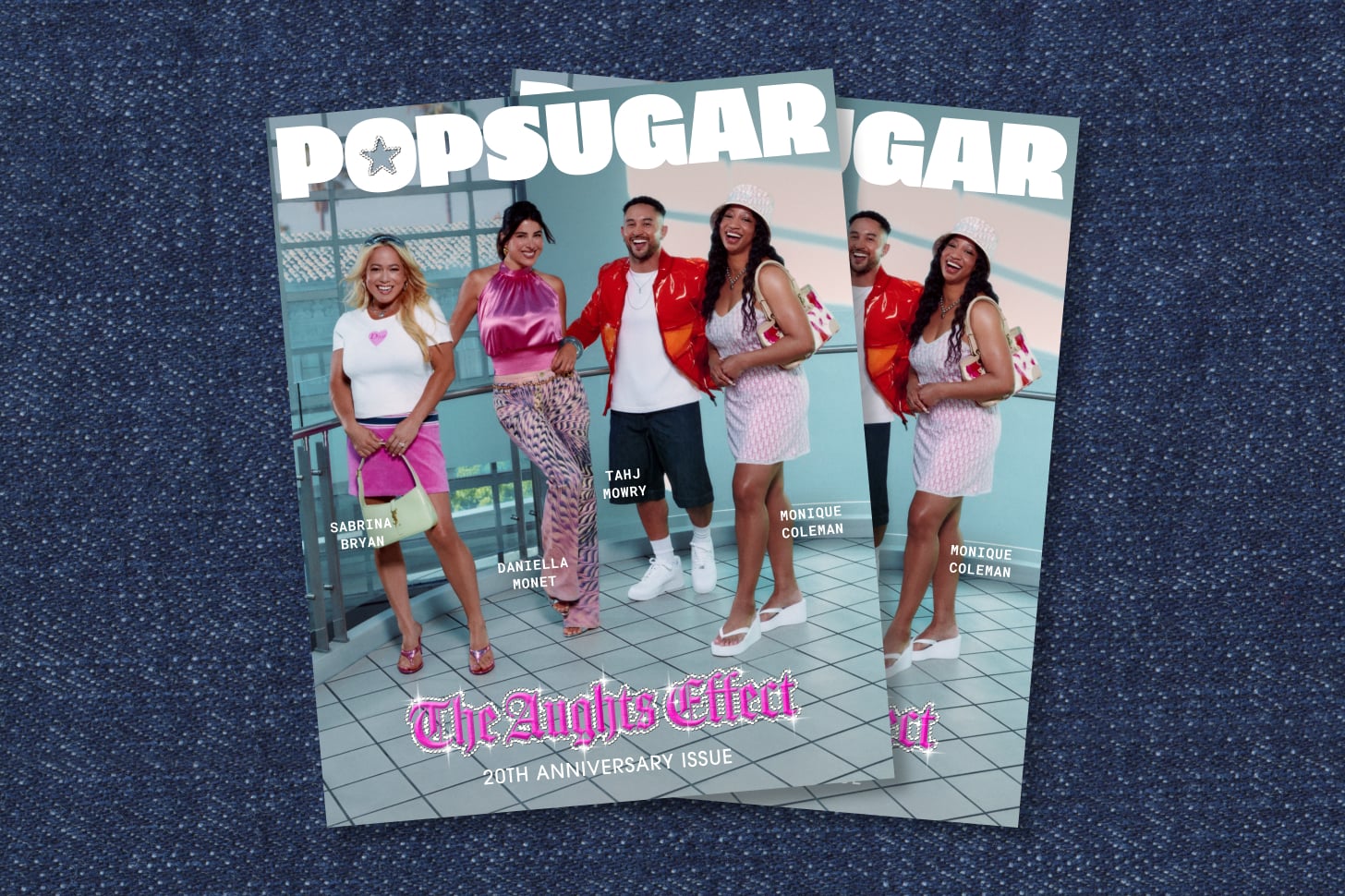
I hope you'll join us in reliving the magic with each of our cover stories — featuring Tahj Mowry, Monique Coleman, Daniella Monet, and Sabrina Bryan — and dive into the feel-good effect of all your favorite moments making a grand return in 2026.
I also hope you'll enjoy my conversation below with Lisa Sugar, the person who dreamt up this special little corner of the internet, as she reflects on how it all came to be.
Kelsey Castañon: Take me back to 2006. What was the media landscape like then, and what did you want Popsugar to be?
Lisa Sugar: In 2006, media websites weren't a thing on the internet. There was Gawker and Perez Hilton, basically a lot of really snarky stuff. When it came to the established brands, there was just nothing online. People magazine was a landing page to getting subscriptions. At the same time, blogs were starting to pop up and there were community forums where you could find celebrity street style photos that would later end up in print. But the paparazzi was ruthless, the comments were horrible. When Popsugar first started it came from that celebrity fan angle — just wanting to celebrate and support them from a positive place.
Our original vision was to recreate a newsstand online, all in one place. I worked in advertising and got access to all the magazines for free — I loved Glamour, Lucky, all of them. It was just so slow; you got them monthly. Even with the weeklies, by the time you got the issue on Friday the photos were a week old. I realized we could deliver the news much faster. I would review TV pilots and new movies and books before they dropped. I knew I wanted to integrate shopping early on, because then I could share the beauty products I loved as much as I wanted.
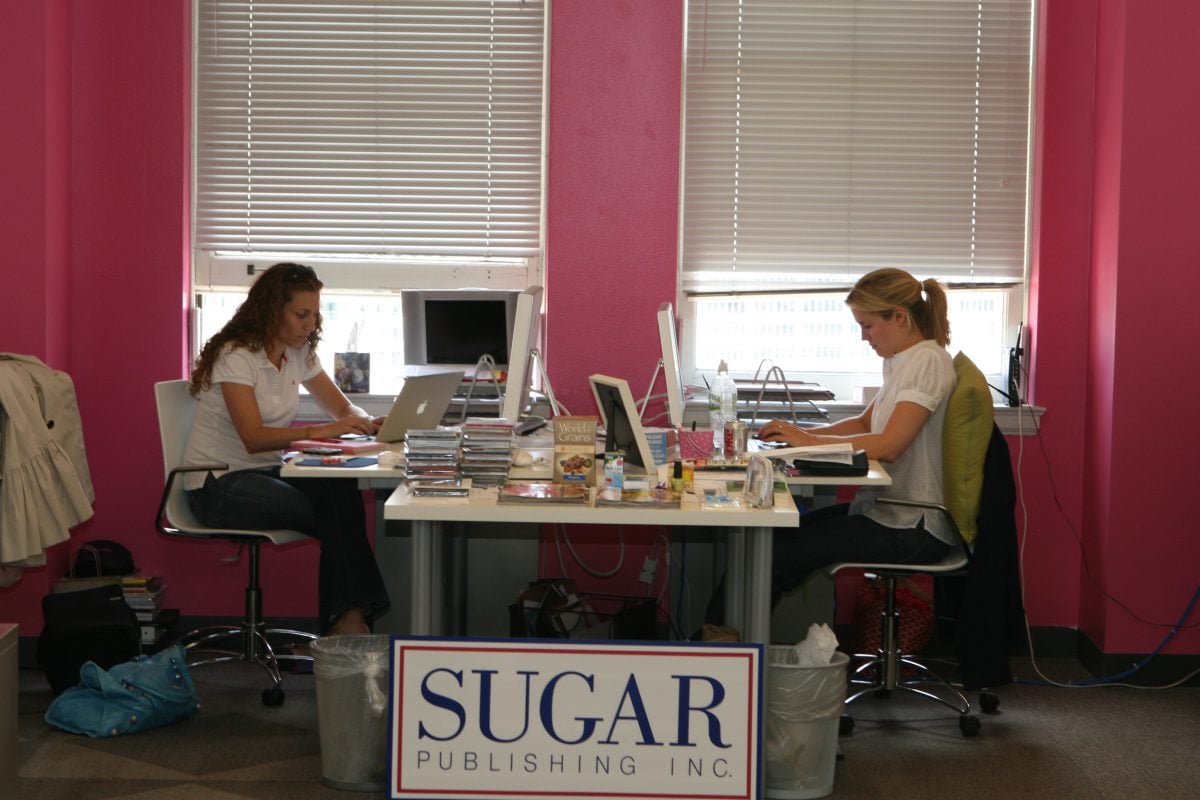 Image Source: Lisa Sugar
KC: What's one celebrity story or pop culture moment that changed everything?
LS: There were two big moments that put Popsugar on the map. The first was when Renée Zellweger got married to Kenny Chesney. When the news broke I got access to the only photo and published it three days before any other media outlet. Traffic just took off, and it also brought in people who wanted to partner with and invest in us, like NBC. The other is when I got early access to the Vanity Fair [issue] featuring Jennifer Aniston's first interview post-Brad Pitt. I was able to cover the highlights, and the response was just huge.
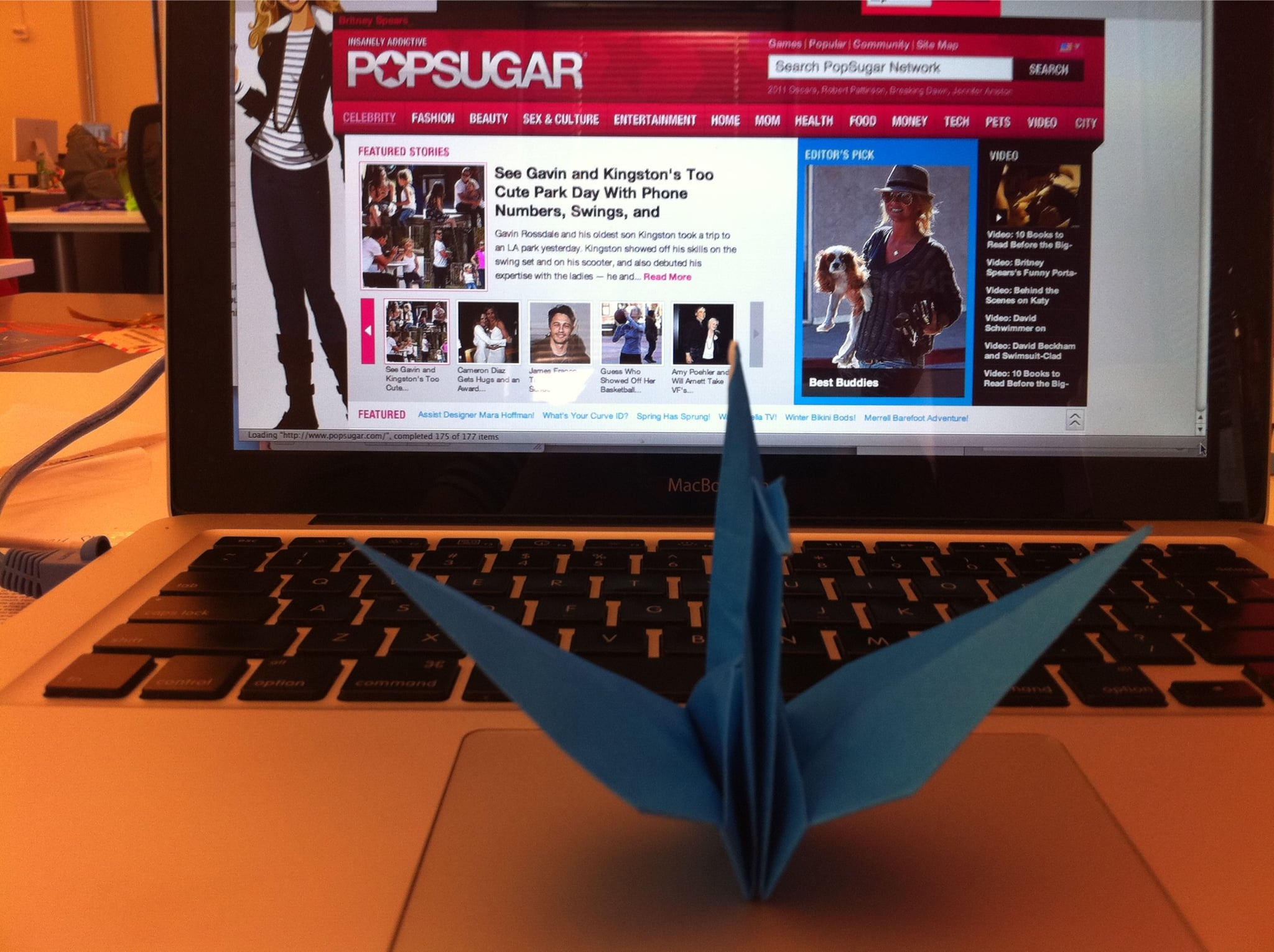 Image Source: Lisa Sugar
KC: Tell me about those early days of starting the brand. When did you know it was something special?
LS: In the first year we probably had a dozen employees. I was 29. I just had a baby. I was like, "Do people want a baby in the office? This is weird." But we were all just building this thing, and we became close like family.
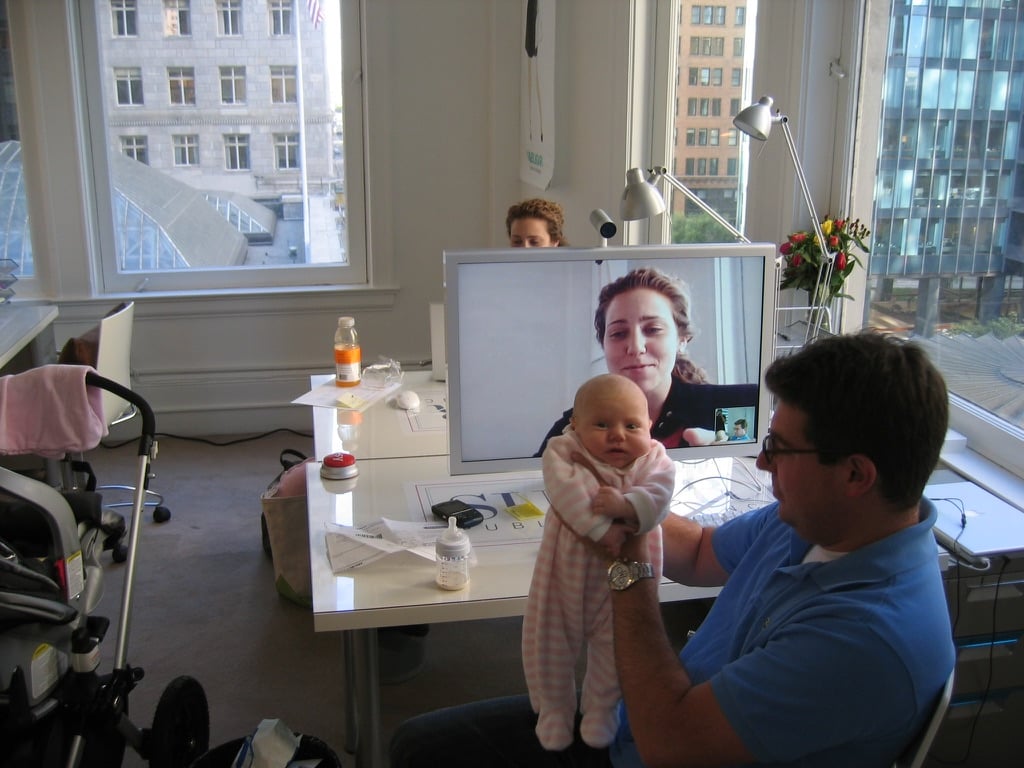 Image Source: Lisa Sugar
We were also growing like crazy. Within nine months we had a million people come to the site, and they're coming back multiple times a day. Then within that first year we started launching other verticals. Dear Sugar was our advice column, Fab Sugar was for fashion, Bella was beauty, Fit was fitness. Eventually we had 11, and each site had an avatar inspired by a celebrity. Of course no one knew they were inspired by celebrities, but that's how we [the editors] thought of them; we had Jessica Alba, Jessica Simpson, JLo, Kerry Washington. . .
KC: This was all before social media existed. How did you know what verticals people would respond to? LS: All the places you go now, the community forums like Reddit, they didn't exist. So we built them. We were noticing in the comment section on popsugar.com that people were becoming friends and standing up for each other. We set the precedent: we don't talk crap here in the comments. Go somewhere else for that. Eventually we noticed people started having conversations in the comments, like "What are you reading?" or "What are you cooking?" so we listened to that. We launched Yum Sugar. And then within all these sites, we then launched community forums, and people went fucking crazy. All the beauty reviews went nuts, which was a huge category for us. Then we launched recipes. Overnight we had 20,000 people submitting recipes. The forums told us what people wanted. We were ahead of our time back then, people weren't doing that kind of stuff then, but community — that's still everything. Read all the Aughts Effect stories here.Read on the original site
Open the publisher's page for the full experience