There is something quietly profound when two women with distinctly individual style languages arrive at the same shoe. Dakota Johnson and Kendall Jenner's recent outing in matching ballet flats was not a case of accidental duplication, but rather a moment of aligned intuition, proof that great wardrobes think alike without needing to coordinate. This is not about trends; it is about a shared understanding of what feels right. As we step into a season where 2026 steps into color, leaving neutral ballerinas behind, this sighting reminds us that the ballet flat remains a foundation piece, capable of grounding the most divergent outfits in a single, quiet truth.
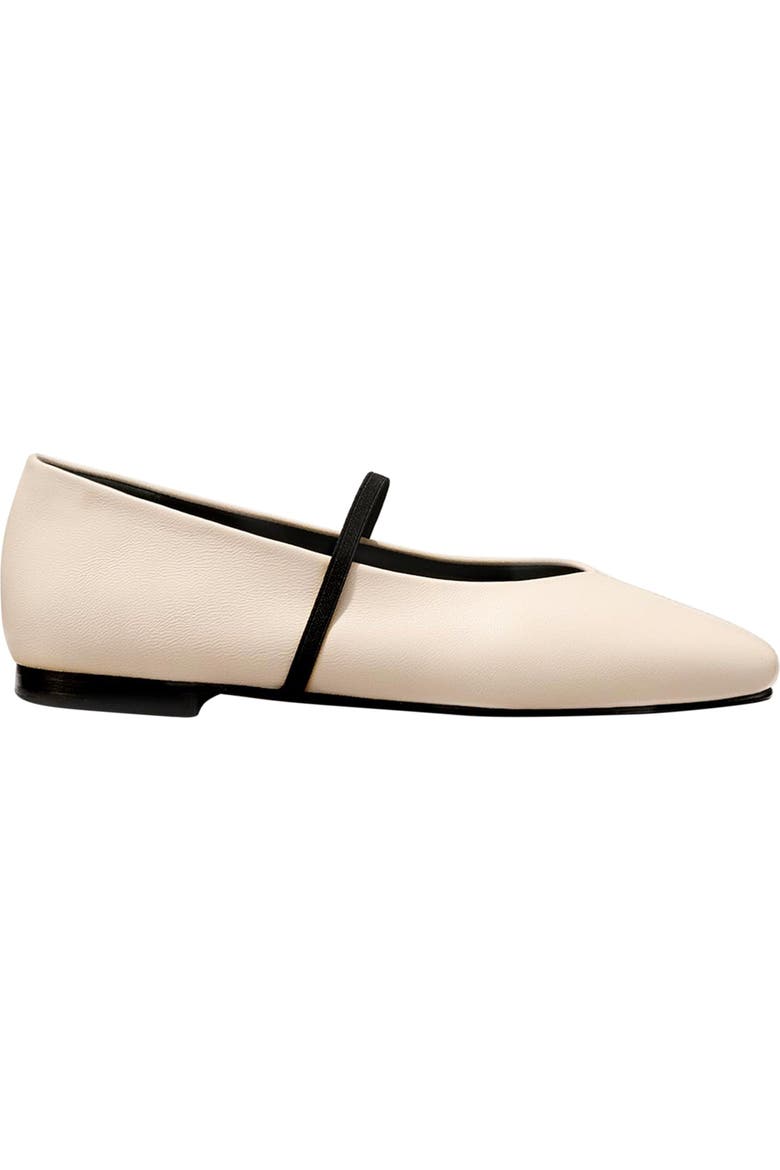
Johnson and Jenner did not wear the same shoe, but they spoke the same language. Johnson paired her white, Mary Jane-strapped flats with jeans, a brown leather bomber, and a Celine clutch, a look that read relaxed, effortless, and lived-in. Jenner, by contrast, chose a butter yellow Conner Ives coat with fur trim, a satin blouse, and black leather flats from The Row, leaning into winter's embrace of the robe coat. Both women understood that the ballet flat does not compete; it completes. It allows the rest of the outfit to breathe. This is the kind of styling intelligence that cannot be taught, it is felt. For our readers, the takeaway is clear: the ballet flat is not a uniform, but a permission slip. It says you can wear jeans or satin, leather or cashmere, and still land on the same elegant note.
This moment also reveals something about the nature of influence in 2026. Neither Johnson nor Jenner is chasing the same silhouette; they are chasing the same feeling. That feeling is one of quiet authority, of knowing that a shoe does not need to announce itself to be noticed. It is the same sensibility that has made the quiet return of statement sneakers, grounded in refined confidence so compelling, a recognition that the most powerful accessories are those that serve the wearer, not the other way around. Johnson and Jenner are not influencers in the traditional sense; they are muses of their own making. Their closets overlap because their instincts overlap. That is the kind of alignment worth observing.
What makes this sighting particularly worth noting is how it reframes our relationship with the ballet flat. For years, the shoe has been dismissed as a minimalist cliché, a safe choice for those afraid of color or texture. But Johnson and Jenner prove otherwise. The ballet flat is not a default; it is a decision. It requires confidence to wear a shoe that does not shout, that asks the observer to look closer. As we watch these two women navigate their friendship in designer dresses and leather bombers, the ballet flat becomes the unspoken thread, a symbol of style that is both personal and shared. The question it leaves us with is not whether to buy the shoe, but whether we have the restraint to wear it well.