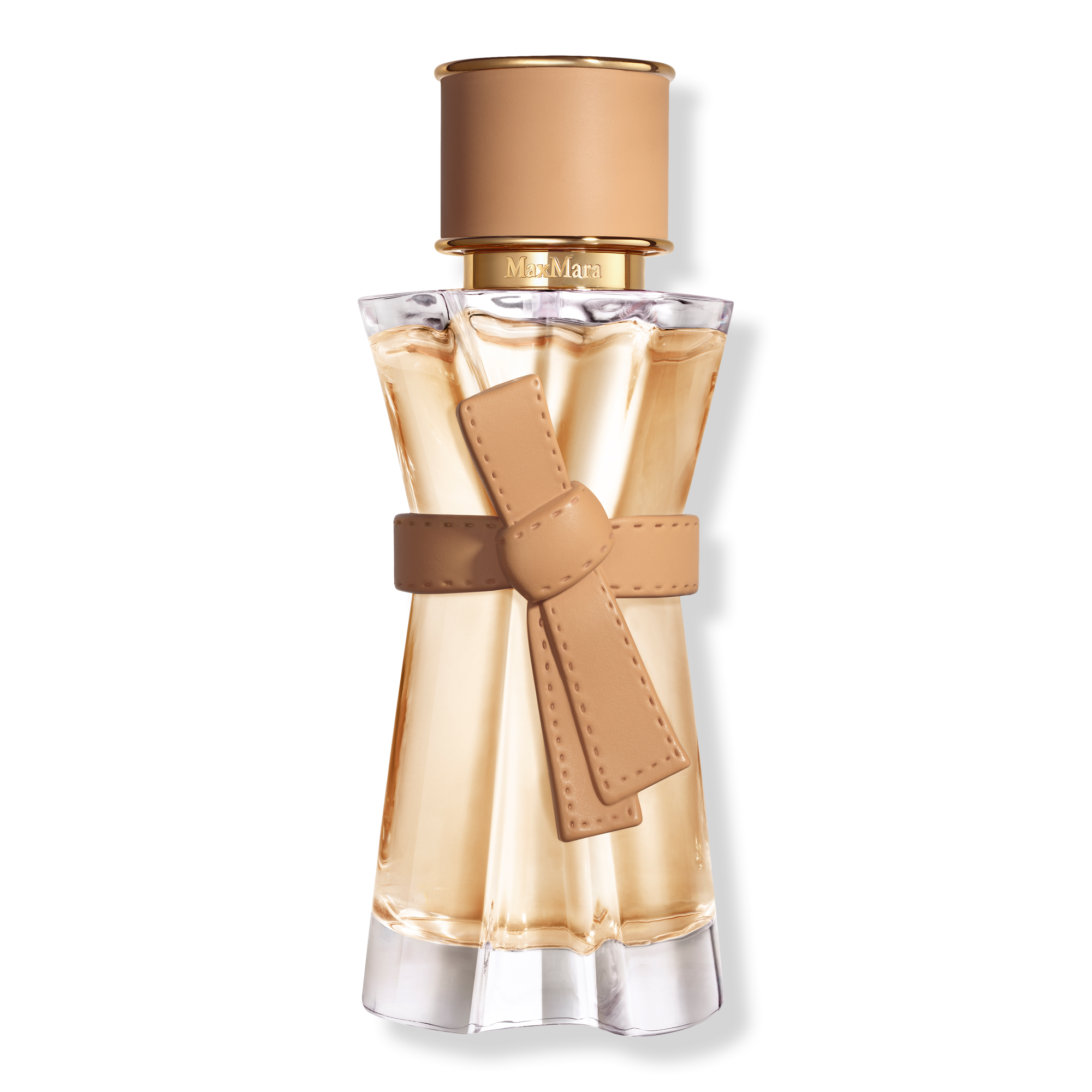
There is something quietly radical about a beauty director bypassing every buzzy new launch to name a single fragrance as her holiday gift pick. When Stephanie Johnson chose Max Mara Le Parfum, I understood immediately. This is not a scent that competes for attention; it is one that earns trust. And in a season defined by noise, the lists, the deadlines, the pressure to find something that says *I see you*, trust is the most generous thing you can give.
For years, we have watched Quiet Luxury Finds Its Moment in Nordstrom's Early Beauty Sale and admired how The Quiet Luxury of Scent That Completes the Outfit can transform the everyday into something intentional. Max Mara's first perfume lives in that same space, refined, unhurried, entirely self-assured. Johnson called out its ethos, "my fragrance, my invisible coat," and that phrase is the key to why this gift works. A coat does not shout; it wraps. It becomes part of how you move through the world. To gift this is to say: I want you to feel like yourself, only more so. That is the difference between a present and a gesture.
The fragrance itself mirrors that restraint. Tuberose is often treated as a diva note, but here it is woven through sandalwood and cedarwood into something velvety and warm, a subtle embrace rather than a declaration. Johnson noted that most scents are difficult to gift because they feel like an imposition of taste, yet this one suits nearly everyone precisely because it does not try to dominate the room. It melts into the skin and stays there, long-lasting without demanding reapplication. That staying power matters. A gift that lingers is a gift that continues to say something long after the ribbon is tossed. I think that is why she called it "confidence in a bottle." Not confidence that shouts, but the quiet kind, the kind you spritz on before a first date or a big presentation, not to prove anything, but to remind yourself who you already are.
What I find most compelling is how this choice reframes gifting entirely. We tend to treat holiday presents as transactions: find the item, check the box, move on. Johnson's pick suggests a different approach. She is not recommending a product; she is recommending a feeling, one that is polished, intimate, and deeply personal. The takeaway is direct: when you choose a gift that feels like an extension of someone rather than an addition to their shelf, you stop shopping and start seeing. That is the point of quiet luxury. It is not about what you give. It is about what you communicate without saying a word.