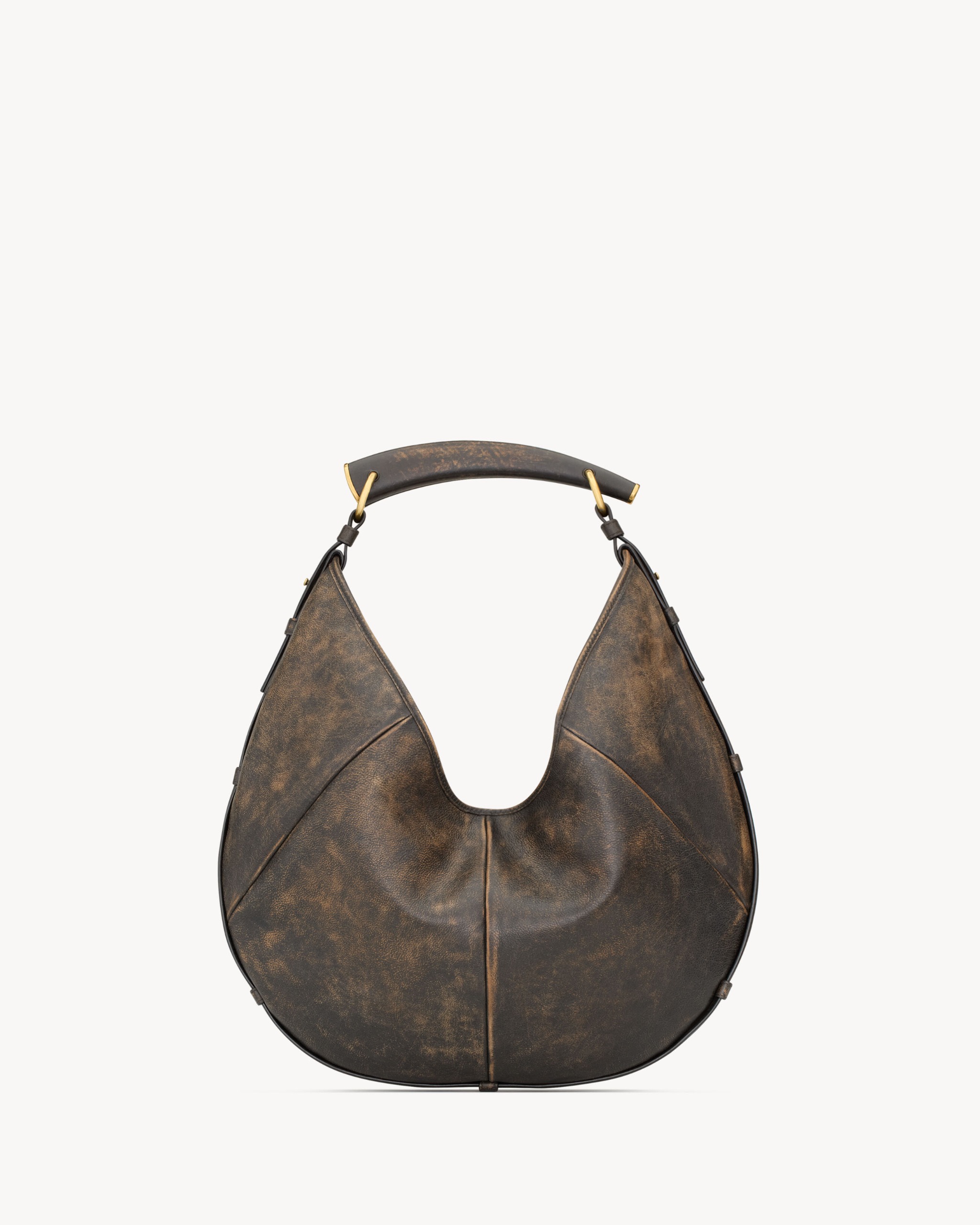
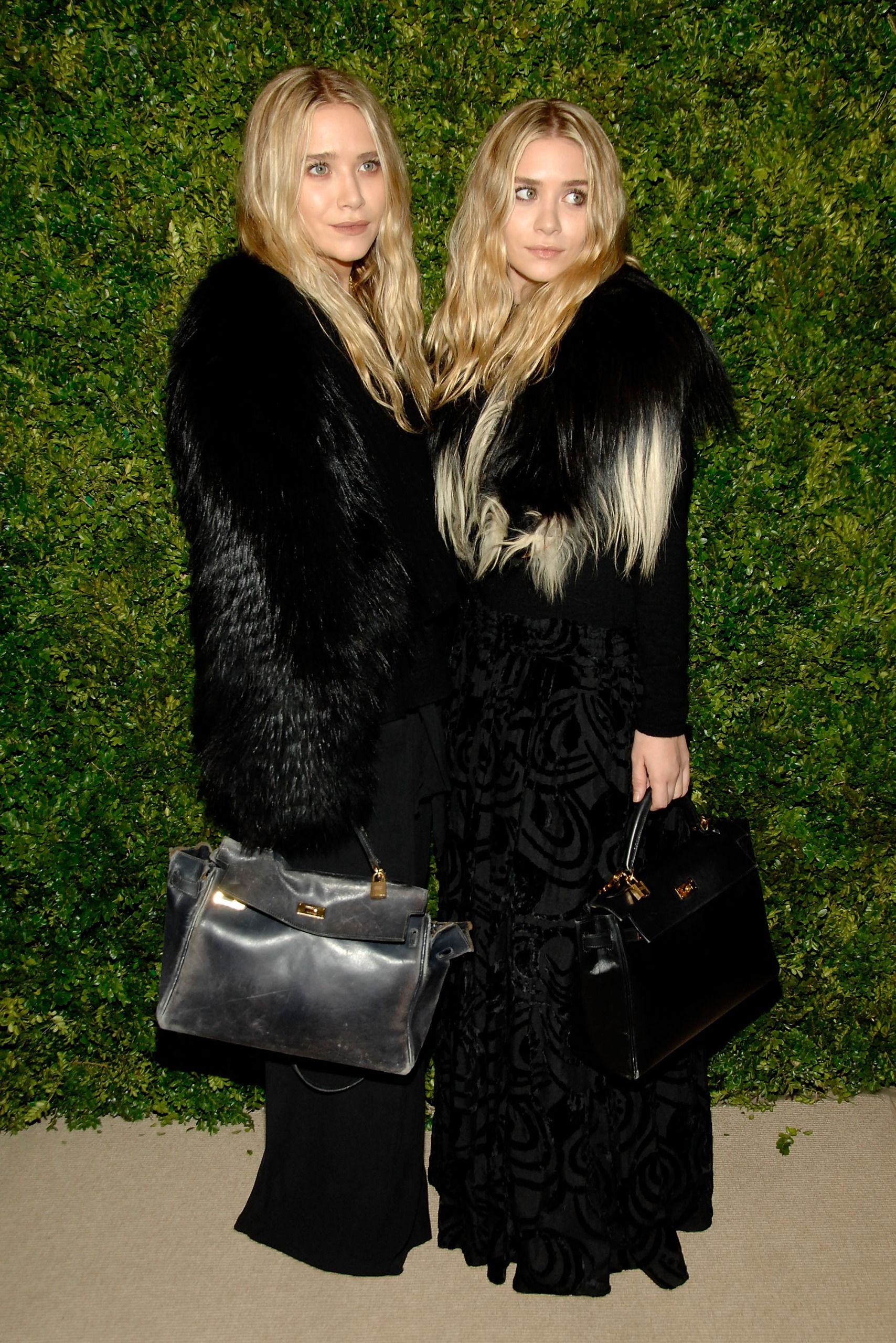
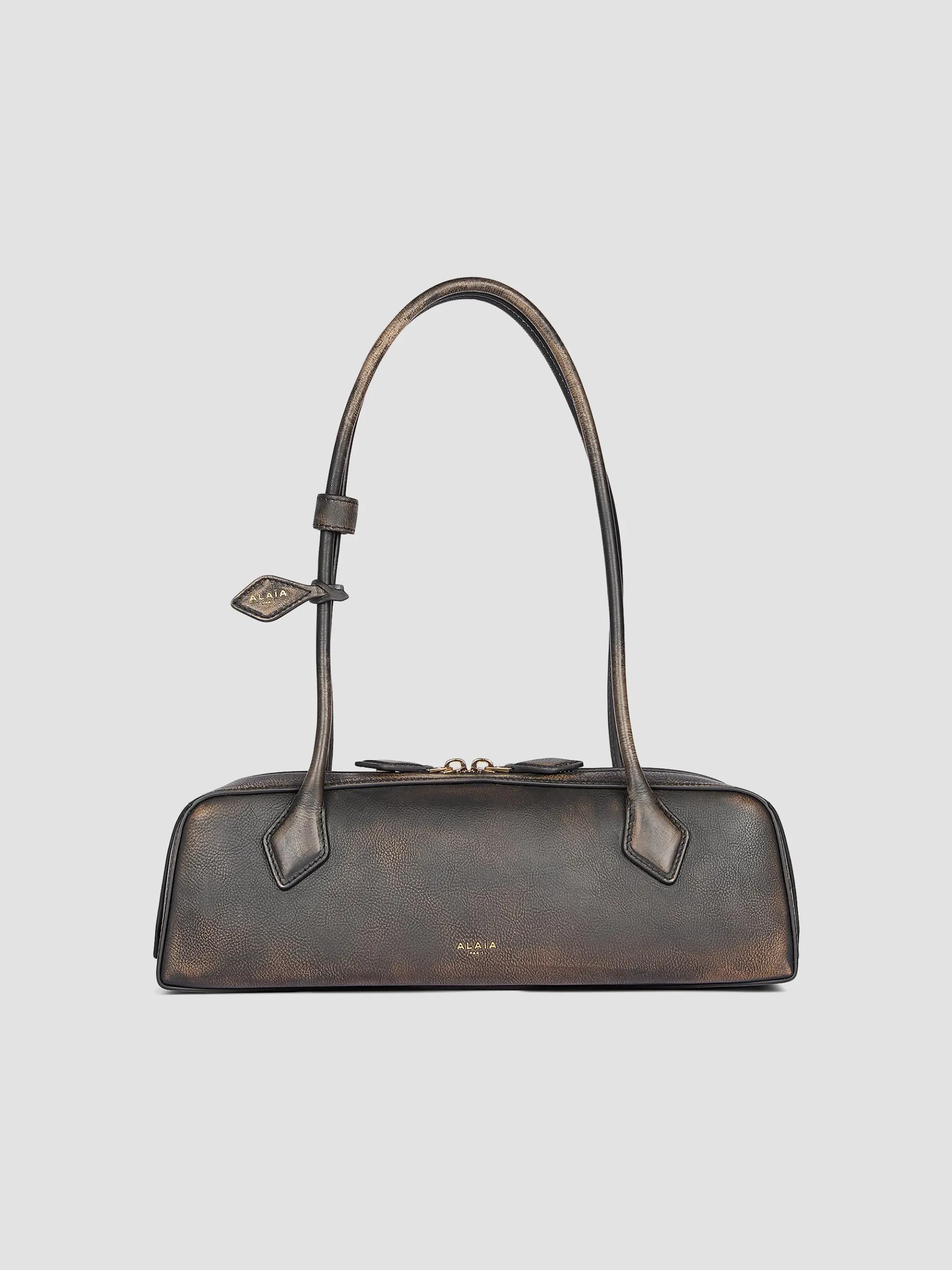
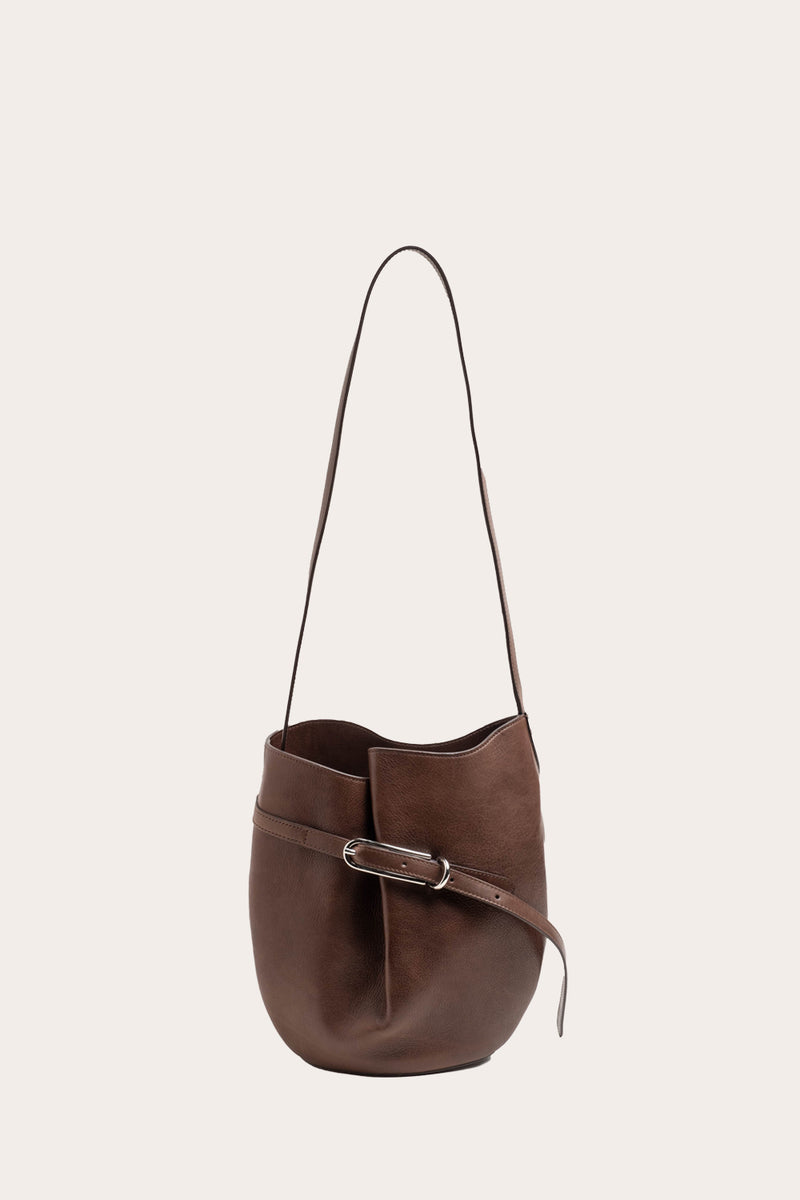
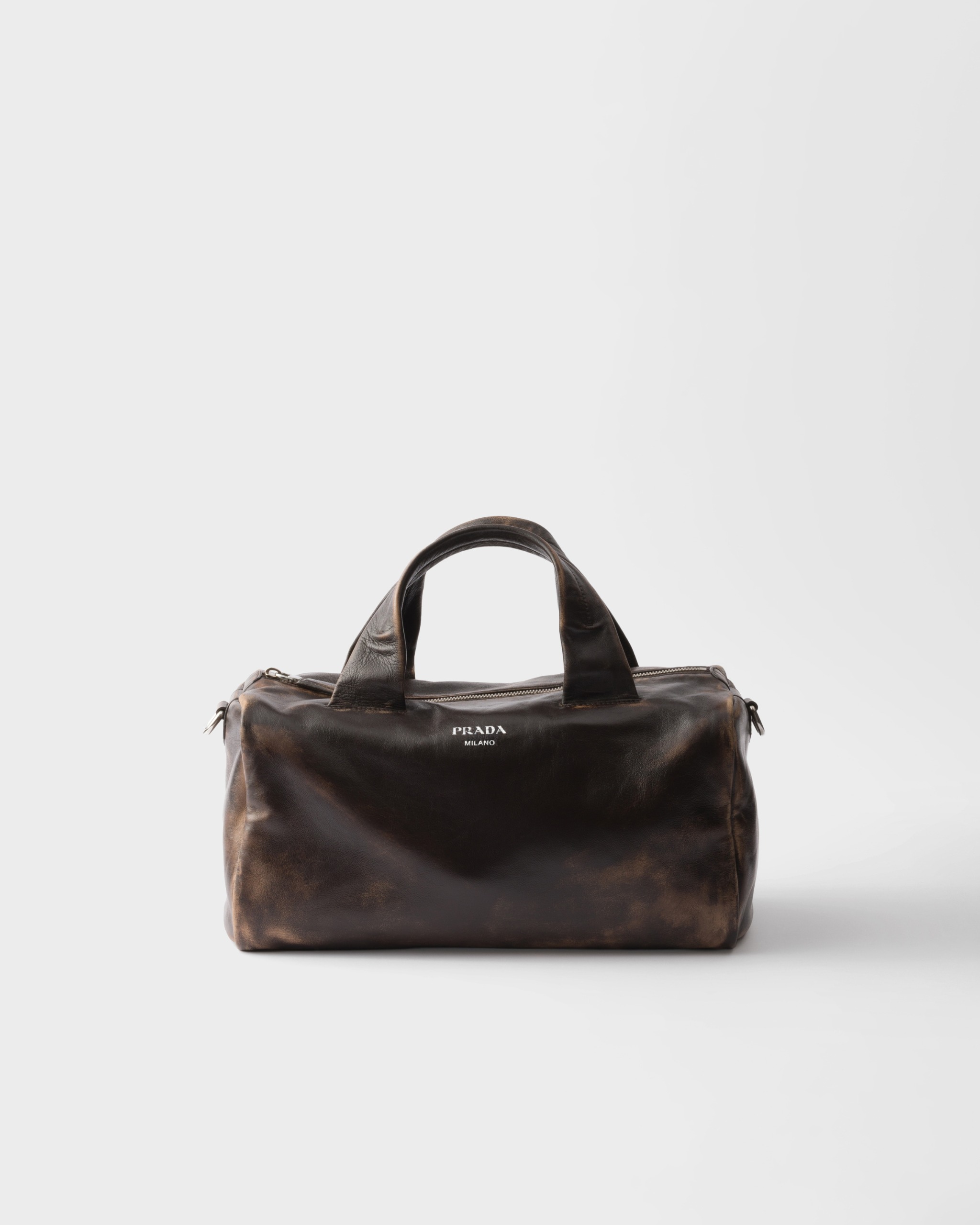
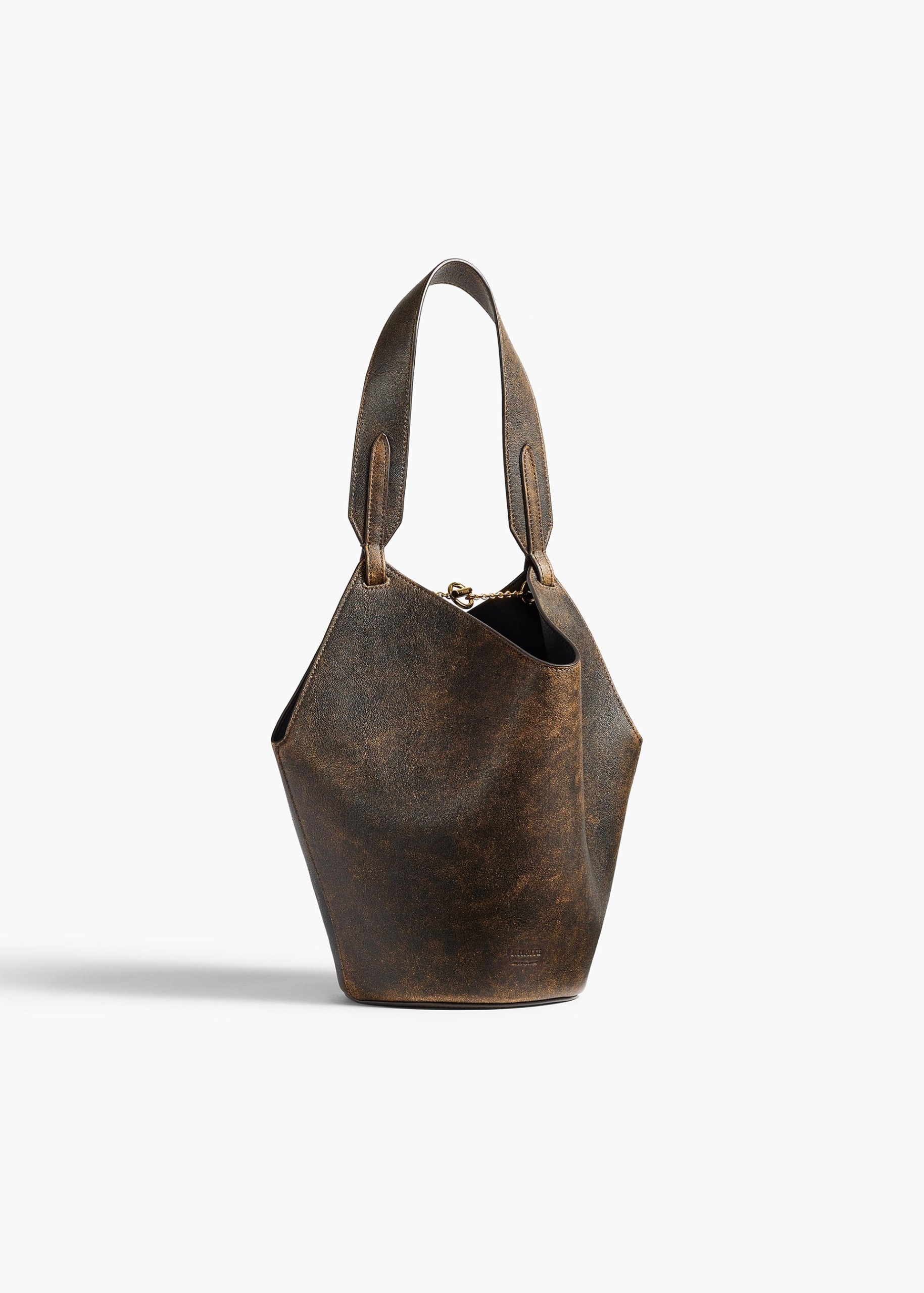
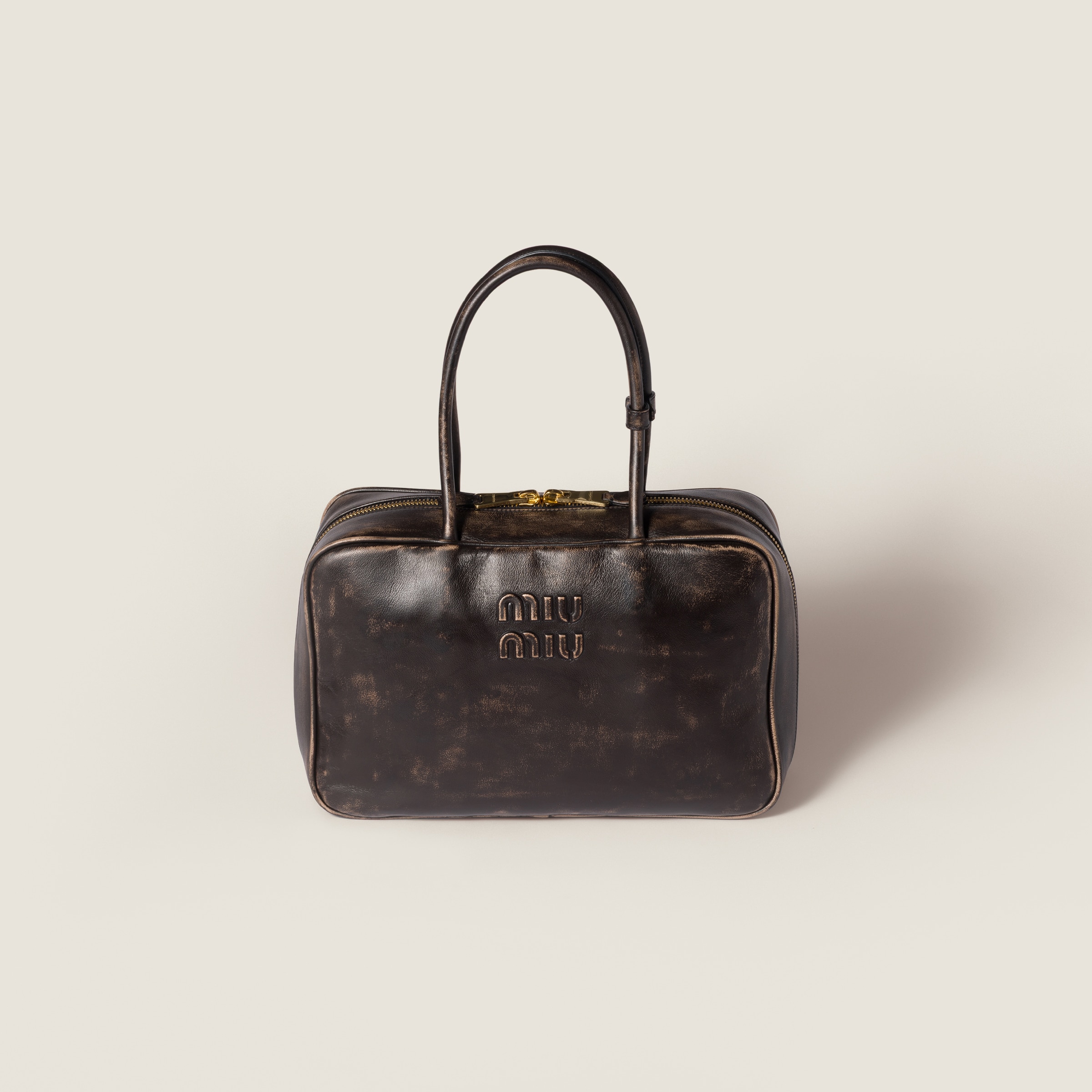
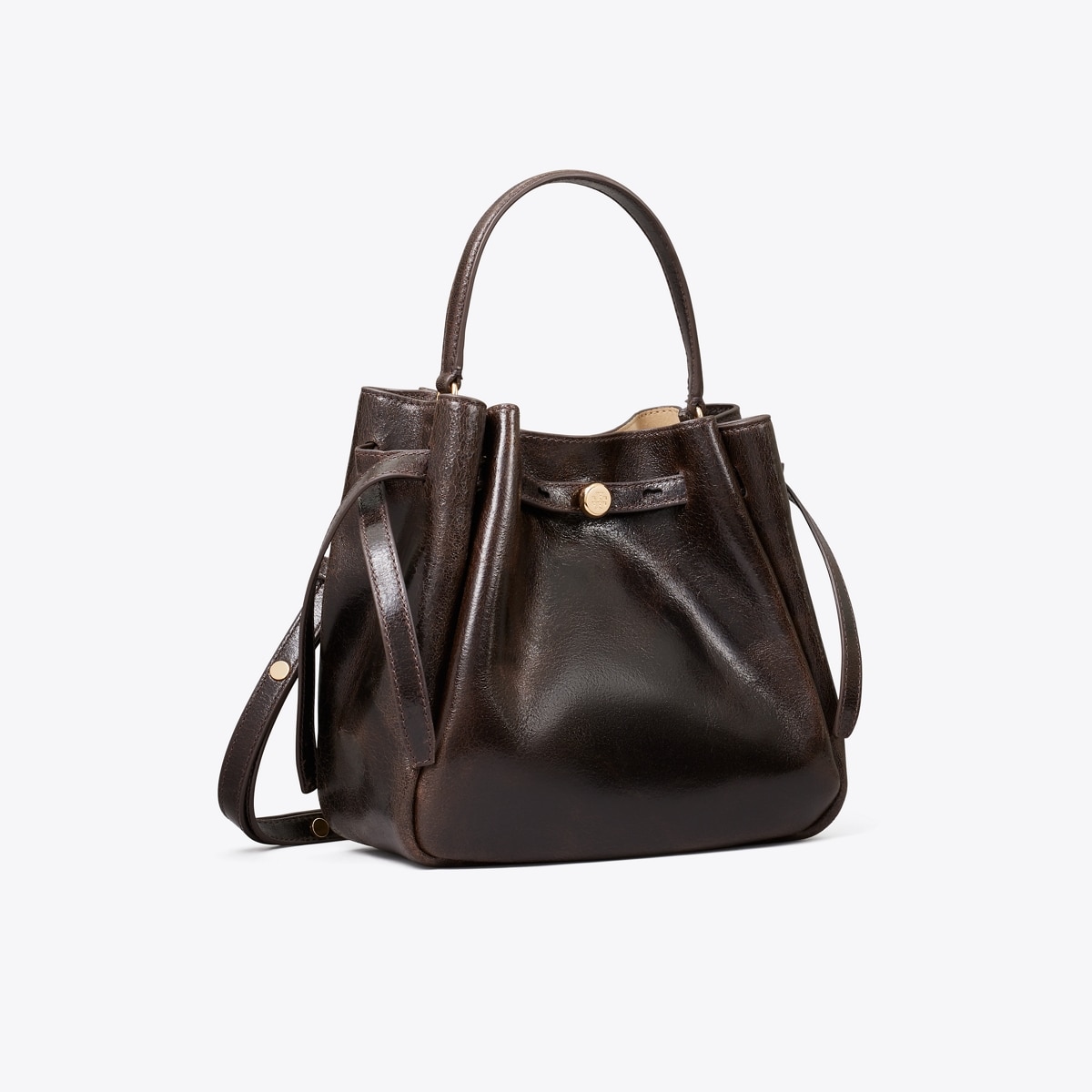
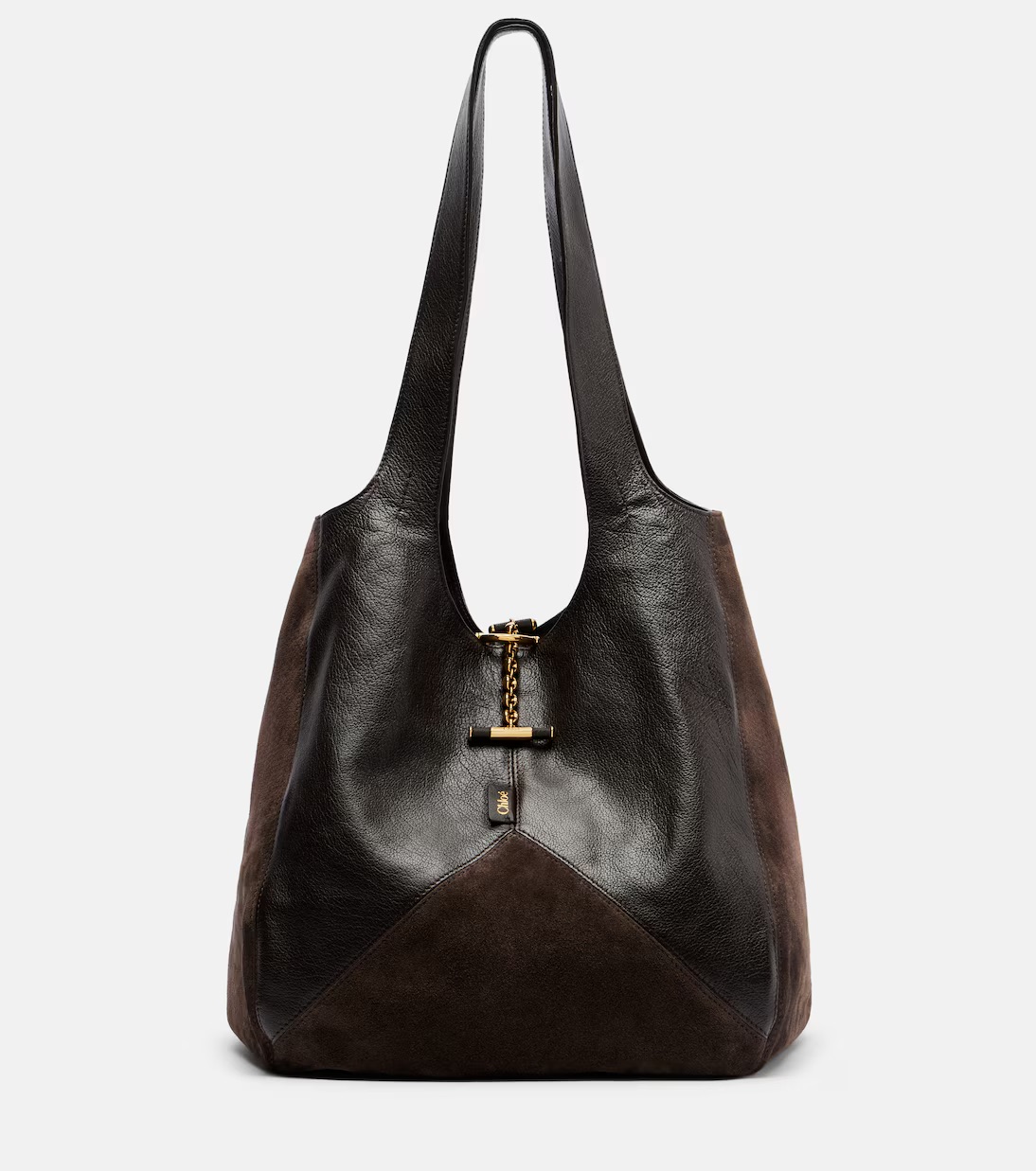
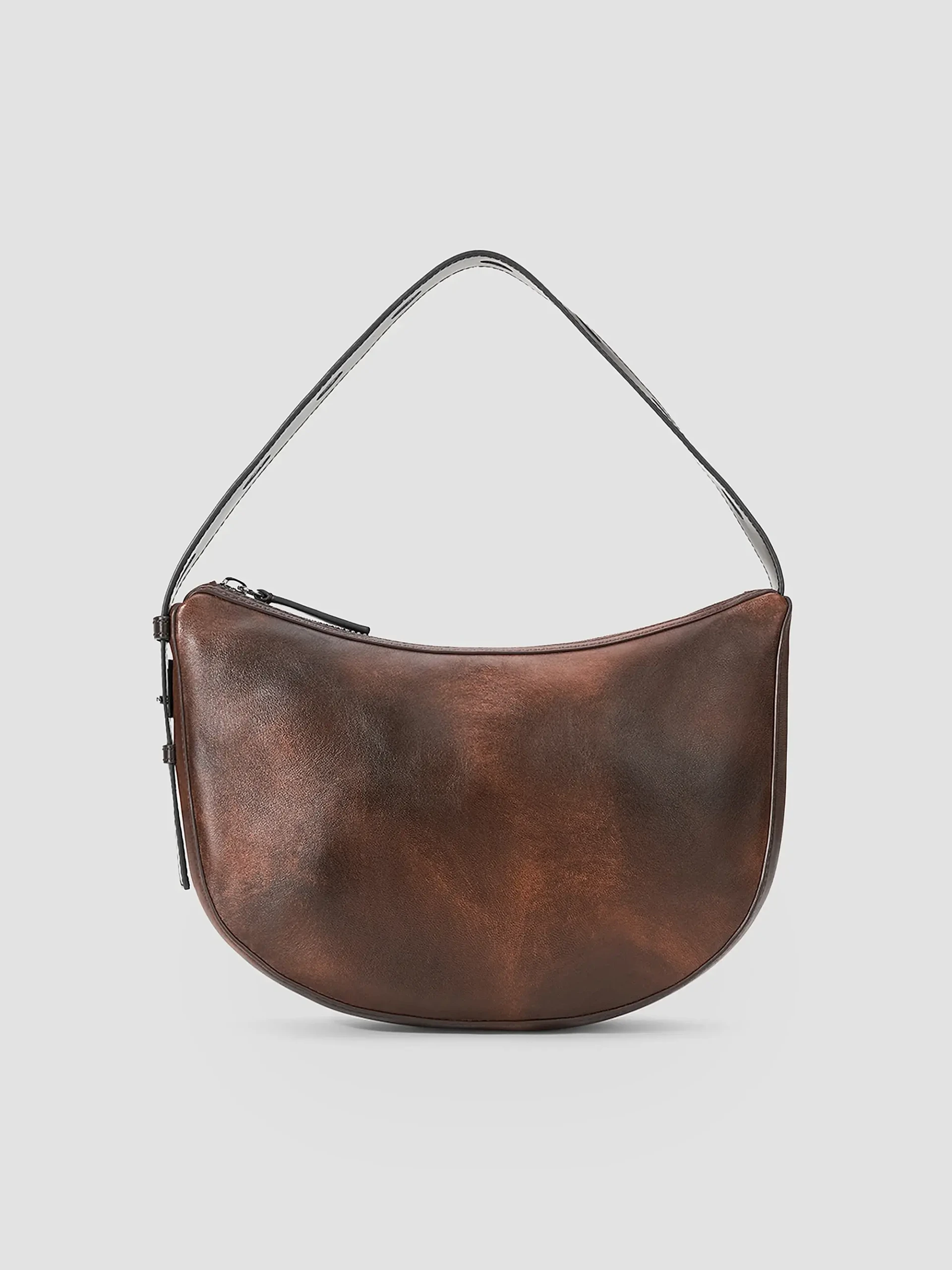
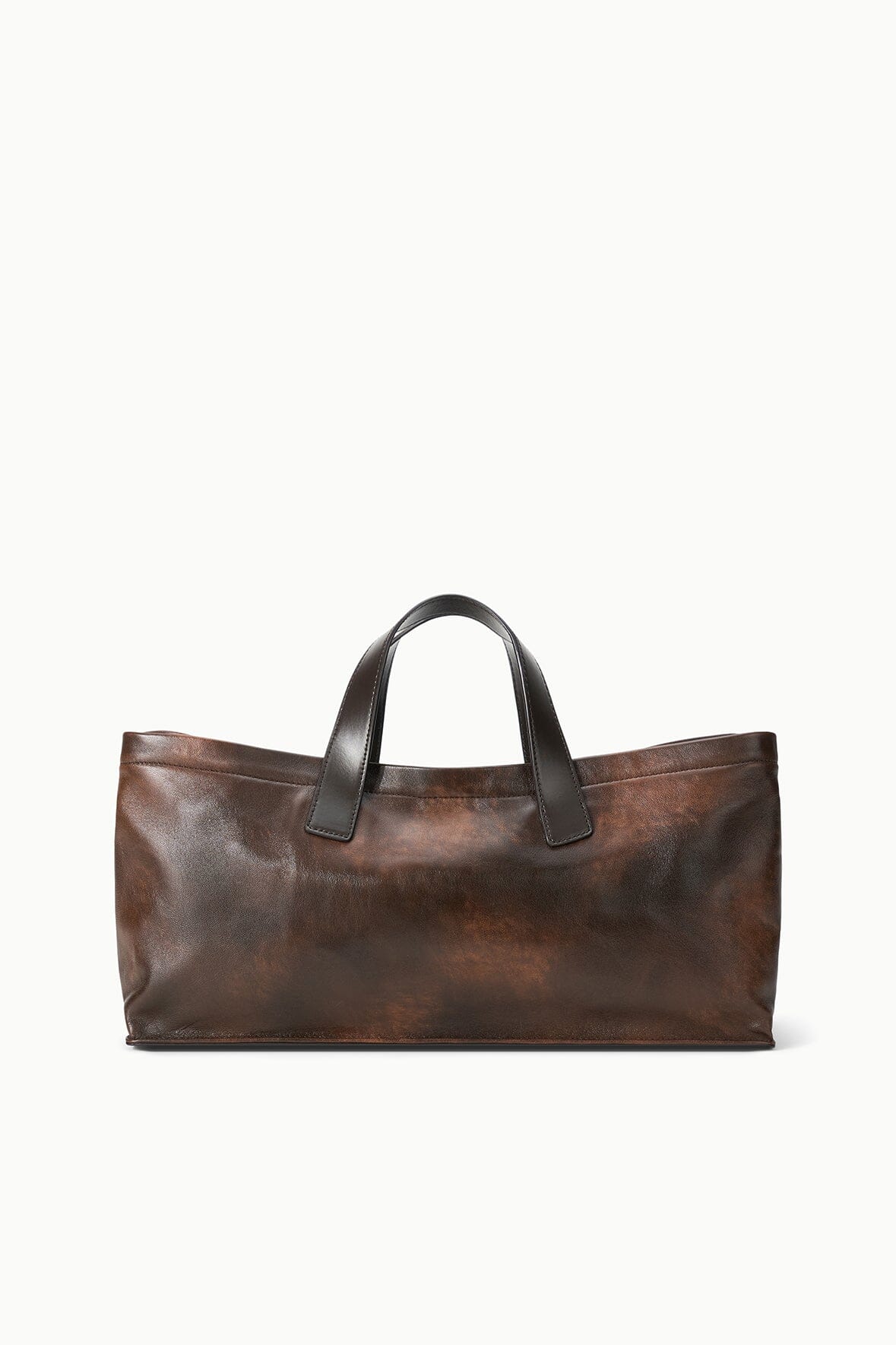
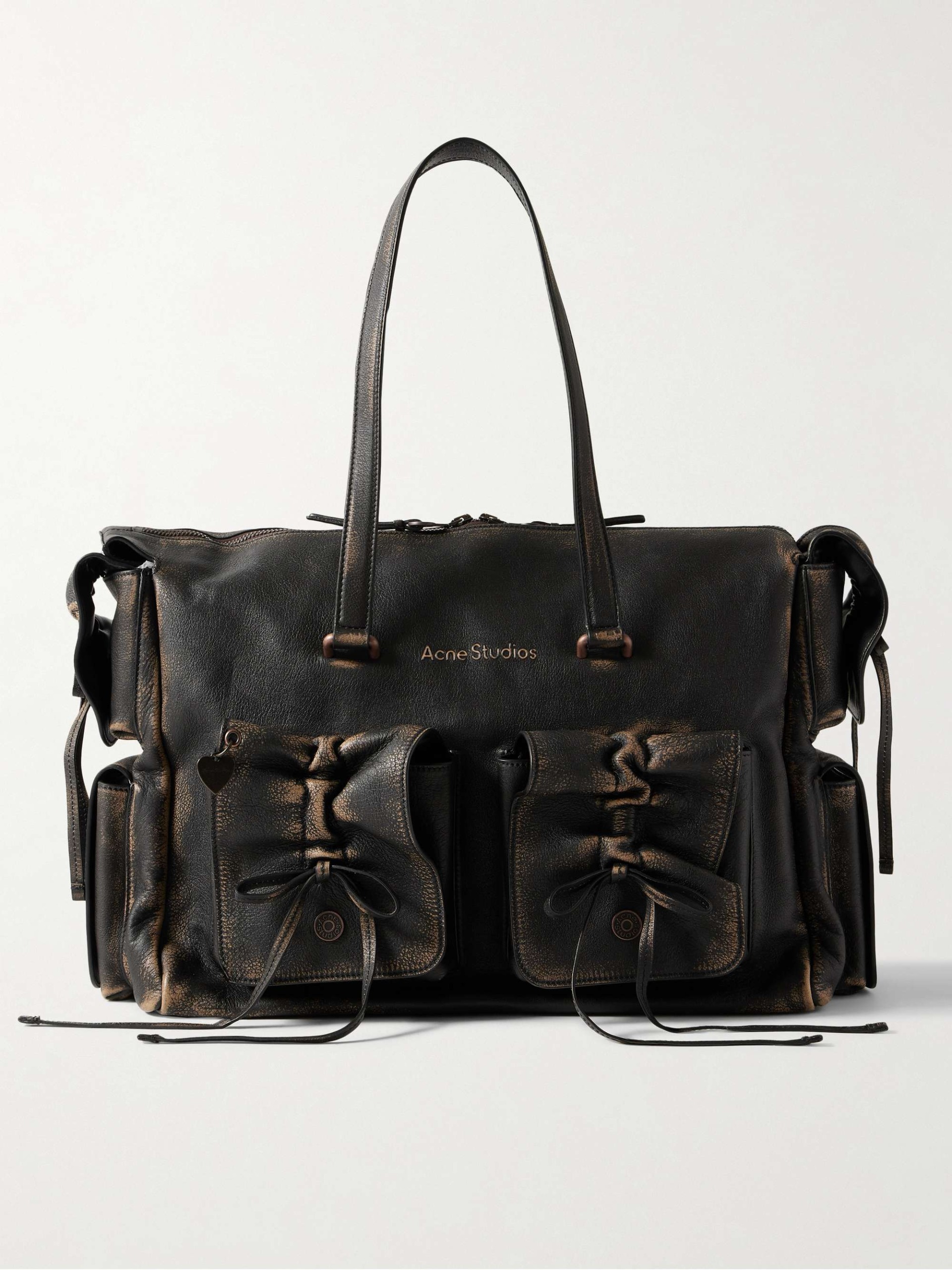
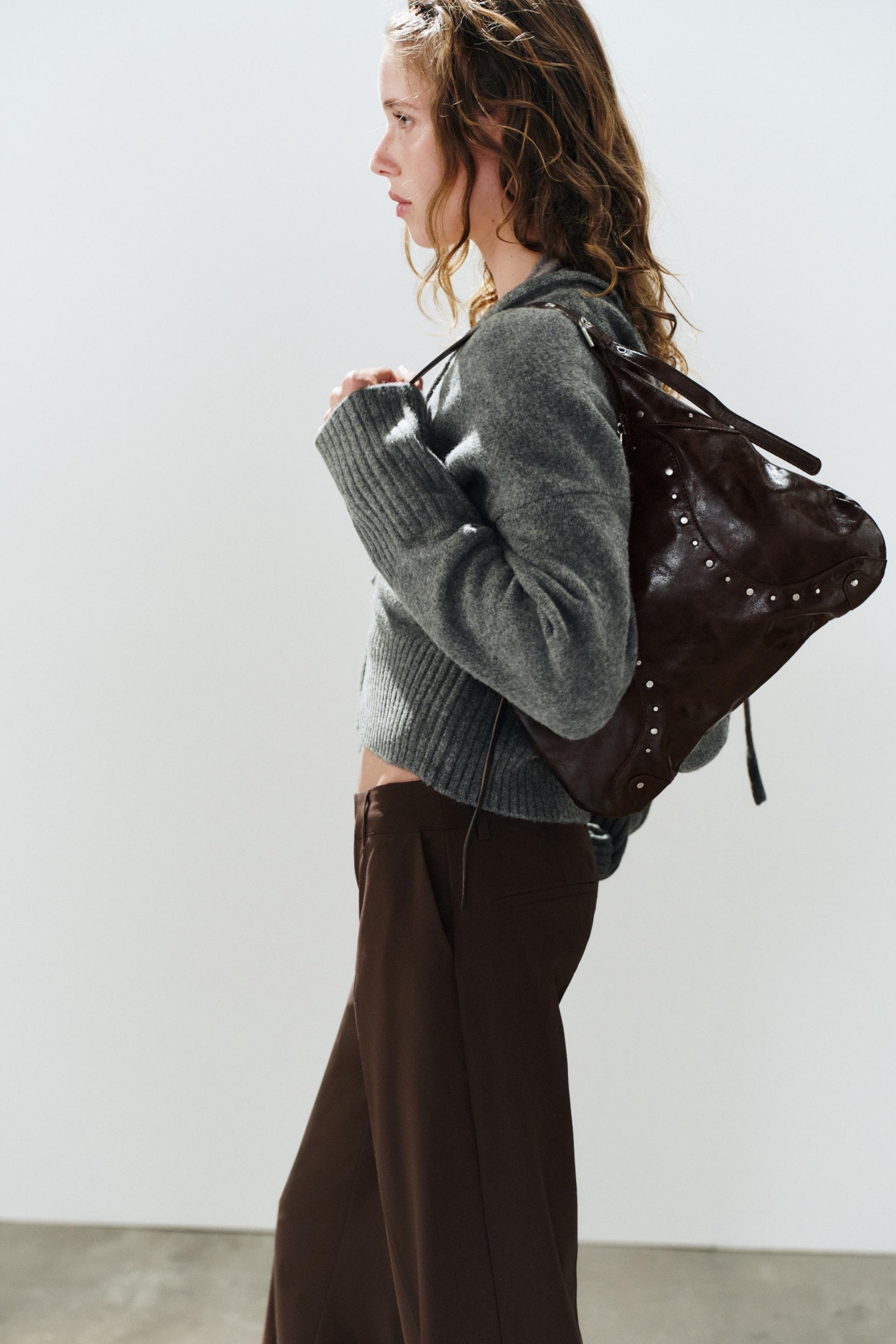
The runways have spoken—the era of the pristine, showroom-perfect luxury handbag is gently fading. Across recent collections, a beautiful shift is occurring: leather accessories are being celebrated for their character, their history, their *wear*. The notion that a luxury item must arrive untouched, a blank canvas of impeccable newness, is being challenged. This isn’t merely a fleeting trend; it reflects a broader cultural understanding of luxury as something earned, something lived with, something that tells a story. It’s a fascinating evolution, particularly when considered alongside our exploration of [Timeless Allure: Redefining Bridal Style with Quiet Confidence], which champions understated elegance and enduring style over fleeting trends. The emphasis on lived-in leather also resonates with the growing movement towards proactive self-care, as explored in [Cultivating Inner Peace: Therapy as Proactive Self-Care], where embracing imperfections and acknowledging the marks of experience are viewed as signs of growth and resilience. This aesthetic echoes a deeper truth: true luxury isn't about erasing the passage of time, but about appreciating the beauty it creates.
The significance of this development lies in its rejection of a superficial understanding of luxury. For years, the industry perpetuated the idea that value was intrinsically linked to newness and flawlessness. The pursuit of the pristine handbag became a symbol of status, a demonstration of financial ability to acquire and maintain an untouched item. This narrative is now being subtly dismantled. Embracing the lived-in aesthetic allows for a more intimate connection with an object. Scratches, creases, and burnished edges become markers of a bag’s journey, a testament to its use and the experiences it has witnessed. It’s a move away from aspirational perfection and towards a more grounded, authentic form of luxury – one that values provenance and character over a manufactured ideal. It speaks to a desire for pieces that feel personal, that carry a history, and that evolve alongside their owner.
This shift is particularly relevant in a climate increasingly conscious of sustainability and mindful consumption. The desire for disposable, easily replaceable goods is waning, replaced by a yearning for pieces that are durable, timeless, and capable of lasting a lifetime. A bag that develops a patina with age, that tells a story through its wear, inherently embodies this ethos. It’s a rejection of fast fashion and a celebration of craftsmanship and enduring quality. The movement towards appreciating “beauty of wear” aligns with a broader cultural appreciation for authenticity and imperfection, a recognition that true beauty often lies not in flawless surfaces, but in the character etched by time and experience. The subtle statement of a well-worn leather bag, as compelling as [Unexpected Blue Mascara: A Subtle Statement for Radiant Eyes], speaks volumes without needing to shout.
Looking ahead, it’s intriguing to consider how this aesthetic will continue to evolve. Will we see a rise in bespoke services focused on restoring and enhancing the character of vintage leather goods? Will brands begin to intentionally design pieces with an understanding that they are destined to be lived in, incorporating techniques that encourage and celebrate the development of patina? The emphasis on the lived-in aesthetic suggests a future where luxury is less about acquisition and more about curation, where the story of an object is as valuable as its initial price tag. The question becomes: how will the luxury industry redefine its definition of value in a world that increasingly prizes authenticity and the beauty of a well-loved life?