The Biggest 2027 Wedding Trends According to an Expert
Our take
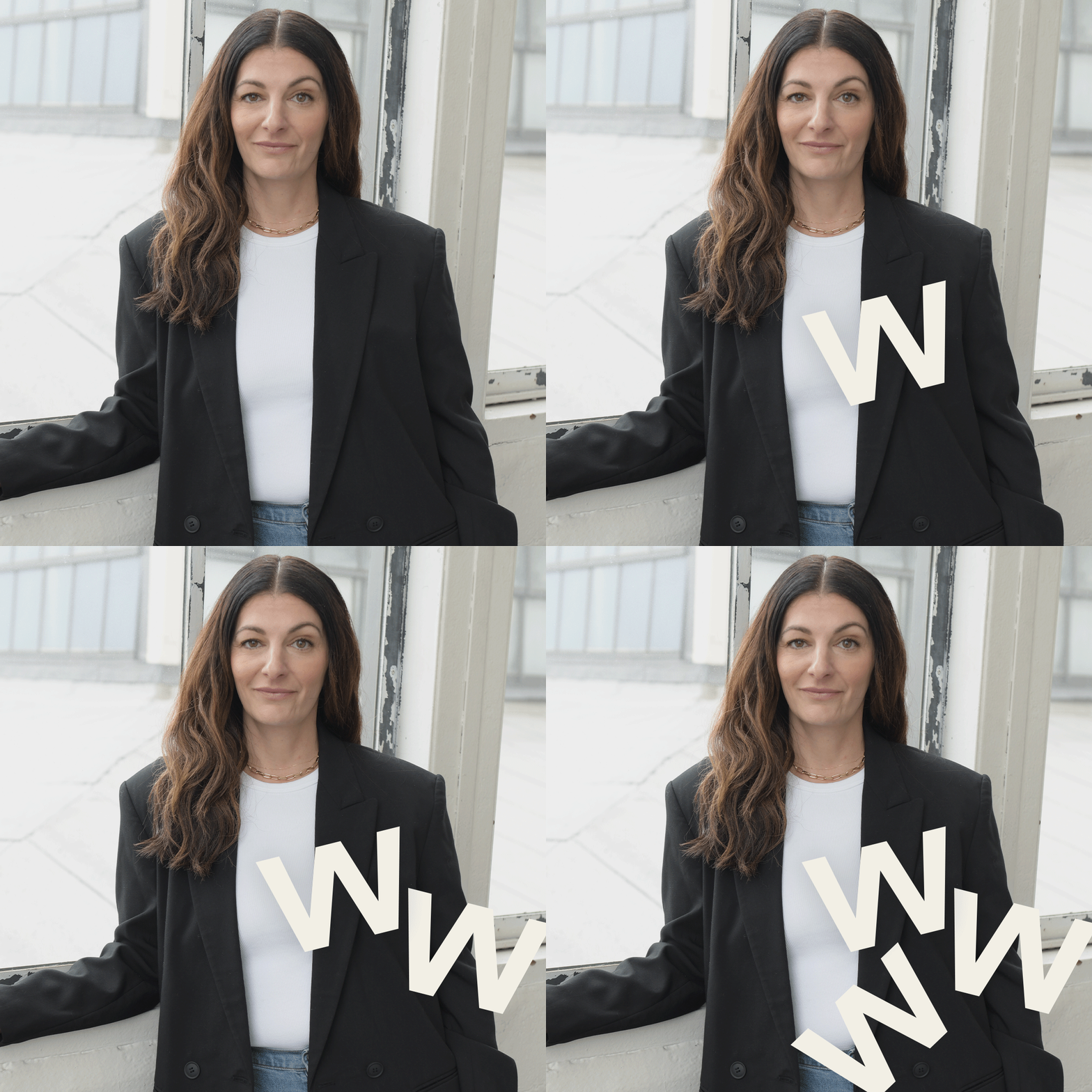
The whispers surrounding wedding trends have always held a certain fascination, a glimpse into collective desires and evolving aesthetics. The recent “Biggest 2027 Wedding Trends According to an Expert” piece, while offering a predictable surge of personalized details and experiential elements, also hints at a deeper shift – a move away from performative grandeur and towards a more intimate, considered celebration. It’s a reflection of a broader cultural recalibration, a desire for authenticity over spectacle that’s already rippling through fashion and lifestyle choices. We’ve been observing this trend ourselves, noting the growing interest in pieces that prioritize longevity and understated elegance, as evidenced by articles like 5 Sophisticated Outfits We're Excited to Wear This Autumn and Well Into 2027 – a subtle foreshadowing of the wedding aesthetic to come. The emphasis on bespoke experiences, while not entirely new, suggests a rejection of cookie-cutter events and a deeper investment in creating truly memorable moments for a smaller, more curated guest list.
The expert's predictions, focusing on muted color palettes, sustainable practices, and deeply personal touches, align with a growing sensibility among discerning couples. The desire for sustainability, too, isn’t merely a trend; it’s a response to a wider societal reckoning. The conversation around conscious consumption is impacting every sector, and weddings are no exception. We’re seeing a parallel shift in the activewear industry, where brands are grappling with the tension between performance and environmental responsibility, as explored in Natural fiber activewear — are we ready to trade performance for sustainability?. This mirrors the wedding space, where couples are increasingly questioning the environmental impact of traditional practices – from floral arrangements to disposable tableware. The move towards locally sourced elements and vintage finds isn’t just aesthetically pleasing; it's a conscious choice to minimize waste and support ethical practices. The predicted rise in smaller, destination weddings also speaks to a broader desire for travel and unique experiences, moving away from the traditional, large-scale gatherings.
Beyond the specific stylistic choices, the overarching theme is one of intentionality. Couples are moving away from trends dictated by social media and towards creating weddings that truly reflect their values and personalities. The focus on personalized details – handwritten vows, curated playlists, meaningful favors – underscores this desire for authenticity. This resonates with the broader cultural shift towards self-expression and individuality. It’s a move away from trying to impress and towards celebrating genuine connection. The emphasis on creating a mood, an atmosphere, rather than simply showcasing a lavish display, echoes the quiet luxury aesthetic we champion – a celebration of understated elegance and thoughtful details. The increasing popularity of shows like ‘My Life With the Walter Boys’ Season 4: Everything We Know demonstrates the audience’s desire for grounded, relatable narratives, and that same sensibility is transferring to the wedding space.
Ultimately, the predicted 2027 wedding trends aren’t just about aesthetics; they're a reflection of a deeper cultural shift. They represent a move away from performative displays and towards authentic connections, sustainable practices, and personalized experiences. The question now is, how will this evolving sensibility shape the broader wedding industry, and will traditional vendors adapt to meet the demands of a more conscious and discerning clientele? Will the emphasis on experience and intimacy lead to a re-evaluation of the entire wedding ecosystem, from venue selection to vendor choices, or will the allure of grand gestures ultimately prove too strong to resist?
Welcome to The Who What Wear Podcast. Think of it as your direct line to the designers, stylists, beauty experts, editors, and tastemakers who are shaping the fashion-and-beauty world. Subscribe to The Who What Wear Podcast on YouTube, Apple Podcasts, and Spotify.
For Sunna Yassin, wedding-planning expert and co-owner and principal of Bash Please, there's a shift happening in how couples are thinking about their weddings. "I think we're just seeing celebration over performance, for sure, and really, really seeing atmosphere over decoration," Yassin said.
One specific area that has noticeably changed is florals. "I do think flowers are definitely becoming more architectural," Yassin said. "Instead of filling every surface with blooms, designers are really working with shape, with scale, with movement, negative space."
In the latest episode of The Who What Wear Podcast, Yassin breaks down wedding-industry trends, how she got her start, and more. To read excerpts from the conversation, scroll below.
Before we get into all things wedding trends for 2027, let's take it back to the beginning. How did you get into wedding planning and grow your business to the scale it is today?
I started off in the hotel industry. I loved working in hotels. I worked for a bigger-brand hotel and was climbing that ladder. I loved everything about hotels. I loved the energy. I really loved the fact that they never closed. There was always something going on 24/7. I left that big-box brand and made my way to a luxury property here in San Francisco, doing events and doing catering.
I met a really great destination planner, who is still crushing it in the industry to date, and I got the opportunity to work with her and her team, and I learned so much, met a ton of people. It's actually where I met my now business partner, who, at that time, worked for a luxury caterer in the Bay Area, and that was the piece that I was really missing. I didn't know a ton about high-end catering and doing a gala or a huge charity event for 1000s of people. I needed that expertise to continue to grow in my career.
I actually joined her at the catering company. I think I was there for … maybe two or three years, and then Mollie [Jones Hennes], my business partner now, and I quickly realized—working with a lot of planners and a lot of designers and just a lot of vendors in the industry—that there was just something missing in the industry. At that time, we hadn't pinpointed what was missing, but we just knew there was a void. We got together and decided this was something that we really wanted to do.
Over time, we figured out our place in the industry, and I think our place was quickly defined by not doing anything that felt really overproduced but still working at a highly intentional, personal, luxury level. Hopefully, that point of view has stayed really consistent and really clear over the last decade of us working together on this.
Let's break down the shift that we're seeing that you talked about to one of our editors, Nikki Chwatt, who did a wedding-planning-trend story where you were an expert. You said couples are now prioritizing "intimacy over spectacle and depth over excess." Did we hit a peak in visibility, excess, that kind of thing? Is the comedown from that?
I think we did sort of hit a peak. At one point, luxury was associated with more. It was more flowers, more production, more everything. Today, at least, our couples are redefining that. I also think the word "luxury" is being tossed around at every turn. People are really taking a step back.
To us, I think luxury actually feels like just having enough confidence to actually edit and bring things down. We're just seeing celebration over performance, for sure, and really, really seeing atmosphere over decoration—just coming back to the emotional memory that people are experiencing over the weekend versus some sort of visual spectacle.
I want to also talk about florals. Obviously, that's a huge part of any wedding production, and it feels like we're starting to move away from the standard floral arrangements as centerpieces at the table. I'm curious what trends you're seeing.
It's one of those things that we come back to in the very beginning, and we ask people, "Is investing in floral really important to you?" Nine times out of 10, most people say yes, but we have to also sit down and think about where the floral makes the most sense. If what has a top priority is working with an amazing culinary team or an amazing chef and we're doing this huge family-style meal, we don't have room for flowers down the table, so we're shifting priorities from the go. I do think flowers are definitely becoming more architectural. Instead of filling every surface with blooms, designers are really working with shape, with scale, with movement, negative space.
Event design is your expertise, but you obviously see the wedding dresses. Have you seen what kind of styles people are gravitating to?
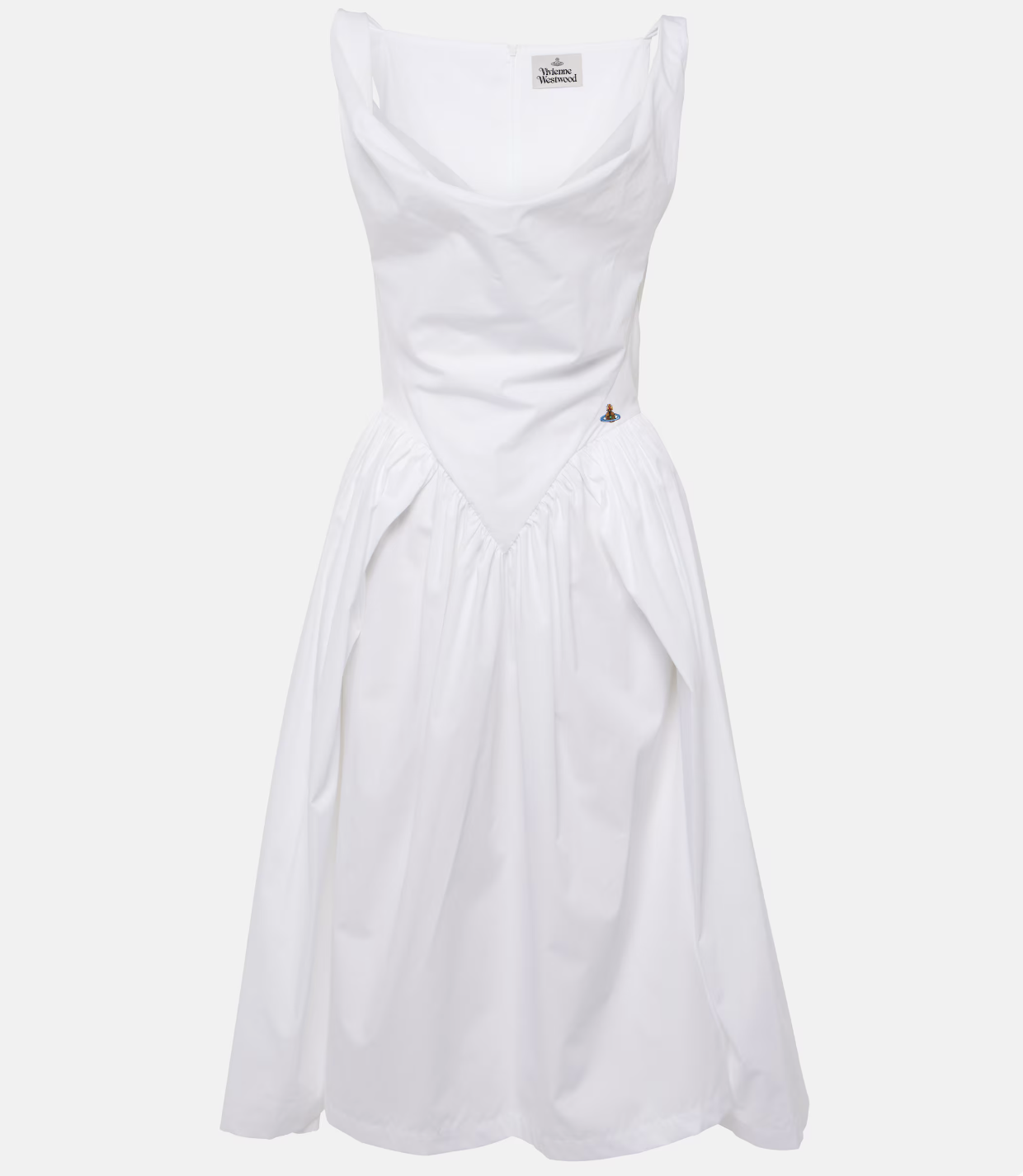
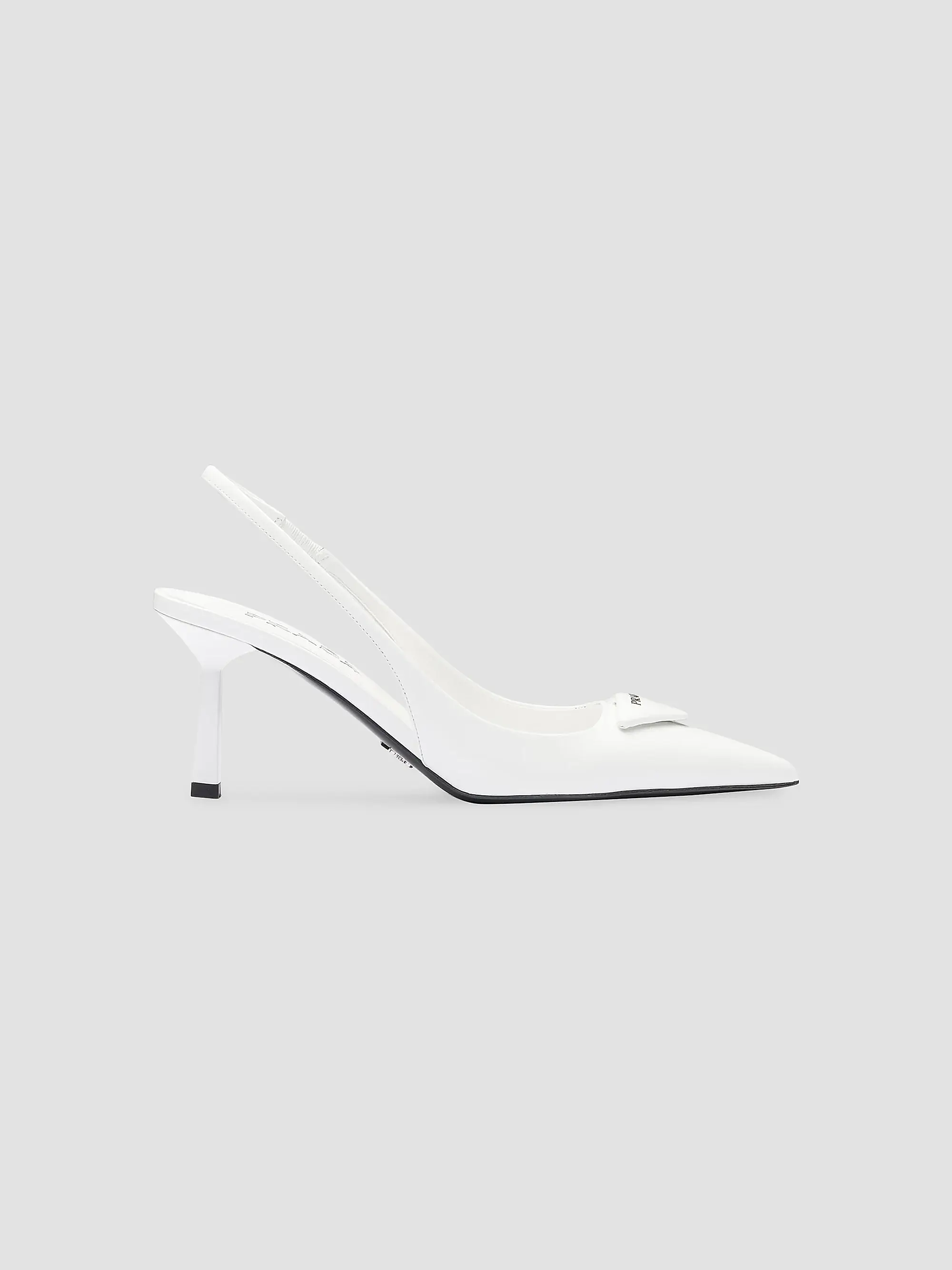
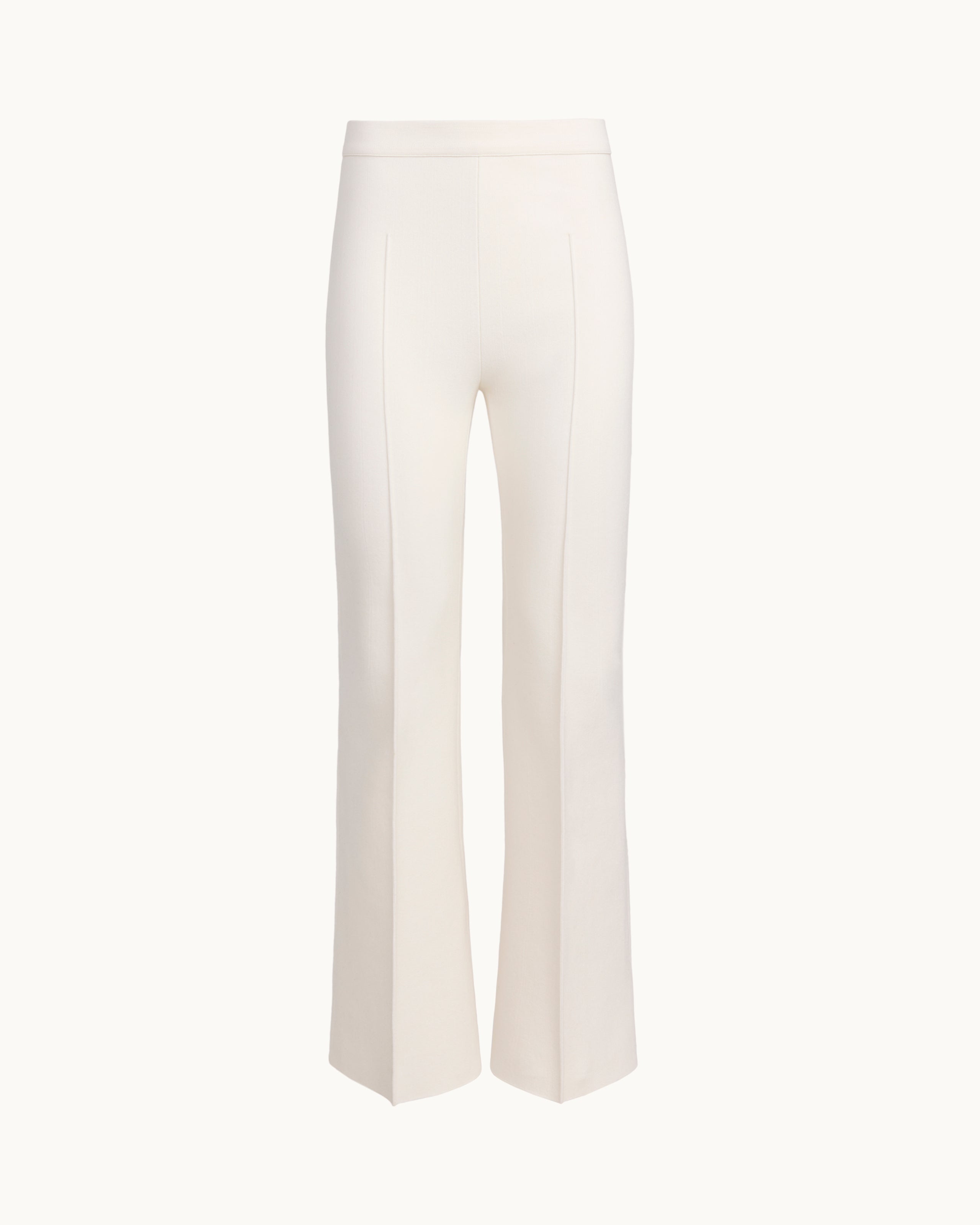
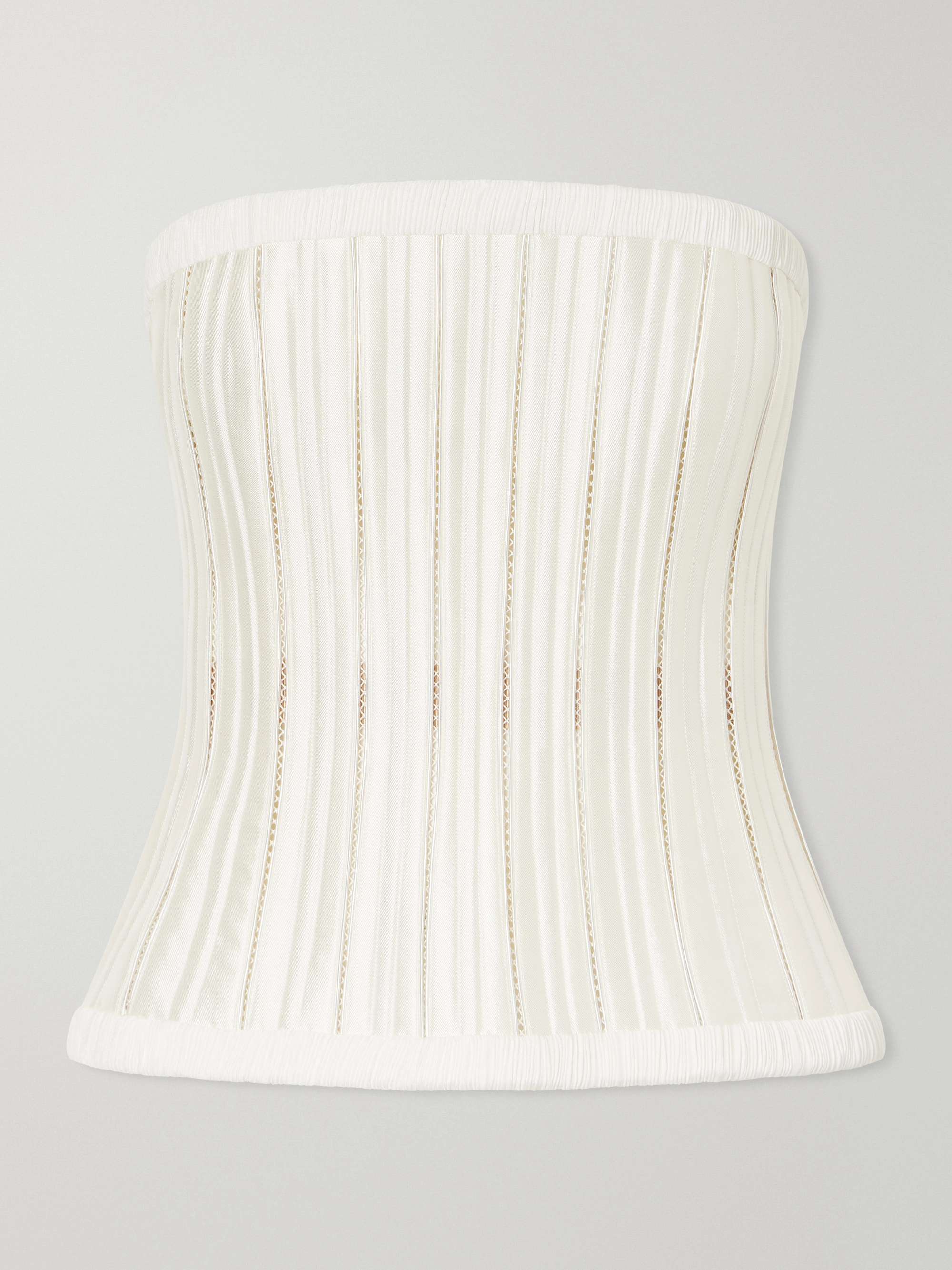
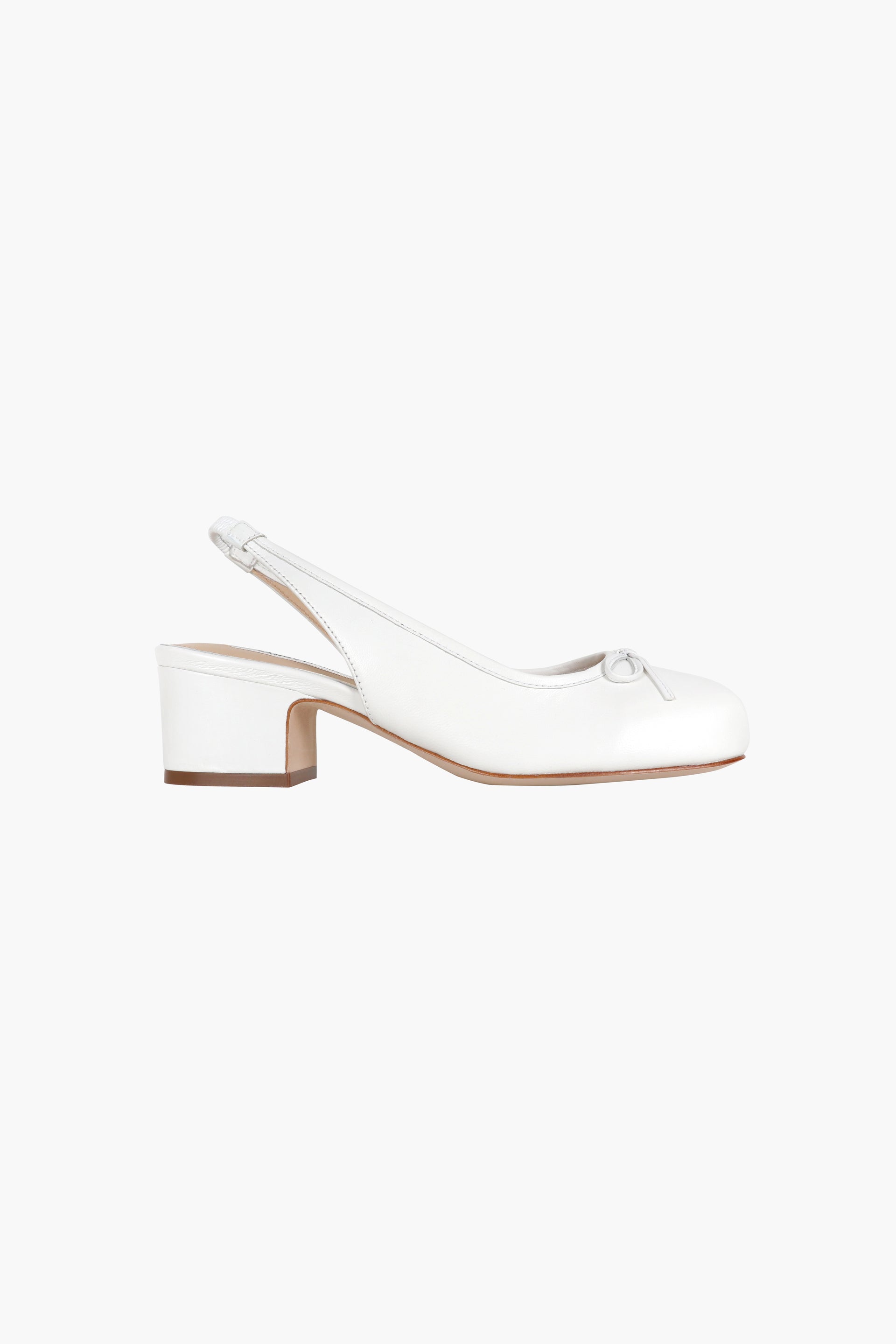
For 2027, it's the year of the fashion stylist. They are coming in hot, and they are incredible, and they have some great things up their sleeves. Gone are the days where a bride is walking into one bridal studio salon and picking their dress. They're building a team, and those teams are sourcing vintage. They're borrowing from ready-to-wear. They're mixing couture archival pieces, and they're thinking about their wardrobe the same way they think about their everyday style. It's less about them choosing a dress and more about curating a fashion story for the weekend. I think there's just something really special about wearing a piece that already has a story, and it feels personal.
This interview has been edited and condensed for clarity.
Read on the original site
Open the publisher's page for the full experience