There is something quietly radical about choosing depth over brightness, especially when the world has spent years convincing us that lighter is better. The return to rich brunette tones, espresso, dark chocolate, smoked mocha, feels less like a trend and more like a homecoming, a decision to let the shadows speak as loudly as the light. This is not about playing it safe; it is about understanding that warmth and dimension do not require high contrast or constant attention. Much like Monica Barbaro Wears Intimacy as Armor in the Naked Dress, there is a certain power in what is understated, in choosing to reveal rather than announce.
For those of us who have cycled through years of highlights and bleach appointments, the decision to return to a deeper palette is often met with a quiet surprise: the discovery that brunette is not a single note but an entire symphony. Celebrity colorist Liz Jung points to shades like espresso silk, which appears almost black indoors before revealing brown undertones in the sunlight, and chestnut velvet, where warm reddish-golden undertones come alive naturally. This is color that rewards the patient observer. It does not shout from across the room; it invites closer looking. The same restrained confidence appears in how Taylor Swift trades structured Dior for Ralph Lauren's sheer ease, a shift from armor to atmosphere, from statement to presence.
What makes this moment interesting is not just the shades themselves but the philosophy behind choosing them. Colorist Sarah DeGennaro describes a shade called sueded brunette as a lived-in blend of soft highlights and rich lowlights that become more pronounced at the ends, requiring fewer salon visits to maintain. This is luxury as ease, not as maintenance. It aligns with a broader cultural turn toward investing in quality of experience rather than frequency of upkeep. When Jung recommends adding "a little softness through the ends so the color feels dimensional instead of looking like one solid block," she is describing a principle that extends beyond hair: the idea that depth is most beautiful when it has room to breathe.
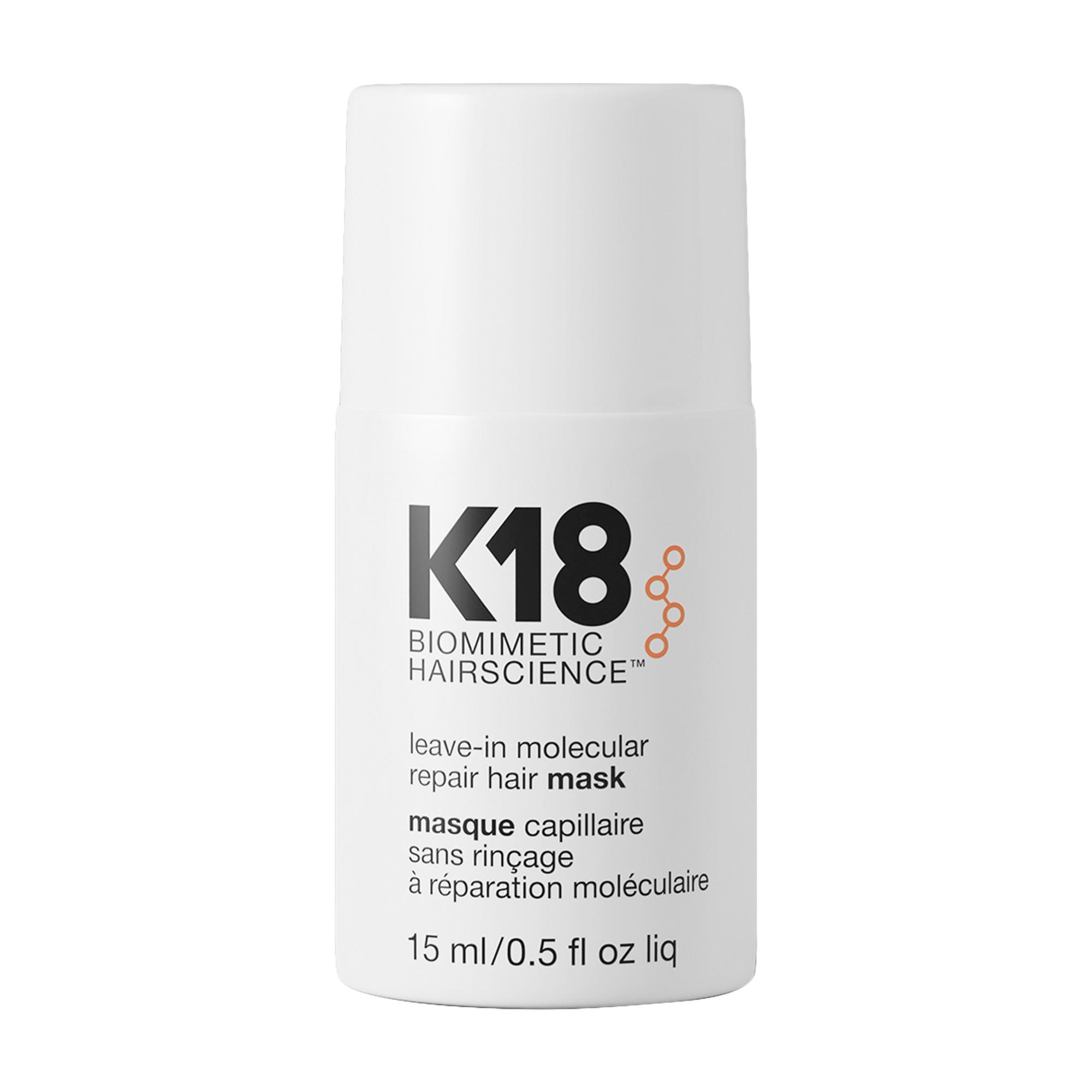
The practical takeaway here is direct: the right brunette shade is not about matching a Pinterest board but about understanding your own undertones and lifestyle. Warmer complexions pair naturally with chocolate and chestnut, while cooler tones find their match in espresso and mocha. And the products that maintain these shades, a leave-in molecular repair mask, a silk hair treatment, a color-safe shampoo, are not afterthoughts but essentials. Dark brown hair looks its best when the tone is balanced and the hair reflects light, which is another way of saying that true richness requires care beneath the surface. The question worth sitting with is not whether to go darker, but what version of depth feels most like your own.