The Buzzy NYFW Brands You Can Shop Right Now
Our take
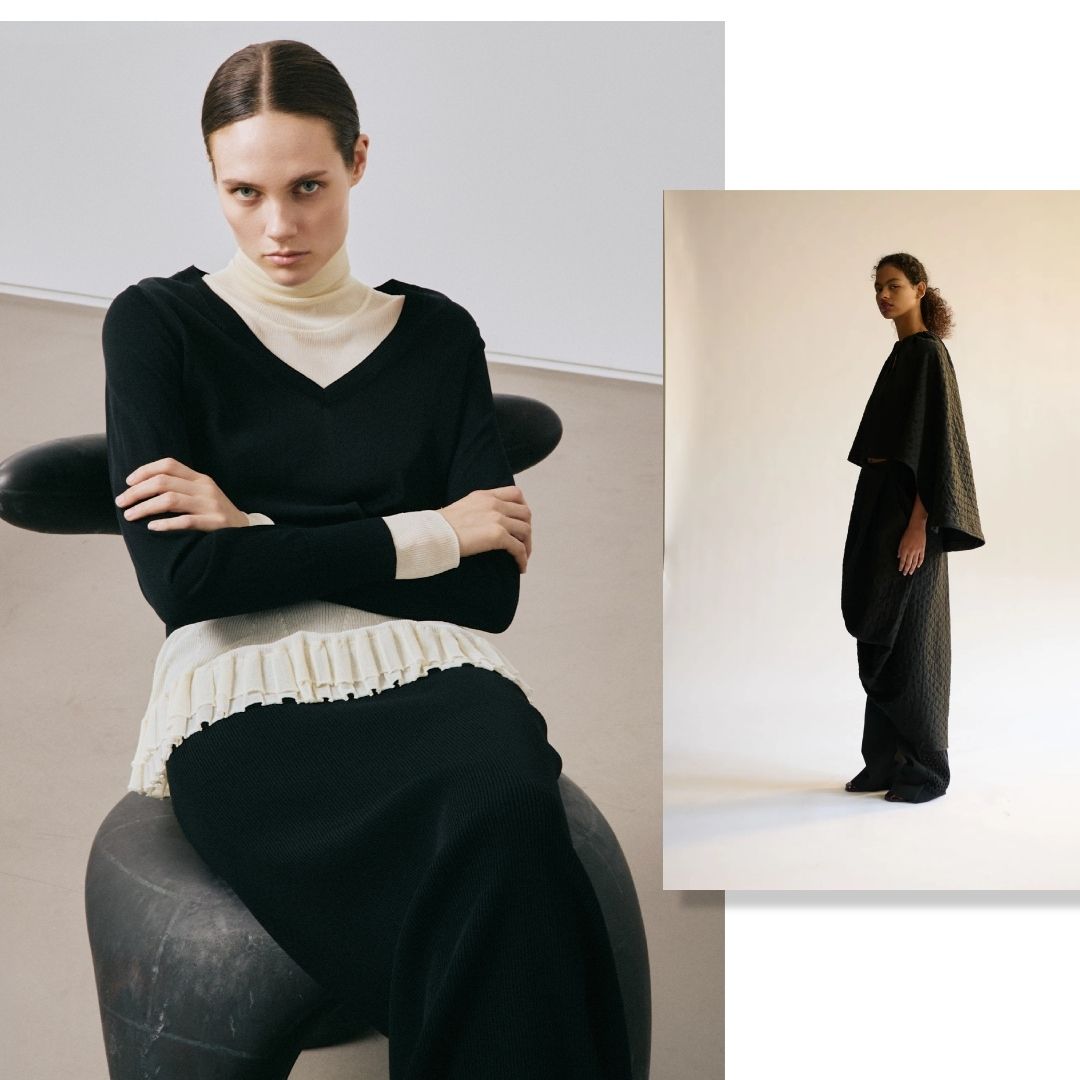
The quiet shift happening within New York Fashion Week isn't about the spectacle, the front-row celebrities, or the whirlwind of shows. It’s about a burgeoning ecosystem of brands operating on a different frequency – one that prioritizes understated luxury, thoughtful design, and a distinct sense of place. This article highlighting brands like Zankov, Diotmia, LII, and Kallmeyer perfectly encapsulates this trend, revealing a New York Fashion Week increasingly defined by the “osmosis” of insider knowledge rather than overt marketing campaigns. It’s a fascinating evolution, one that resonates with a growing desire for authenticity and a rejection of the fast-fashion cycle. We’ve seen this sentiment reflected elsewhere, as evidenced by the continued popularity of brands like the one Katie Holmes champions, Katie Holmes's Target Tote Was Designed by One of NYFW's Coolest Brands, demonstrating a consumer appetite for accessible, well-designed pieces over fleeting trends.
These emerging brands aren't chasing viral moments; they're cultivating a devoted following through quality and a quietly confident aesthetic. They represent a move away from the maximalism that has dominated fashion for so long and towards a more considered, almost architectural approach to design. The focus is less on logos and more on silhouette, fabric, and the overall feeling a garment evokes. This sensibility aligns perfectly with the current cultural mood, a yearning for grounding and intentionality amidst constant digital noise. It’s a reaction to the relentless pressure of social media and a desire for clothing that feels both timeless and deeply personal. Furthermore, the rise of these brands underscores a growing awareness of ethical considerations within the fashion industry, a point made poignant by discussions surrounding brands like Don’t Call Me Jennyfer, and the search for alternatives as noted in Alternatives to Don’t call me jennyfer?. Consumers are increasingly scrutinizing the origins and production practices of the clothes they buy.
The significance of this shift extends beyond simply identifying a new set of brands to shop. It signals a broader re-evaluation of what constitutes luxury and relevance in the fashion landscape. The traditional markers of high fashion – runway shows, celebrity endorsements, and aggressive marketing – are being challenged by a quieter, more sustainable model. These brands are building communities around shared values and a mutual appreciation for craftsmanship and design, rather than relying on fleeting trends. They understand that true luxury isn't about conspicuous consumption; it's about investing in pieces that are beautiful, well-made, and reflect a personal style. The emphasis on a refined aesthetic, often drawing inspiration from classic tailoring and understated elegance, positions these brands as a counterpoint to the often-overwhelming nature of contemporary fashion. The increasing scrutiny of environmental impact is also reshaping the industry, with discussions around materials like recycled polyester highlighting the need for responsible practices, as discussed in Recycled polyester releases more microplastics than virgin polyester.
Ultimately, the rise of these “New New Yorkers” at NYFW represents a profound evolution in the industry’s values and priorities. It’s a move away from the performative and towards the genuine, the understated and the enduring. The question now is whether this shift will continue to gain momentum, reshaping the entire fashion ecosystem and challenging the dominance of established luxury houses, or whether it will remain a niche phenomenon, a delightful secret shared amongst those in the know. Will we see established brands adopting these principles, or will this new generation of designers continue to carve out their own distinct space, defining the future of New York fashion with their quiet confidence and intentionality?
There’s the New York Fashion Week everyone knows, and then there’s the one you learn by osmosis. It lives in the names traded between editors in the back seat of a car, the collection a buyer insists you see before the week ends, and the designer whose clothes suddenly appear on three very well-dressed women within a few days. Increasingly, that version of New York belongs to labels like Diotima, Heirlome, TWO, Kallmeyer, and Ashlyn—brands whose cachet has been accrued through point of view rather than ubiquity.
Collectively, they make a persuasive case for why New York fashion still matters—a common discourse among industry insiders. Their aesthetics may diverge, but they share an independence of thought: clothes that feel deliberate rather than calculated, distinctive without becoming costume, and desirable without relying on a logo to do the talking. This constellation of smaller, ascendant labels keeps the city’s fashion ecosystem from becoming too polished or predictable. Because what would New York be if not unforeseeable?
New York has always been defined by the people making something before everyone else realizes they want it—and this season, these are the names worth knowing—and can shop right this very minute.
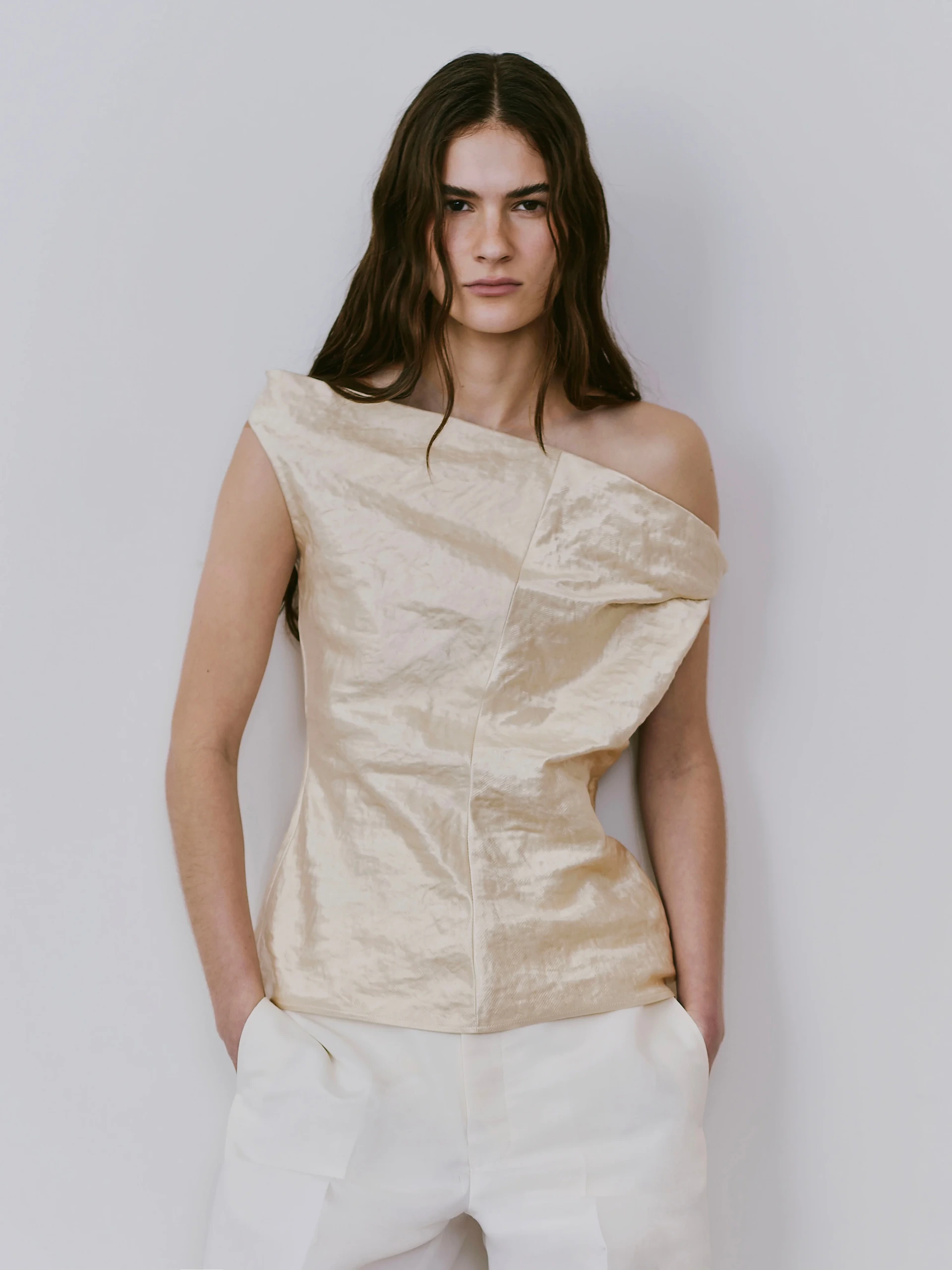
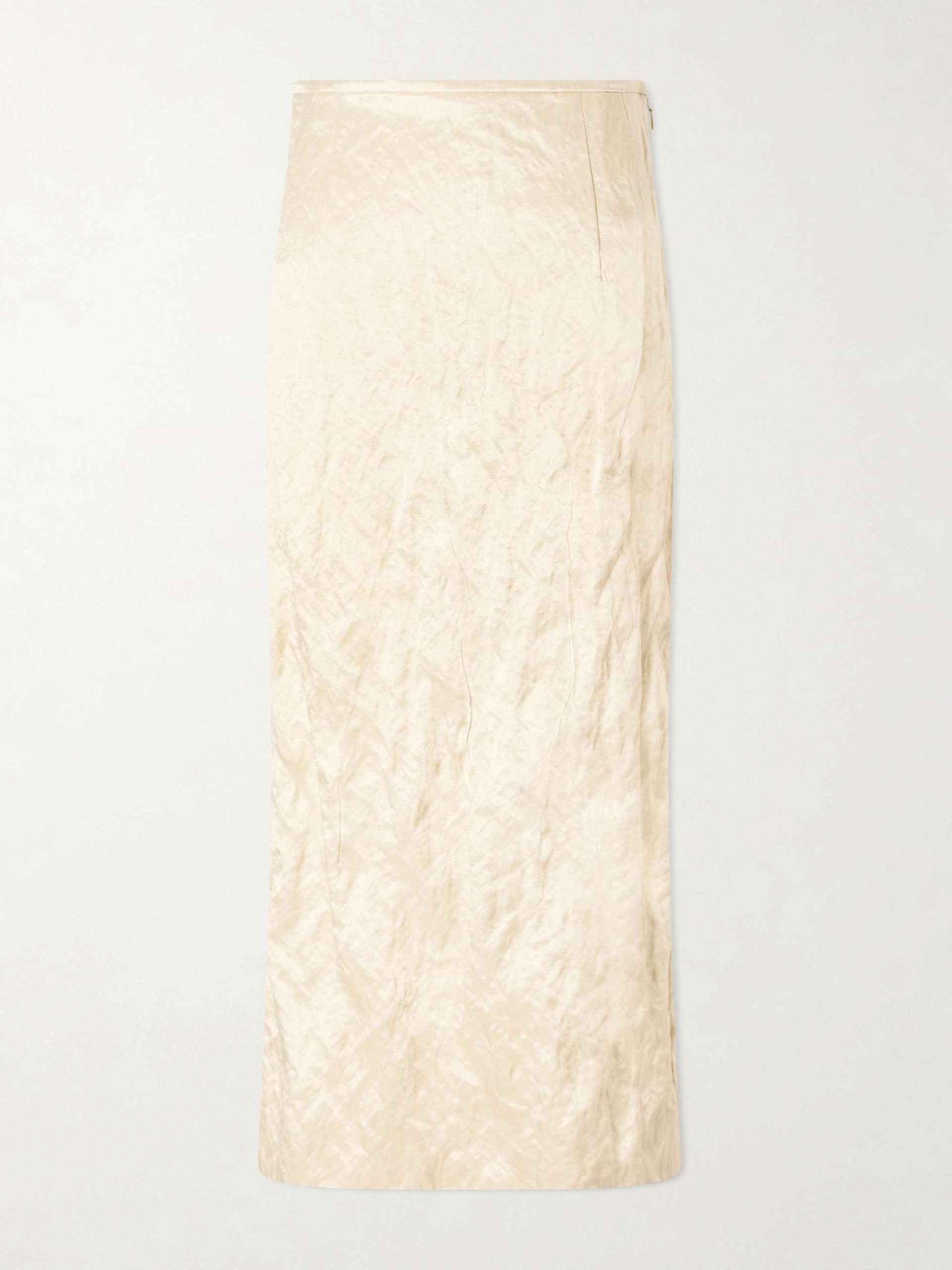
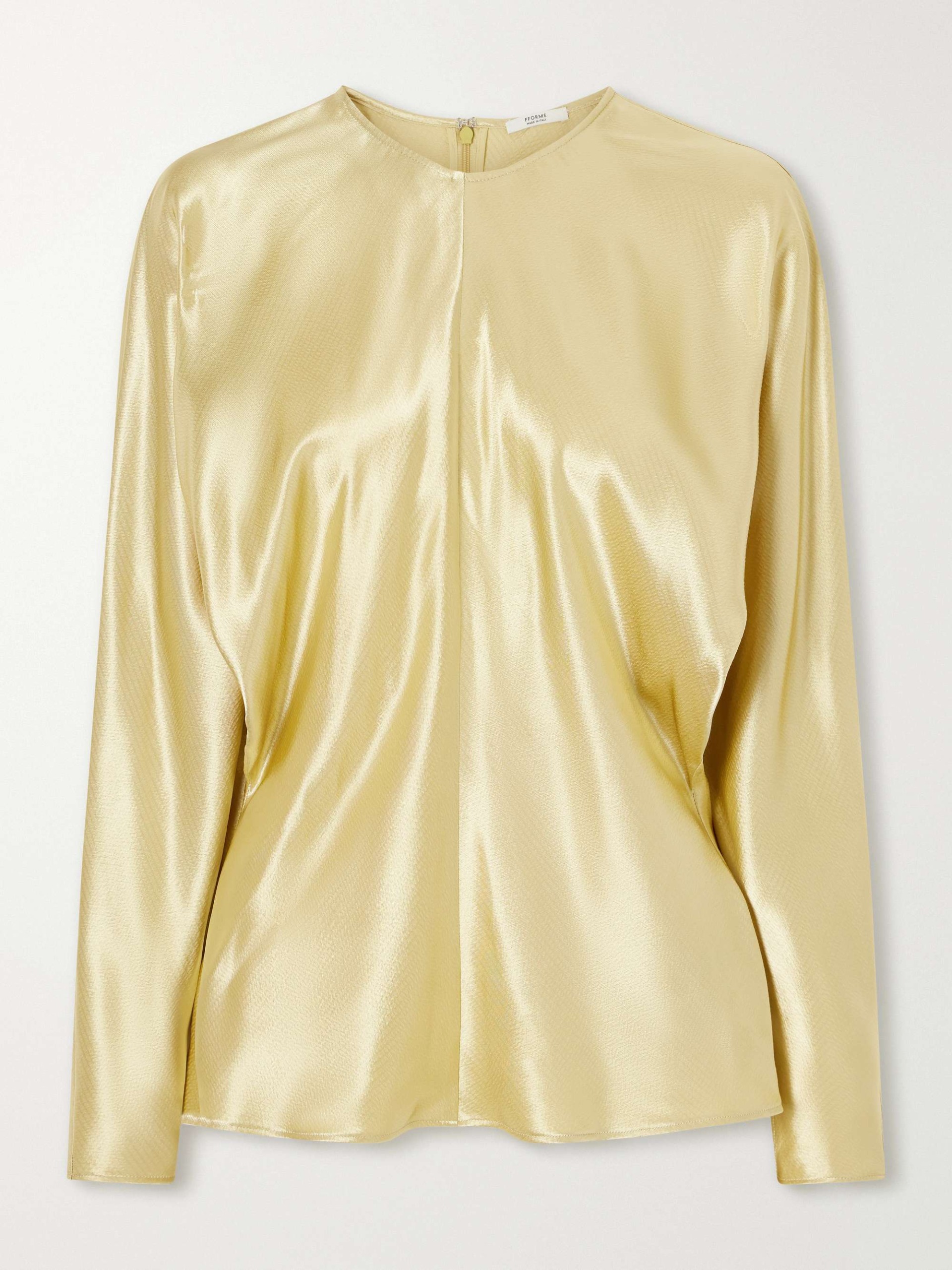
Fforme, founded in 2021, approaches minimalism with an architectural hand, favoring sculptural draping, fluid proportions, and an exacting attention to fabrication. The result is quiet luxury with genuine design rigor.
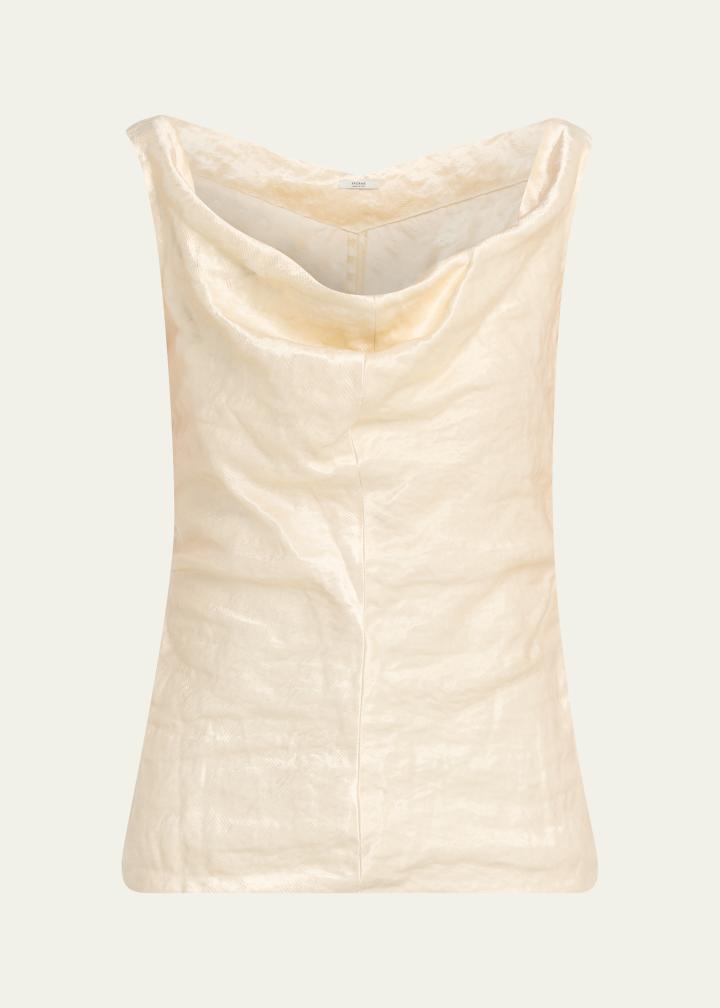
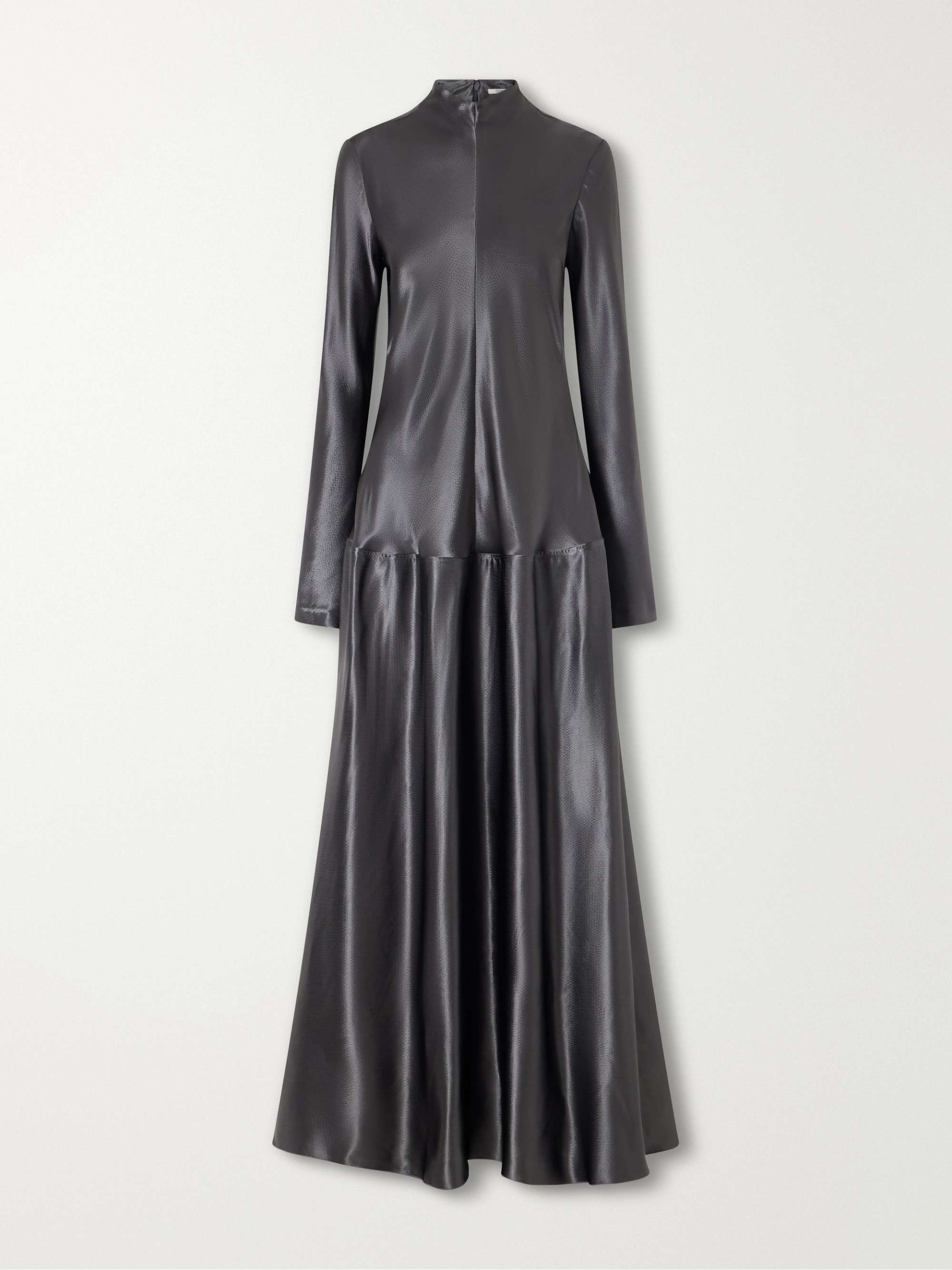
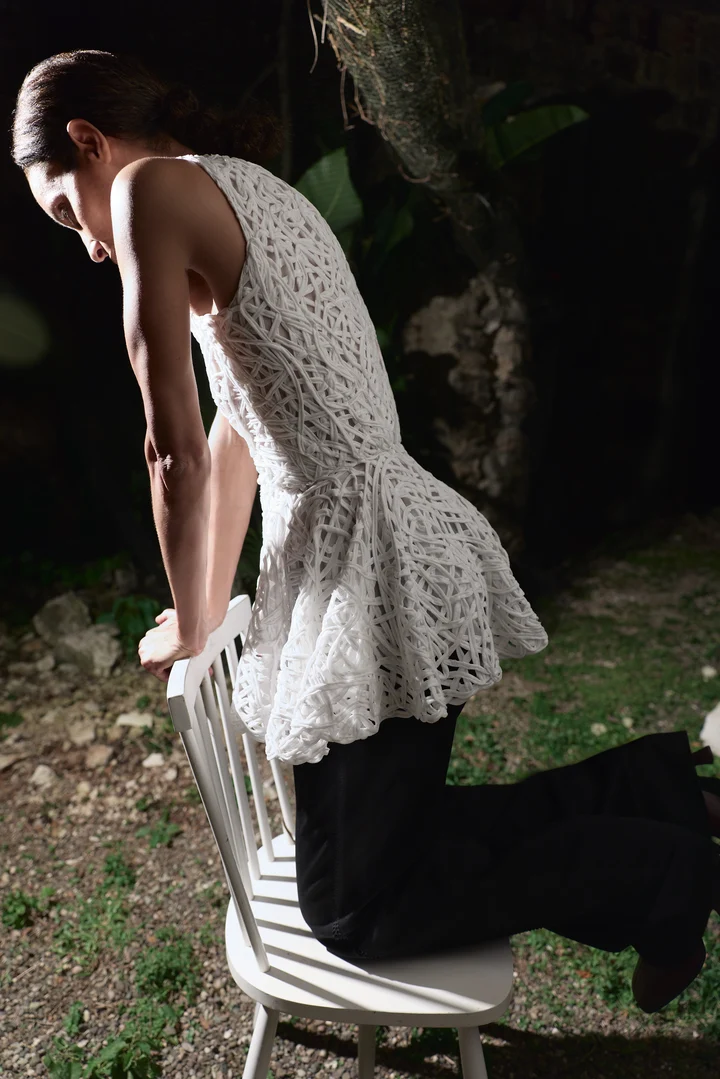
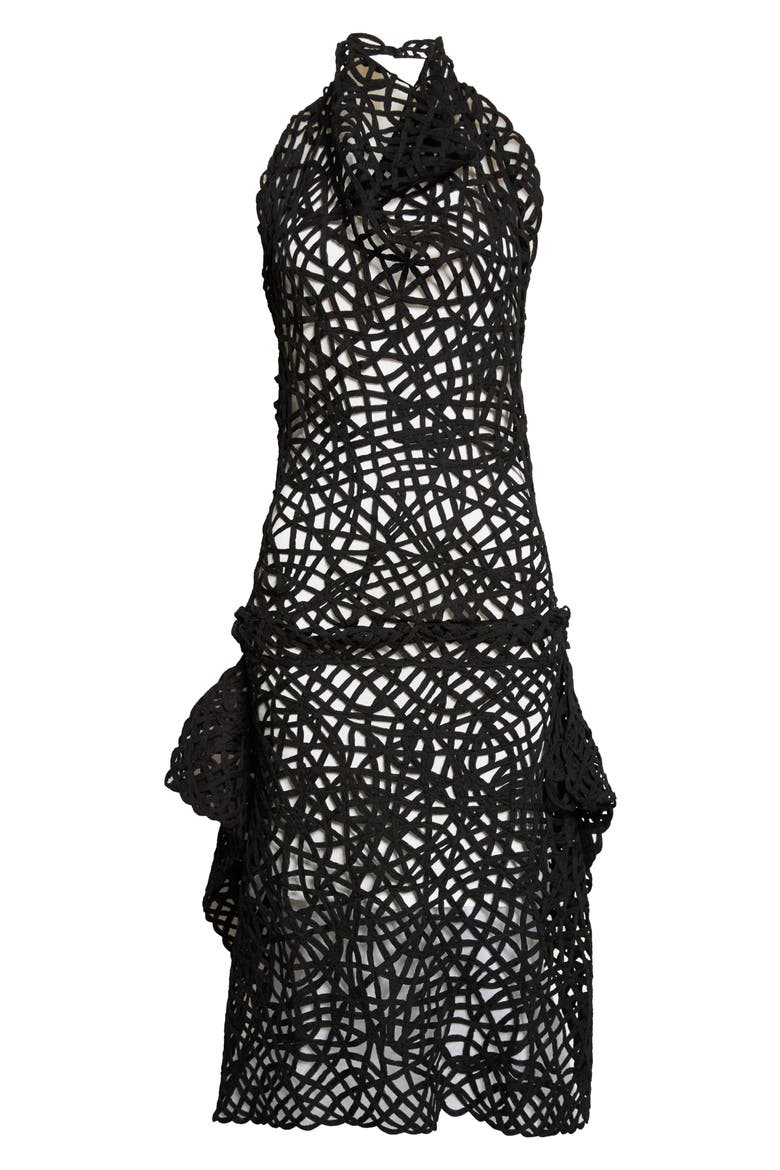
Rachel Scott's Diotima marries the intricacy of Jamaican craft traditions with a cosmopolitan sensibility, most recognizably through its extraordinary crochet work. You'll find adept handwork and razor-sharp tailoring all at once.
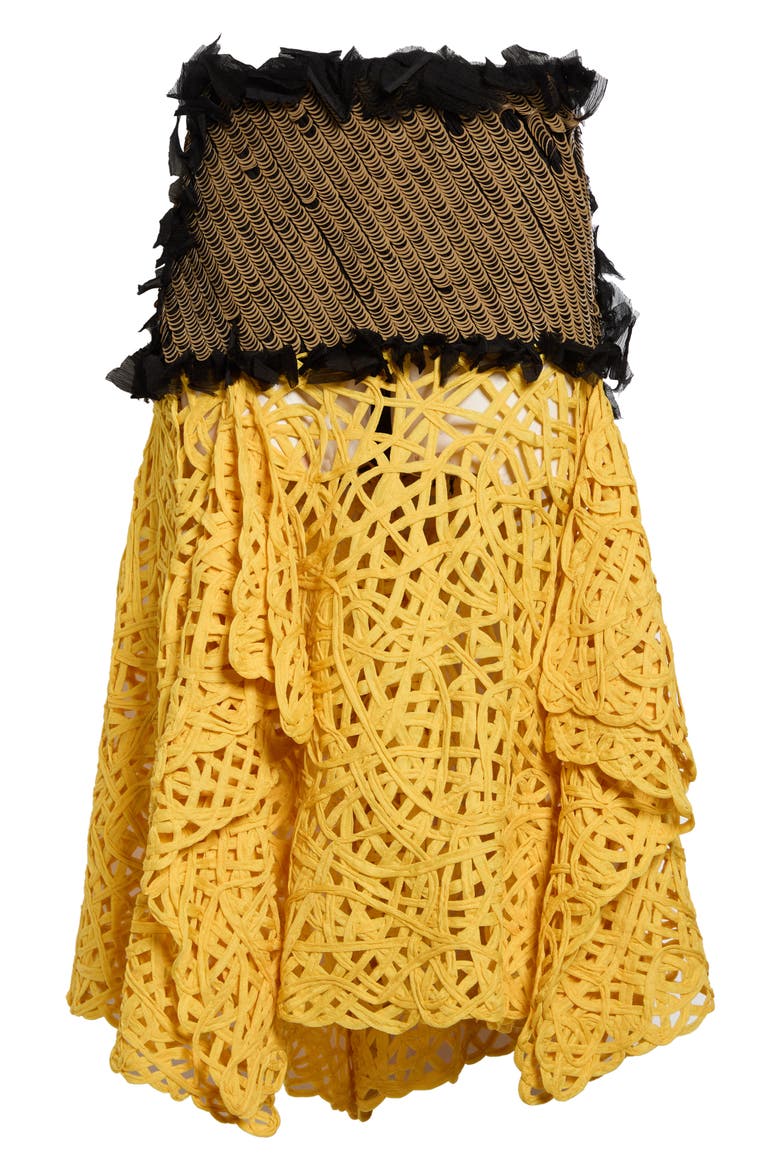
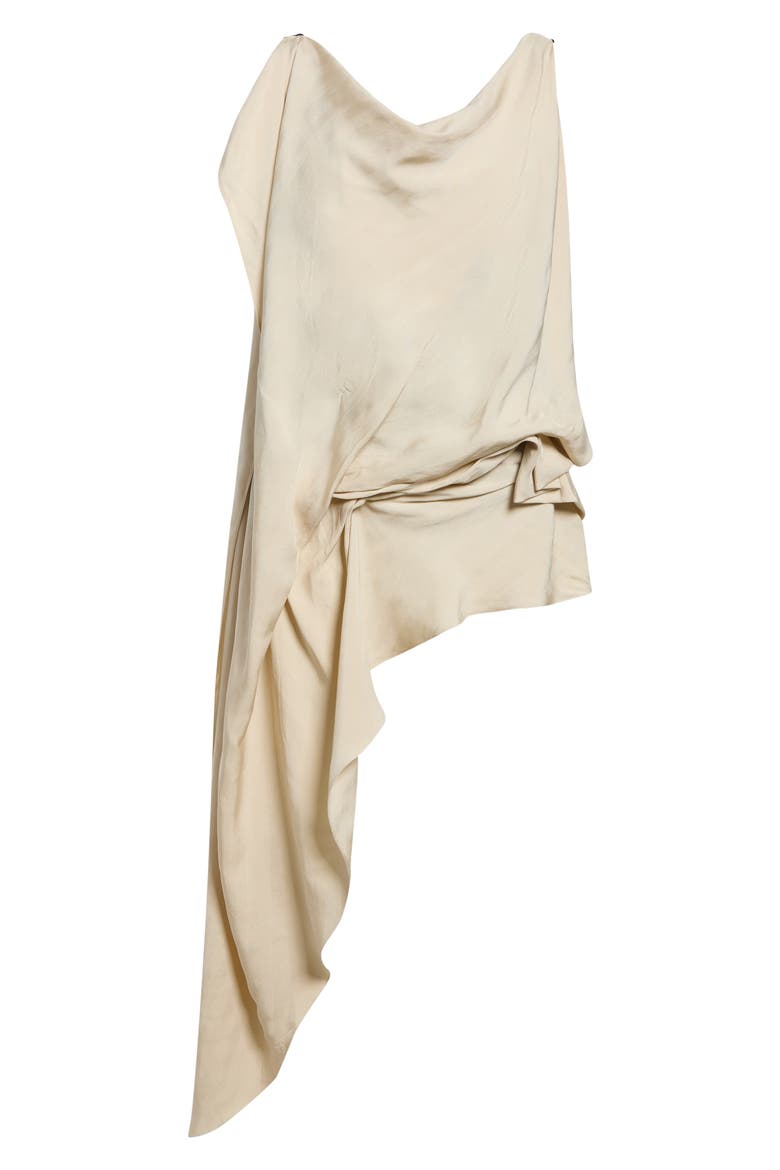
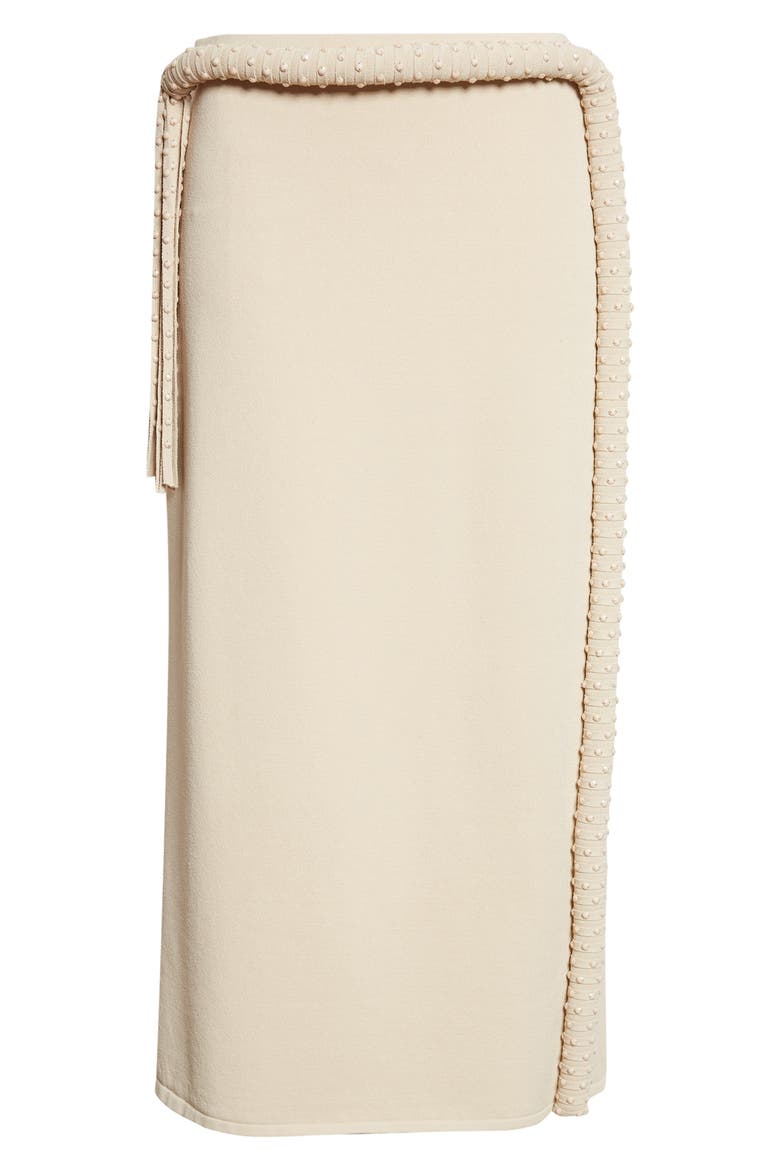
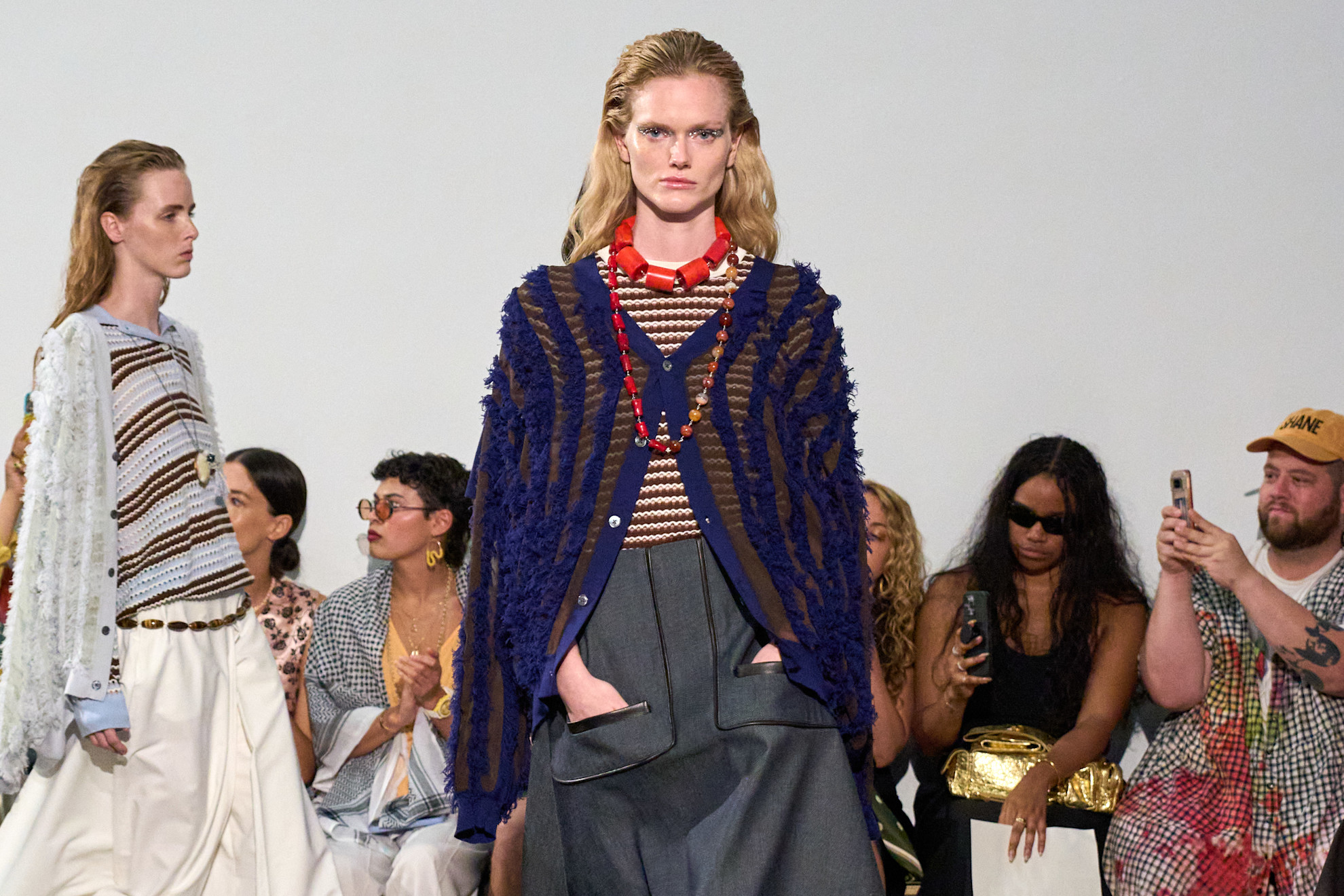
Henry Zankov has turned knitwear into something far more thrilling, playing with overly saturated color, graphic pattern, and unexpected silhouettes. There's an art-school irrverence to the clothes, but underneath the visuals is a serious understanding of textile and technique.
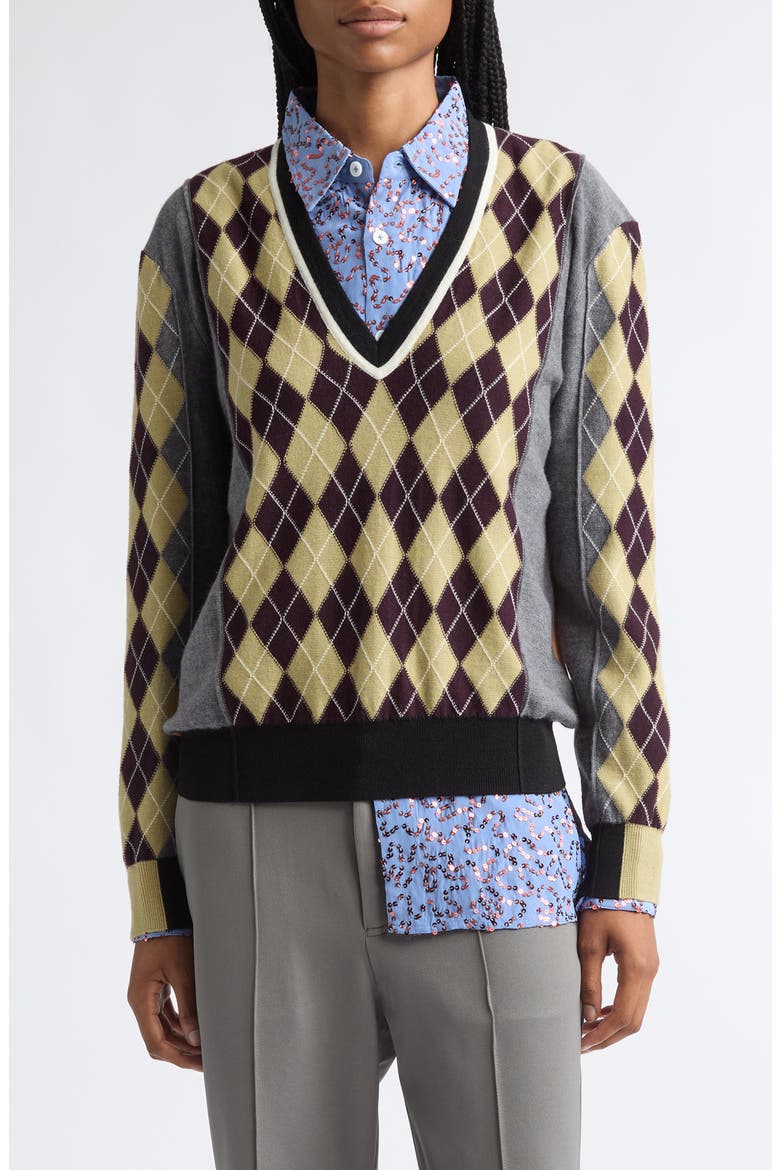
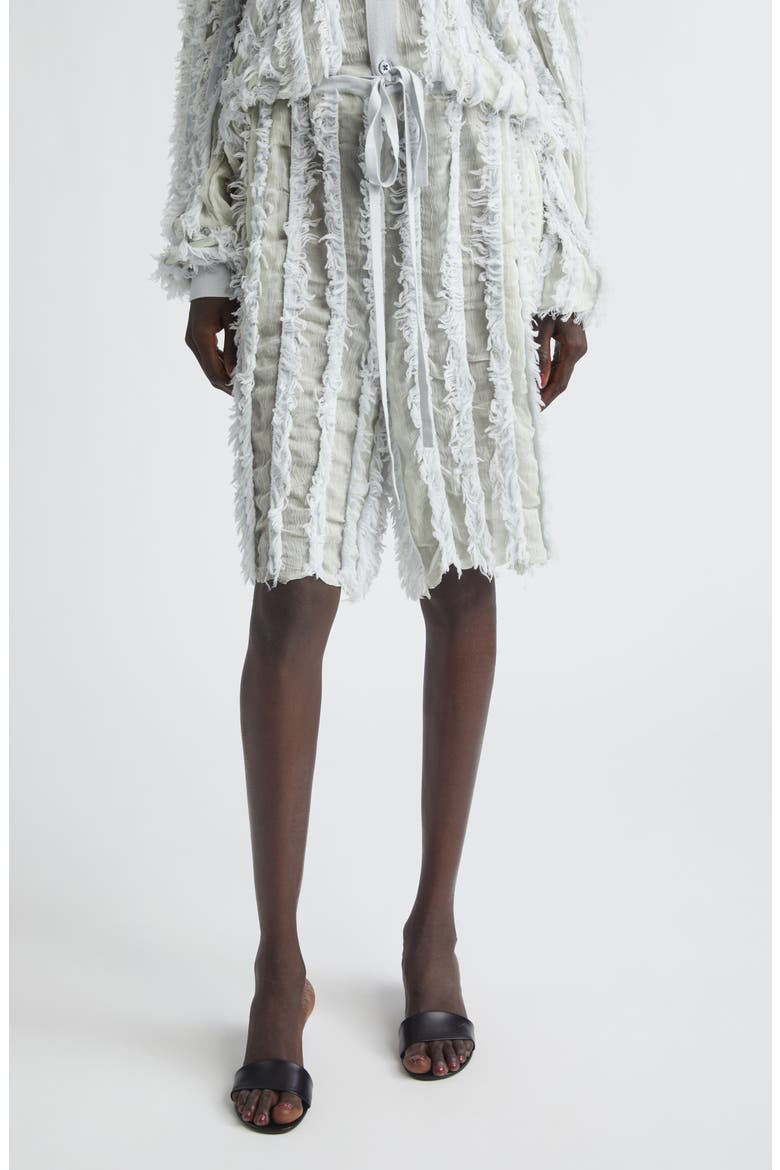
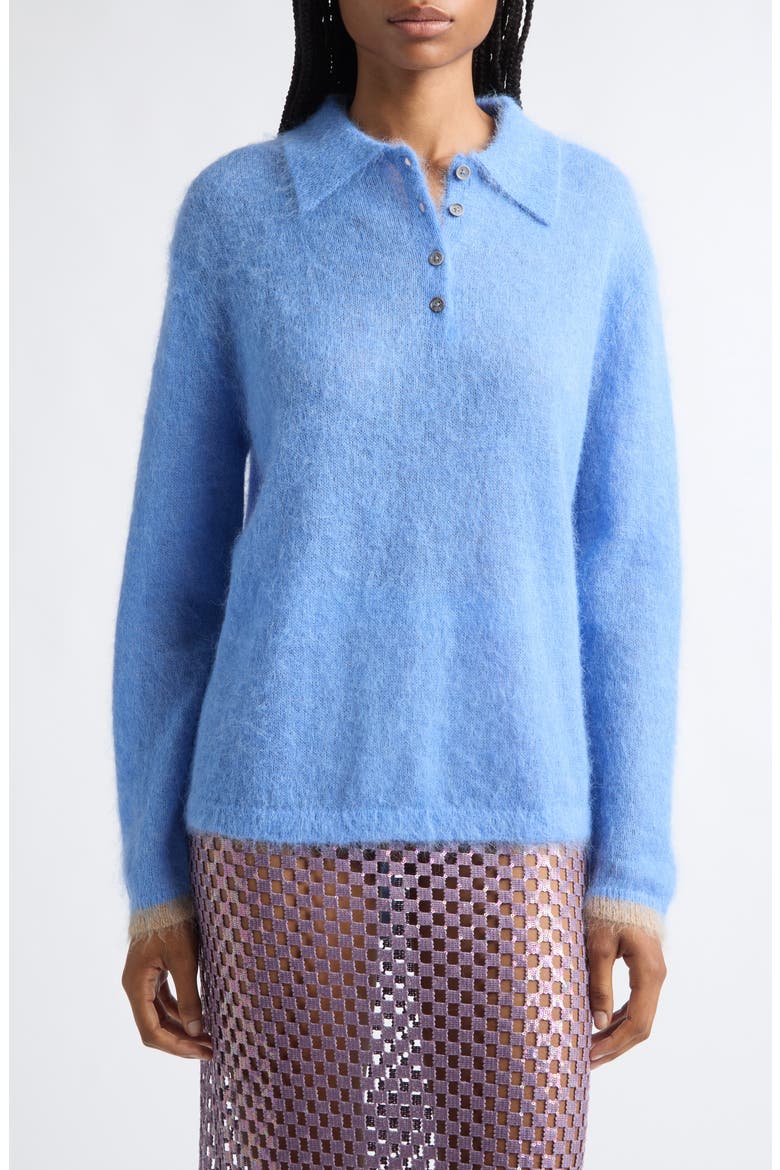
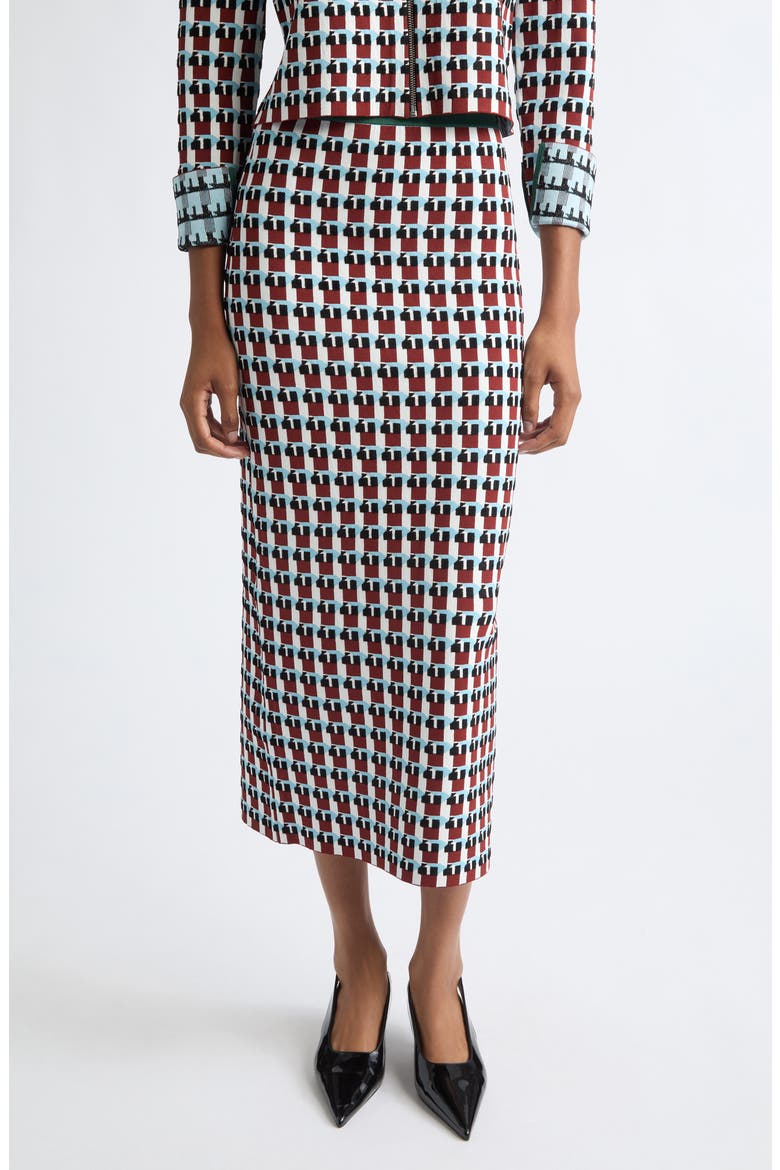
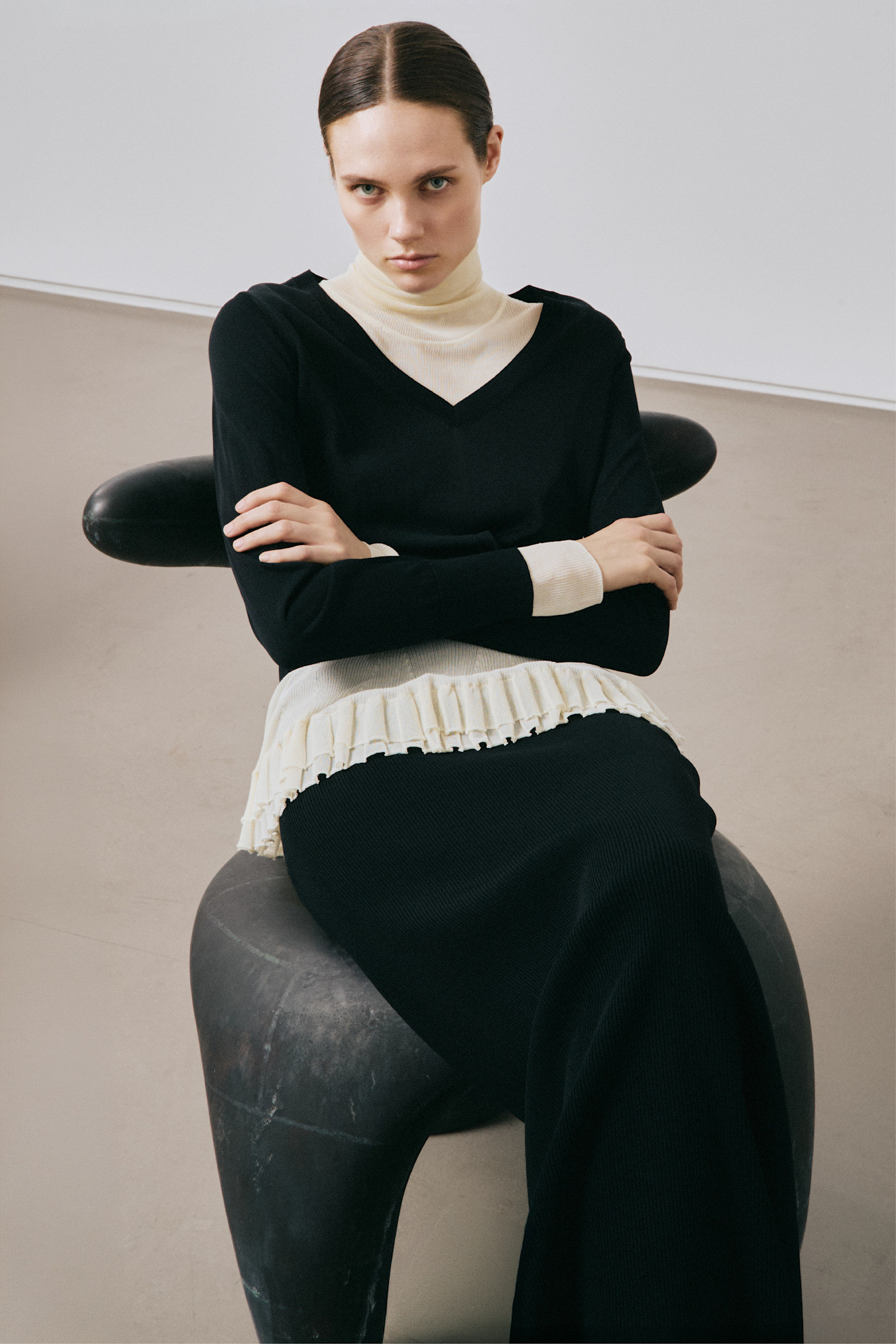
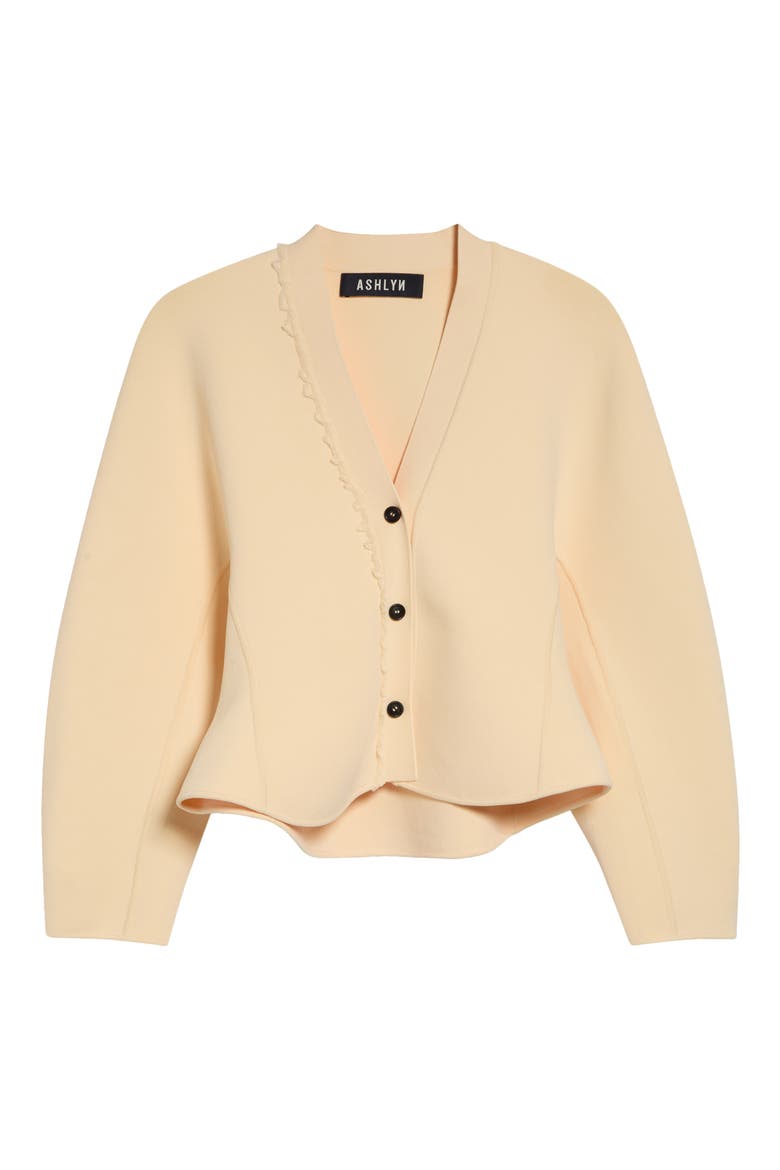
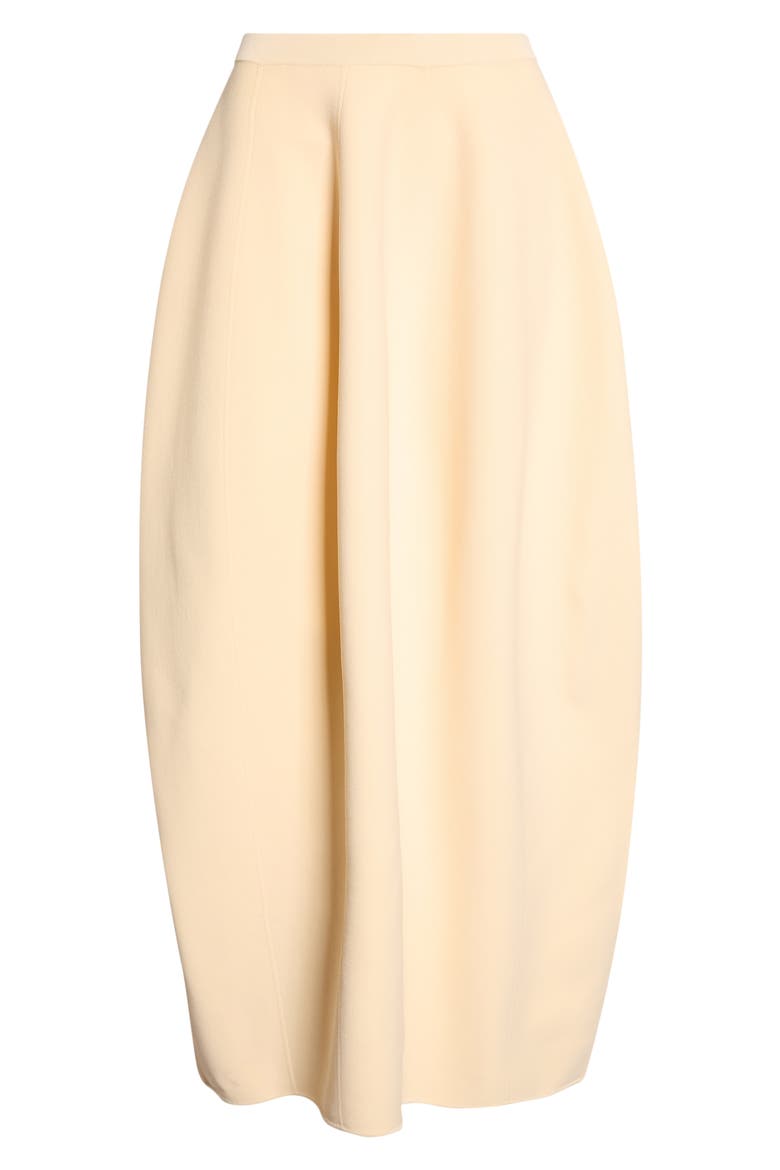
Ashlyn Park's Ashlyn is an exercise in precision, where immaculate construction reflect the designer's background in both Japanese and New York fashion. Her collections often reduce clothing to its most essential elements, then rebuilds them with an architectural, pointed edge.
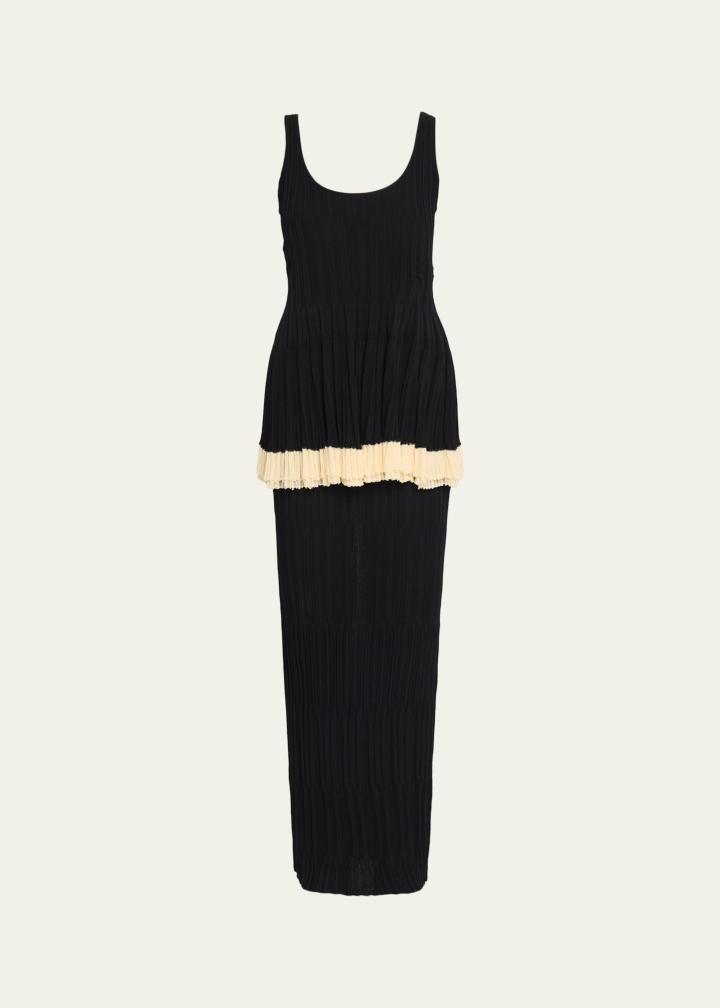
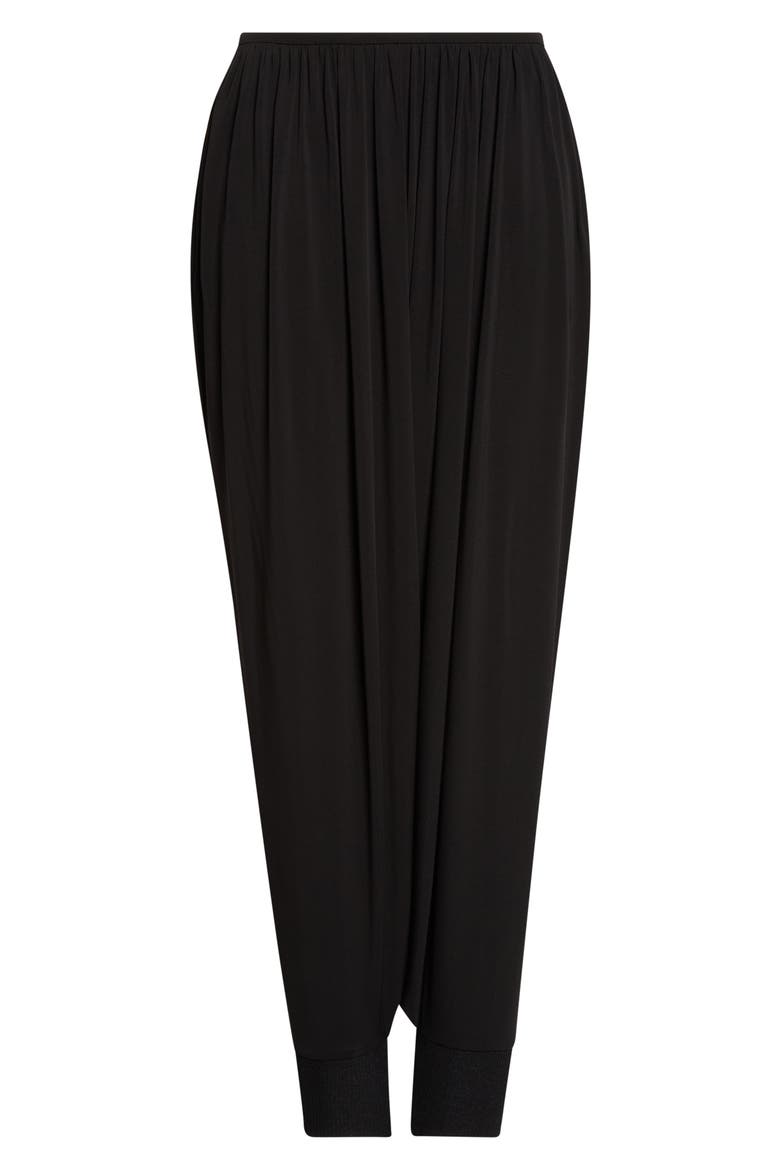
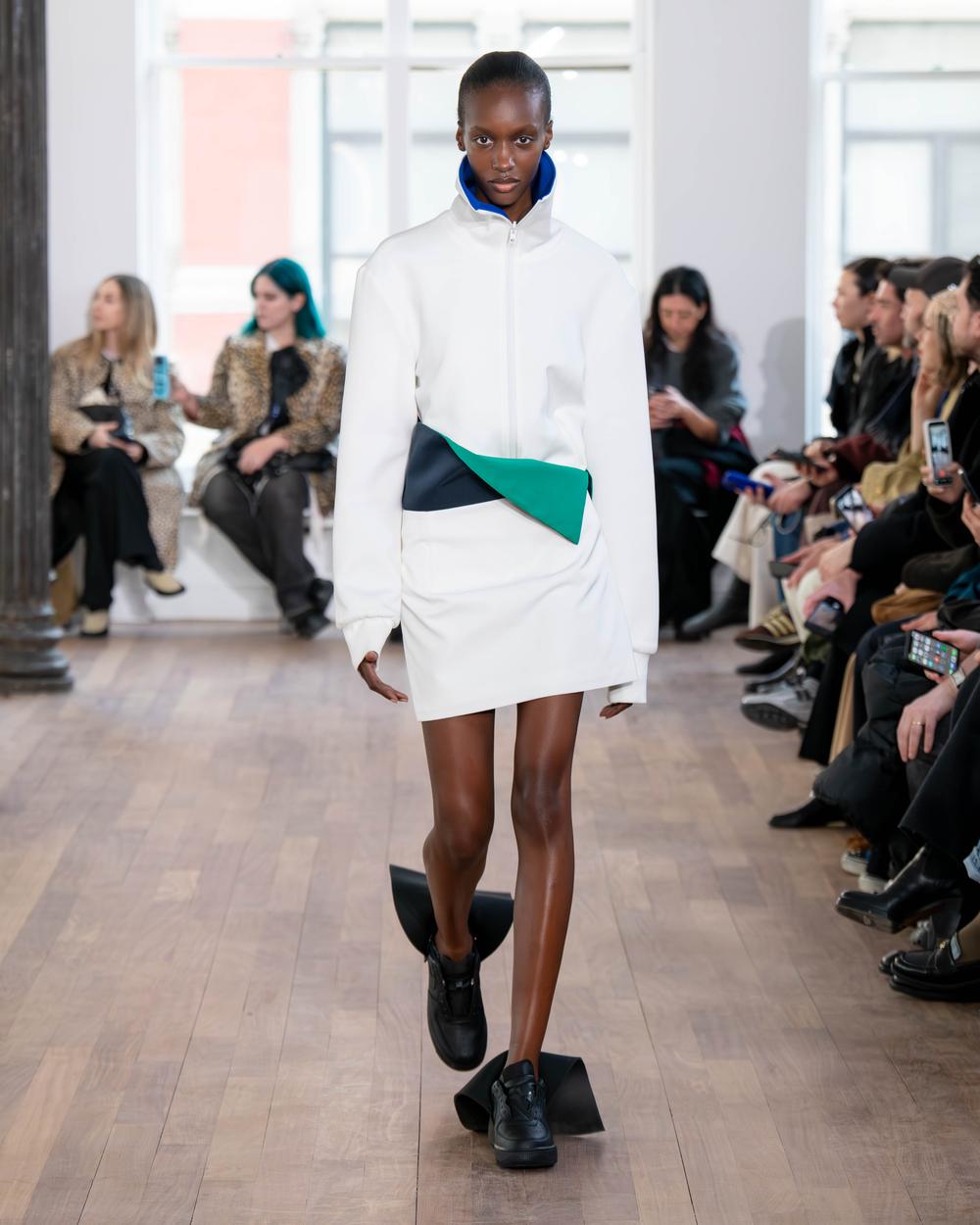
Consider LII fashion origami. Launched by designer Zane Li, it brings a cerebral, slightly subversive perspective to familiar wardrobe codes, manipulating construction until the everyday feels brand new. It's minimalism for the fashion-fluent—but full of sly, considered details.
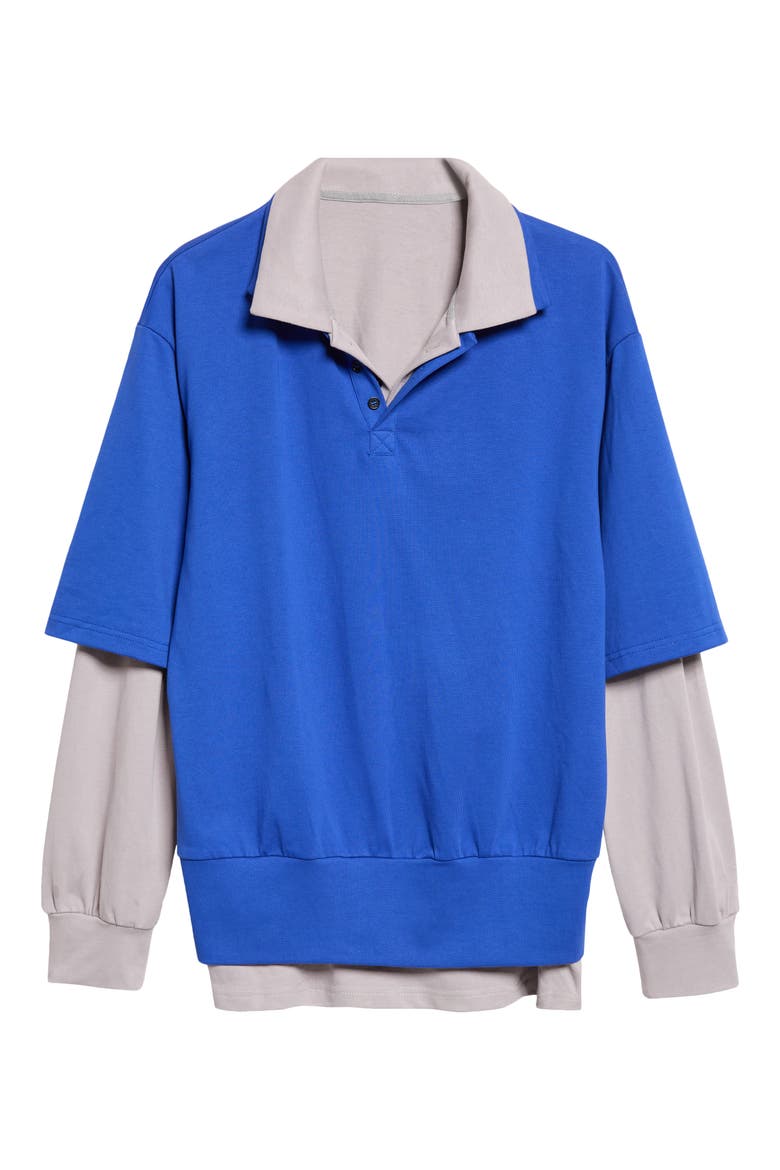
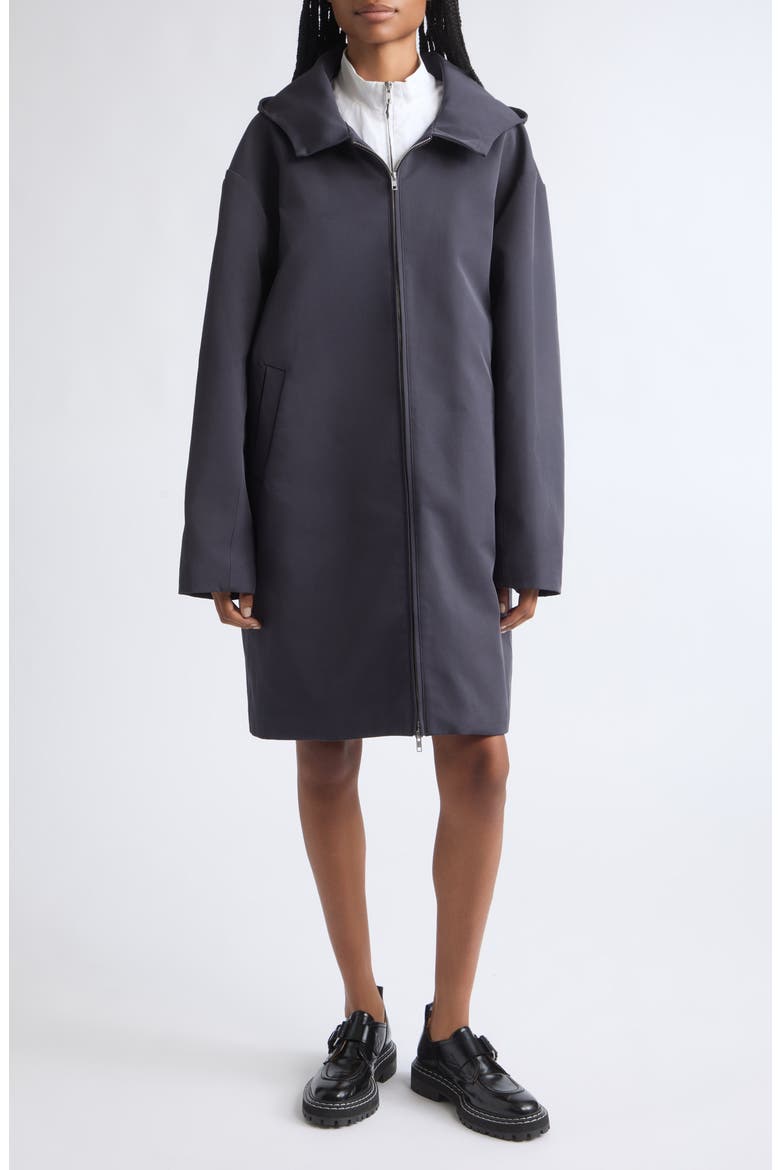
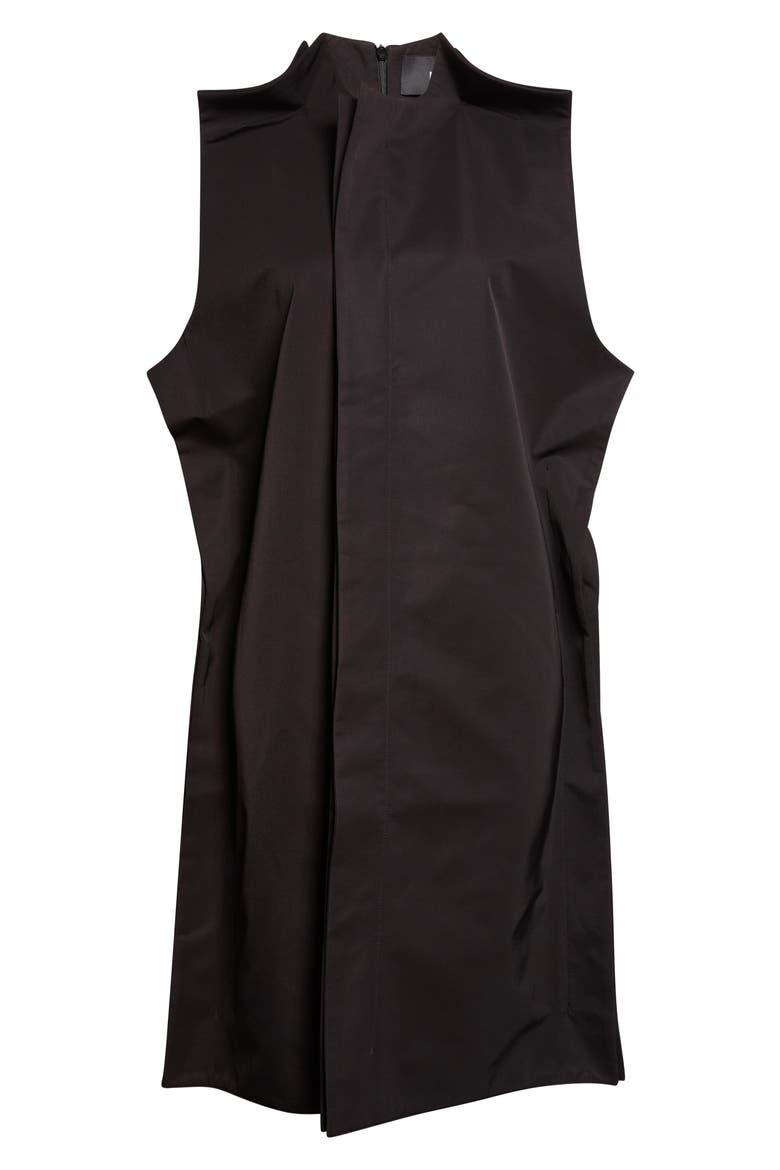
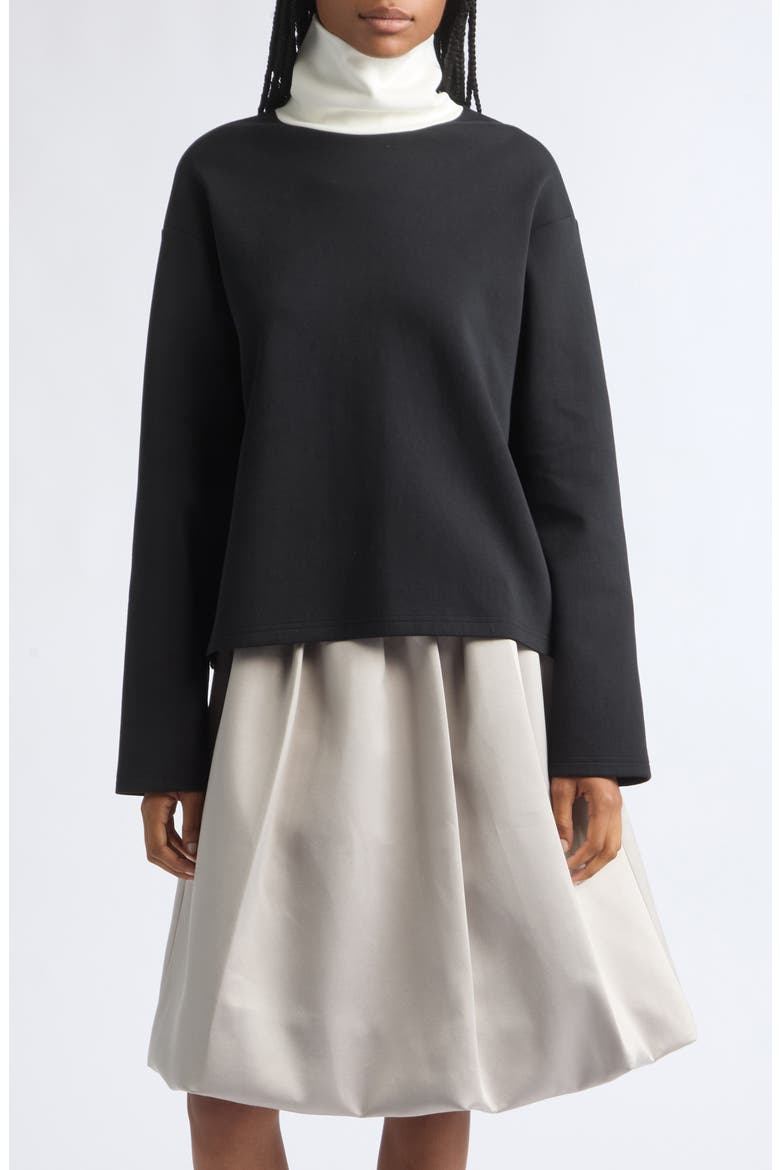
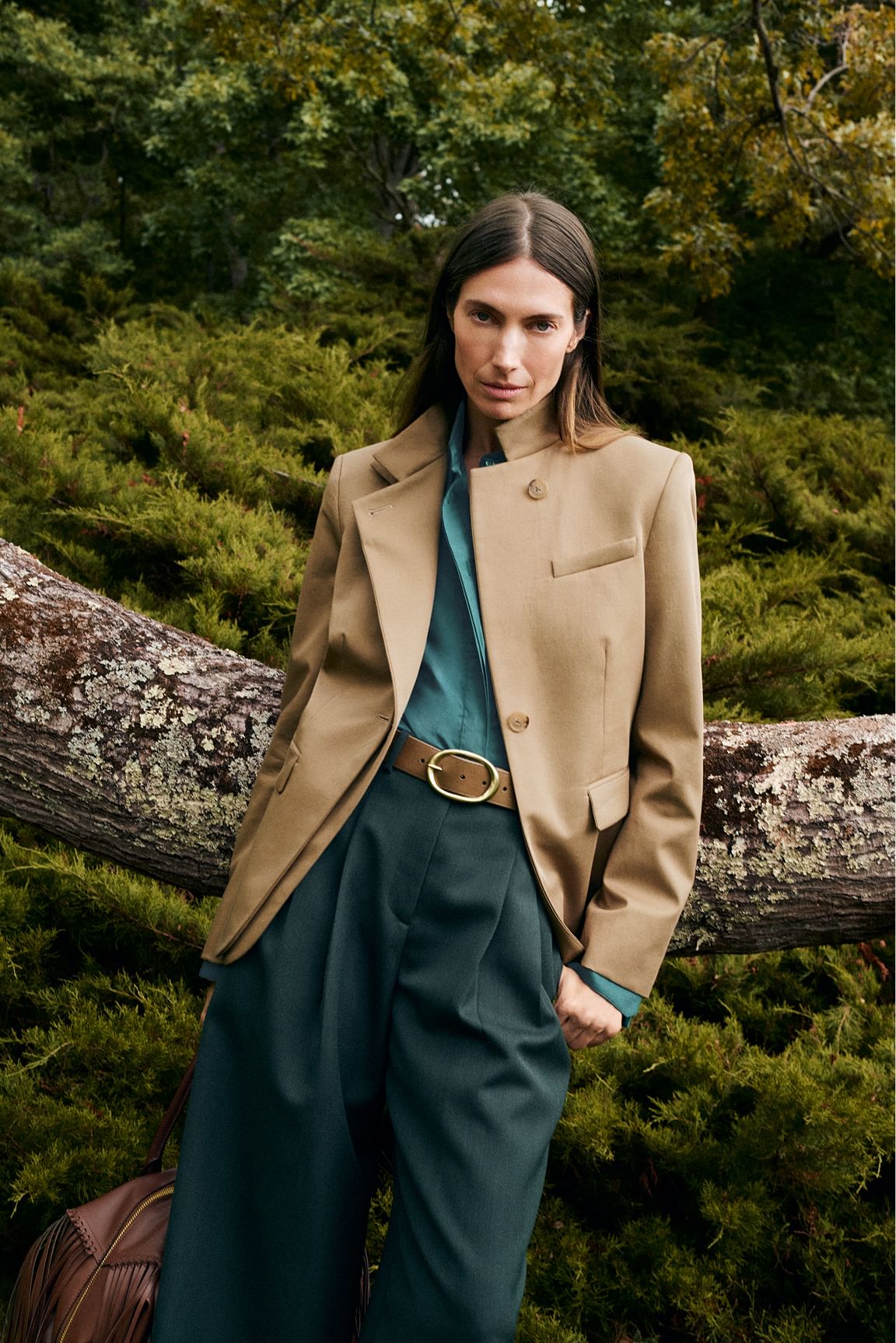
Trish Wescoat Pound's TWP takes the vocabulary of American sportswear—button-down's, trousers, tailoring, easy layers—and makes it feel polished. Relaxed shapes and lush fabrics give the clothes that elusive thrown-on quality that belies how considered they actually are.
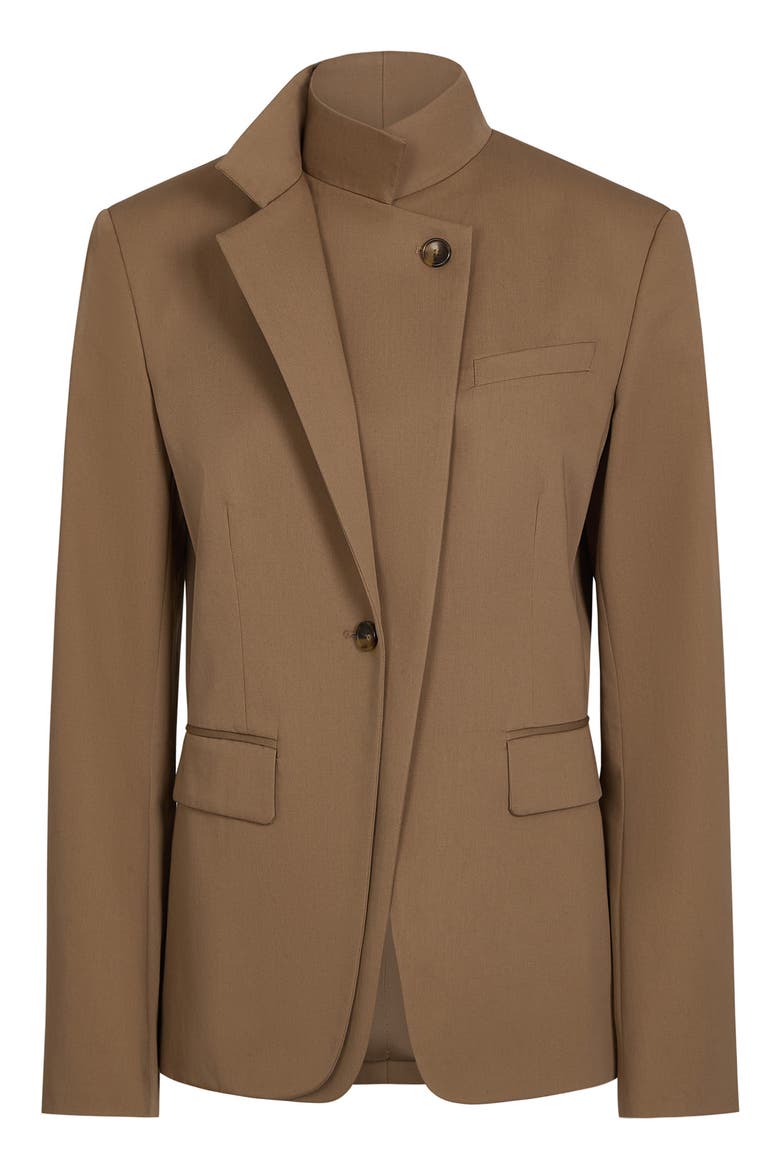
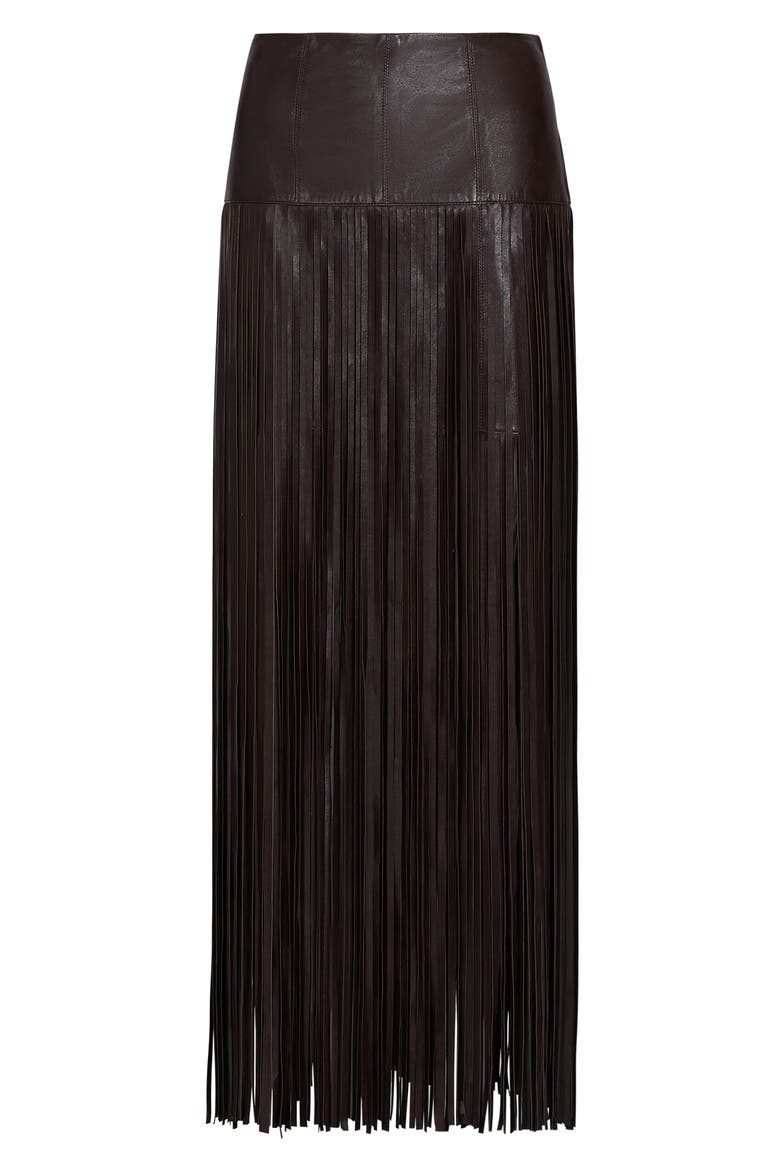
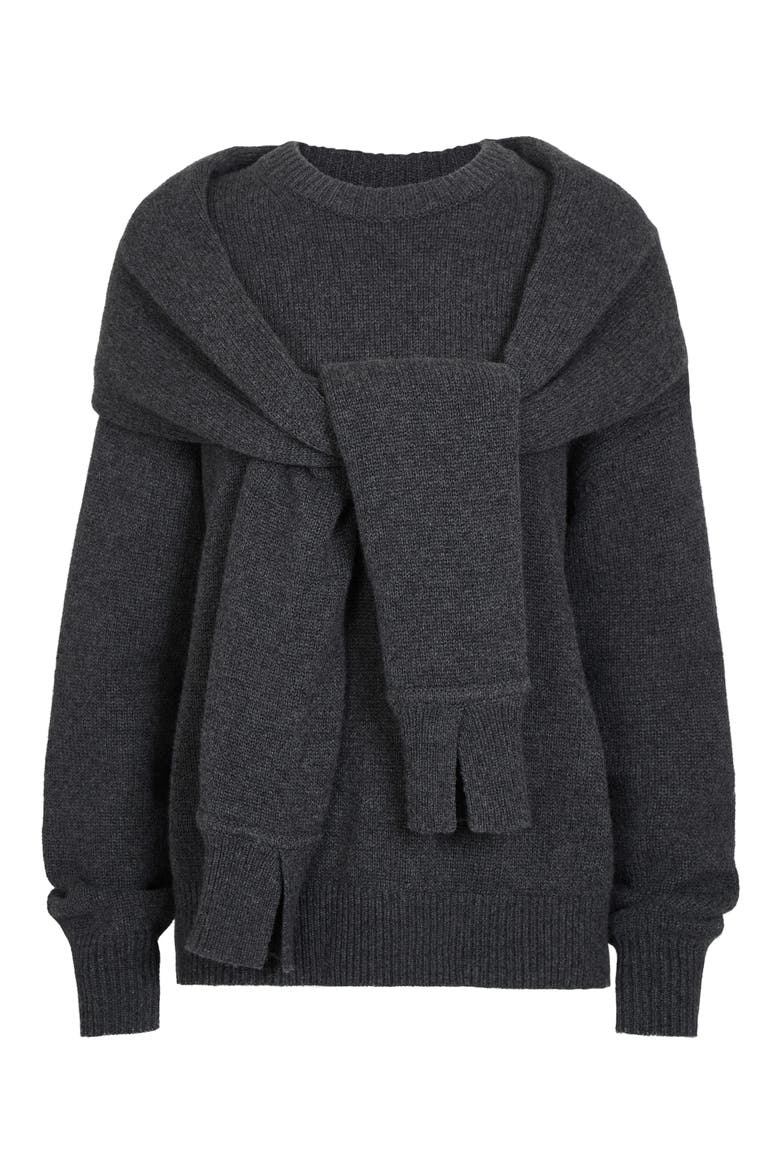
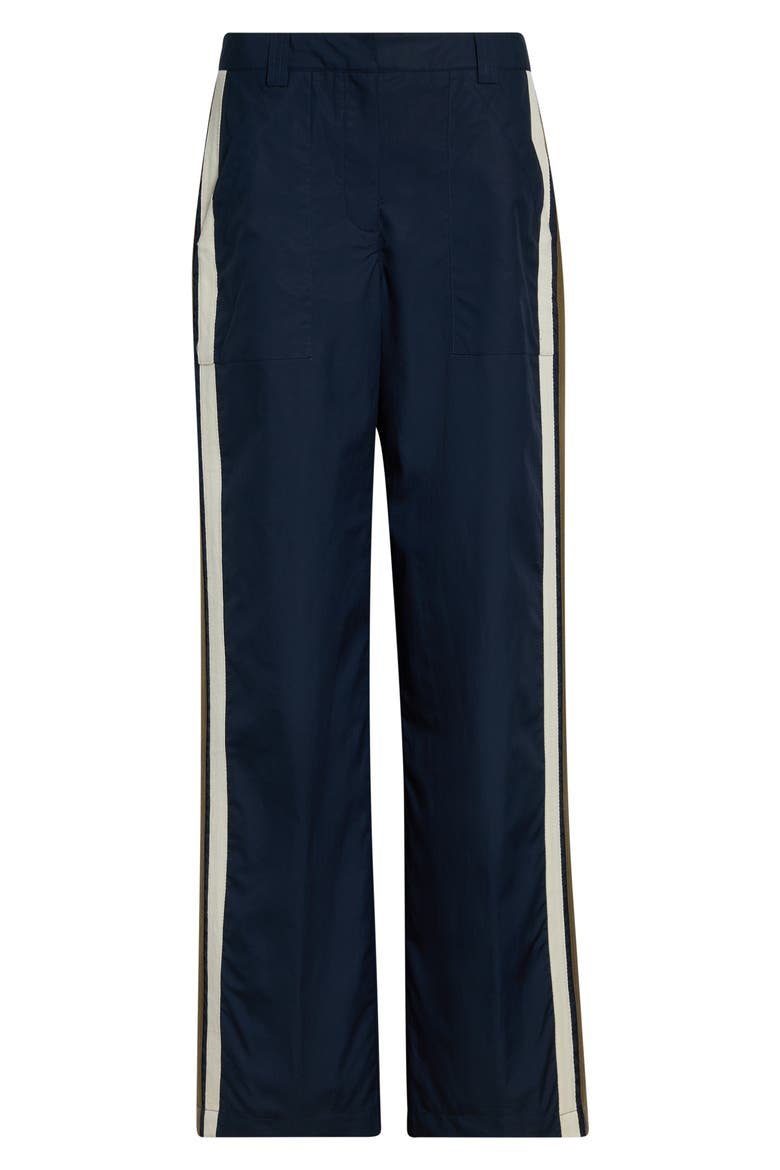
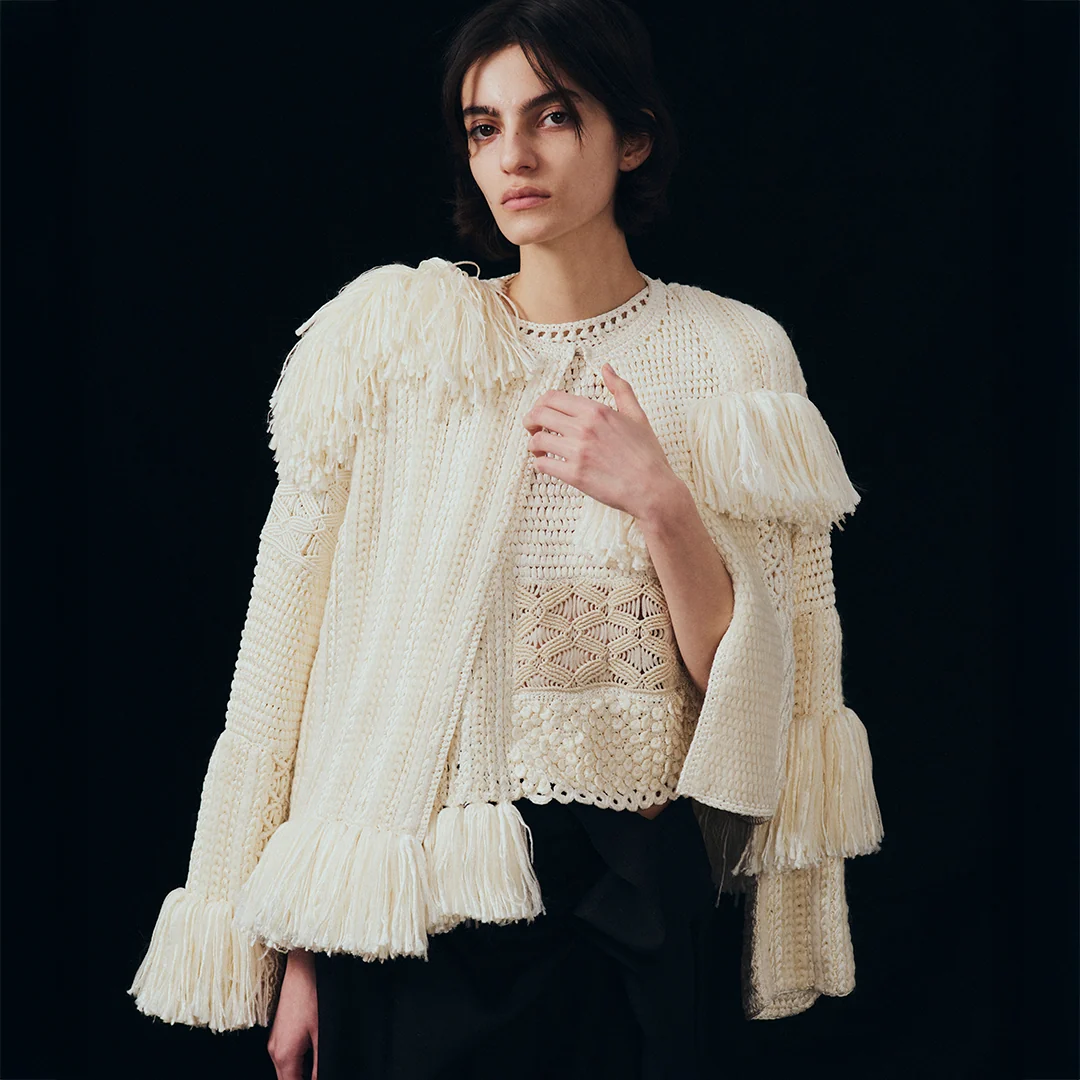
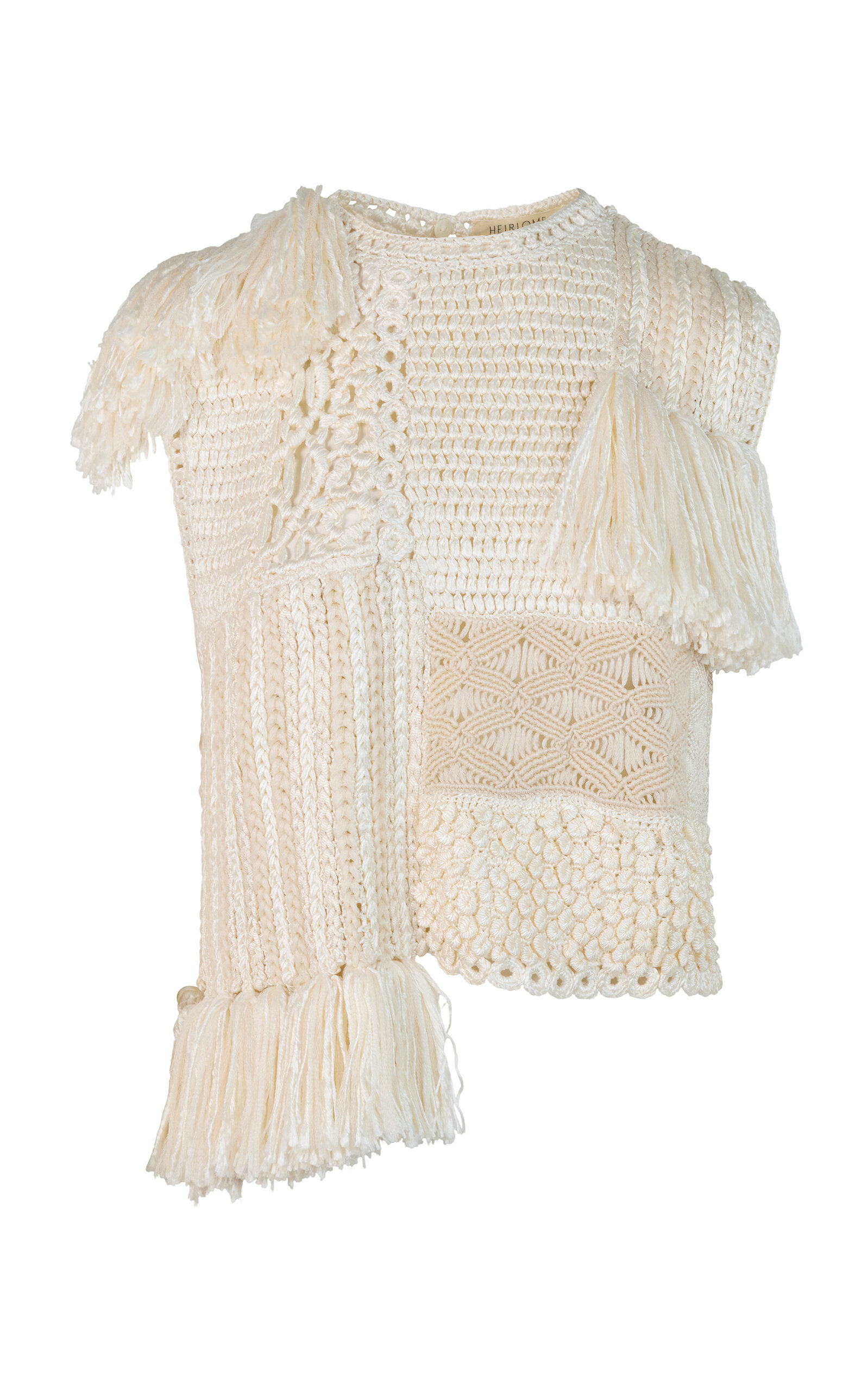
Heirlome, founded by Stephanie Suberville and Jeffrey Axford, finds its distinction in lavish materials, artisanal techniques, and an understated approach to femininity. Its pieces have an heirloom permanence, balancing romantic detail with a modern New York wardrobe.
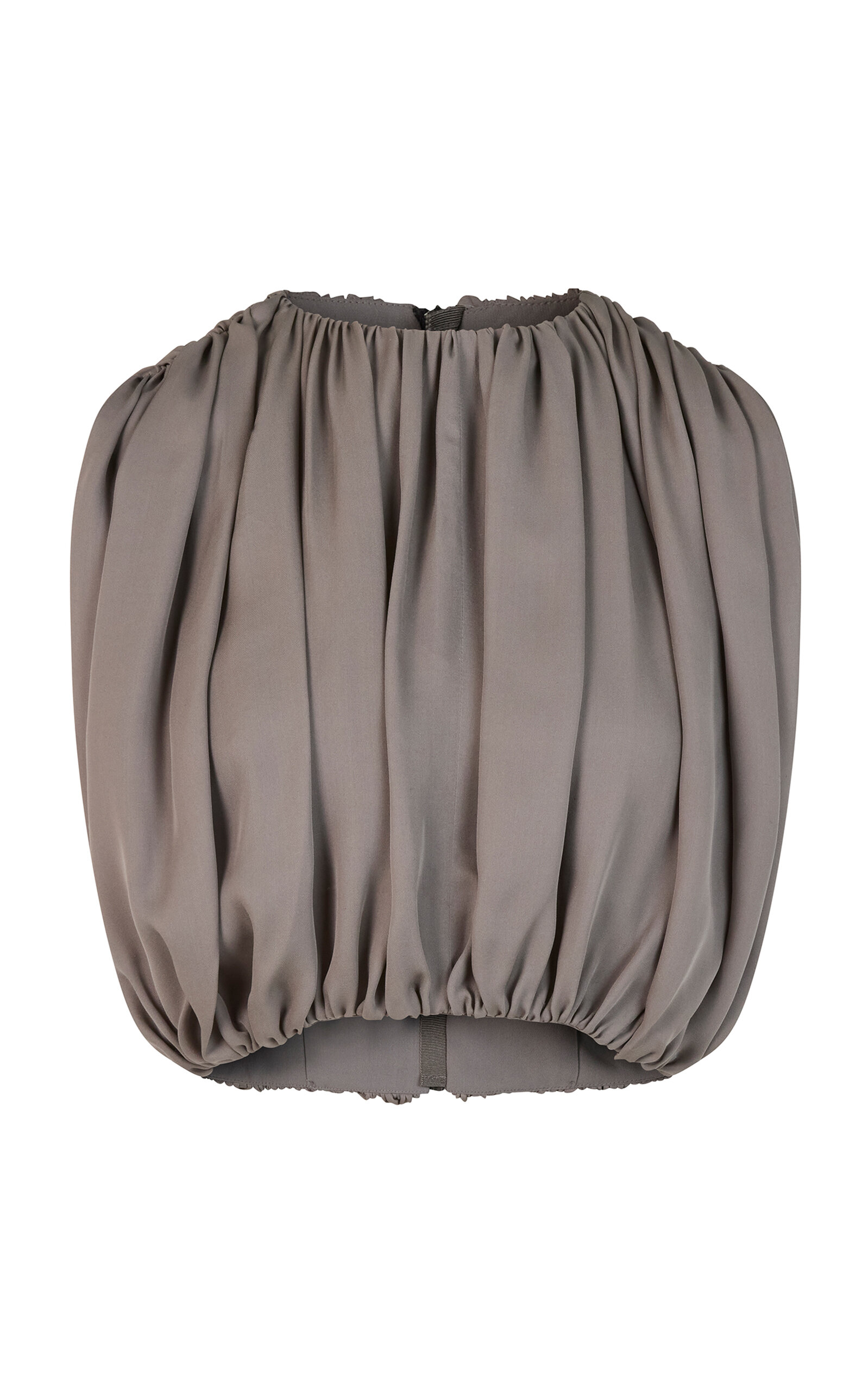
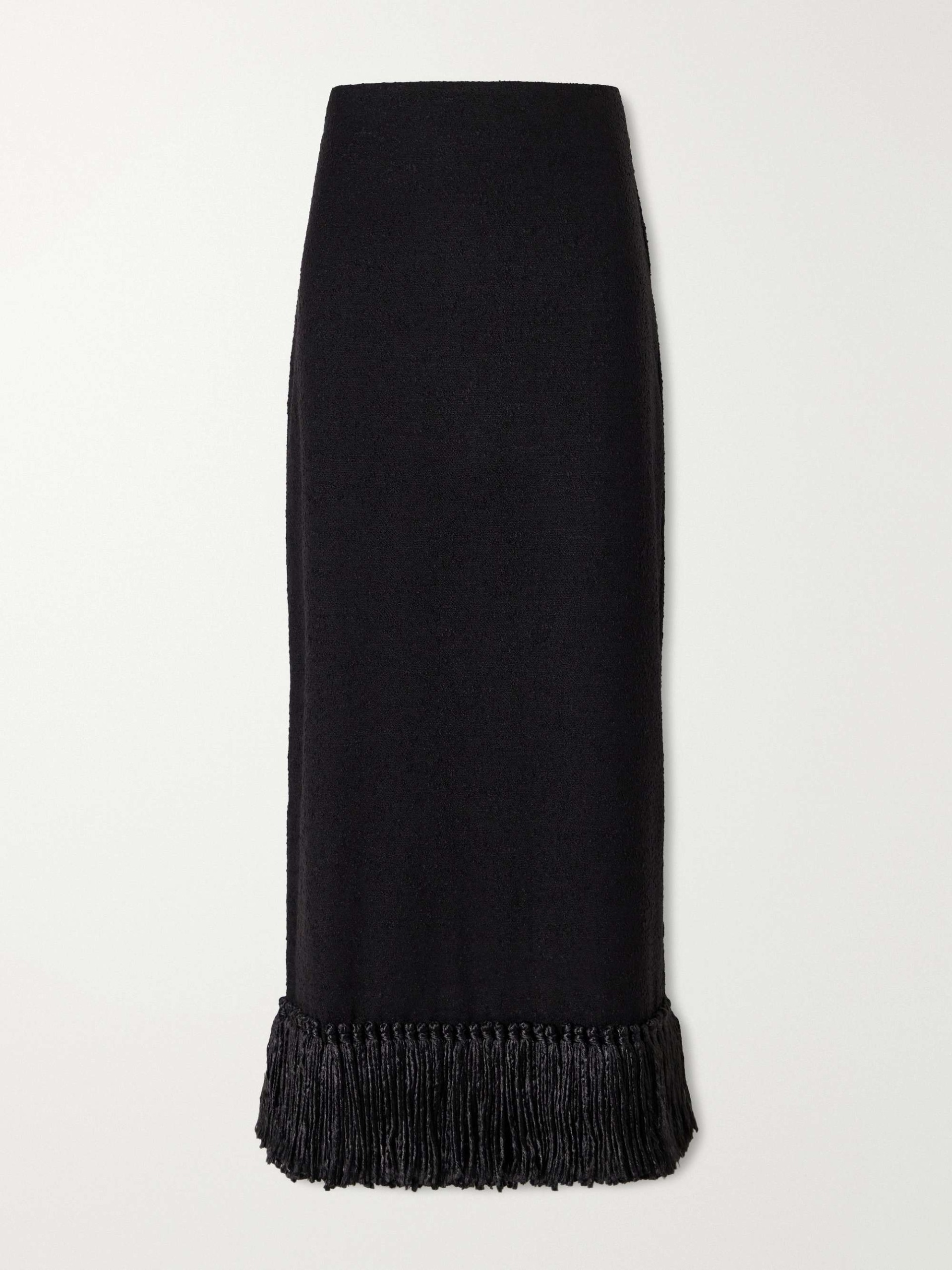
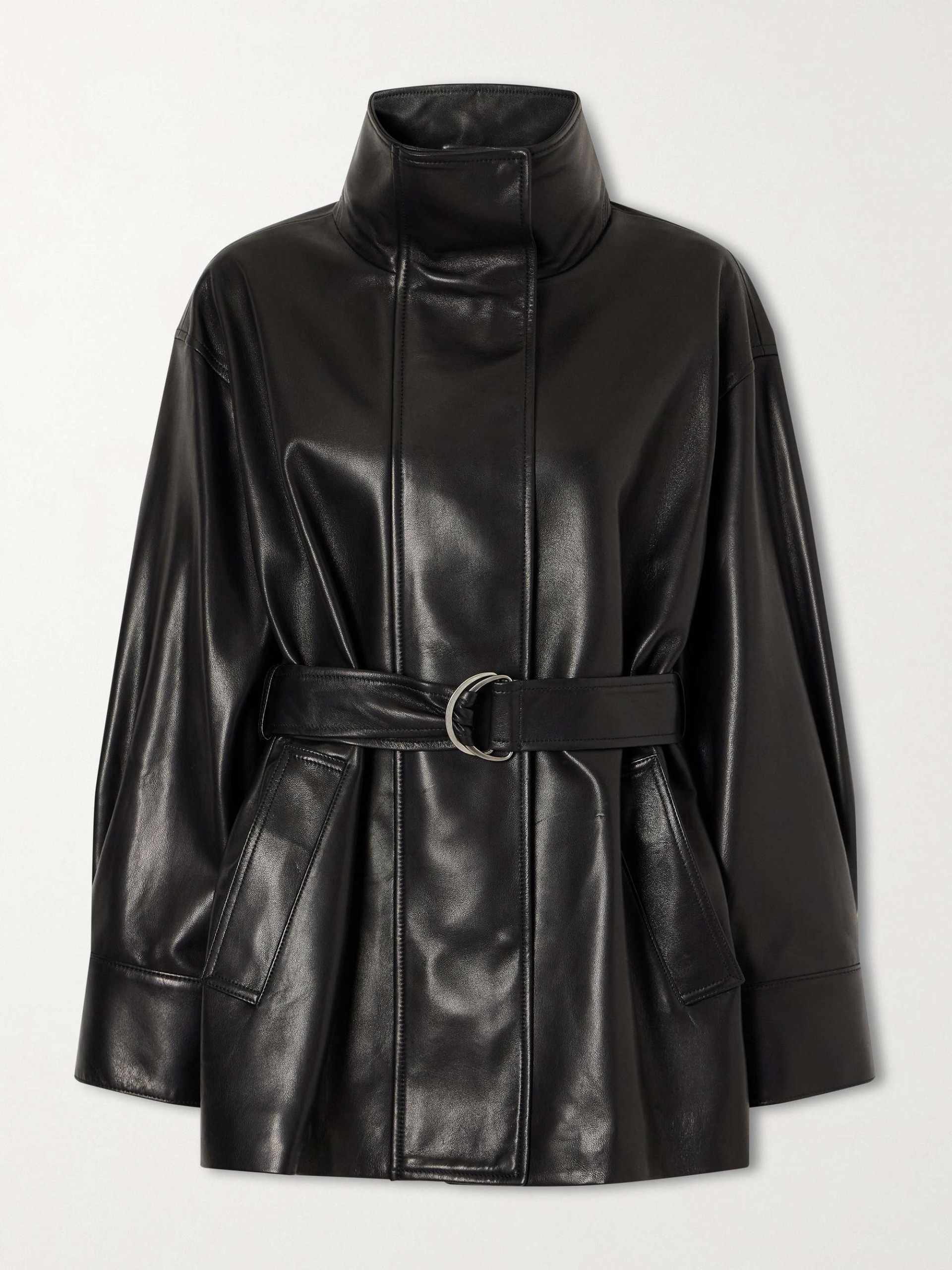
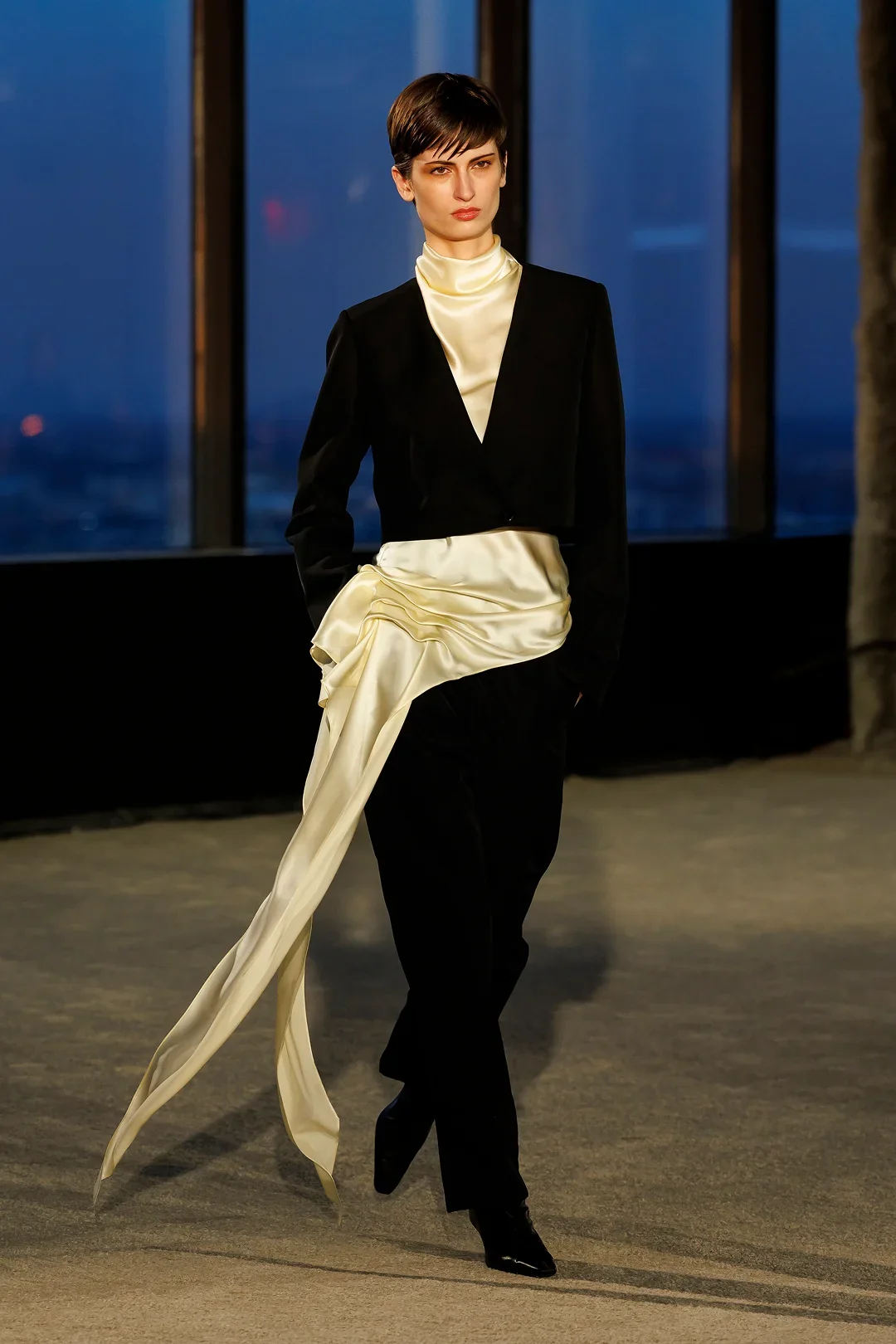
Danielle Kallmeyer has built a compelling vocabulary around modern tailoring, louche separates, and an assured, very New York interpretation of womenswear. The appeal lies in its studied nonchalance: clothes that look sophisticated without ever appearing overly styled.
Read on the original site
Open the publisher's page for the full experience