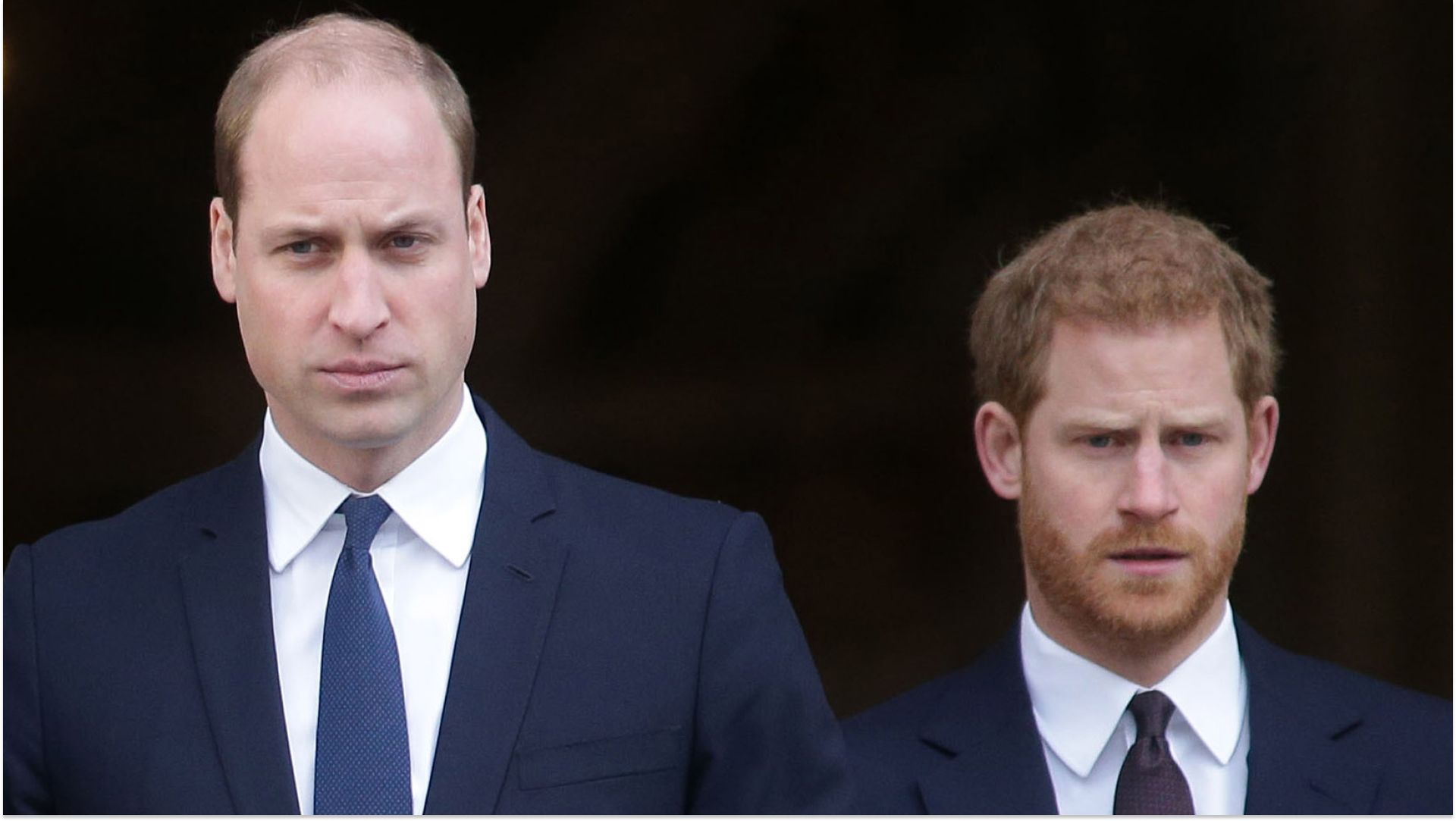
The calendar has a quiet gravity that no amount of royal tension can override. For all the headlines about estrangement and the careful choreography of separate lives, the family tradition of gathering at Sandringham House for Christmas endures as an annual gravitational pull, one that may eventually force the reconciliation that personal will alone has not yet achieved. We believe this is the most understated but powerful lever in the entire royal rift, and it deserves more attention than the noise around it.
The practical reality is simple: Prince Harry has moved back to the U.K. with Meghan Markle and their children, placing them in closer physical proximity to the Royal Family than they have been in years. Yet proximity and invitation are not the same thing. The Sussexes, according to a source speaking to *The Sunday Times*, are not waiting for an invitation this year and have already made plans to spend the holidays in California with Meghan's mother, Doria Ragland. They know it would be too awkward, too difficult. This echoes the quiet composure we recently observed in Sarah Ferguson Returns with Quiet Composure After Months Away, a figure who also navigated her return to the fold with deliberate pacing rather than dramatic demands. There is a lesson here: the most meaningful re-entries are often the ones that resist being forced.
But the calendar does not stop turning. The royal expert Emily Andrews, writing in *Woman & Home*, noted that an invitation to spend a couple of days at Sandringham would "force the issue of a fraternal reconciliation." That is the key word: force. Not persuade, not encourage, force. The tradition itself becomes the mechanism. Prince Harry admitted in the Netflix documentary *Harry & Meghan* that he misses those "weird family gatherings when we're all sort of brought together under one roof for certain times of the year." The admission is telling: he misses the structure, the enforced togetherness, the very thing that makes reconciliation possible when individual effort has stalled. Meanwhile, Meghan Markle has reflected on her own return to the U.K., saying in Meghan Markle Reflects on the Meaning in Her Return to the UK that "all of it has felt meaningful." That framing suggests she, too, understands that presence itself carries weight, even when the outcome is uncertain.
The specific consequence to watch is not whether Harry and Meghan attend Christmas 2026, but what happens when the 2027 calendar begins to assert its pull. The Sussexes have made their plans for this year clear, and that is not a sign of defeat; it is a sign of self-awareness. They are not holding their breath. But the Sandringham tradition has outlasted every feud in modern royal history, and it will outlast this one too. The question is not whether the invitation will eventually come, but whether the quiet gravity of the calendar will make it feel less like a concession and more like an inevitability.