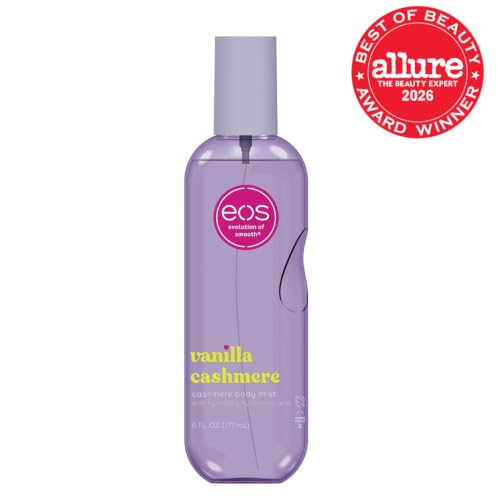
There is something quietly profound about a trend that admits it is invented. The cashmere fragrance phenomenon, as perfumer Douglas Little of Heretic Parfum explains, is not about capturing the scent of wool, it is about bottling a manufactured idea of softness. And we think that is precisely why it resonates. In a culture that bombards us with information, urgency, and noise, the desire for a scent that promises nothing more than comfort and control feels less like indulgence and more like instinct. This is not about following a seasonal fad; it is about recognizing that our sensory choices have become emotional ones. As we explored in The Quiet Ritual of Choosing Your Fall Hero, the act of selecting a seasonal staple is often a reflection of inner state rather than external trend. Cashmere fragrance is simply the olfactory extension of that same ritual.
The beauty of this trend lies in its deliberate ambiguity. Perfumers are not replicating a natural note; they are translating a feeling. The Cashmeran accord, created by IFF in the 1970s, is a synthetic molecule that smells musky, woody, slightly peppery, and powdery. It evokes warmth and cleanliness without imitating anything found in nature. This means that two bottles bearing the word "cashmere" can smell entirely different, one might lean toward vanilla and cream, while another pulls dark with black cherry and frankincense. For the woman who values intentionality, this is liberating. You are not searching for a single correct scent; you are choosing an interpretation that matches your mood. As we noted in How to master outdoor coziness without sacrificing refined style, comfort and elegance need not be at odds. The cashmere fragrance category proves that a synthetic idea can feel more authentic than many natural ingredients, precisely because it prioritizes sensation over source.
This shift has practical implications for how we shop. When a perfume label reads "cashmere," it is doing emotional work before you ever spray it. The word itself conjures luxury, intimacy, and the memory of a soft sweater against cool skin. But as Kara Kowalski of Snif points out, that association can lead us to imagine a scent that does not exist. The takeaway is direct: read the note breakdown, not just the marketing name. A cashmere musk will differ dramatically from a cashmere woods blend, and neither may smell like the cashmere sweater you love. That is not a flaw, it is an invitation to explore. The ambiguity is what makes the category so wearable. It adapts to the perfumer's intent and to your skin chemistry.
What we find most compelling is the quiet confidence this trend represents. Cashmere fragrance does not shout. It does not announce itself with a single recognizable note. It lingers close to the skin, personal and understated. In a world where so much demands our attention, choosing a scent that whispers rather than declares feels like a small act of rebellion. The question it leaves us with is not which bottle to buy, but what kind of softness we are actually seeking.