The Classics: A History of Fashion's First Jeans
Our take
The relentless churn of contemporary fashion, a dizzying carousel of fleeting trends and disposable garments, often leaves one yearning for something more enduring. We're bombarded with the "must-buy" item, the viral sensation destined for obsolescence within weeks. It’s a cycle that feels increasingly unsustainable, both environmentally and aesthetically. Thankfully, as explored in [The Next Heatwave Will Be Here Before You Know It—Here's Your Reading List], even in escapism, we seek narratives with staying power. The recent spotlight on Levi Strauss & Co.’s 153-year history of denim – a story of resilience and enduring appeal – feels particularly poignant in this context. It’s a welcome reminder that true style isn’t about chasing the ephemeral; it’s about cultivating a connection to pieces that resonate across generations and withstand the fickle nature of trends. The article serves as a potent counterpoint to the current fashion landscape, illustrating the power of heritage and craftsmanship in a world obsessed with newness.
The enduring appeal of classics, be they Chanel slingbacks or the Levi’s 501, speaks to a deeper human desire: a craving for authenticity and timelessness. We see echoes of this in the nuanced observations of royal style in [Exclusive: Royal Author Reveals How Princess Kate's Style Choices Are "Not Really Timeless," but Part of a "Historical Continuum"]. While Princess Kate’s style is undeniably impactful, the author’s perspective highlights the ongoing evolution of fashion, even within seemingly immutable traditions. This historical lens is crucial when considering the longevity of any garment. The story of Levi’s isn't just about jeans; it’s about the evolution of workwear, the rise of American culture, and the democratization of style. The fact that the same basic silhouette, with subtle refinements over the years, remains a cornerstone of wardrobes worldwide is a testament to its intrinsic appeal and its ability to adapt without losing its core identity. The article implicitly challenges the current obsession with novelty, suggesting that true value lies in pieces that tell a story and possess a sense of history.
The celebration of Levi's longevity also prompts reflection on the concept of luxury itself. Traditionally, luxury has been equated with exclusivity and rarity. However, the enduring popularity of jeans, a garment initially designed for practical purposes, suggests that a different kind of luxury exists – one rooted in quality, durability, and a connection to a shared cultural narrative. It's a luxury that isn’t about ostentation, but about understated elegance and enduring value. This aligns with a growing movement towards “quiet luxury,” where the focus shifts from branding to craftsmanship and timeless design. The article subtly reinforces this shift, highlighting the artistry and meticulous production process that has allowed Levi’s to maintain its position as a global icon for over a century. The commitment to quality, rather than fleeting trends, is what truly elevates a garment from disposable to enduring. And, as showcased in [Nevis Is the Caribbean Island Beauty Lovers Need to Know], a desire for authenticity and unspoiled beauty translates across various domains, extending beyond fashion into travel and lifestyle choices.
Looking ahead, it’s intriguing to consider how brands can embrace the principles of longevity and heritage in a world increasingly driven by instant gratification. Can the fast fashion industry be reimagined to prioritize sustainability and enduring design? Will consumers continue to value authenticity and craftsmanship over fleeting trends? Perhaps the resurgence of interest in the history of denim signals a broader shift in consumer consciousness, a growing desire for pieces that not only look good but also reflect a commitment to quality, sustainability, and a deeper connection to the stories behind the clothes we wear. The question remains: will the fashion industry heed the lesson of the classics and prioritize enduring style over ephemeral trends, or will the relentless pursuit of newness continue to dominate?
Fashion's current landscape tends to lean more sprint than marathon, with a new "must-buy" item or trend arriving every second. More often than not, it loses steam in a few short weeks, ready to be replaced by something newer and shinier. What does last? The classics. See Chanel slingbacks, a Christian Dior Bar Jacket, and an Hermès Kelly. No matter what happens in fashion, desire for these timeless mementos remains high, and decades' worth of lore keeps them alive and well. They've maintained a steadfast presence through countless trend shifts, and they will continue to do so for as long as people shop.
Today, there is no shortage of options for jeans shoppers, whether you're in the market for designer labels, denim experts, or affordable brands. In the beginning, though, there was only one: the Levi's 501.
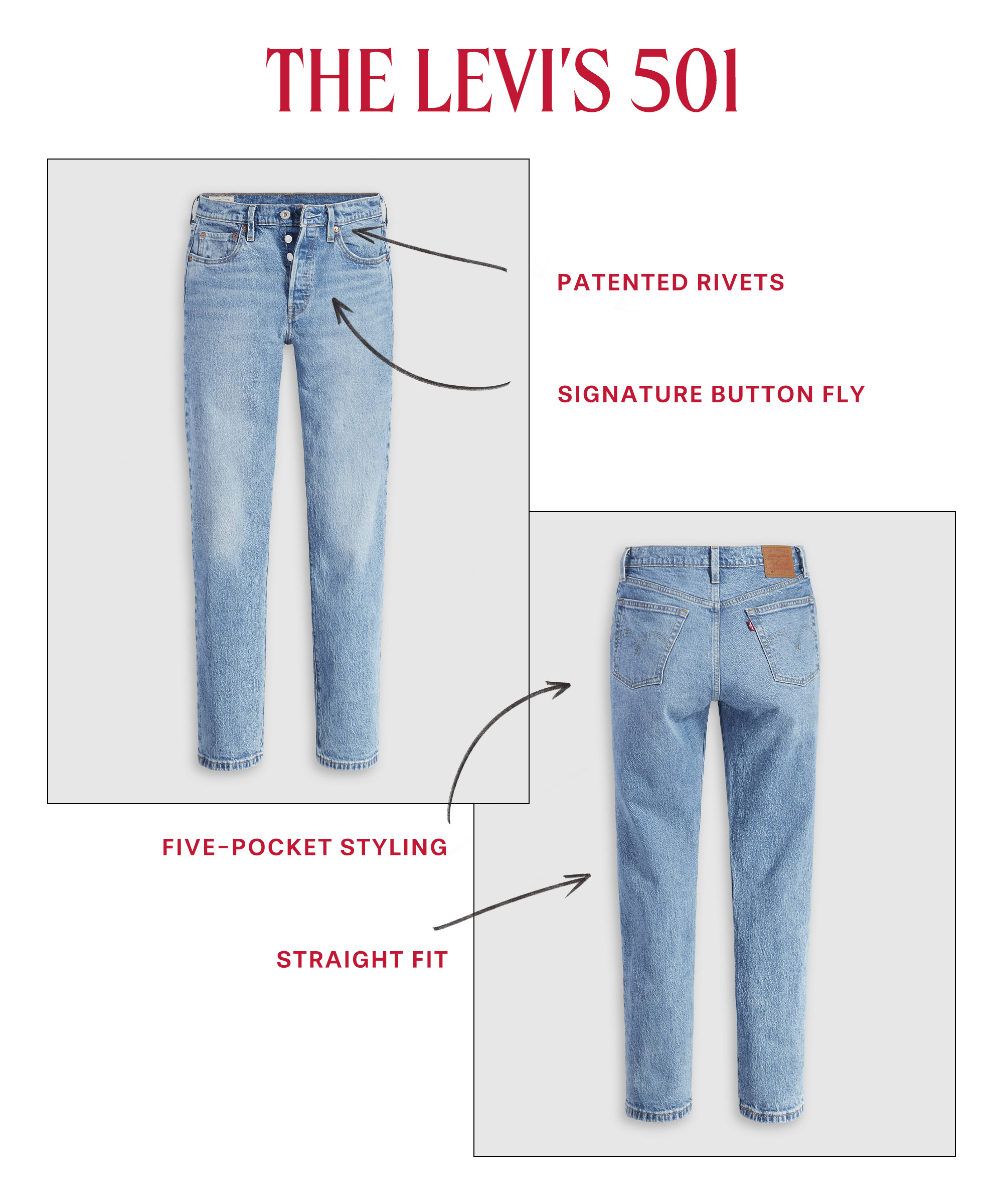
The journey to crafting the first-ever pair of jeans started in 1873, when tailor Jacob Davis teamed up with Levi Strauss, a dry-goods supplier, to file a patent for copper rivets on work pants. Originally, Davis had the idea to use copper rivets on canvas waist overalls. When he eventually partnered with Strauss, the two decided to switch to denim, resulting in what would become the original 501s. (Technically, the 501 name didn't arrive until 1890 and referred to the lot number used to denote the highest-quality jeans offered by Levi's.) Today, that decision remains one of the most impactful choices in fashion's history. After all, it resulted in the creation of the greatest jeans silhouettes of all time—denim's undisputed GOAT.
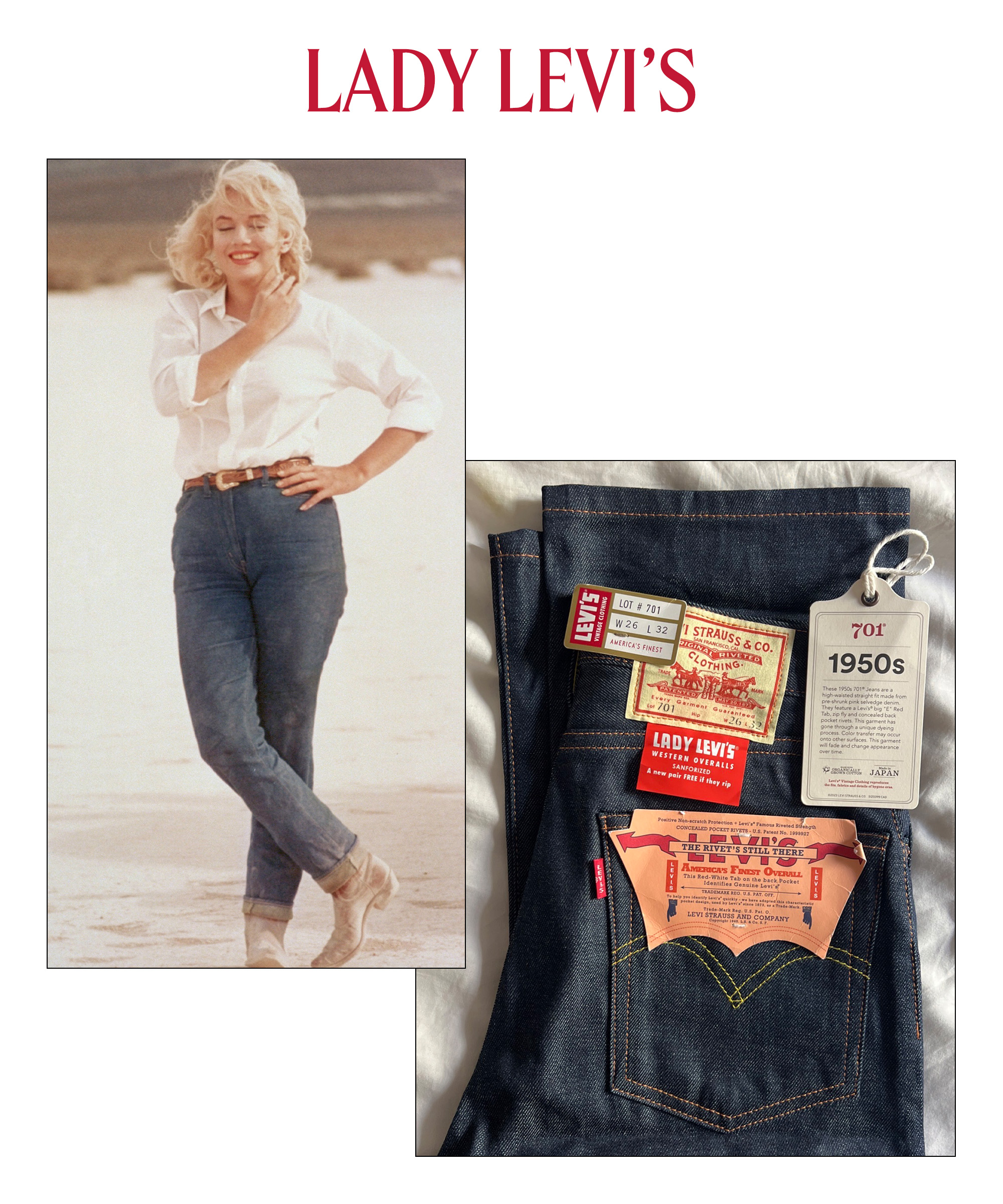
The next 80-and-change years saw 501s through a period of immense adaptation. Back pockets were added. Ten-ounce red-selvedge denim, developed by Cone Mills, was adopted. The famous red tab with "LEVI'S" stitched on it in white letters was sewn into place. The jeans we know and love decades upon decades later began to take shape. During this period, the 701, also known as Lady Levi's, was introduced in 1934. The 701 was a specific iteration of the 501 designed specifically for women that debuted in Paris at the first All-American runway show. When Marilyn Monroe wore a pair in her 1961 film The Misfits, costarring Clark Gable and Montgomery Clift, interest in the style skyrocketed. Like 501s, you can still buy 701s new in 2026. I'd know. I own a pair, and no jeans will make your butt look better. Just saying.
Monroe wasn't the only one busy making Levi's famous. By the 1960s, the brand says 501s were already a "staple of subcultures everywhere." Bob Dylan wore a pair on the cover of his sophomore album, The Freewheelin' Bob Dylan. Steve McQueen donned his 501s in the 1965 film Baby, the Rain Must Fall and frequently throughout his everyday life, styling them with shawl-collar cardigans and Oxford shirts. When the original Woodstock Music and Art Fair took place in August 1969, the Bethel, New York, dairy farm that housed it was littered with young attendees wearing 501s, and during the Civil Rights and anti-war movements that shaped the decade, Levi's affordable jeans were a staple of every protester's uniform.
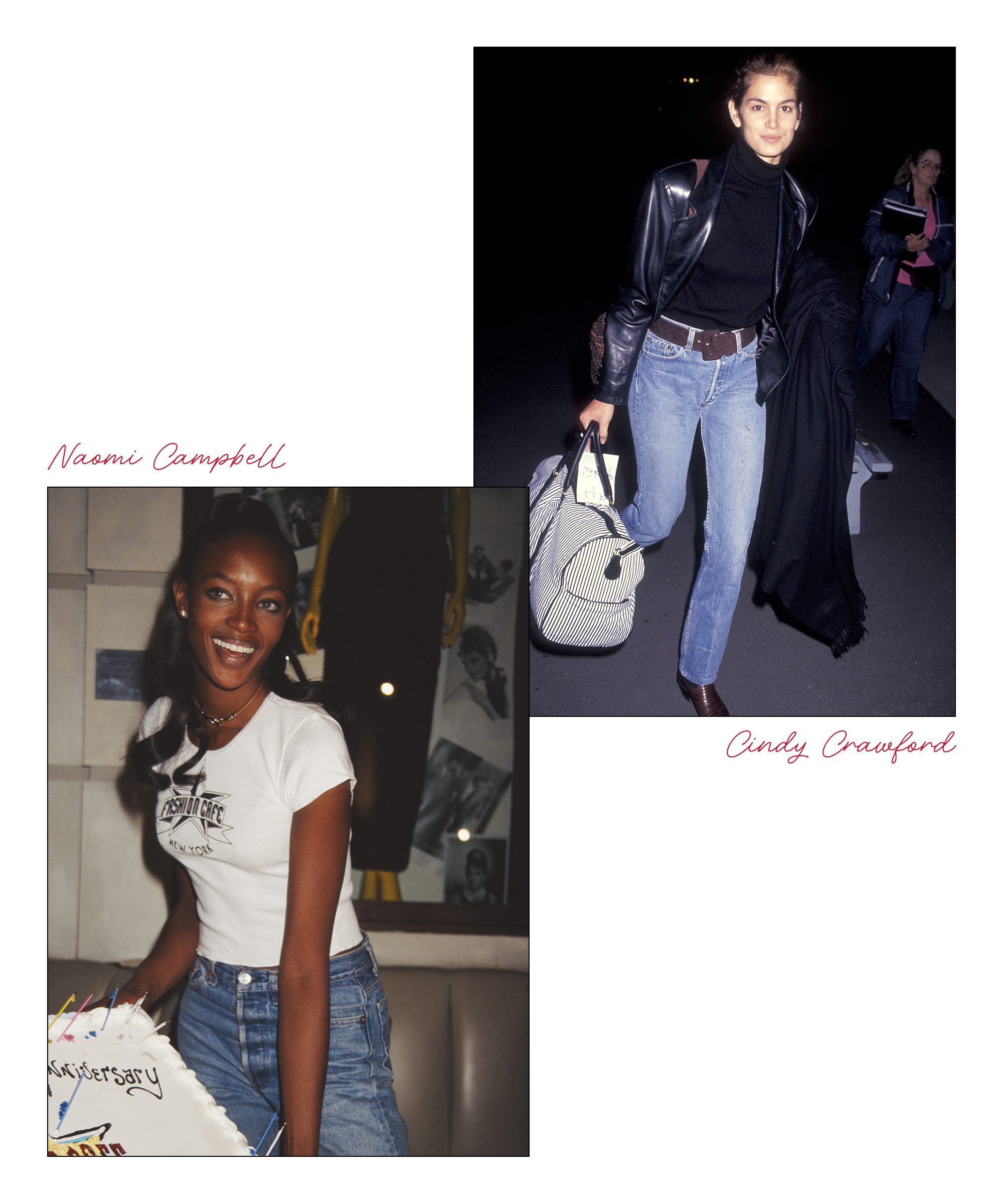
The '70s, '80s, and '90s only kept the momentum going. Patti Smith, Andy Warhol, Kim Gordon, Kurt Cobain—everyone cool was wearing 501s. The style was named the "fashion item of the 20th century" by Time magazine in 1999, with additional sightings on the style greats, from Princess Diana to Sade. Pamela Anderson, Cindy Crawford, and Chloë Sevigny all wore 501s. Come to think of it, they all still wear 501s. Go figure. Brad Pitt starred in a Levi's commercial wearing his pair. The casts of Beverly Hills, 90210 and Friends kept their pairs in frequent rotation.

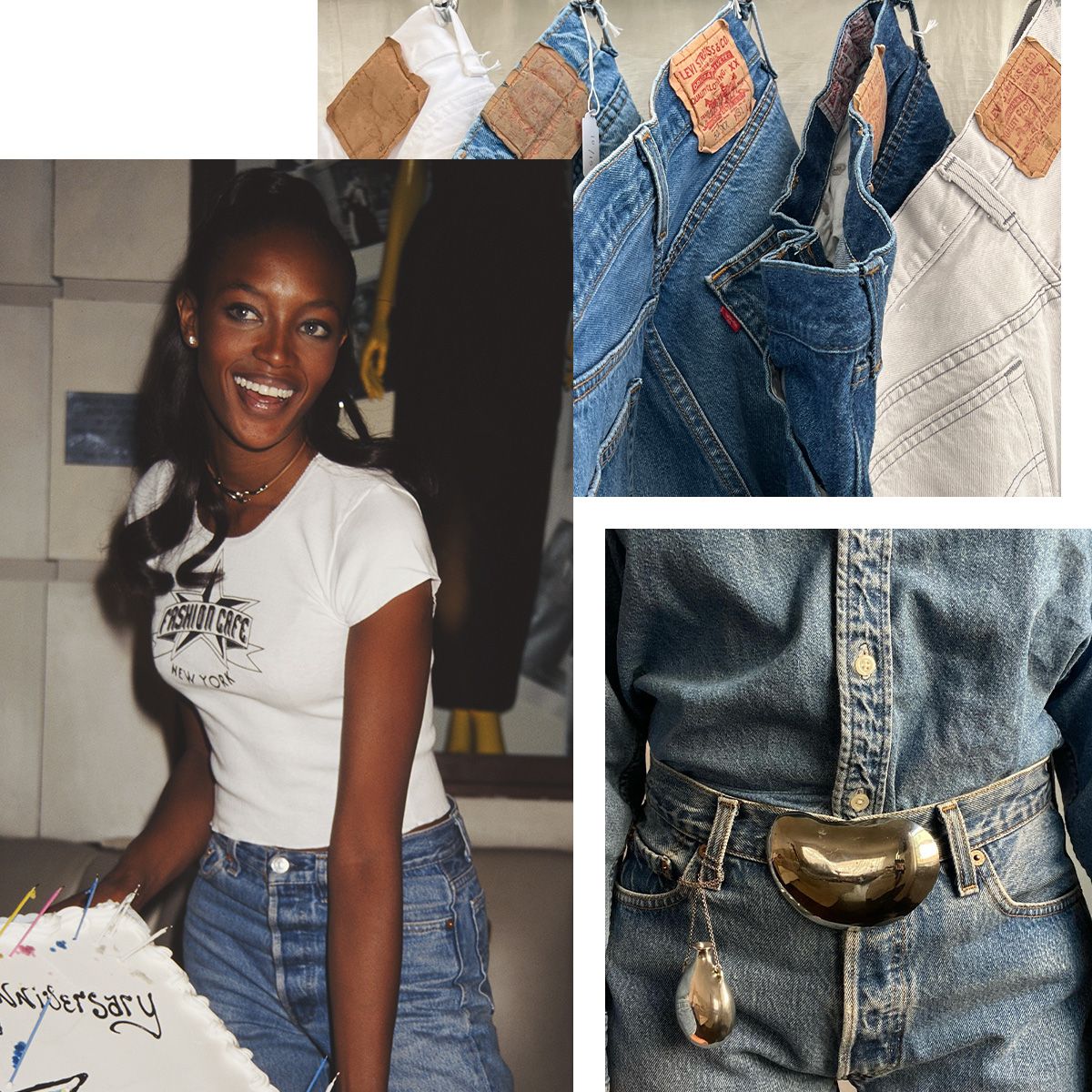
It was around this time that 501s—vintage pairs, in particular—started to become a commodity. It wasn't good enough to buy a new pair. Anyone could do that. Finding a perfectly-worn-in style that fit just right was far more thrilling, especially for international shoppers who didn't have as much access to made-in-USA denim. In Japan, where scoring American vintage fashion items was quickly becoming priority number one, interest in vintage 501s boomed. The same goes for shoppers in Paris, which is home to some of the best dressers in the world.
"When it comes to [French] fashion, it's a lot easier to re-create than you might think," Marissa Cox, French-style expert and the author of Practicing Parisienne, told Who What Wear in 2024. "It's a lot less try-hard than what people make it out to be. That's certainly something that came up when I interviewed some of the women for my book. One of the main things that was repeated maybe four or five times was that one of the core items in their wardrobe was Levi's 501s."
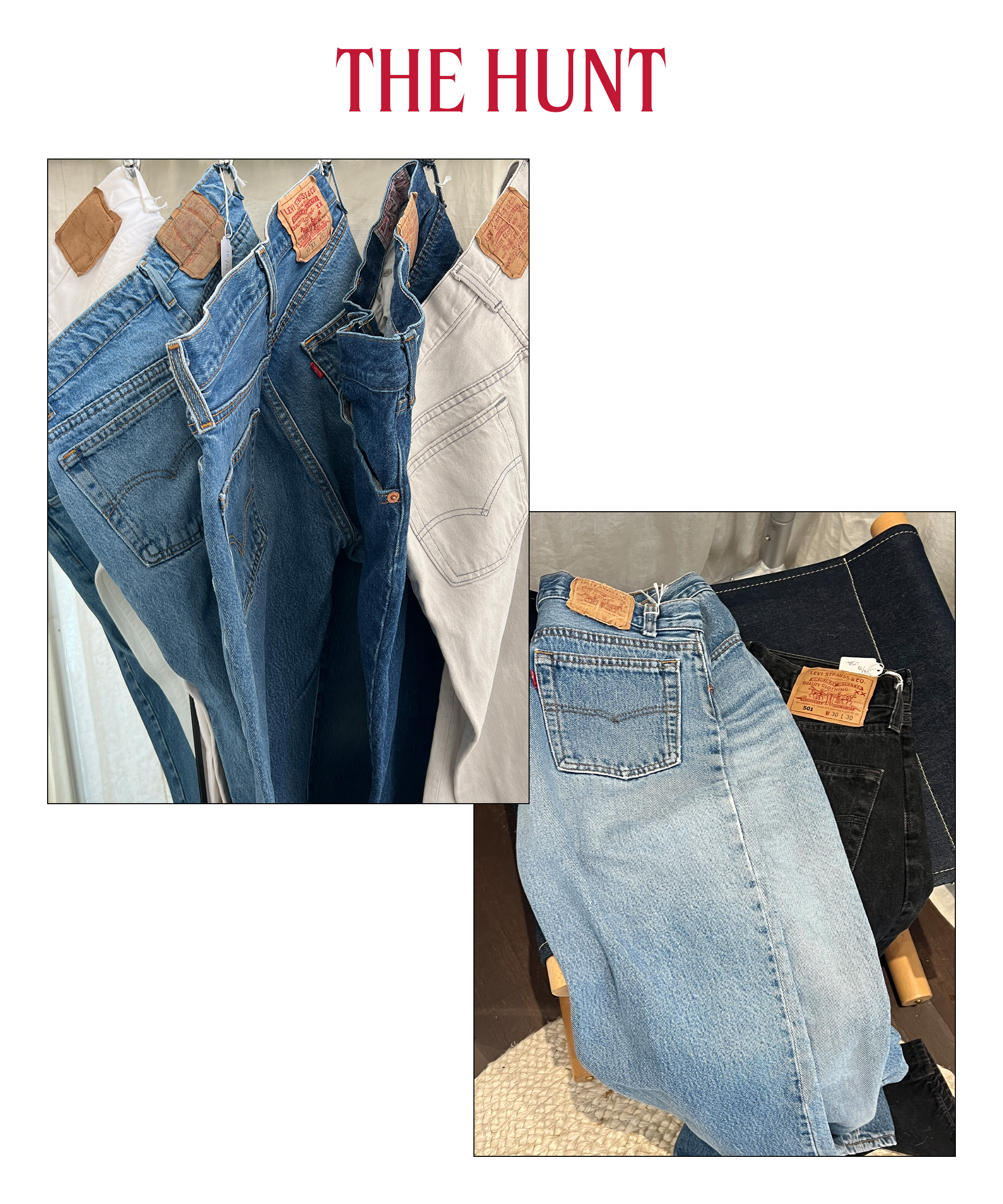
According to Levi's, the American brand's presence in France dates back all the way to that aforementioned all-American fashion show in Paris in 1947. After the war, California apparel manufacturers had an idea to showcase their fashions to the European market. Levi's brought the 701s, and the rest was history. If you go to Paris in 2026, not only will you spot vintage Levi's on countless well-dressed locals, but you'll also be able to source pristinely preserved pairs for far cheaper than you can in America—from the city's beloved flea markets, its countless vintage boutiques, and on the third floor of one of its top department stores, Galeries Lafayette. (I got this tip from Julia Rabinowitz's Substack, The Millennial Decorator. She's the vintage whisperer.)
Ask anyone interested in fashion, from collectors of S/S 06 Balenciaga and S/S 03 Ralph Lauren to shoppers with no real stake in the game other than their own wardrobes, and they'll probably say they're hunting down the perfect 501s. I own something like 20 pairs of them, yet I'm always looking for another—that one pair that checks off every box. In reality, I probably already found it three times over, but I'm not ready to give up on the game. If I had to guess, that's the case for a lot of people.

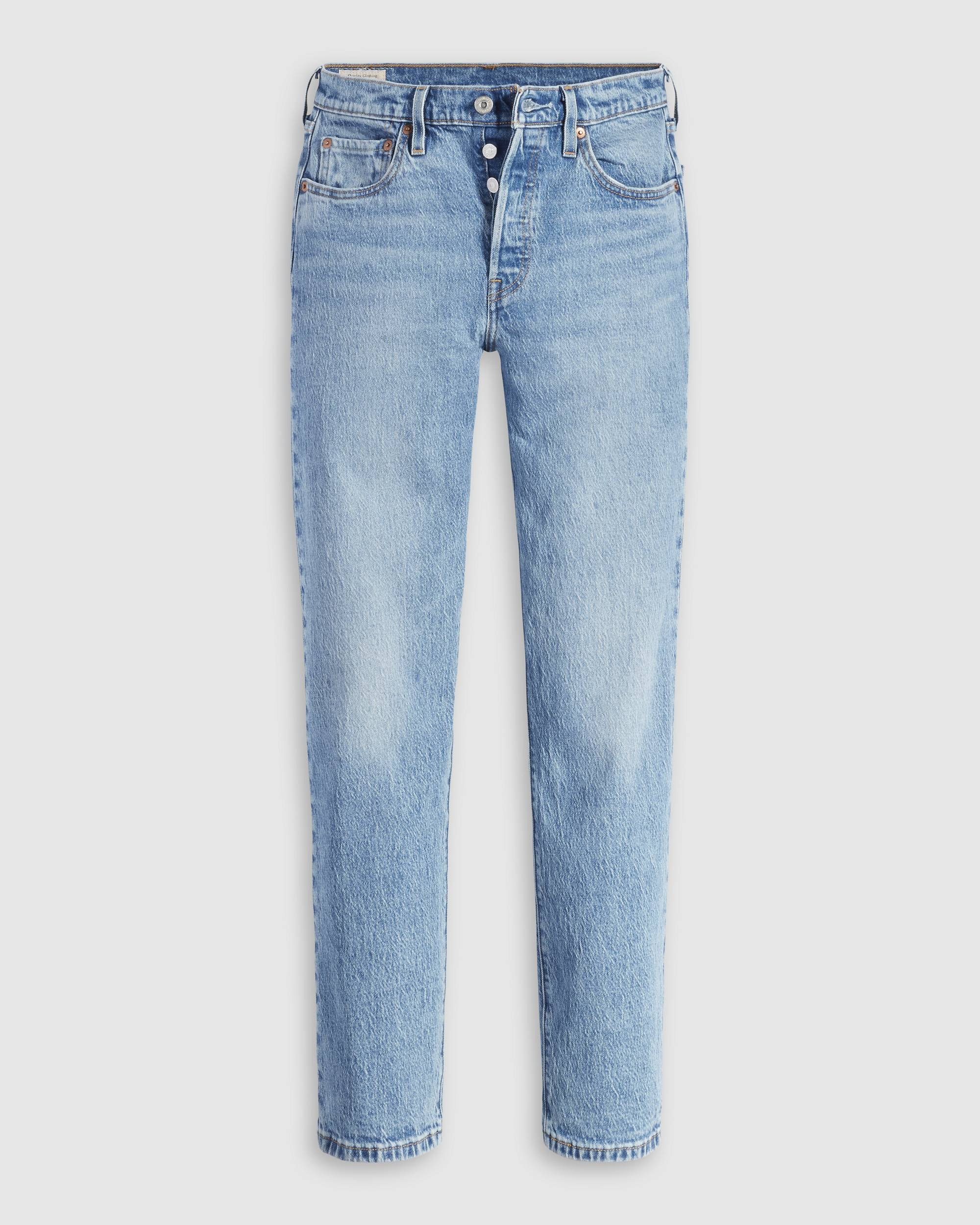
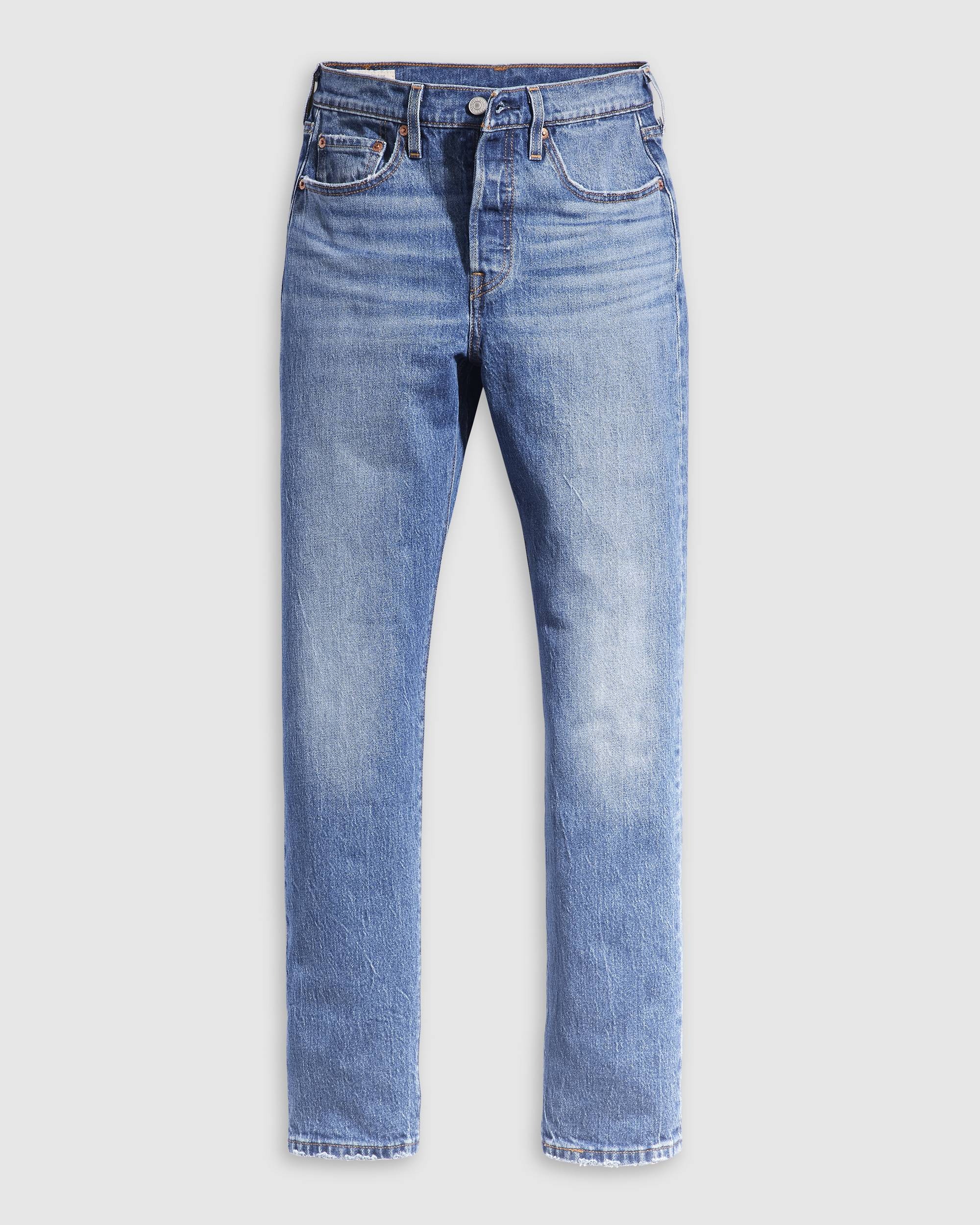
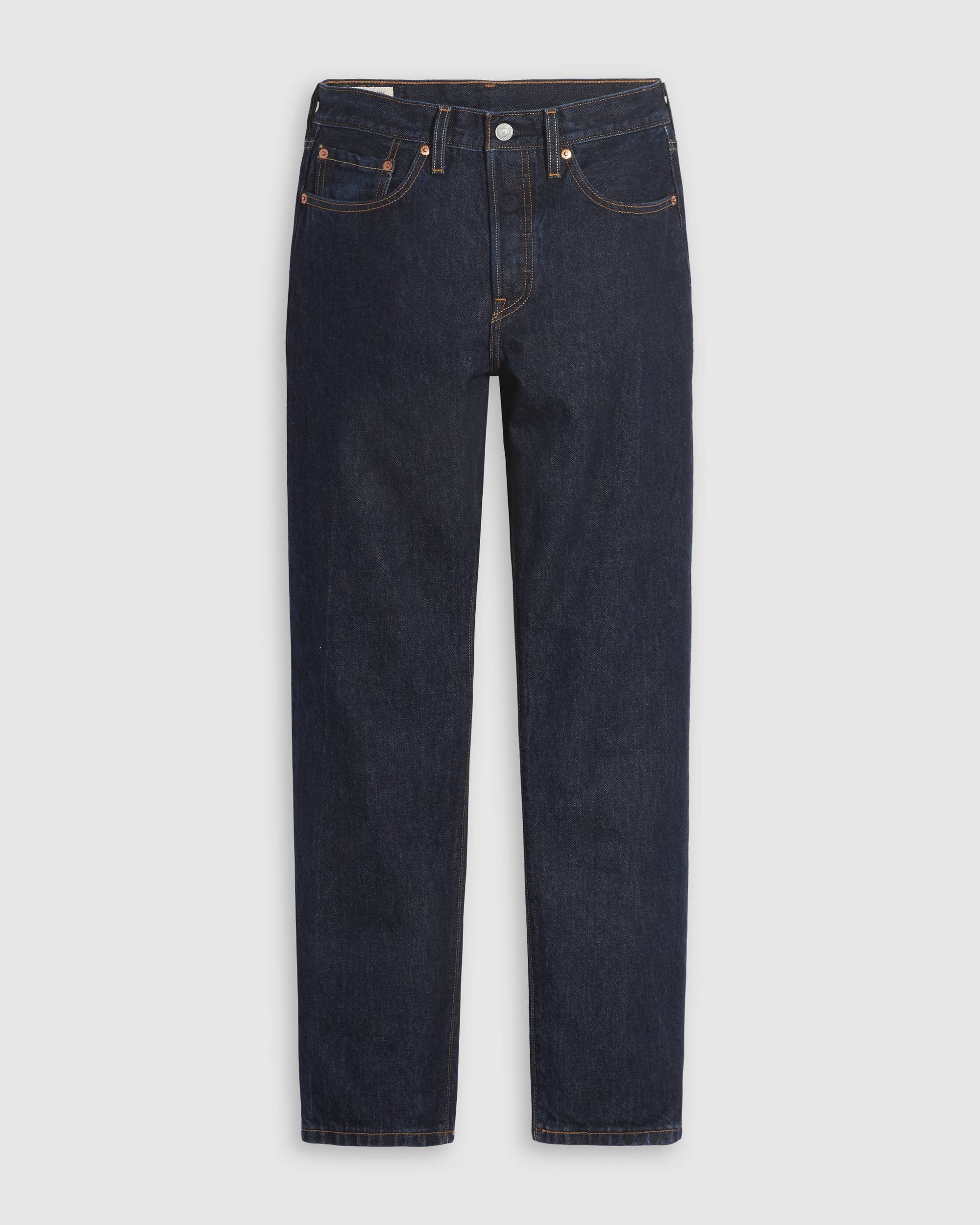
Of course, we could all go to any of the hundreds of highly reputable denim brands that now exist across the market, and sometimes, we do. But nothing quite scratches the itch quite like a naturally worn-in pair of 501s—patented copper rivets, button fly, straight leg, and all. It's why a pair worn by Cobain decades prior in the "Heart-Shaped Box" music video sold for $412,750 at Julien's Auctions in 2023, setting a new Guinness World Record. (New pairs sell for $110.) It's why people will pay a premium to have jeans sourced or tailored for them, from curators like Denim by Orlee (Hailey Bieber's go-to) to size experts like Lindsey Davidson Paley, the founder of With Love, Lenny. It's why style stars like Bieber, Kendall Jenner, Bella Hadid, and more continue to hunt down 501s (or, rather, their stylists do), even when they have access to, well, every other denim style available.
It's not about the price, although the brand's insistence on keeping it low doesn't hurt its popularity. It's about Levi's relentless attention to quality and the 501's perennial appeal, built up over the last 153 years. Every time you wear these jeans, it's like donning a piece of history, whether you score a pair from the '80s at a Paris flea market or a brand-new version from one of Levi's 500+ stores worldwide. The latter might feel like the less cool option, but give it a few years. They'll look just as patinaed as your favorite French woman's pair. All you have to do is wear them—a lot.
Read on the original site
Open the publisher's page for the full experience