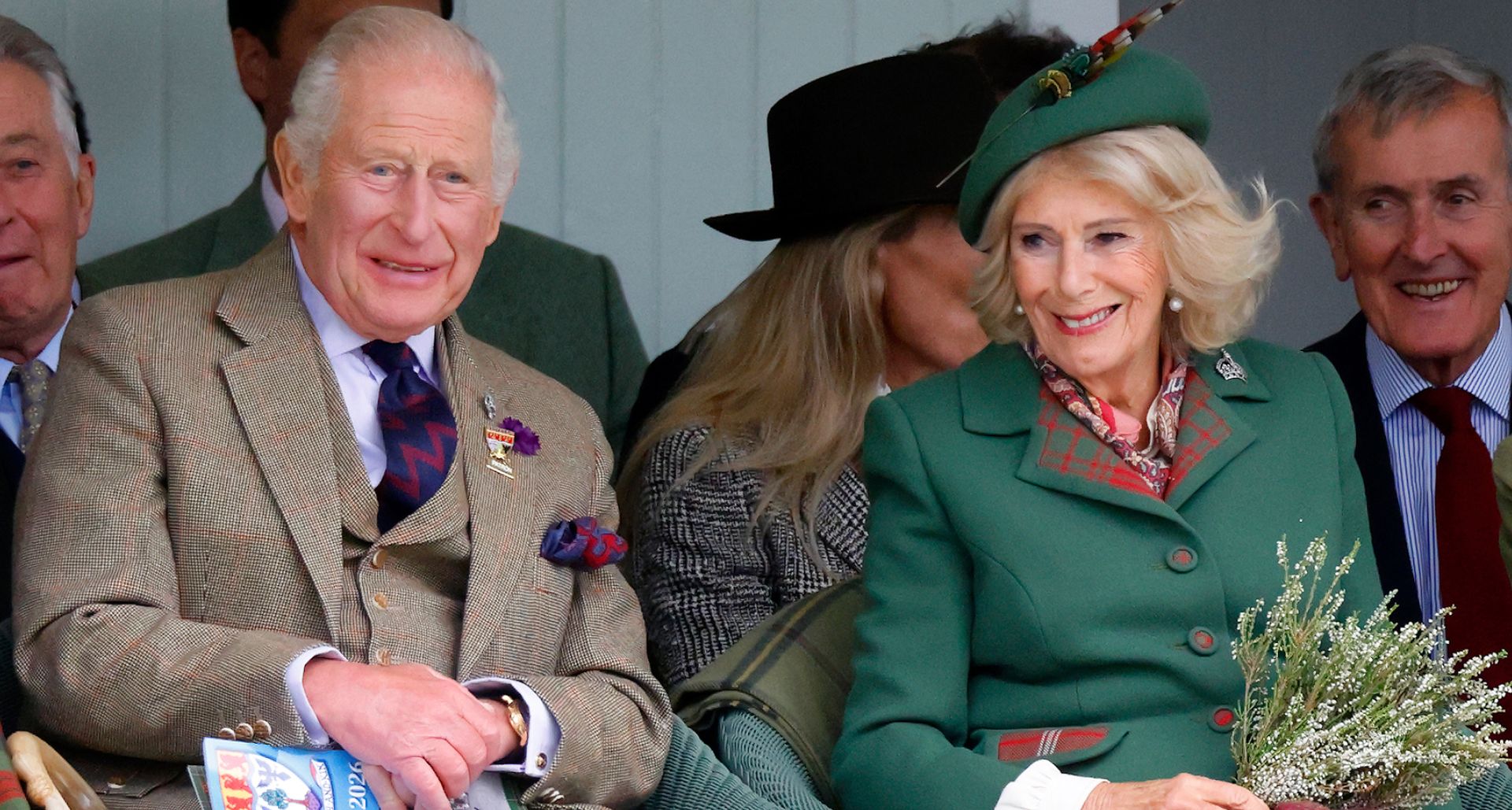
There is something quietly radical in the observation that Prince William and King Charles now share the same philosophy about their royal wives, not in duty or decorum, but in the simple, visible way they soften in their presence. Simon Vigar, author of *The Four Wives of Windsor*, notes that both men visibly relax when their partners are near, and that William is content to let Catherine take the spotlight in a way his father once could not. This is not a small detail. It suggests that the monarchy, an institution built on hierarchy and restraint, is learning something that intimacy has always known: the strongest presence is not the one that demands attention, but the one that knows how to share it. For those of us who observe royal life with a certain fascination, not for the titles, but for the human architecture beneath them, this evolution matters. It reframes what partnership looks like at the highest level, and it echoes a quieter story we recently explored about A Queen's Quiet Regret: One Decision She Carried in Silence, where the late Queen carried a weight alone that might have been lighter shared.
The contrast with the past is instructive. Vigar recalls that Charles used to feel jealous when crowds favoured Diana; now, with Camilla, he is happy to let her lead. That shift is not merely personal, it is generational. William and Catherine operate as a "double act," and Vigar predicts they will be "even stronger" together when William becomes King. This is not about popularity contests or public relations. It is about a model of marriage where both partners are allowed to be magnetic without threatening the other's orbit. We see this echoed in the way Princess Diana's niece claims her own light in crimson silk and diamonds, a woman stepping into her own luminosity without apology, as if the lesson of the previous generation has finally been absorbed. For the reader who values self-expression and partnership in equal measure, the takeaway is direct: the most powerful relationships are those where each person's glow makes the other's shine brighter, not dimmer.
What this means in practical terms is that the Crown is quietly rewriting its own emotional script. A king who once competed for adoration now yields it. A future king who grew up watching that tension has chosen a different path. The Waleses' secret visit to Cornwall and their joint engagement in Northern Ireland are not just calendar items; they are evidence of a rhythm that prioritises presence over performance. Vigar's observation that Catherine is "obviously very, very important to him personally and publicly" is almost understated, it is the foundation of a reign that has not yet begun but is already being shaped by a different kind of confidence. The question worth watching is whether this double-act model will survive the pressures of sovereignty, or whether the crown itself will eventually demand a solo performance. For now, the image of two men relaxing into the company of their wives is not sentimental, it is strategic, emotional, and perhaps the most modern thing the monarchy has done in decades.