The Designers Behind Dakota Johnson’s Living Room Just Made Their Look Shoppable
Our take
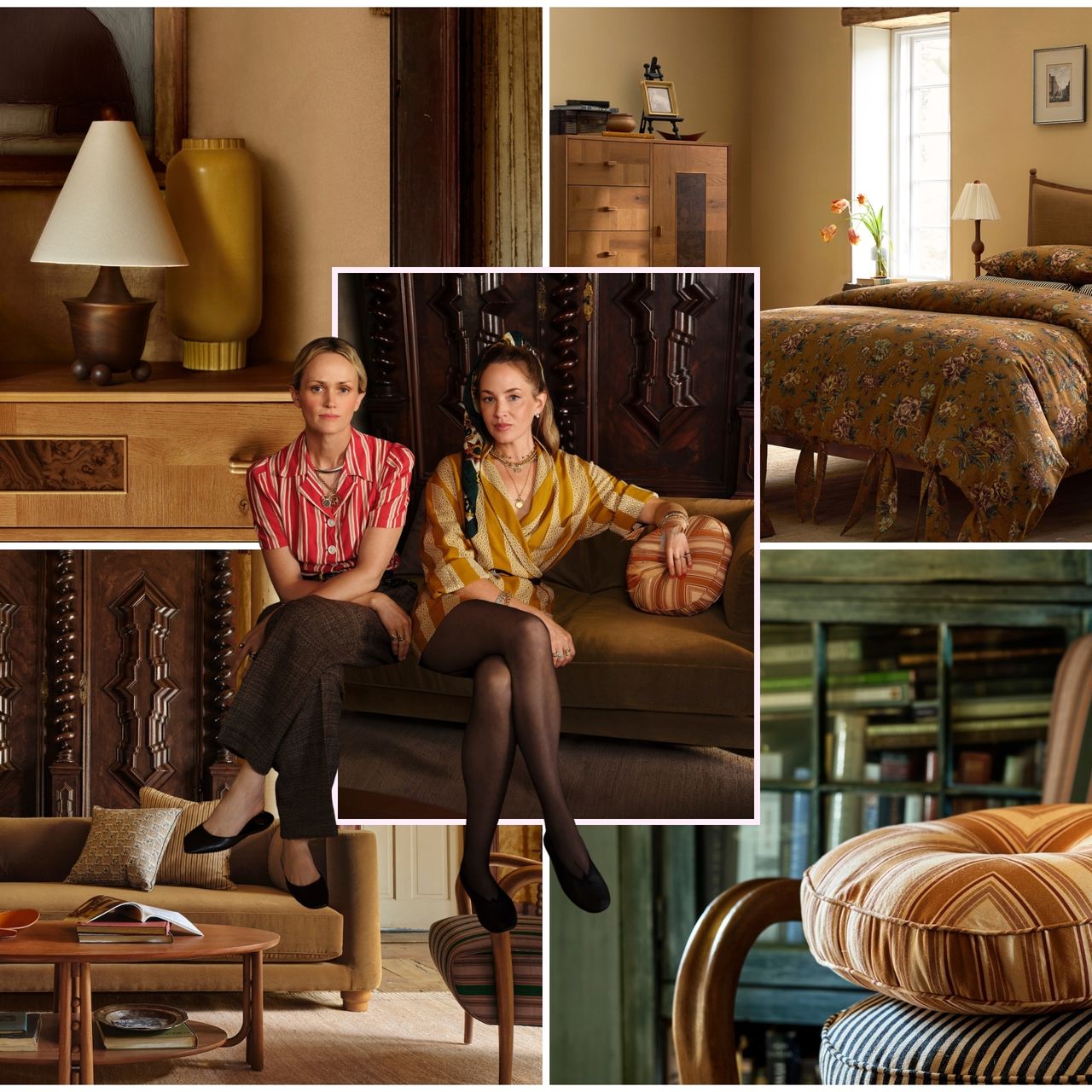
The democratization of design, once a whispered aspiration within the luxury interiors world, continues to gain momentum. The news that Pierce & Ward, the firm responsible for the quietly captivating living room of Dakota Johnson, is expanding their West Elm collaboration with a fully shoppable collection feels like a significant step in that direction. For years, achieving a look reminiscent of the interiors gracing the pages of *Architectural Digest* seemed reserved for those with substantial budgets and direct access to exclusive showrooms. Now, a slice of that curated aesthetic, a feeling of lived-in luxury, is becoming attainable for a wider audience. It's a trend we’ve been observing alongside the growing interest in sustainable design, as evidenced by our recent piece [Looking For Thrifting Advice], which highlights the desire for mindful consumption even within the realm of home decor. The core of Pierce & Ward’s appeal lies in their ability to layer textures, tones, and seemingly disparate pieces to create spaces that feel both sophisticated and deeply personal – a quality often missing in mass-produced furniture offerings.
This move also speaks to a broader shift in consumer preferences. The relentless pursuit of overtly trendy, Instagrammable interiors appears to be waning, replaced by a desire for spaces that feel thoughtfully considered, timeless, and reflective of individual personality. The recent spotlight on armchairs, which we explored in [Armchairs Are the Most Overlooked Piece of Furniture in Your Home—5 Styles to Elevate Your Space], further underscores this appreciation for foundational pieces and the power of careful curation over fleeting trends. Pierce & Ward’s aesthetic, characterized by its muted palette, natural materials, and emphasis on understated elegance, perfectly aligns with this movement away from maximalism and towards a more intentional, restorative home environment. It's about creating a sanctuary, a place of quiet refuge, rather than a stage for showcasing the latest design statements. The collection’s success will hinge on how effectively West Elm can translate the nuance of Pierce & Ward’s vision into accessible and well-made pieces, preserving the integrity of their design philosophy while catering to a broader consumer base.
The potential impact on the design landscape is considerable. While collaborations between high-end designers and more accessible retailers are nothing new, Pierce & Ward’s work has a distinct quality – a sense of effortless sophistication that feels genuinely unique. This collaboration essentially provides a blueprint for other design firms seeking to broaden their reach without sacrificing their creative identity. It signals a potential move towards a more collaborative and accessible design ecosystem, where the boundaries between luxury and everyday living become increasingly blurred. The integration of clothing and accessories into home design, highlighted in [Fashion’s Chicest Like Their Art Wearable—This Skirt Trend Does The Trick], demonstrates the increasing fluidity between different areas of personal style, and this expansion into furniture and decor follows a similar trend, blurring the lines between fashion and interior design. This is especially relevant to those who seek to create a cohesive aesthetic across all aspects of their lives.
Ultimately, the Pierce & Ward x West Elm collection raises an intriguing question: can the essence of a truly bespoke, high-end interior be successfully replicated through mass production? The challenge lies not just in replicating the visual elements – the color palettes, the textures, the furniture shapes – but also in capturing the intangible qualities of a space designed with such meticulous care and intention. If West Elm can navigate this challenge successfully, it could redefine how we approach home decor, empowering individuals to create spaces that feel both refined and authentically their own, without the need for a designer on speed dial. It will be fascinating to observe how consumers respond to this offering and whether it sparks a broader trend toward accessible, understated luxury in the home.
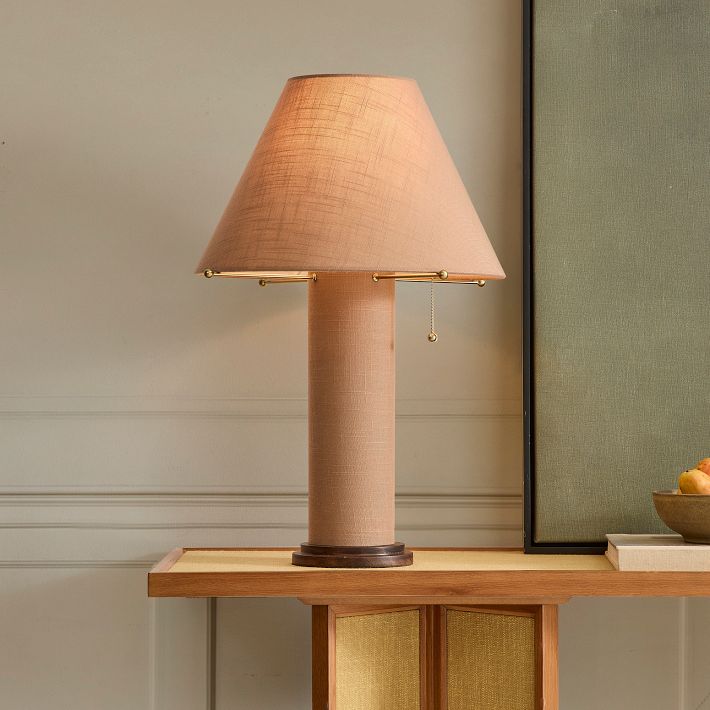
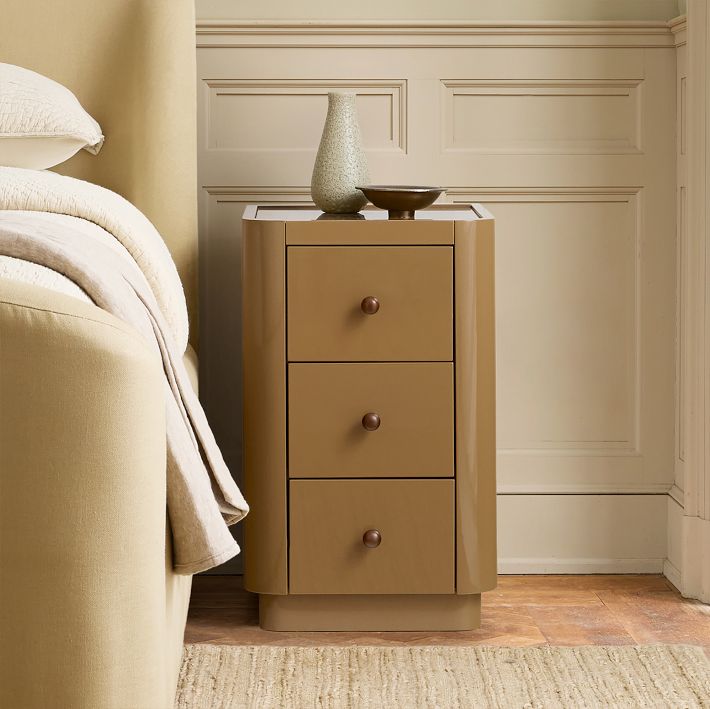
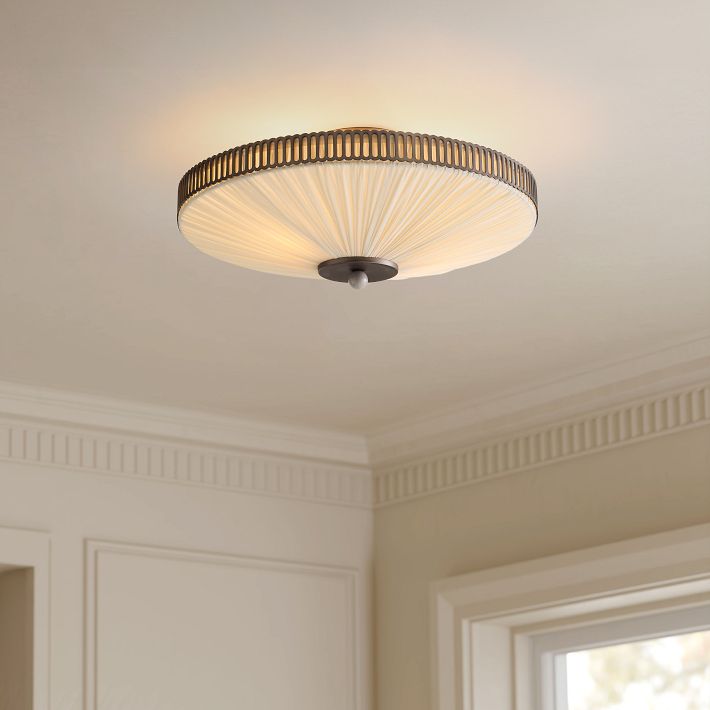
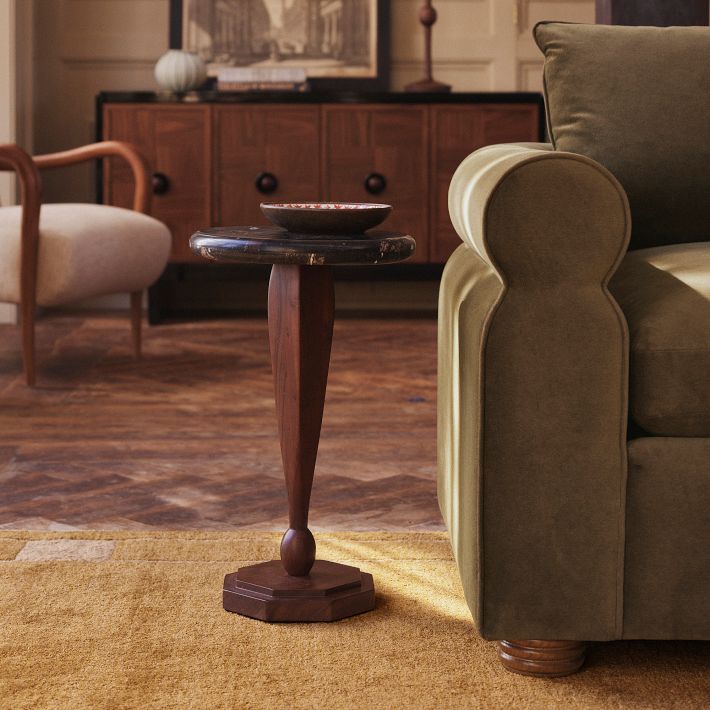
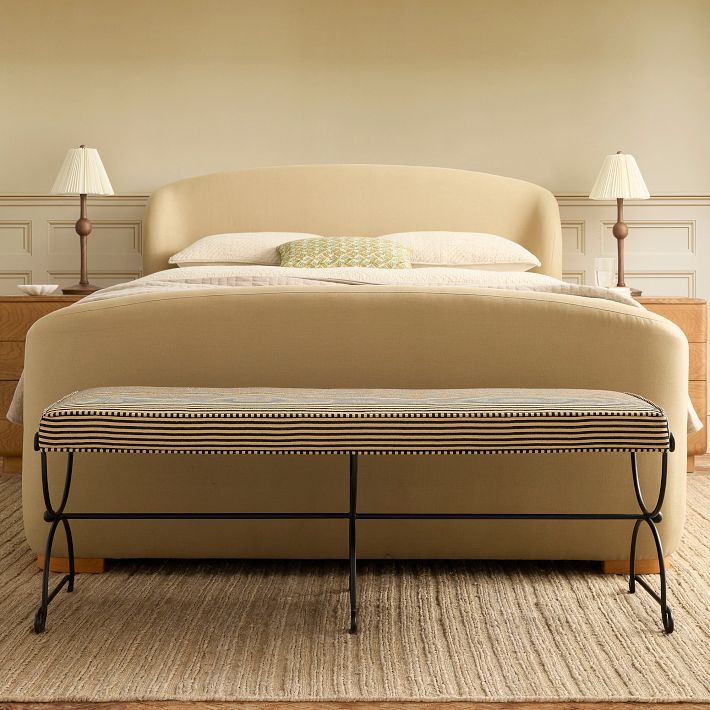
Most of us will never have an interior designer on speed dial, let alone the duo behind Dakota Johnson’s living room. But Pierce & Ward’s second collection for West Elm offers the next best thing: their signature approach translated into furniture, lighting, bedding, and décor you can actually bring home.
Emily Ward and Louisa Pierce have become the designers celebrities call when they want a house that feels personal, richly layered, and a little unexpected. Their client list includes Dakota Johnson, Emma Roberts, Jennifer Lopez, and Leonardo DiCaprio, and their interiors all share a recognizable point of view: pattern on pattern, earthy color, vintage references, and found objects that double as conversation starters.
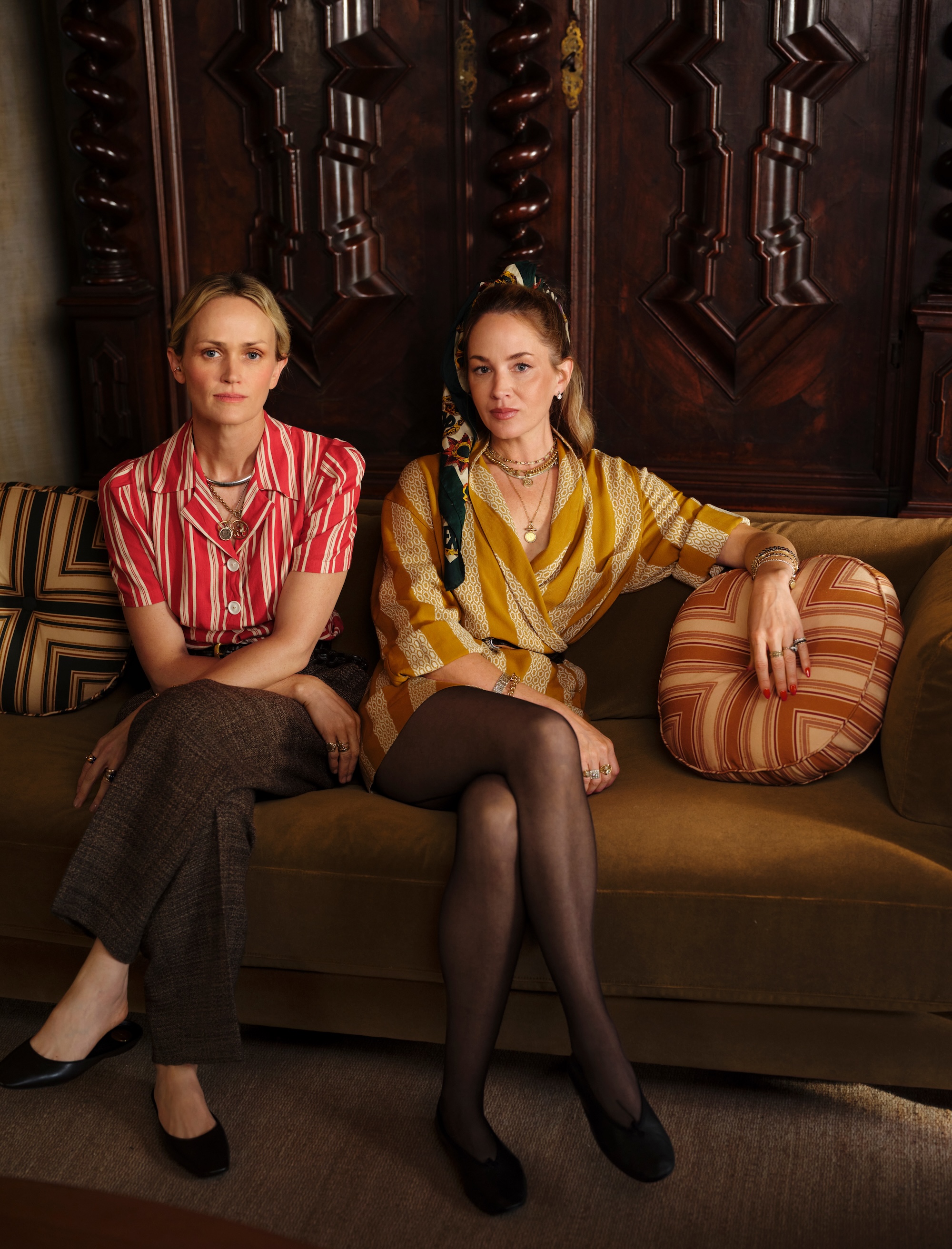
“More is more. Always more,” Ward and Pierce tell Marie Claire. “If we’re unsure whether a room feels finished, it usually means we need to keep adding to it. The pieces don’t necessarily match, but they work together. When you bring them into a home, it doesn’t feel like a showroom—it feels layered and lived-in.”
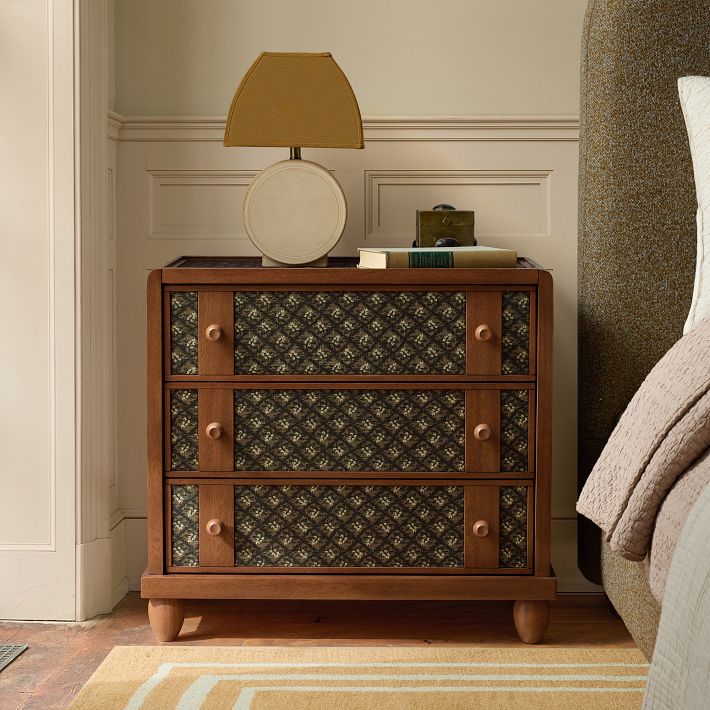
That philosophy runs through the new collection, which expands their partnership with West Elm into bedding, bath, window treatments, tabletop, and more. The palette is still grounded in the earthy, dusty tones they love, now joined by deeper blues and greens, while the pieces pull from vintage sourcing, folk art, and mid-century references.
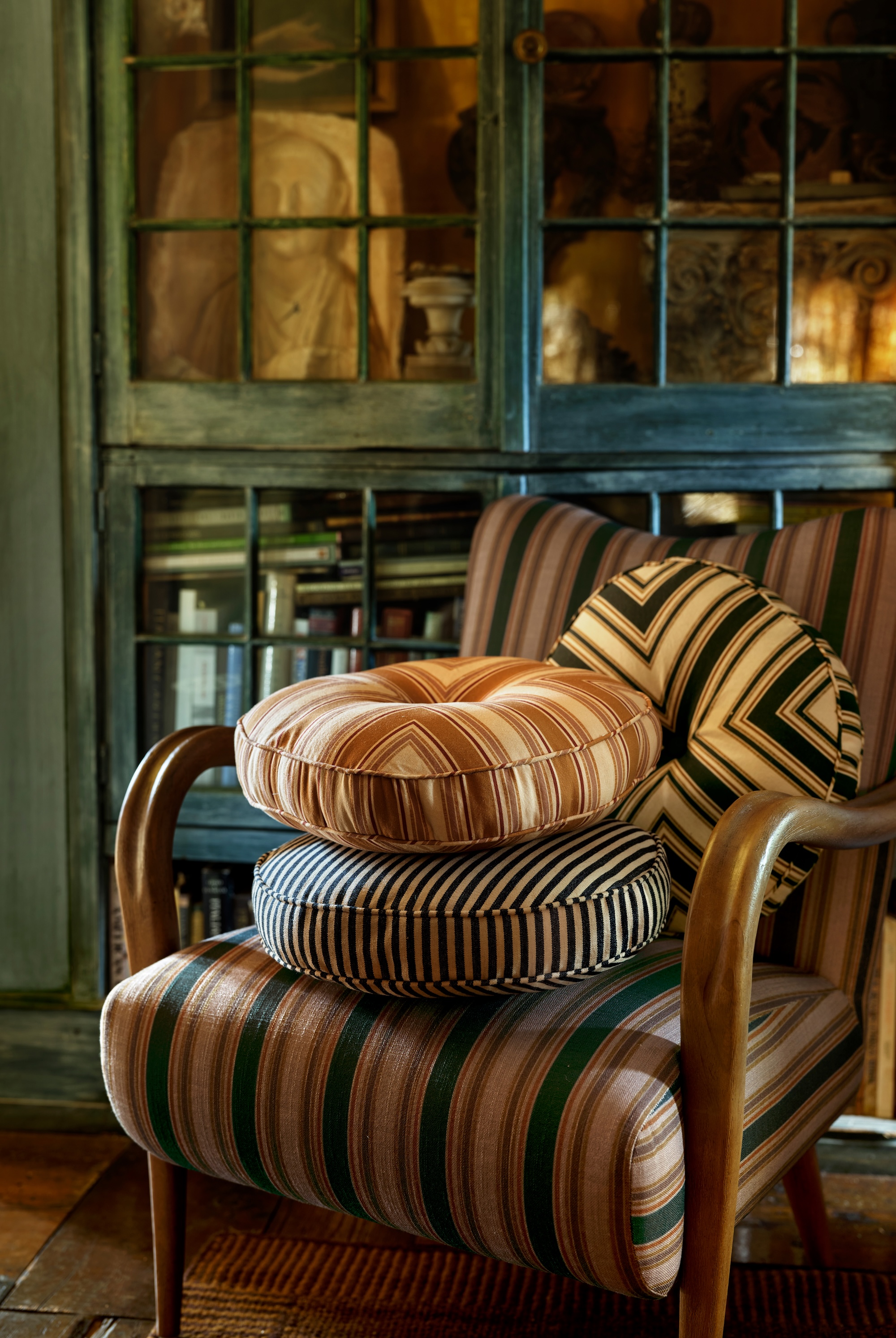
The challenge was not simply making their aesthetic more affordable, but figuring out how to preserve the details that make a piece feel special in the first place. “We’ve always shopped high-low,” they say. “What we’re proud of is that these pieces work in such a wide range of homes, from very high-end spaces to more everyday ones, because we’ve put so much care into the finishes and details.”
They were just as exacting about function. The duo says they became absorbed in everything from the ergonomics of a chair to making a line feel delicate enough, all in service of creating pieces that look like vintage finds but actually work for modern life. “We’re always trying to make things look as vintage as possible,” they say, “and [West Elm has] been fully aligned with us in pushing those boundaries as the collections evolve.”
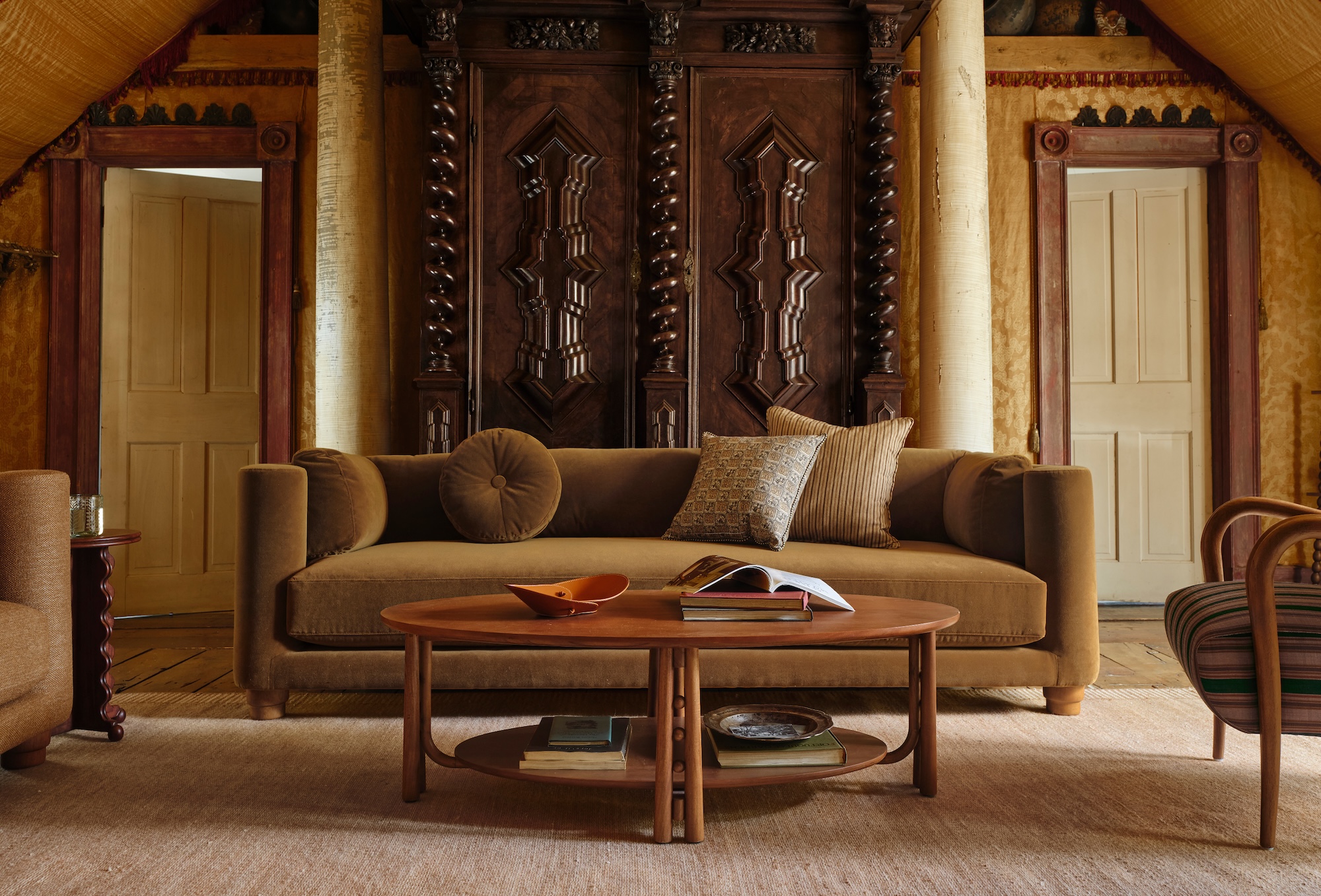
For Pierce & Ward, the response to the first collection made the appeal especially clear. “People finally felt like they could have a Pierce & Ward home, even if they might not be able to hire a firm to decorate their house,” they say. “That meant a lot to us, and we wanted to expand on that feeling even more this time.”
The designers hope the collection gives people “a sense of confidence to start collecting, to use open shelving, and to make bolder design choices and find things outside of the norm.”
Consider the pieces below a great place to start.
Read on the original site
Open the publisher's page for the full experience