There is something quietly radical about a shopping edit that treats personal style as a matter of intuition rather than accumulation. Who What Wear's monthly roundup of 34 finds is not a frantic list of must-haves; it is a curated glimpse into how editors actually dress when no one is telling them what to buy. The result feels less like a sales pitch and more like a conversation between women who trust their own eye. For those of us who have been following The Cashmere Edit That Quietly Defines the Season and the restrained sensibility of After 50, Style Settles Into Quiet Color, Not Black, this edit confirms that the most compelling fashion choices are rarely the loudest ones.
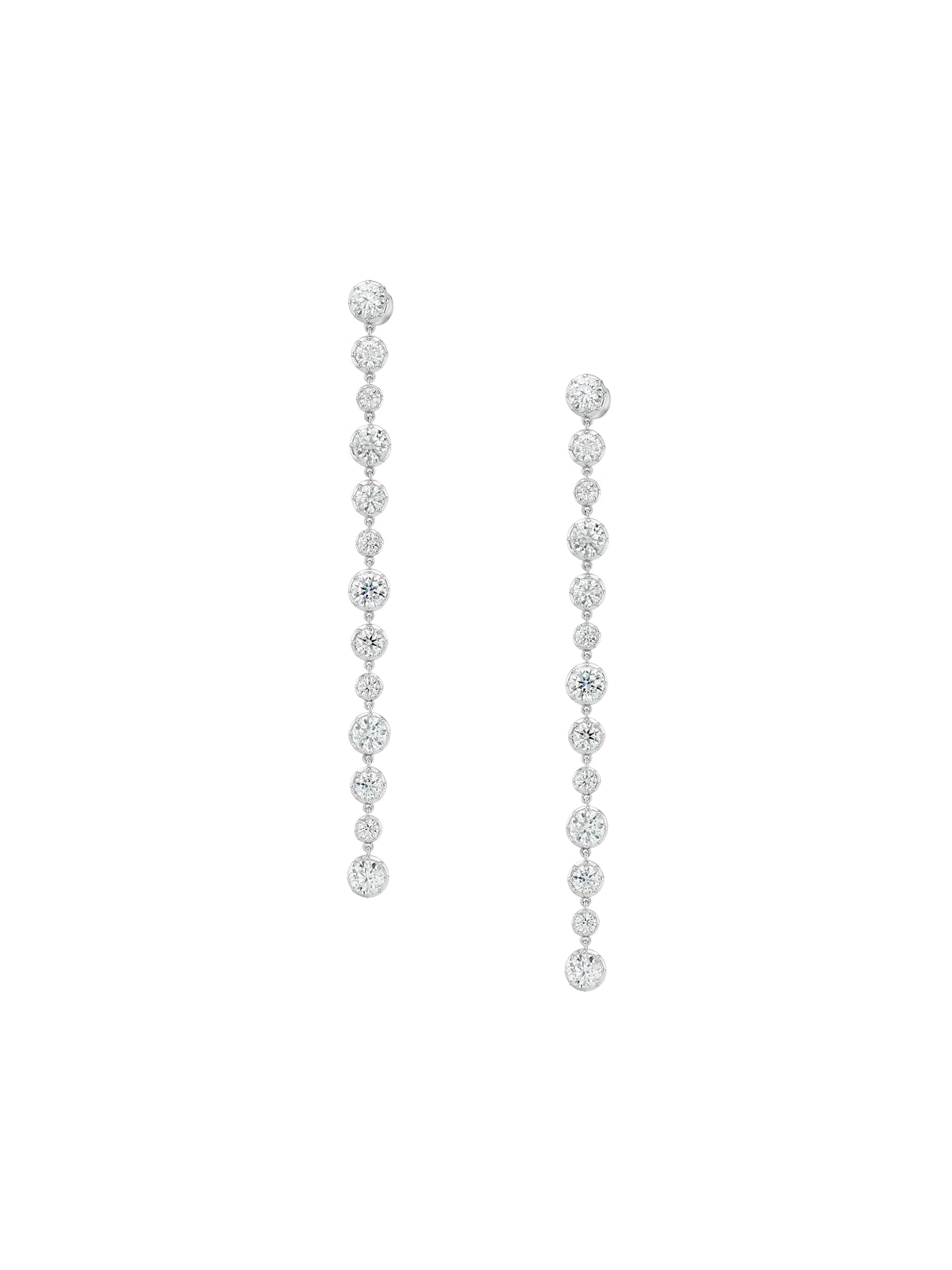
What distinguishes this collection is the editors' willingness to name what actually draws them in. Eliza Huber's admission that she is "in love" with delicate cascading drop earrings for pairing with a white tee and jeans is not just product praise; it is a lesson in styling restraint. The same instinct appears in the choice of a deep-scoop cashmere sweater named after her, the Prada Dalmatian-print loafers that channel Carolyn Bessette-Kennedy's understated polish, and the satin shorts worn with knee-high boots and a cool sweater in November. Each pick carries a specific emotional logic rather than a generic seasonal mandate. This is the difference between shopping as performance and shopping as self-knowledge.
The practical takeaway here is that the most versatile pieces are often the ones that require the least justification. The COS satin-trimmed velvet barrel-leg pants, the Toteme winter blanket scarf, the Citizens of Humanity liquid wide-leg pants that offer a cooler alternative to denim, these are items that work because they are confident in their own shape and texture. They do not need a trend cycle to validate them. The editors understand that a single well-chosen coat, like the Carelli Clement or the Maria McManus reversible twill and hammered-satin topper, can anchor an entire season's wardrobe. The question is not how many things you can buy, but which one will change how you feel getting dressed.
What I find most telling is the presence of pieces that feel personal rather than universally approved. The Versace lace-trim silk mini dress that triggers '90s slip-dress nostalgia, the Damson Madder ruffle bag that reliably draws compliments, the COS fringed clutch that starts conversations, these are not safe choices. They are specific. And that specificity is exactly what makes them worth attention. The editors are not trying to please everyone. They are showing us what it looks like to shop from your own taste, not from someone else's algorithm. The only real question left is whether you will trust your instincts as much as they trust theirs.