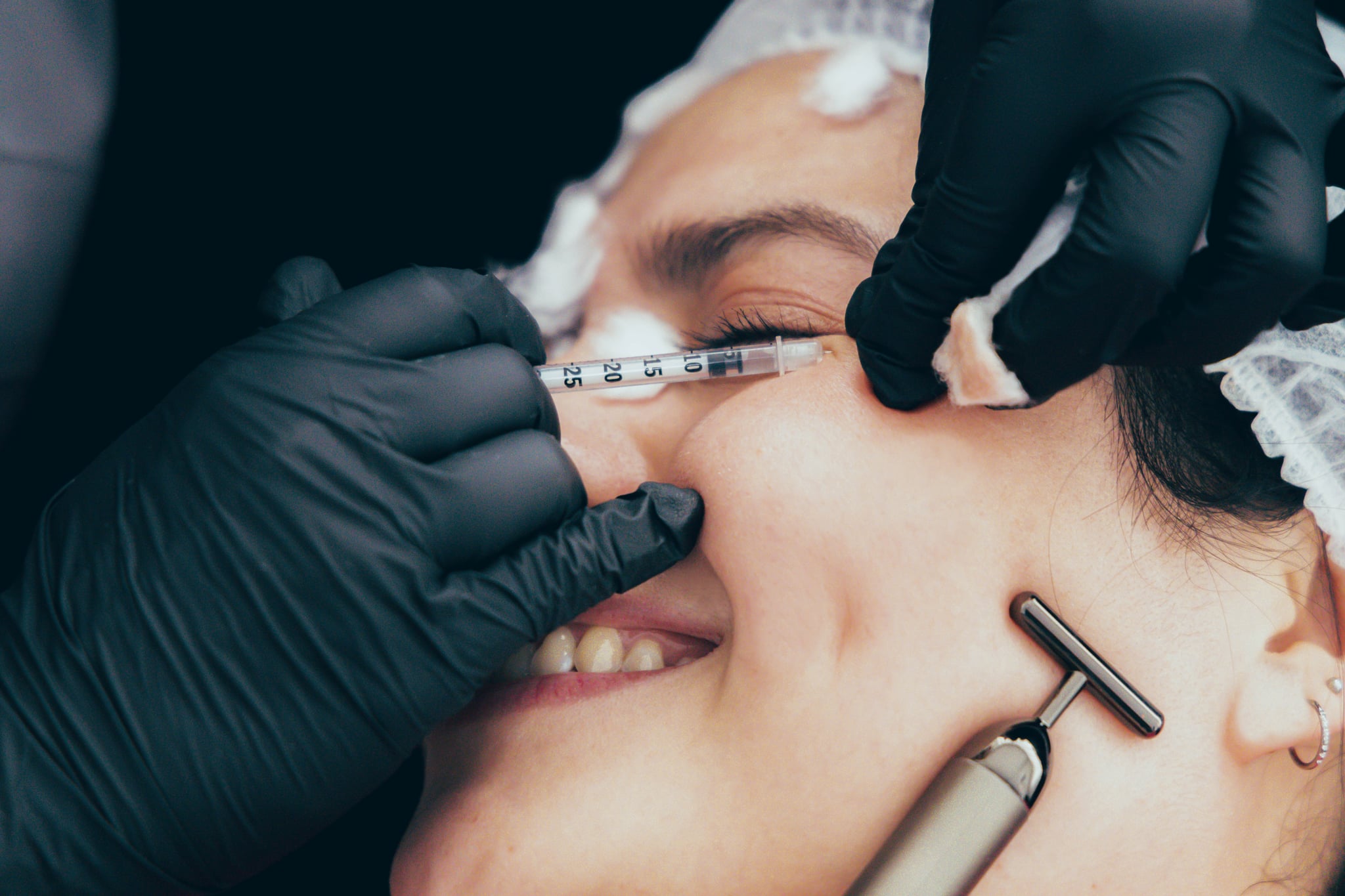
The recent discourse surrounding cosmetic procedures, particularly Botox, has taken a surprisingly philosophical turn. The question of whether repeated muscle paralysis can fundamentally alter one’s capacity for empathy and emotional expression, as posited in articles exploring this phenomenon, is both fascinating and unsettling. It taps into a deeper anxiety about the increasingly blurred lines between self-optimization and the potential erosion of authentic human connection. We’ve seen a rise in trends like the aforementioned [Studded Flats Are Summer’s Cool-Girl Answer to Ballet Slippers], showcasing how aesthetics are being reinterpreted to communicate personality and attitude, but this article proposes a more profound consequence – one that touches on the very core of our emotional selves. The core argument, often presented through anecdotal evidence and neurological speculation, suggests that the repeated suppression of facial expressions, particularly those associated with sadness and vulnerability, may inhibit the brain's ability to recognize and process those emotions in others. This, in turn, could lead to a diminished capacity for empathy and a sense of emotional detachment.
The underlying premise isn't entirely new. Studies in social psychology have long demonstrated the importance of mimicry and emotional contagion in fostering connection. We unconsciously mirror the expressions of those around us, a process that helps us understand their emotional state and build rapport. Interfering with this natural process, as Botox does, raises concerns about potential long-term consequences beyond the purely aesthetic. Consider, for example, the ongoing fascination with royal style, where Princess Eleonore [This 18-Year-old Princess Just Channeled Meghan Markle in the Same Caped Gown For Her Big Tiara Debut] recently emulated Meghan Markle's sophisticated look. While this demonstrates admiration and stylistic influence, it also underscores a broader societal interest in projecting a curated image – an image that, increasingly, might be shaped by medical interventions. The question then becomes: how much are we willing to sacrifice in the pursuit of an idealized appearance, and what are the potential costs to our emotional well-being and relationships? The article highlights a growing unease about the potential for cosmetic procedures to not just alter our outward appearance, but also to subtly reshape our inner landscape.
It’s crucial to approach these claims with a degree of skepticism. The scientific evidence supporting a direct causal link between Botox and reduced empathy remains limited and often relies on correlational studies. However, the conversation itself is significant. It reflects a broader cultural reckoning with the normalization of cosmetic interventions and the potential for unintended consequences. The rise of social media and the pressure to conform to increasingly unrealistic beauty standards have fueled a surge in demand for procedures like Botox, particularly among younger generations. What was once considered a luxury for the elite is now becoming increasingly accessible and commonplace. The article’s exploration of this potential emotional cost serves as a much-needed counterbalance to the prevailing narrative of effortless self-improvement. Furthermore, the discussion forces us to consider the subtle ways in which our facial expressions contribute to our sense of self and our ability to connect with others. It prompts a deeper examination of the potential trade-offs involved in pursuing a perpetually smooth and youthful visage.
Ultimately, the question of whether Botox can "kill your ability to love" is, perhaps, an overstatement. However, the underlying concern – the potential for cosmetic procedures to subtly alter our emotional capacity – is a valid and important one to explore. As technology continues to advance and interventions become more readily available, it's imperative that we engage in thoughtful and nuanced conversations about the ethical and psychological implications of these choices. What boundaries, if any, should we establish when it comes to modifying our bodies and minds? And how can we ensure that the pursuit of beauty doesn’t come at the expense of our emotional authenticity and our ability to truly connect with one another? The evolution of trends, from [From Bella Hadid to Katie Holmes, It Girls Are All Shopping Vivaia's Prime Day 2026 Shoe Deals] to discussions about facial aesthetics, points toward a future where the lines between natural expression and curated presentation continue to blur – a future that demands careful consideration and a renewed focus on emotional well-being.