The Great Escape
Our take
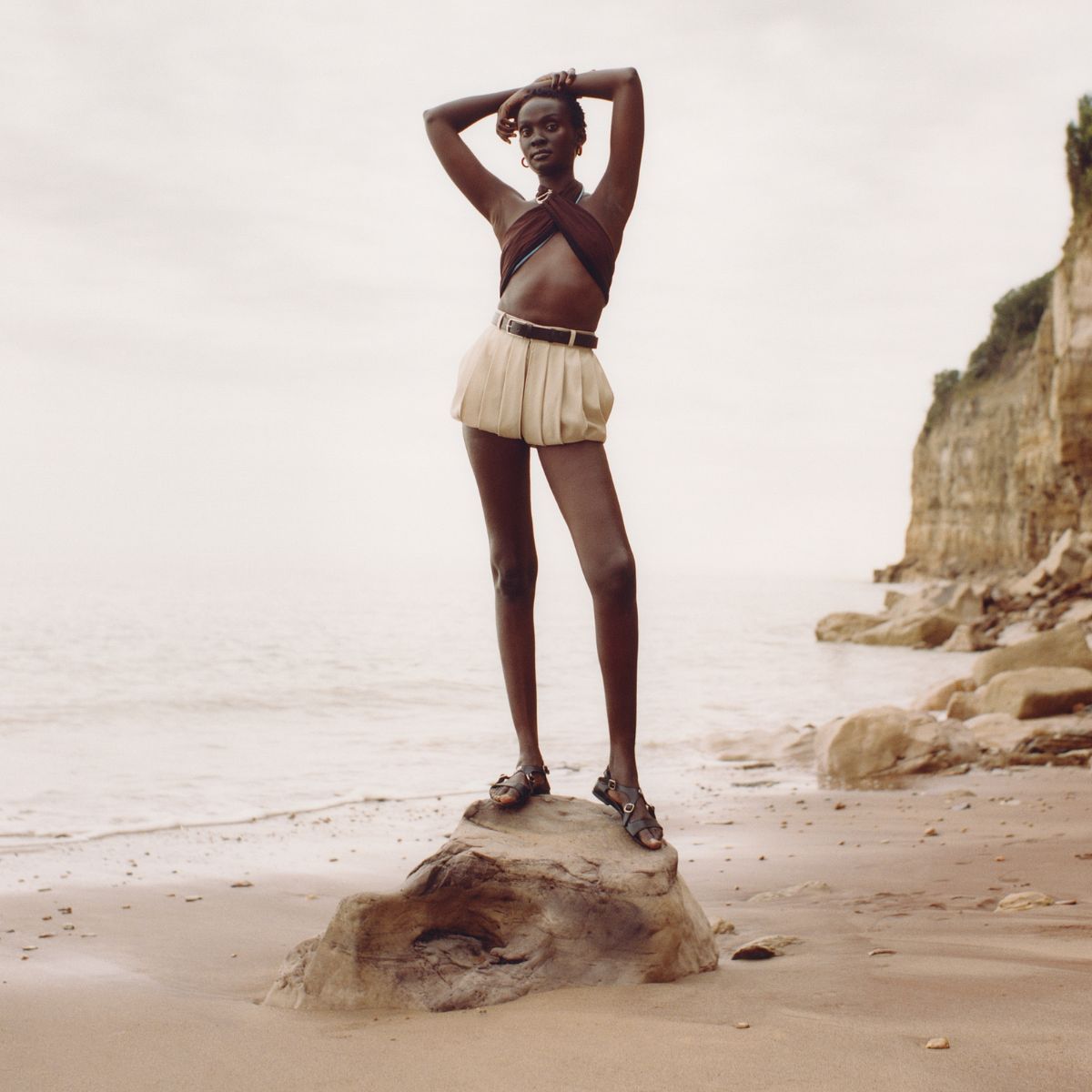
## Our Take: The Great Escape and the Evolving Landscape of Luxury
The visual narrative presented in “The Great Escape” – a lavish, seemingly effortless depiction of wealth and leisure – feels undeniably of its time, yet also echoes a long-standing fascination with aspirational lifestyles. The article’s emphasis on "the bold and the beautiful" suggests a return to a more overt display of luxury, a departure from the understated minimalism that has dominated recent trends. This isn’t entirely surprising; after years of pandemic-induced introspection and a conscious move towards quiet luxury, a counter-movement is emerging – one that embraces outward expression and unapologetic indulgence. It’s a reaction, perhaps, to the pervasive sense of uncertainty and a desire to reclaim a sense of joy and freedom, even if that joy is visually curated. We’ve seen similar shifts before; consider the cyclical nature of fashion and design, always swinging between restraint and exuberance. For a deeper dive into the current dynamics of luxury consumption, see The New Rules of Luxury which outlines the evolving priorities of high-end consumers. This article, and the visual language it employs, taps into that renewed desire for spectacle and adventure.
The significance of “The Great Escape” extends beyond mere aesthetic appreciation. It signals a potential reshaping of the luxury narrative, moving away from a solely focused on sustainability and ethical sourcing (though those values remain important to a significant portion of the market) and towards a celebration of experiences and the tangible symbols of success. The imagery—presumably showcasing exotic locales, bespoke fashion, and high-end travel—resonates with a generation that has grown up in an era of unprecedented access to information and, increasingly, a desire to curate their own narratives of achievement. This isn't simply about *having* things; it's about *being seen* to have them, a dynamic fueled by social media and the constant pressure to project an idealized version of oneself. The article’s visual storytelling, therefore, becomes a powerful tool for shaping perceptions and reinforcing aspirational ideals. Relatedly, understanding the nuances of visual communication in luxury branding is crucial – a point explored in Decoding Luxury Visuals, which highlights the subtle cues and techniques used to convey exclusivity and desirability.
However, the potential pitfalls of this shift are worth noting. The overt display of wealth can easily be perceived as tone-deaf, particularly in a world grappling with economic inequality and environmental concerns. Authenticity and purpose remain crucial; consumers are increasingly discerning and are able to detect inauthenticity and performative displays of luxury. The brands and individuals who succeed in this evolving landscape will be those who can strike a balance between aspirational imagery and genuine values, demonstrating a commitment to social responsibility and environmental stewardship alongside their opulent offerings. The article’s portrayal of “the bold and the beautiful” needs to be carefully considered in this context – is it a celebration of genuine achievement or simply a superficial display of material possessions? This distinction is becoming increasingly important to the modern luxury consumer.
Ultimately, "The Great Escape" presents a fascinating snapshot of a luxury market in flux. It’s a return to a certain kind of extravagance, but one that exists within a vastly different cultural and economic context than previous iterations. The question now is whether this resurgence of overt luxury can be sustained, and whether it will be accompanied by a renewed emphasis on authenticity and purpose. It will be interesting to observe how brands adapt their strategies to cater to this evolving consumer mindset—will they embrace the spectacle wholeheartedly, or will they seek to temper it with a more nuanced approach that acknowledges the complexities of the modern world? The Future of Luxury Brands offers some predictive insights on this very topic.
Read on the original site
Open the publisher's page for the full experience