The Kids’ Birthday Party Has a Dress Code No One Talks About
Our take
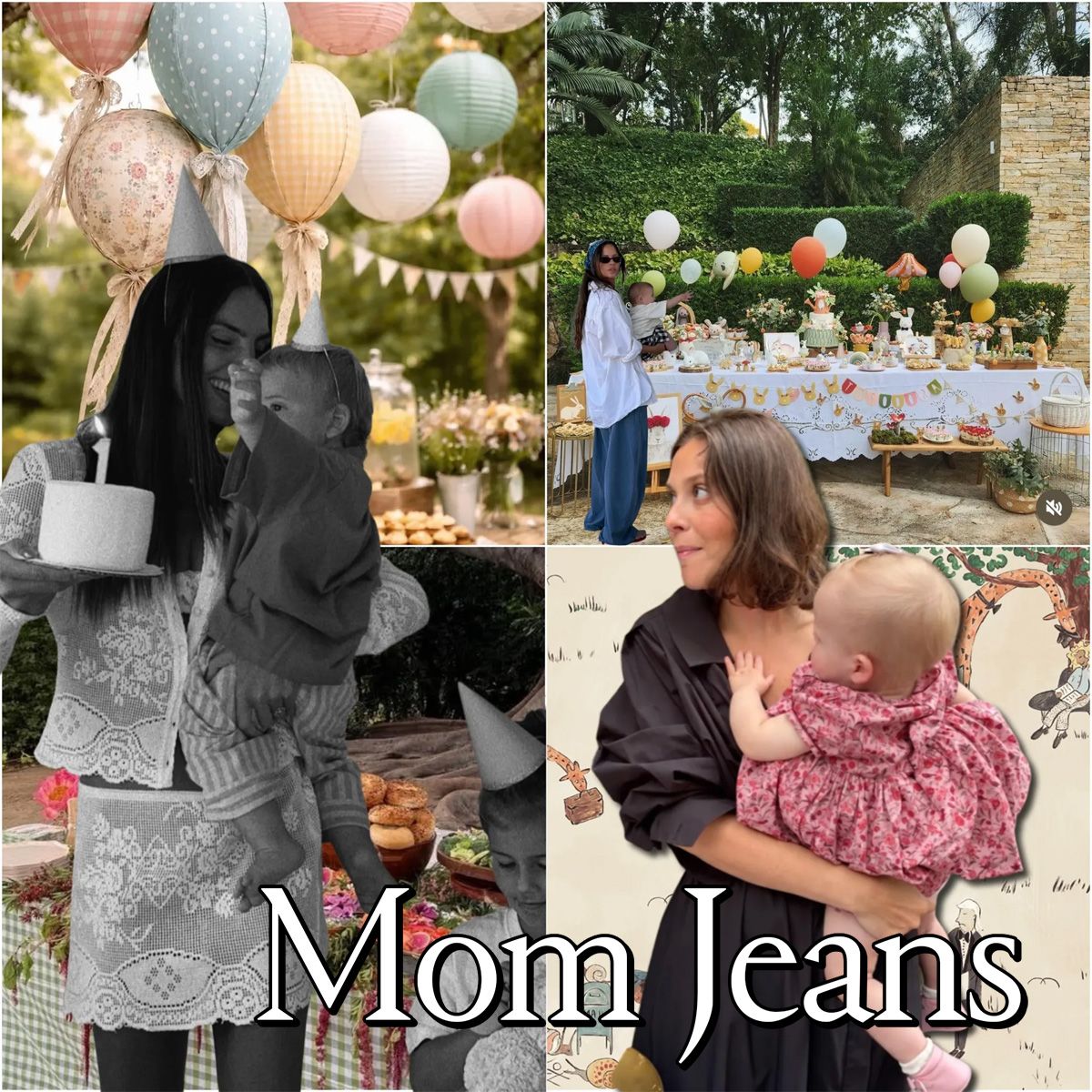
The unspoken dress code of a children’s birthday party has become a surprisingly complex arena, a realization many mothers are encountering with a degree of bewildered amusement. It’s a shift from the relatively straightforward guidelines of adult social gatherings—dinner at an apartment calls for one thing, drinks at nine necessitates another (though, as the author notes, nine o'clock might be bedtime for many now)—to a murky middle ground where expectations remain frustratingly undefined. The article touches upon a truth many of us quietly observe: motherhood introduces a whole new dimension to occasion dressing, one layered with subtle social pressures and a quiet competition for perceived “effort.” We’ve all seen it – the perfectly coordinated outfits, the carefully curated accessories, the subtle flex of a parent who appears to have mastered the art of balancing motherhood and impeccable style. It’s a phenomenon amplified by social media, where curated glimpses into seemingly flawless lives often fuel a subconscious desire to measure up. This isn't necessarily about overt judgment, but a subtle performance of motherhood itself, a desire to project an image of capability and control in a space often defined by chaos and the unpredictable nature of small children. The rise of this unspoken code also reflects a broader cultural trend toward "aesthetic motherhood," a movement that prioritizes visual presentation and often conflates personal style with parental responsibility. Consider, for example, the allure of [The Drift "Twilight" Home Fragrance Collection Is Indulging My Witchy Side This Fall] – the desire for a curated, atmospheric environment extends beyond the home and into every facet of life, including the seemingly mundane act of attending a child’s birthday. The interesting element here is the inherent contradiction. We’re encouraged to embrace the “mom uniform” – comfortable, practical clothing designed for chasing toddlers and wiping noses – yet simultaneously pressured to maintain a level of polish that feels increasingly unattainable. This pressure isn’t necessarily imposed by other parents, but by an internal desire to fulfill a perceived ideal of motherhood, further complicated by the pervasive influence of social media. The article’s humor lies in its recognition of this absurdity, the quiet acknowledgement that navigating the world of children’s birthday parties has become a surprisingly strategic endeavor. It's a far cry from the carefree days of attending such events simply to celebrate a child’s milestone. Now, it's a silent assessment of fabrics, silhouettes, and the overall impression conveyed. Even something as simple as choosing shoes becomes a loaded decision, a subconscious calculation of practicality versus presentation. The fashion world, of course, is responding with its own subtle cues. We're seeing a trend toward elevated basics, pieces that can be dressed up or down, blurring the lines between casual and formal wear. Dakota Johnson's recent styling choices, as demonstrated in [Dakota Johnson Dressed Up Her Blazer-and-Jeans With 2026's Biggest Ballet Flats Trend], highlight this versatility – a chic, effortless look that could easily transition from a playground to a more polished setting. Beyond the immediate anxieties of outfit selection, this phenomenon speaks to a deeper societal shift. The rise of the "momfluencer" and the increasing visibility of motherhood online have created a space where parenting itself is often performative. While this can be empowering for some, it also contributes to a culture of comparison and the relentless pursuit of perfection. The unspoken dress code of a children’s birthday party is merely a symptom of this larger trend, a microcosm of the pressures facing modern mothers to embody a carefully constructed image of competence and style. It’s a subtle reminder that even the most seemingly ordinary moments are now subject to scrutiny and evaluation, filtered through the lens of social media and the ever-present desire to project an idealized version of ourselves. It’s also worth noting the economic implications; the desire to keep up with these subtle trends can drive consumption, as evidenced by the continued popularity of sought-after items like those highlighted in [8 Adidas Shoes That Are Shockingly Not Sold Out Yet]. The quest for the "perfect" birthday party outfit is, in many ways, a reflection of a broader consumer culture fueled by aspiration and the pursuit of status.
Getting dressed for an adult birthday party is something I understand. There are context clues. The time, the place, the people. Dinner at someone’s apartment calls for a different shoe than drinks at 9 p.m. (Also, I will probably not be there because my bedtime is 9:30.) A Saturday brunch, I can figure out. A kids’ birthday party? There’s a surprising amount of gray area.
I’d been to a few before having my daughter and don’t remember thinking particularly hard about what I wore. Then I threw her first birthday and thought about it way more than I expected to.
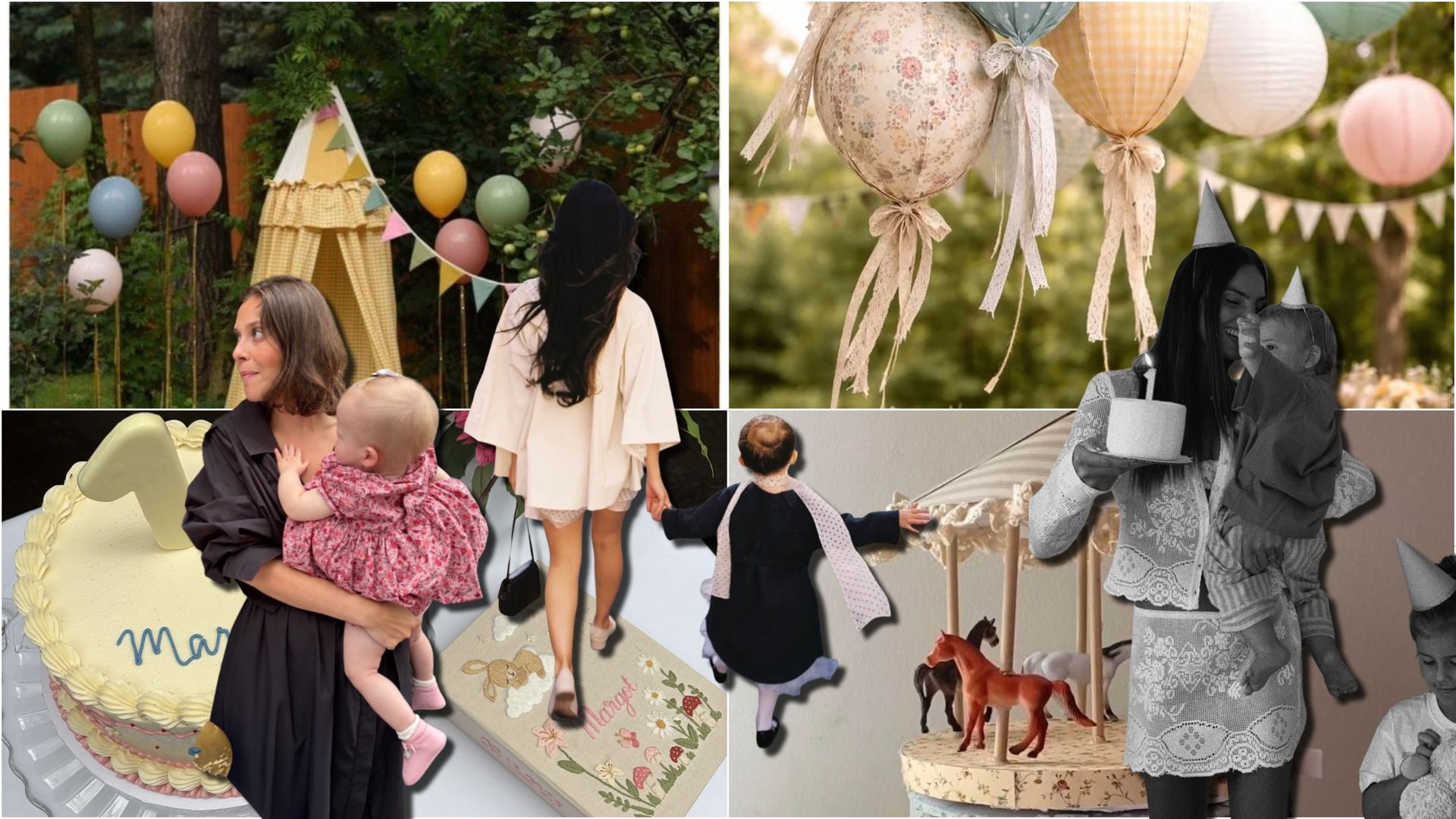
First birthdays are weird because the person whose birthday it is has absolutely no idea what’s happening. My daughter took a nice little stroller nap during hers while we had lunch and wine at a restaurant with flowers and mostly adult guests. This was obviously not the same situation as a five-year-old’s birthday at Chuck E. Cheese.
I wanted her to look cute and I wanted to wear something that would photograph alright. I did not want matching mommy-and-me outfits. I also didn’t want to look like I had gone out and bought an Outfit for My Daughter’s First Birthday, even though I had obviously spent a lot of time thinking about what I was going to wear.
Julia Gall, a stylist, mom, and friend, told me she reads the host as much as the invitation. If the mom throwing the party is someone who happily pushes a stroller in heels, she’ll give her a look. If she’s usually in a sweat set, that tells her something too. This makes sense to me. It’s what we do when we get dressed for basically everything else anyway.
And now that I seem to have one of these on the calendar every Saturday for the rest of eternity, I’ve realized the invitation only tells you so much. The rest requires a little interpretation.
The Very Themed Party
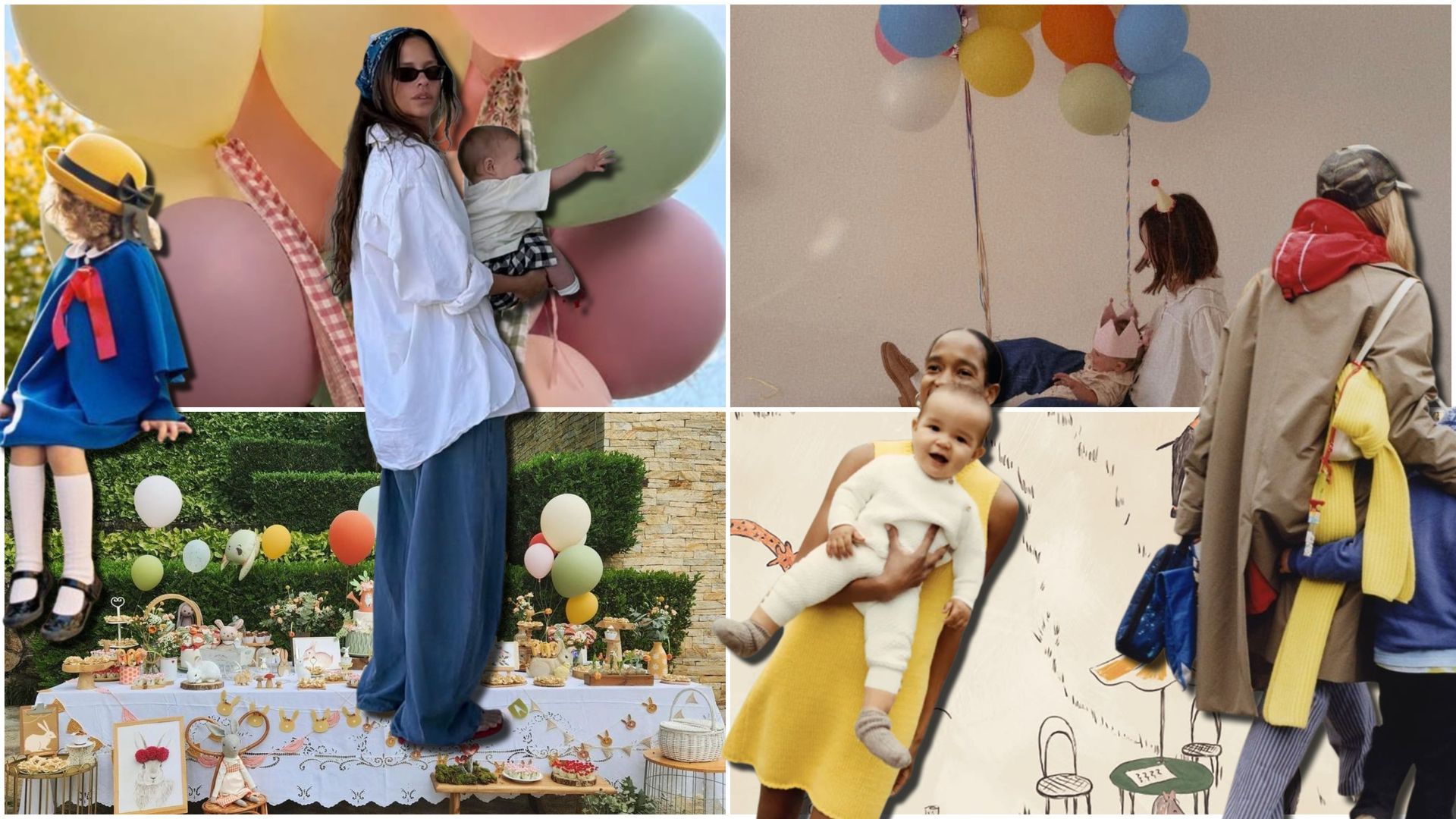
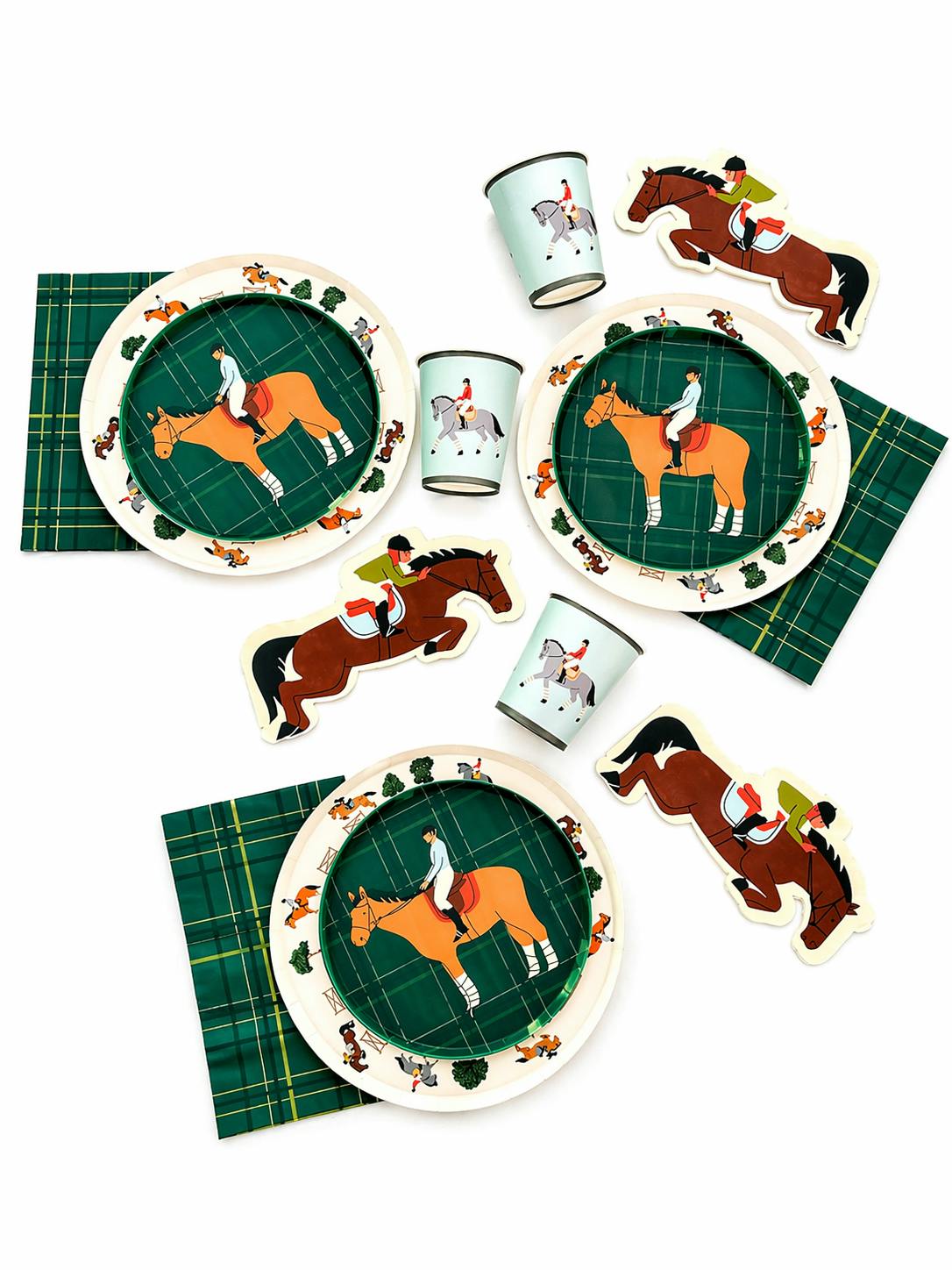
I love a theme. I do not, however, think a theme requires a costume. Princess can be pink. Garden party can be khakis, a white T-shirt, and a barn jacket. Cowboy can simply mean denim. You’re acknowledging the assignment without becoming part of the entertainment.
Julia is more enthusiastic about theme dressing than I am. “People put a lot of effort into a theme, and it’s a sign of appreciation to acknowledge it,” she says. Although hers comes with a very good fashion POV.
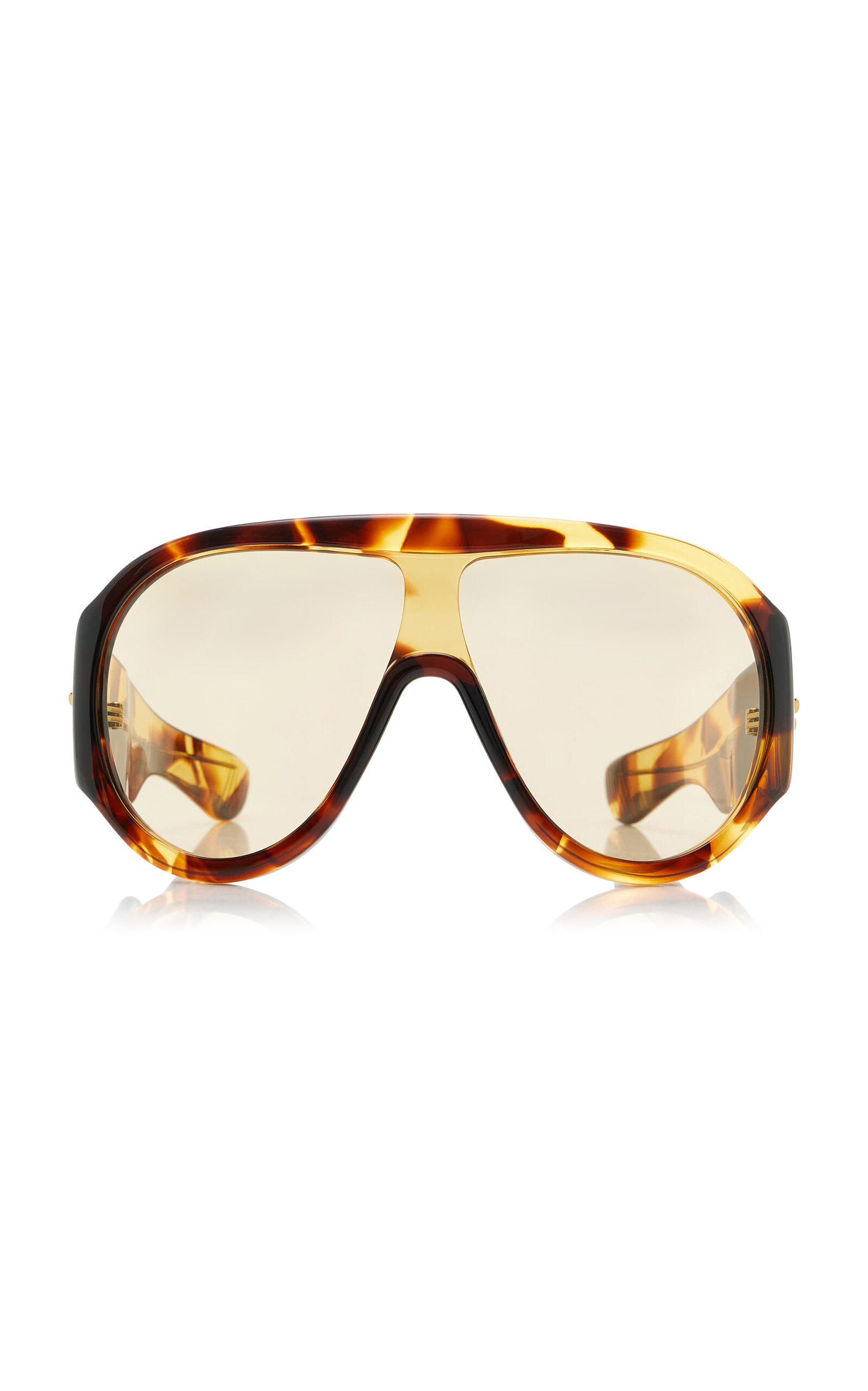
For her son’s bug-themed first birthday, she found a butterfly-print Tory Burch top on The RealReal and a ’90s science T-shirt covered in bugs on eBay for her husband. His second birthday was a kite-and-pinwheel party in a windy park, so she wore a primary-colored Marc by Marc Jacobs skirt she’d had since high school. For an apple-picking party the next year, she wore Junya Watanabe patchwork jeans with a plaid Chelsea Mak top. Looking at the pictures, I understand why she commits.
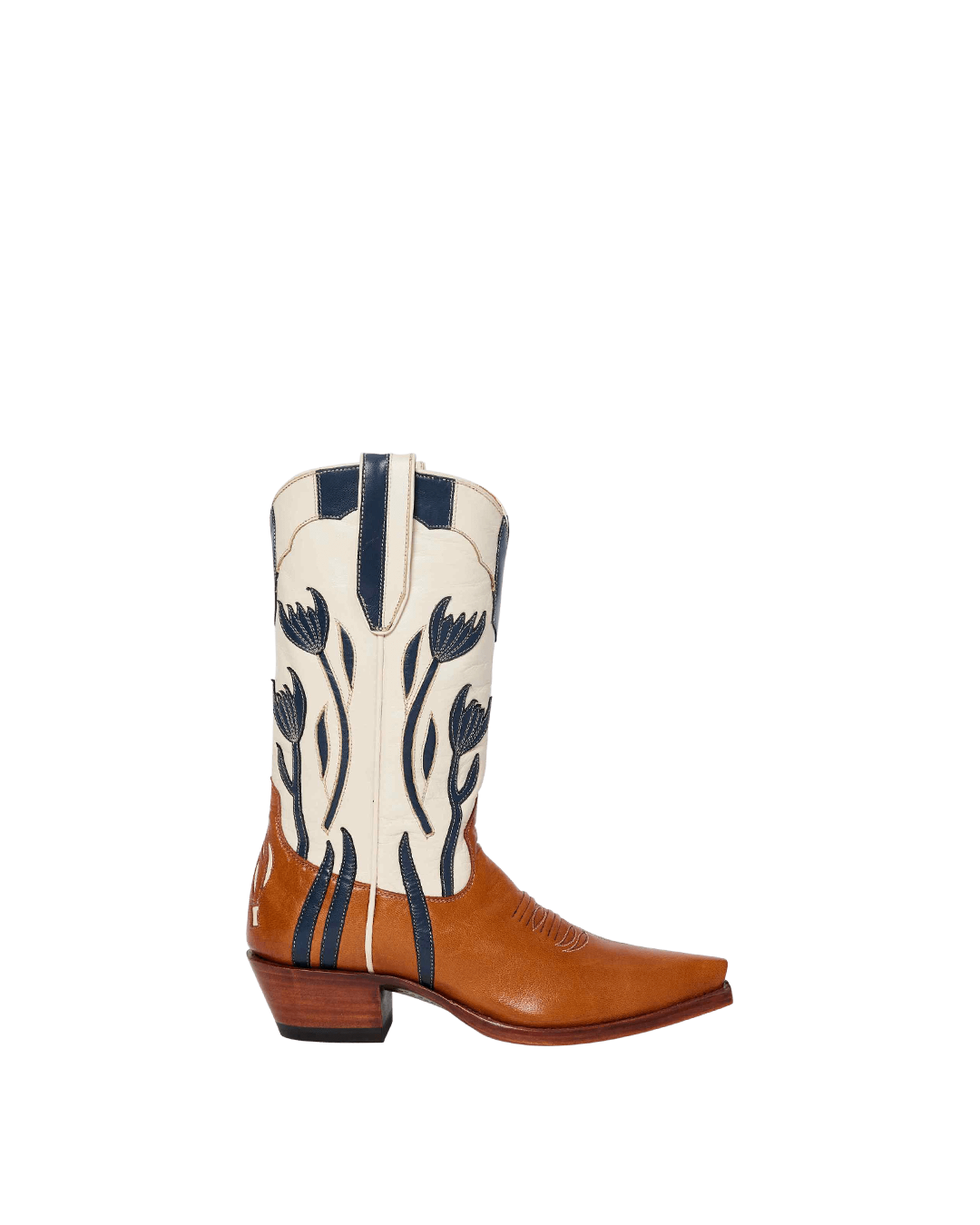
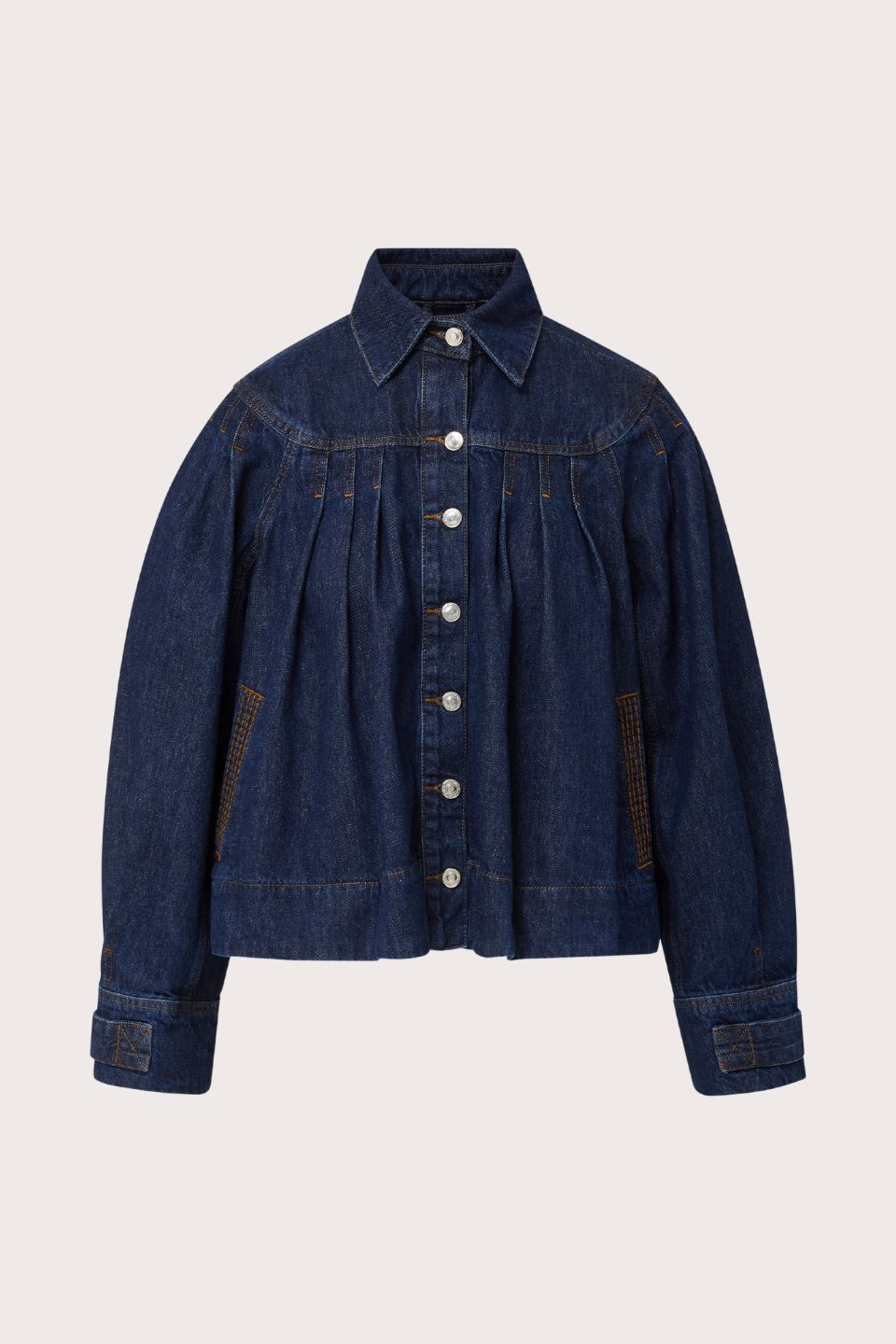
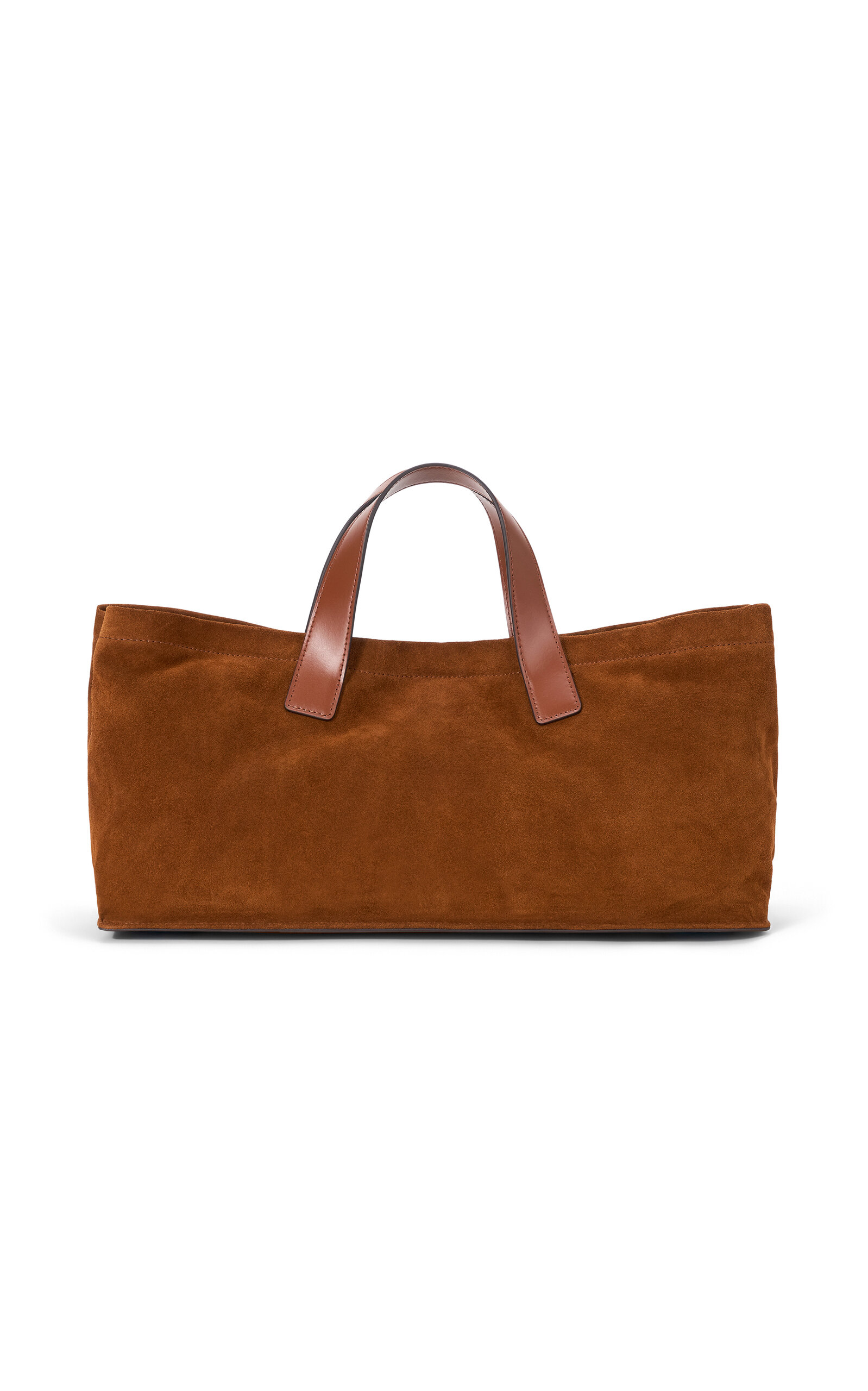
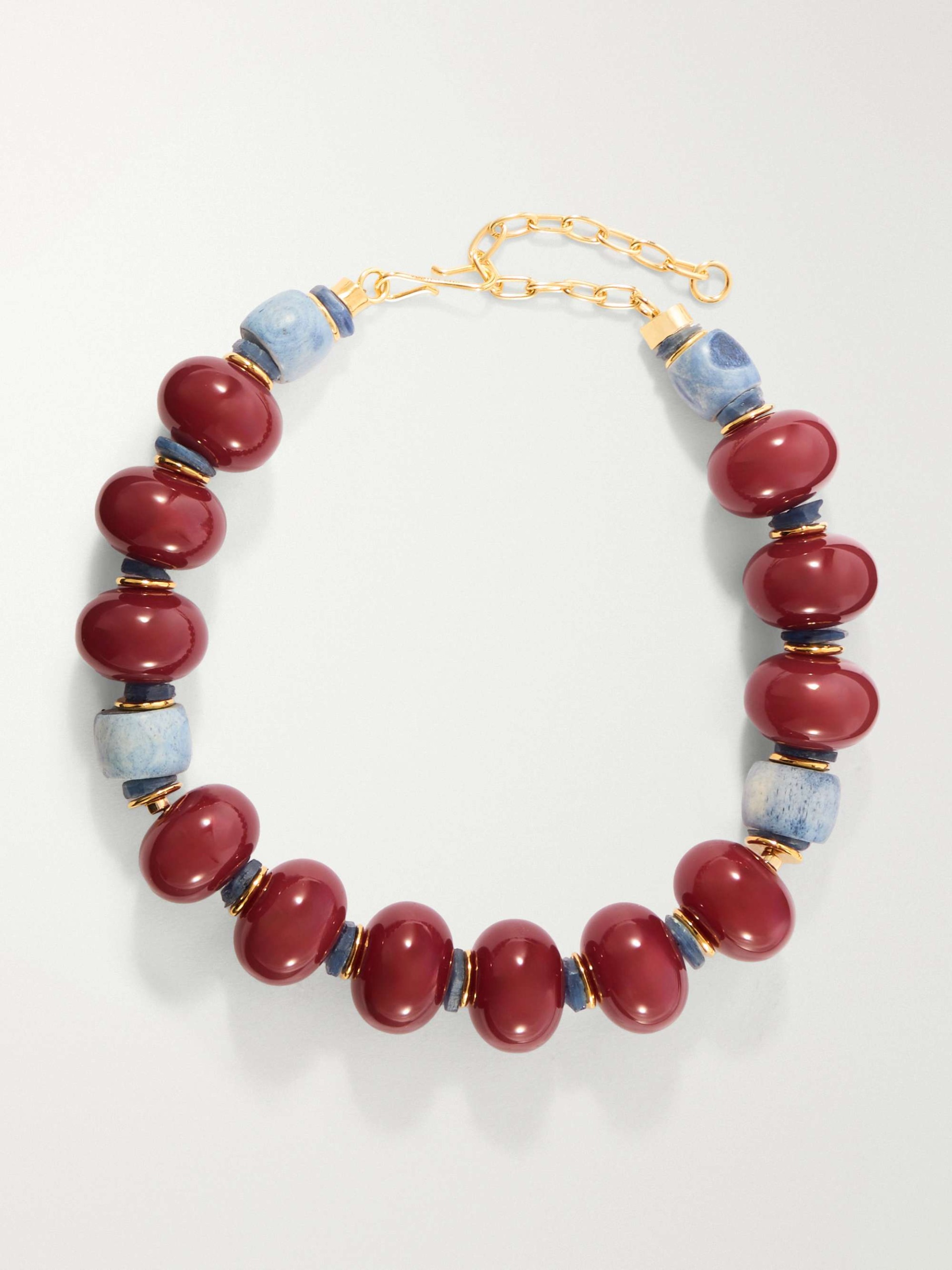
The First Birthday (Versus the Fifth Birthday)
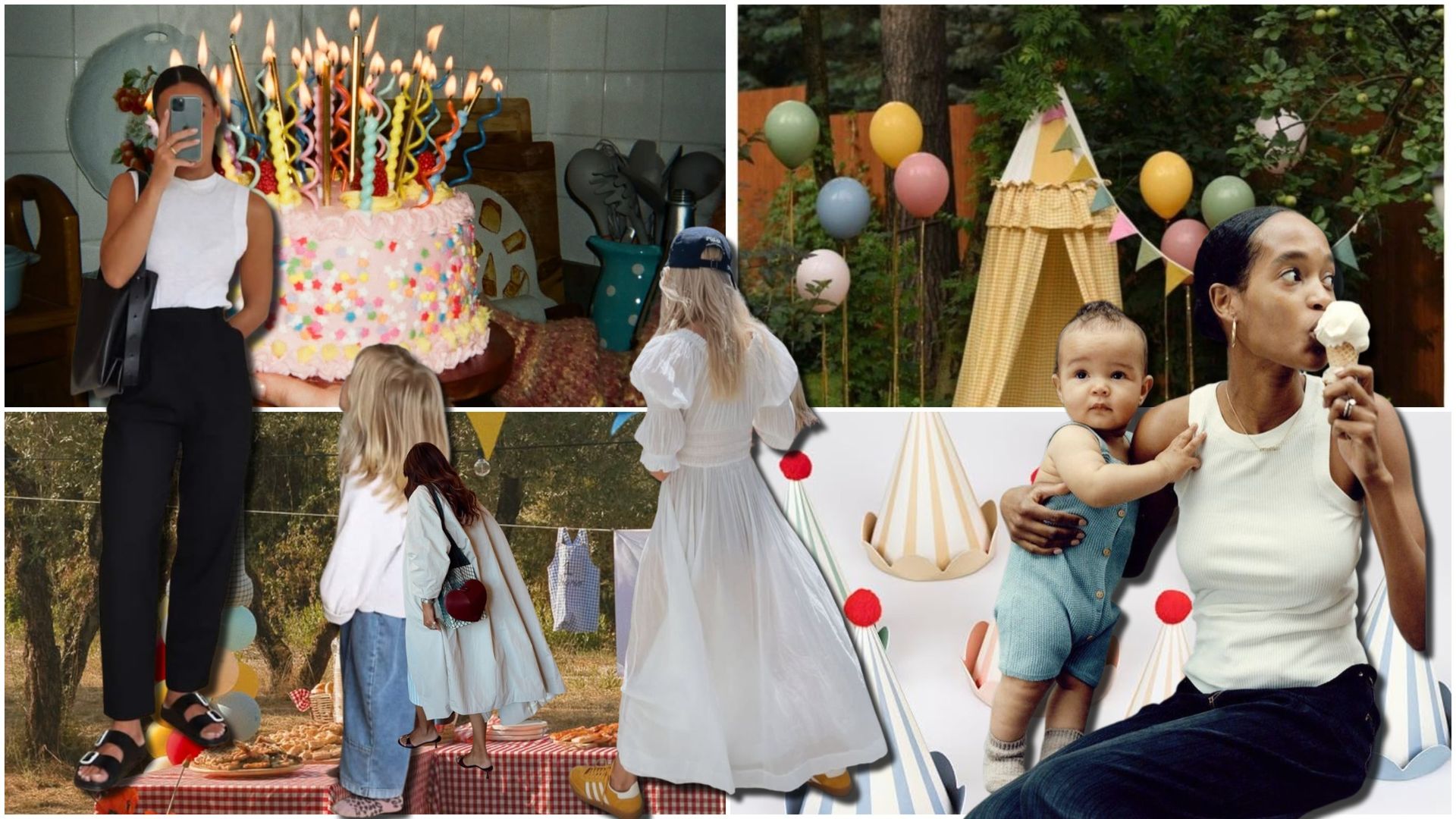
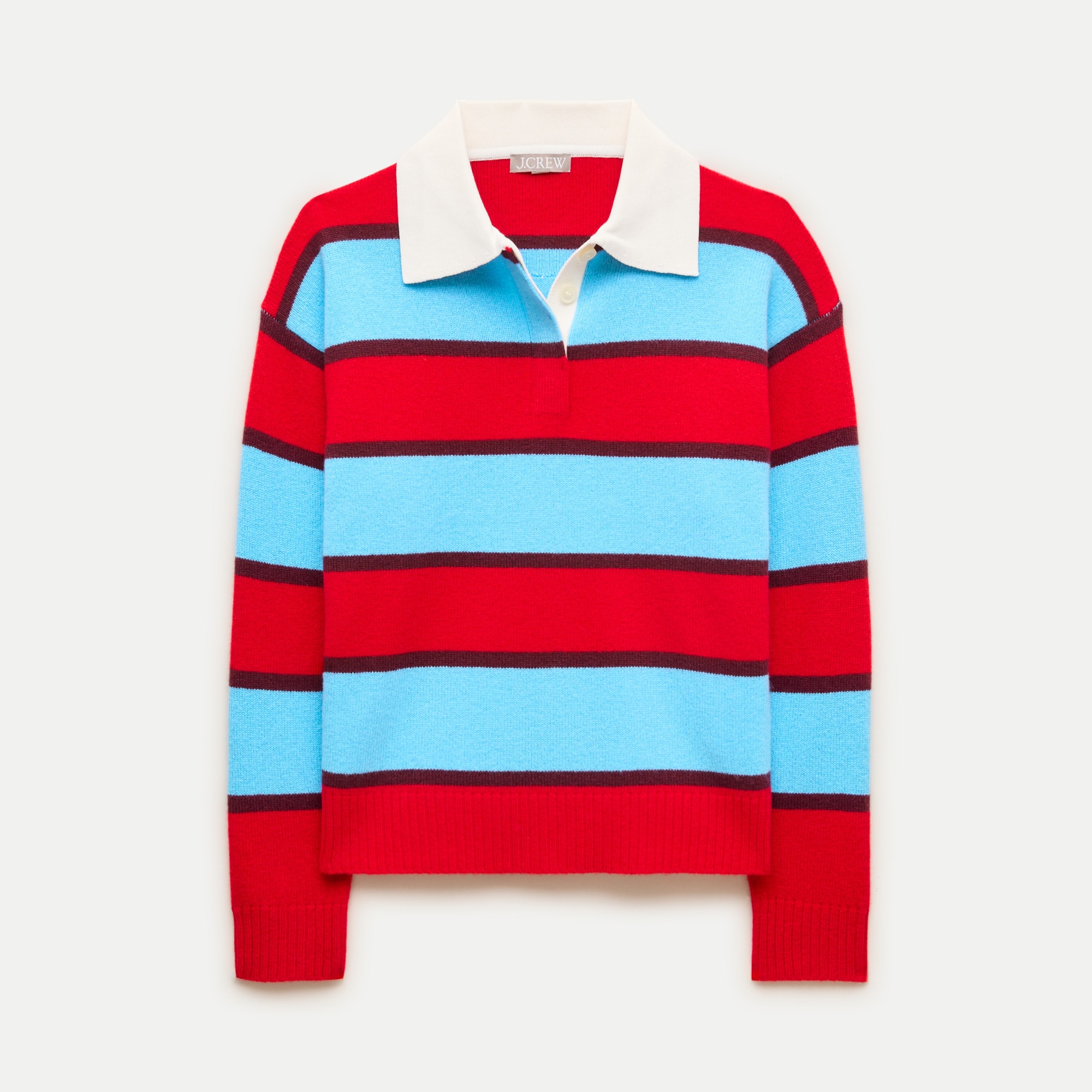
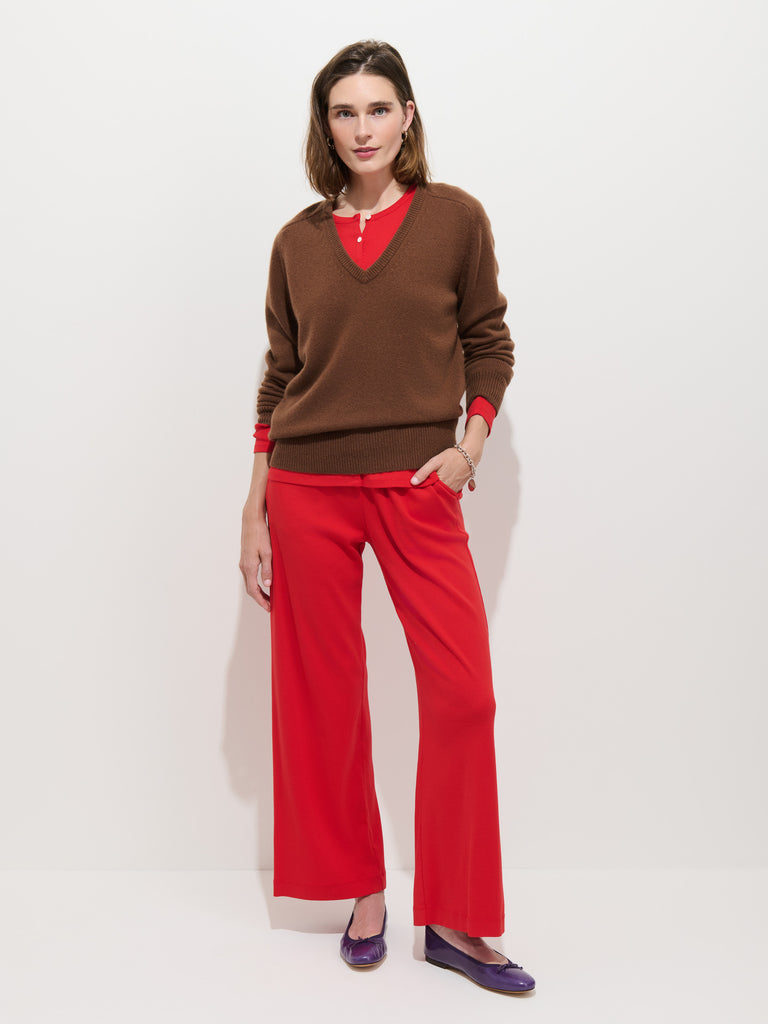
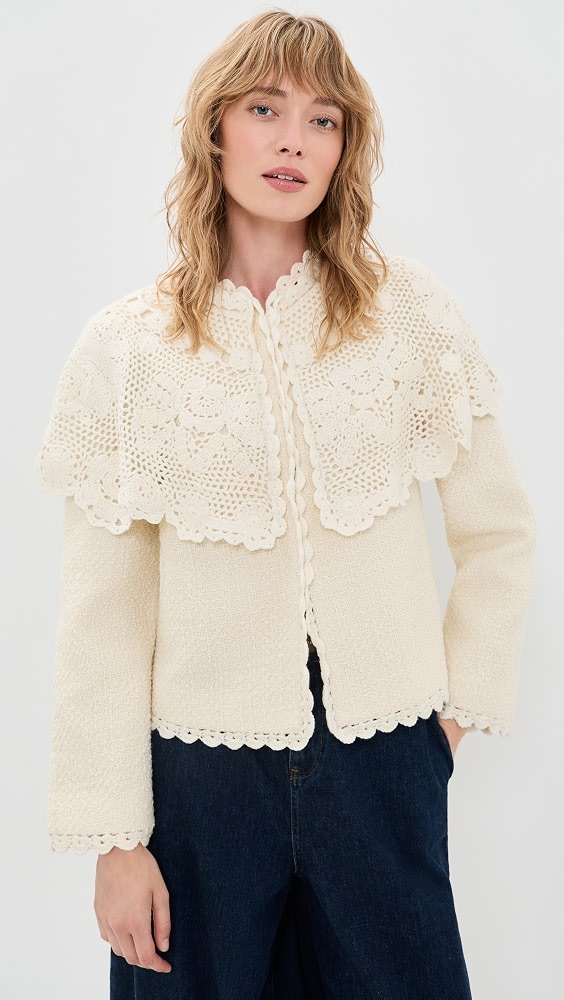
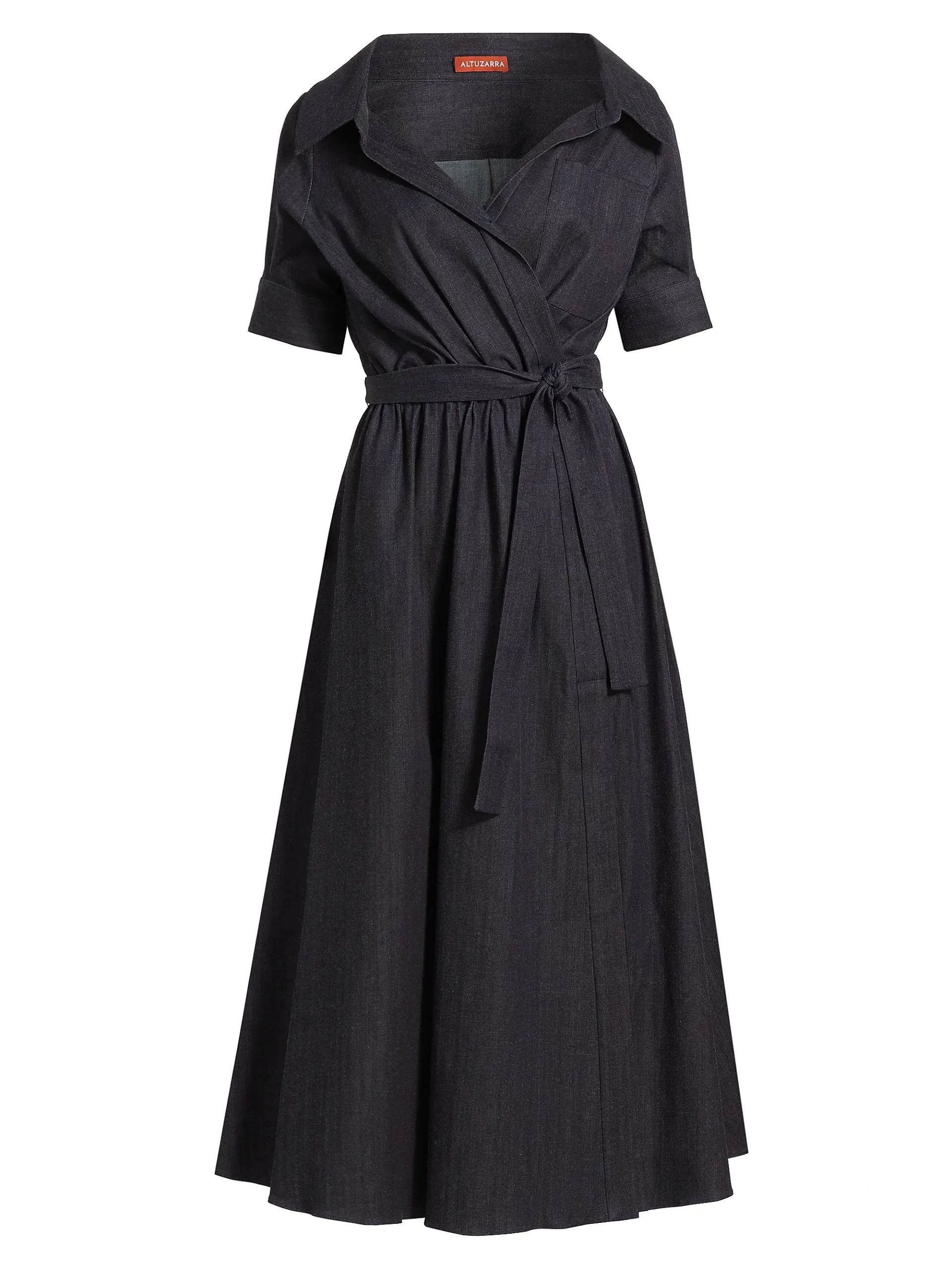
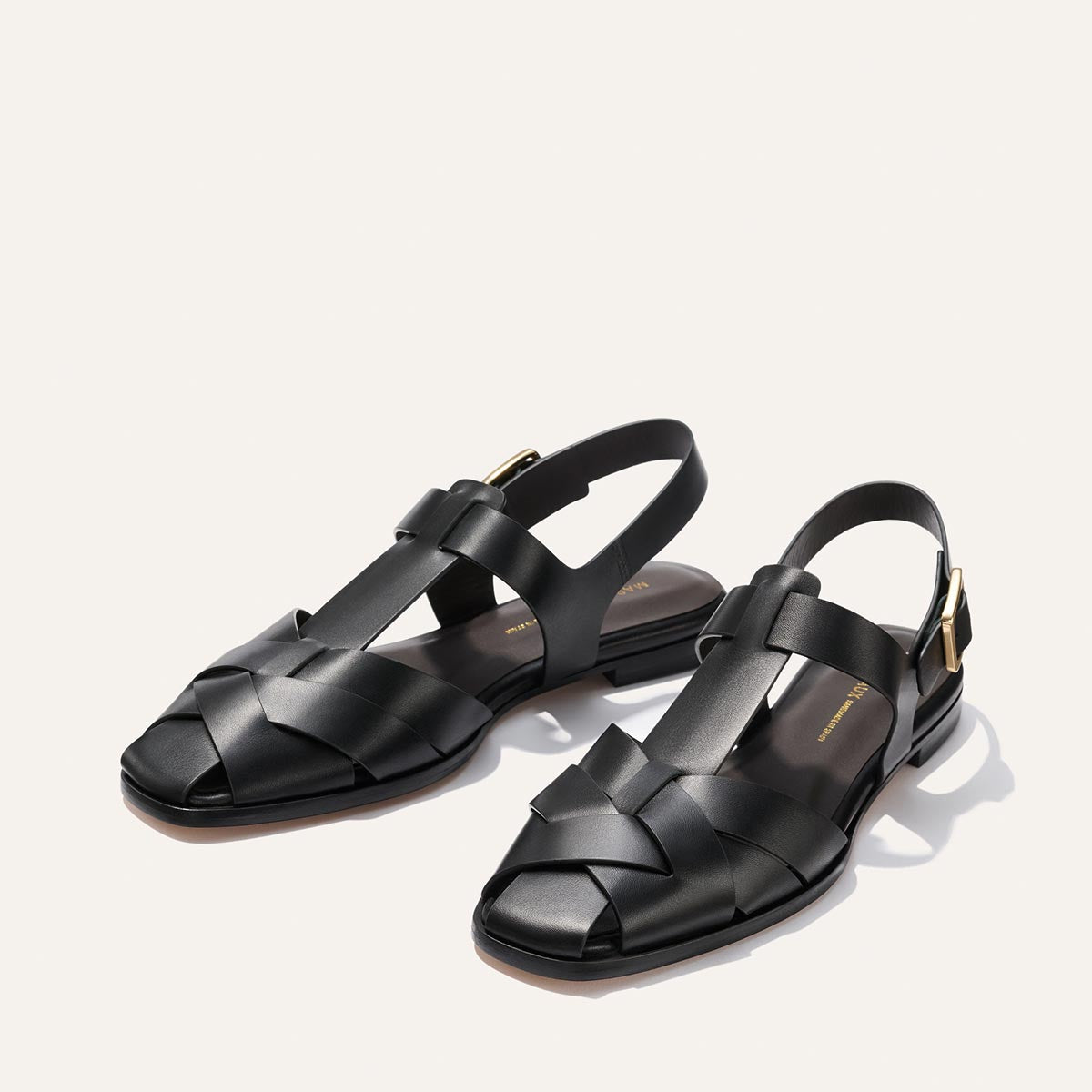
The age of the birthday kid might tell you more than the invitation does. A first birthday is largely for the adults. I say take advantage. At my daughter’s, some guests wore jeans and others wore garden dresses. I landed somewhere in the middle in an Altuzarra Lydia dress and Bally fisherman sandals. Wear the dress, the skirt, even the little heel.
A few years later, you’re dealing with kids who are actually participating in their own parties. There might be a bounce house. You might end up on the floor. Someone will probably spill something on you. This is when I’d go with pants, a sweater you can tie around your waist, and shoes you would not wear to the 9 p.m. birthday drinks situation.
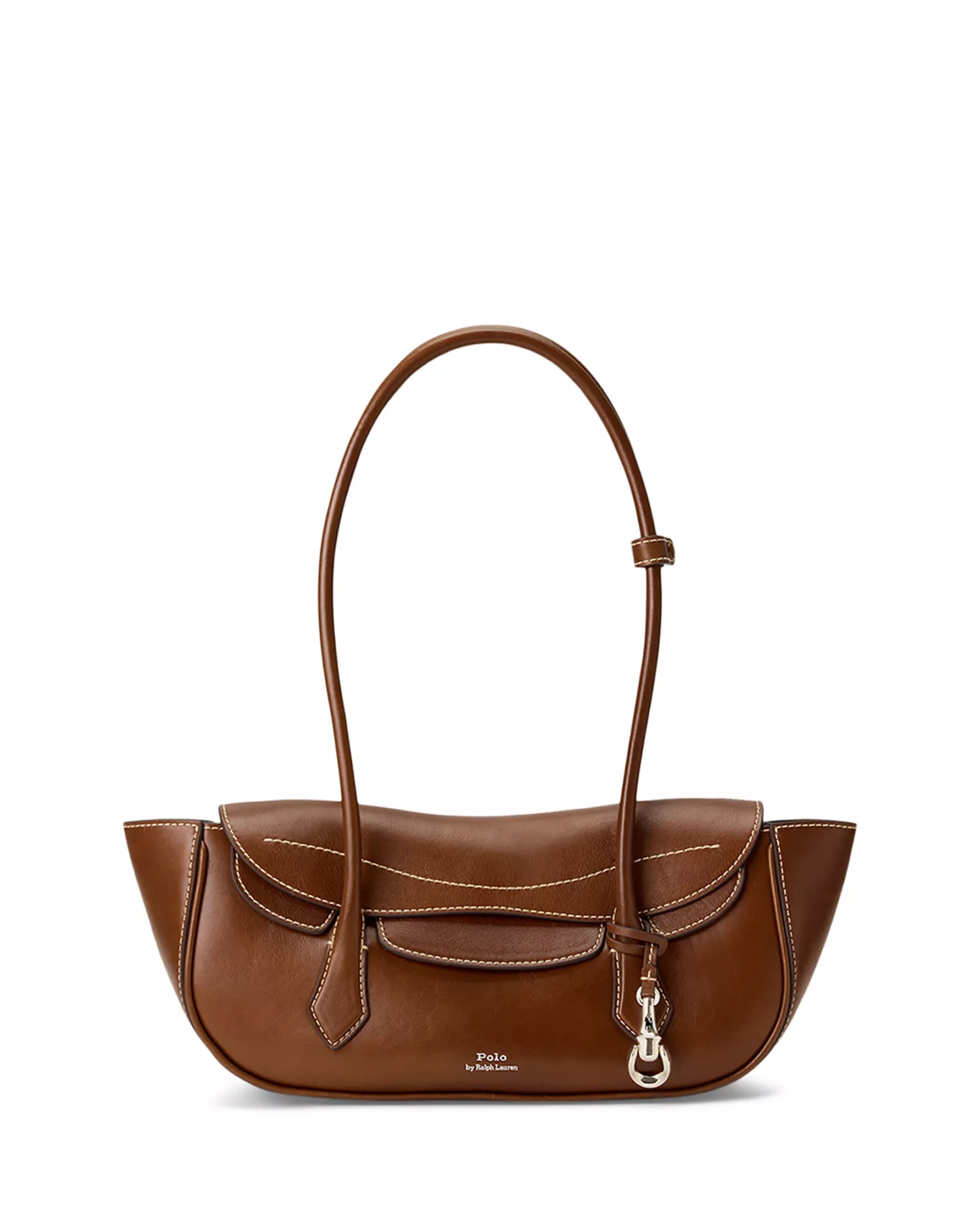
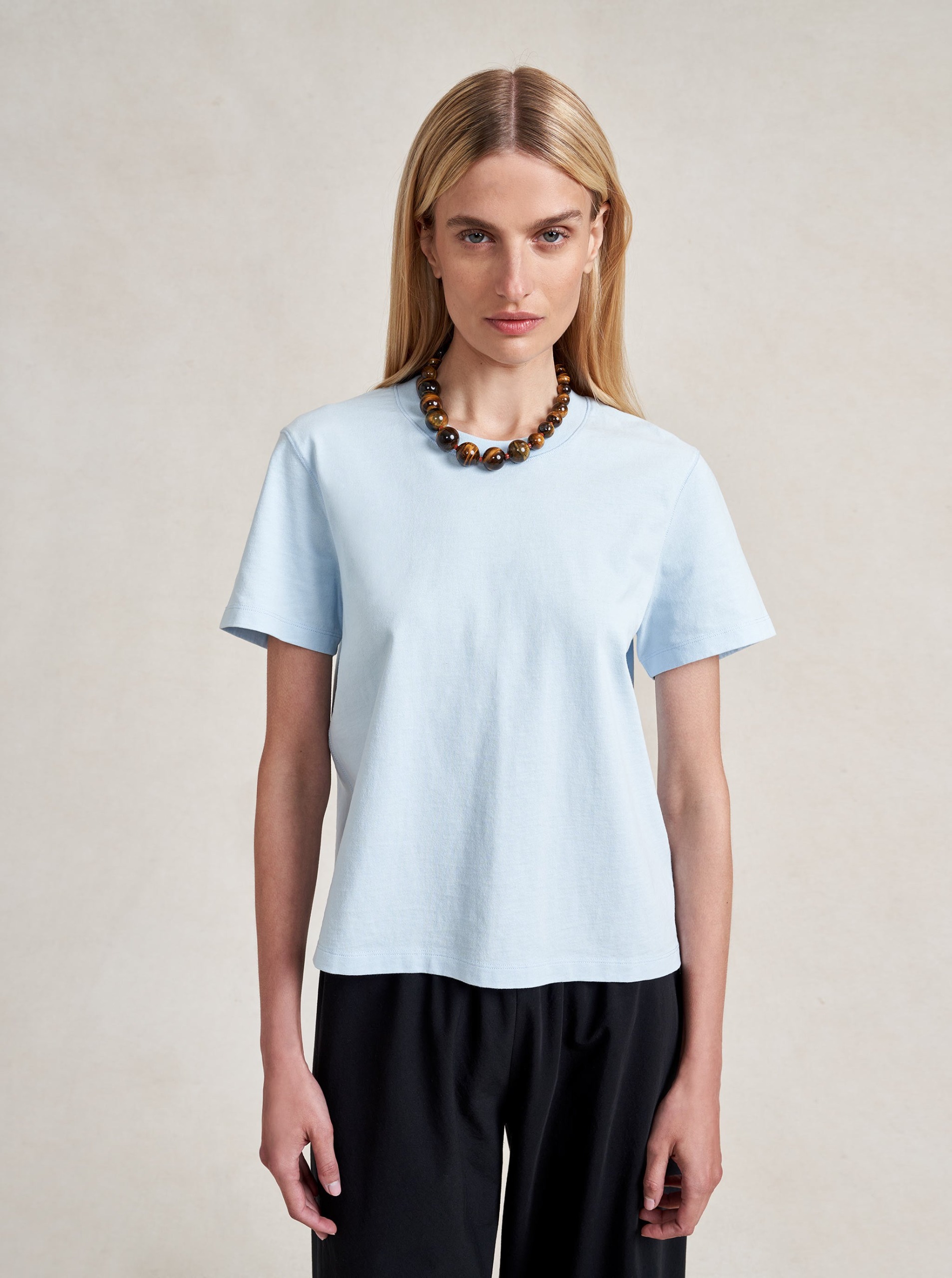
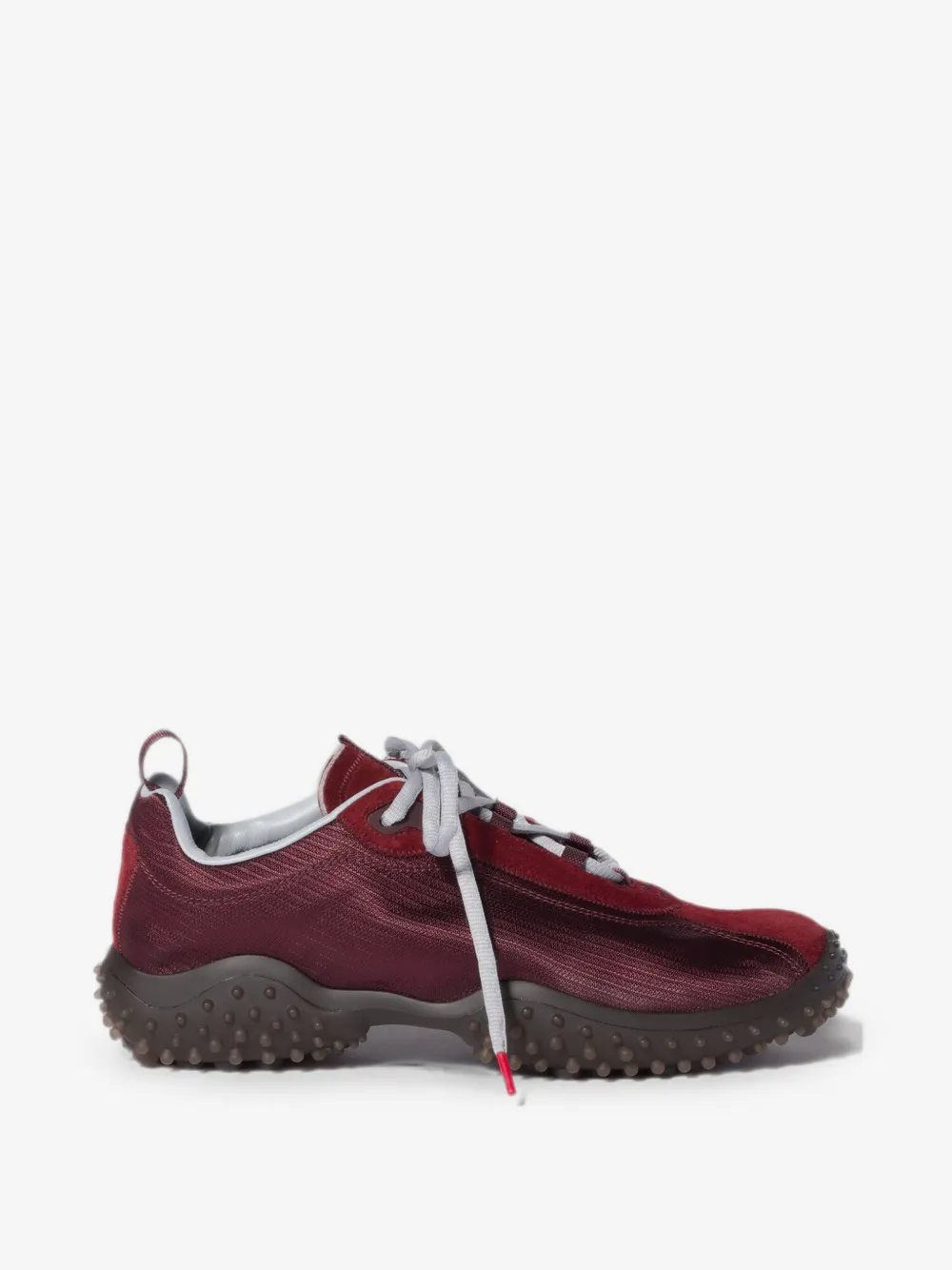
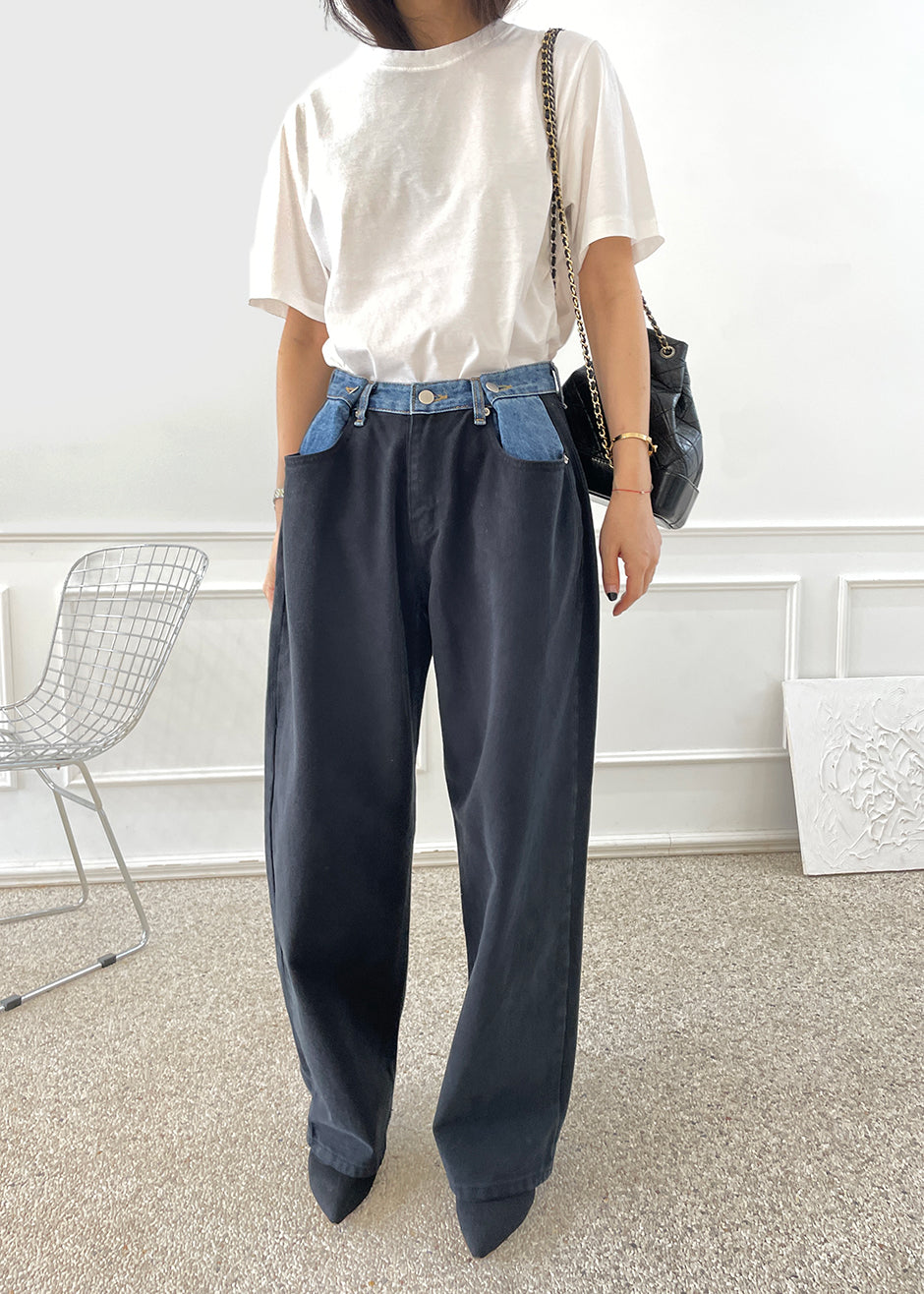
The Party You’re Hosting
If you’re throwing the party, I think you get to wear what you want. You planned it, ordered the cake, figured out the food and the nap schedule.
You do, however, have to be able to host in it. Can you bend down? Pick up your kid? Carry the cake? If yes, I think you’re fine. I spent way too much time worrying that I was too dressed up for my daughter’s, and, looking back, I really didn’t need to.
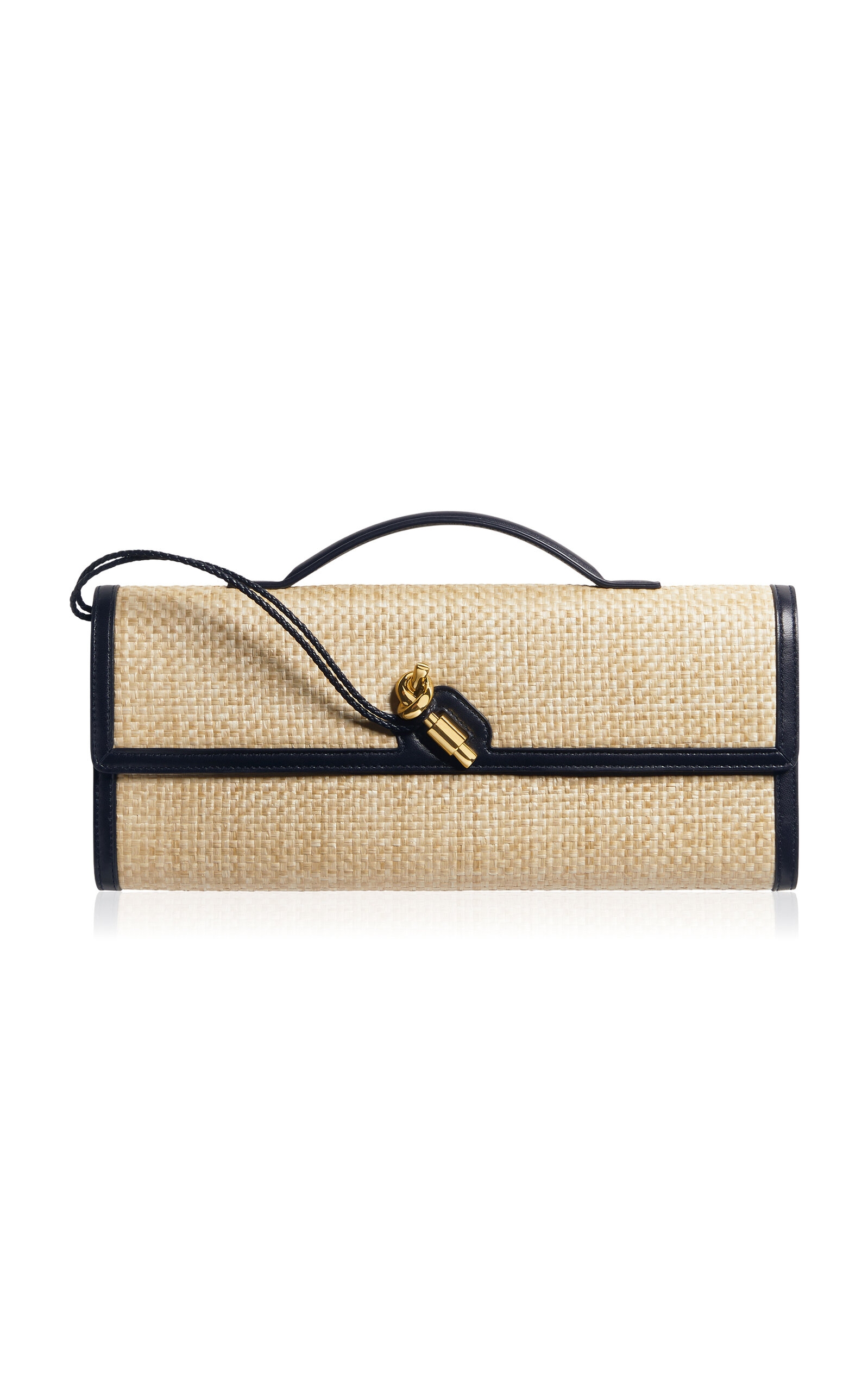
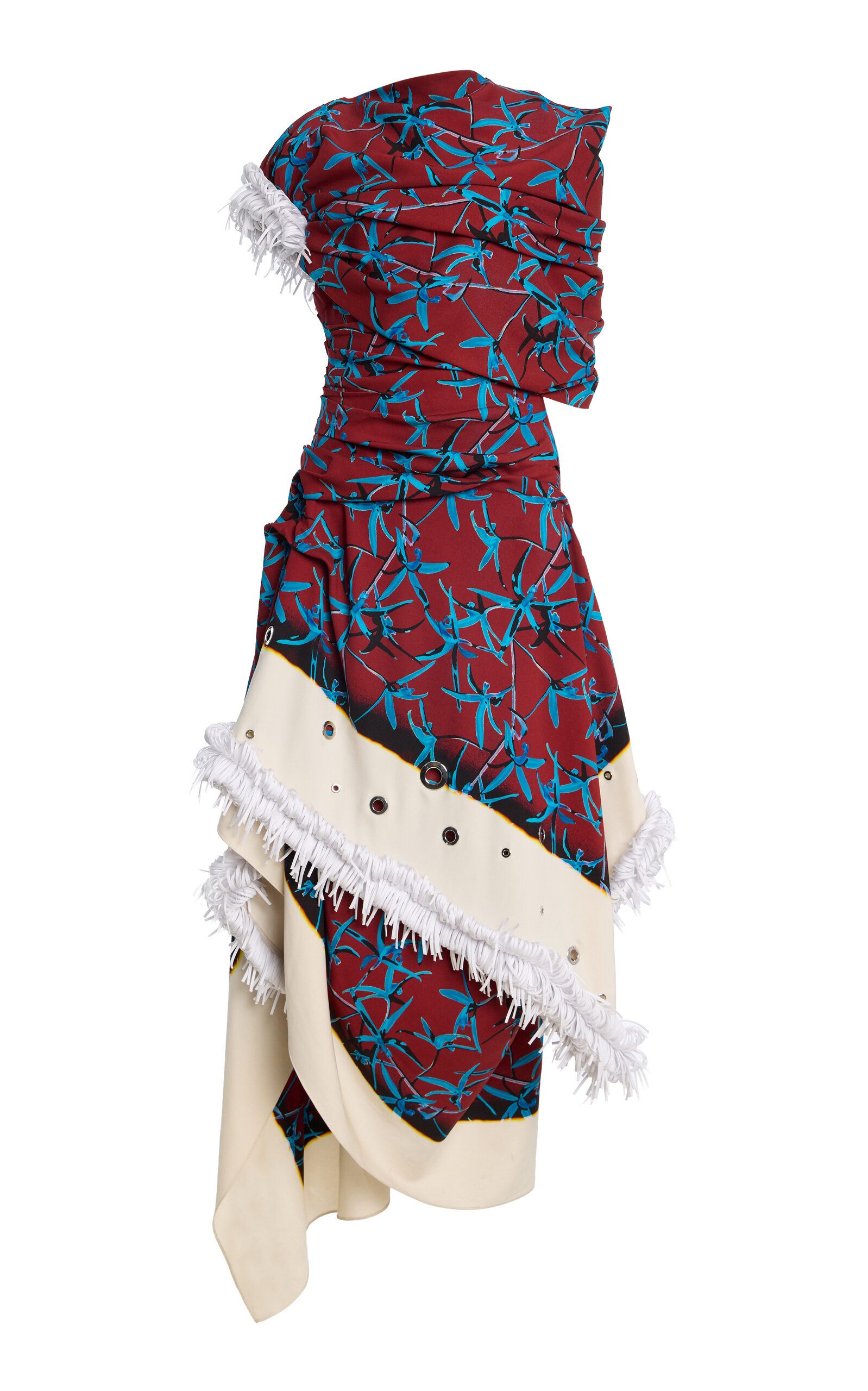
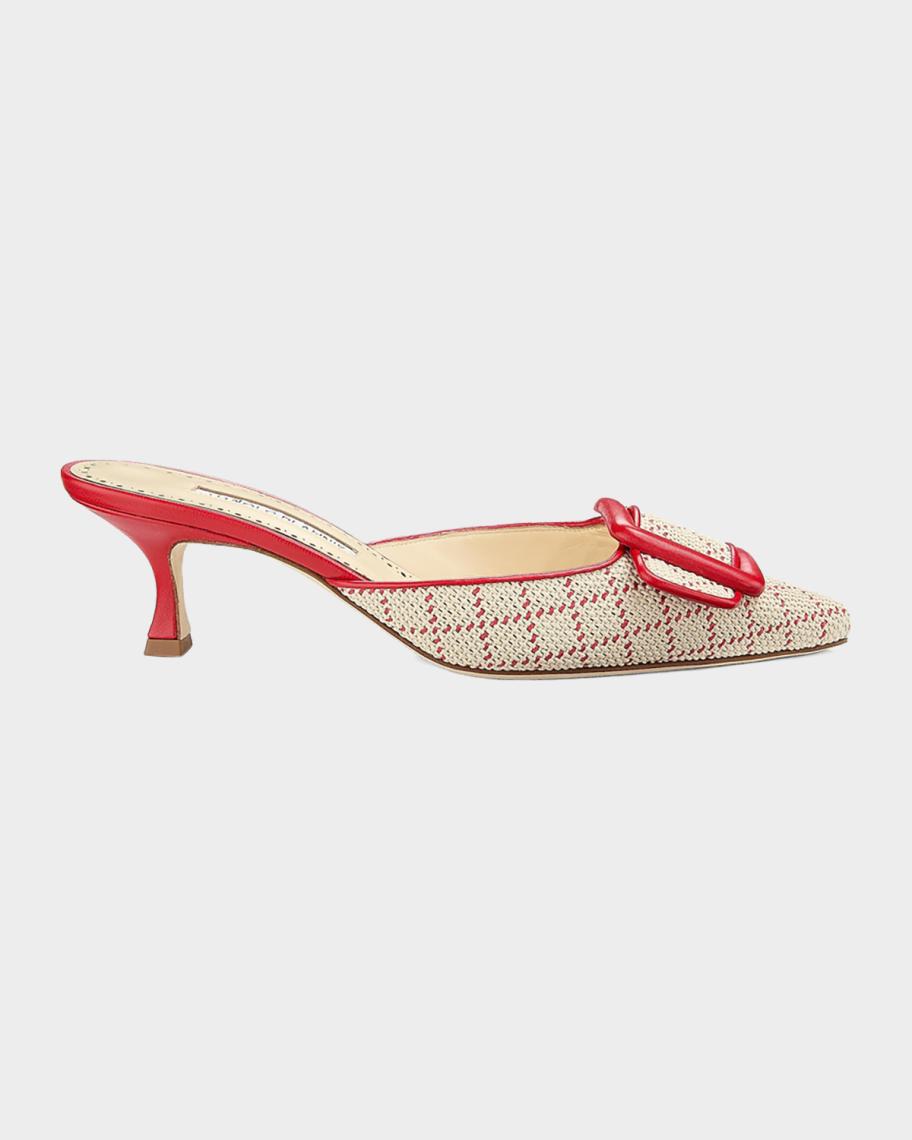
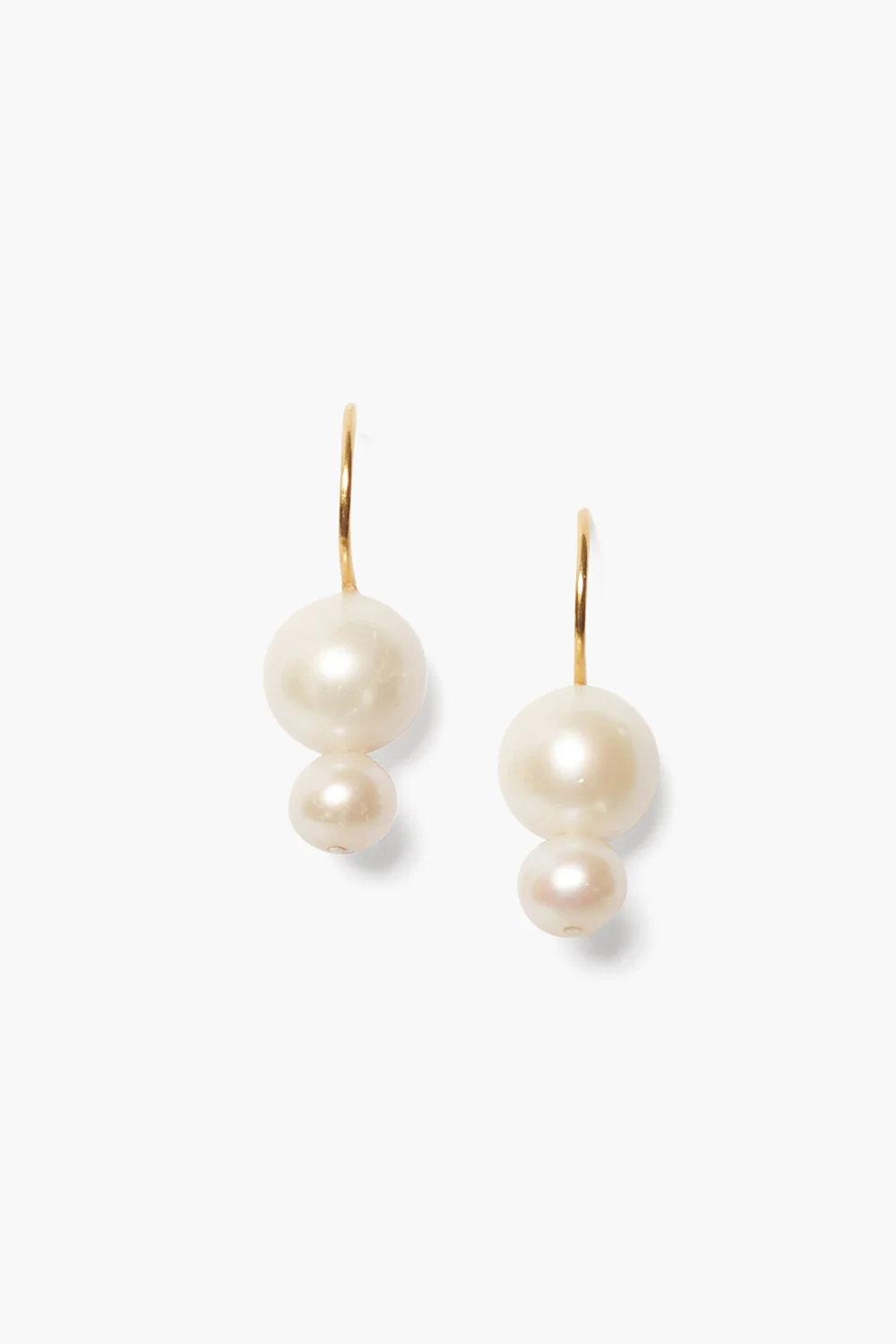
The Shoes-Off Party
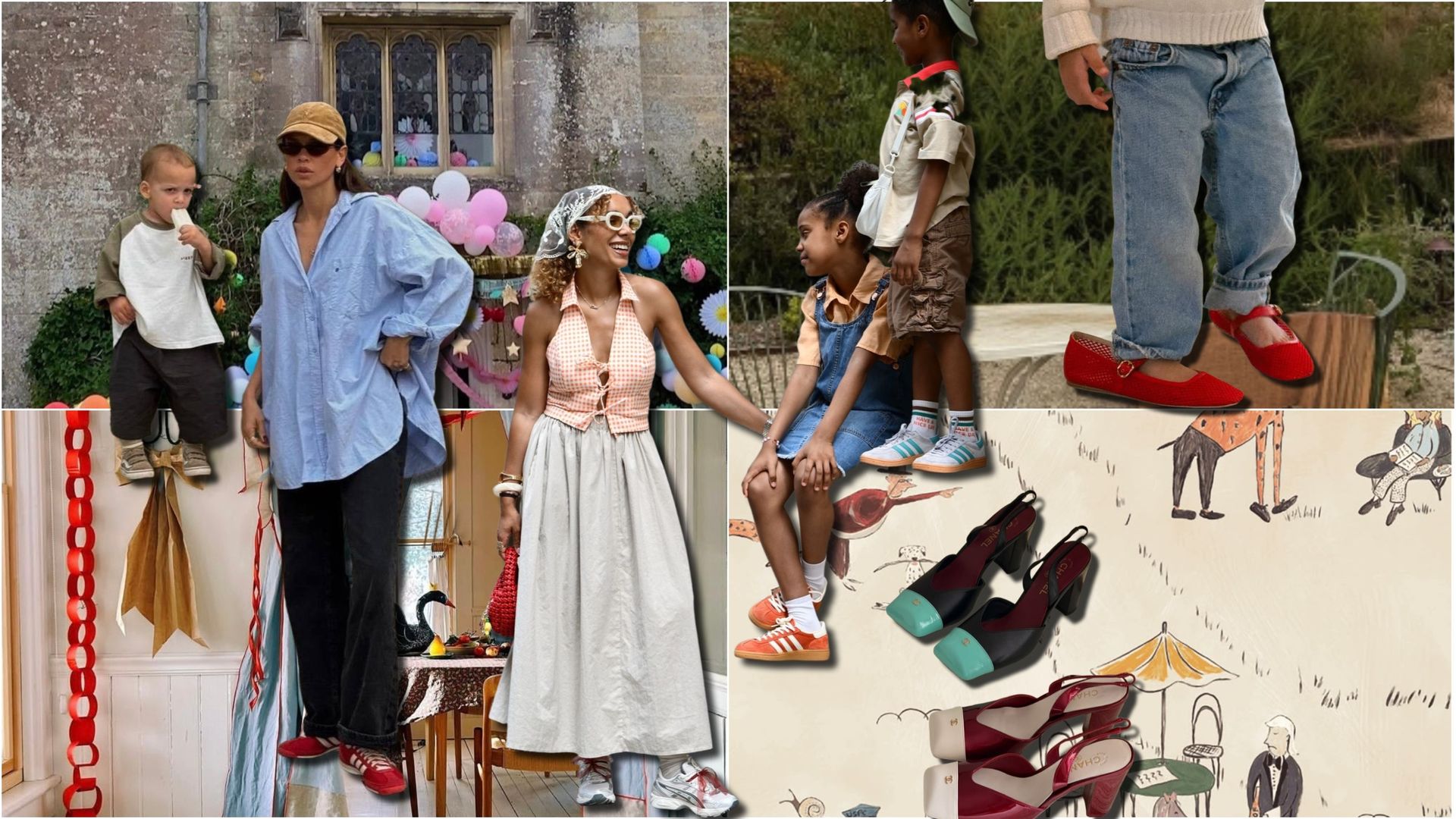
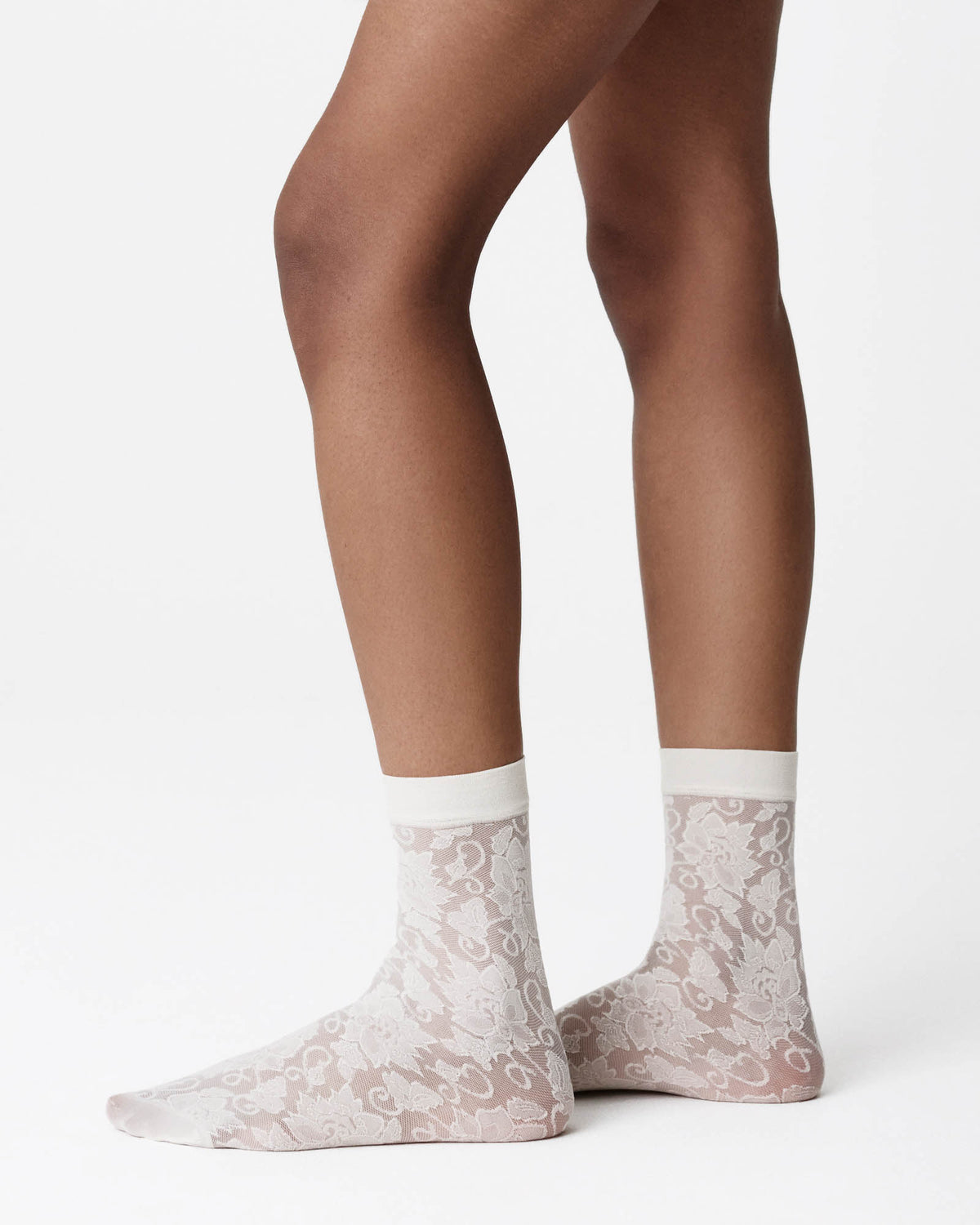
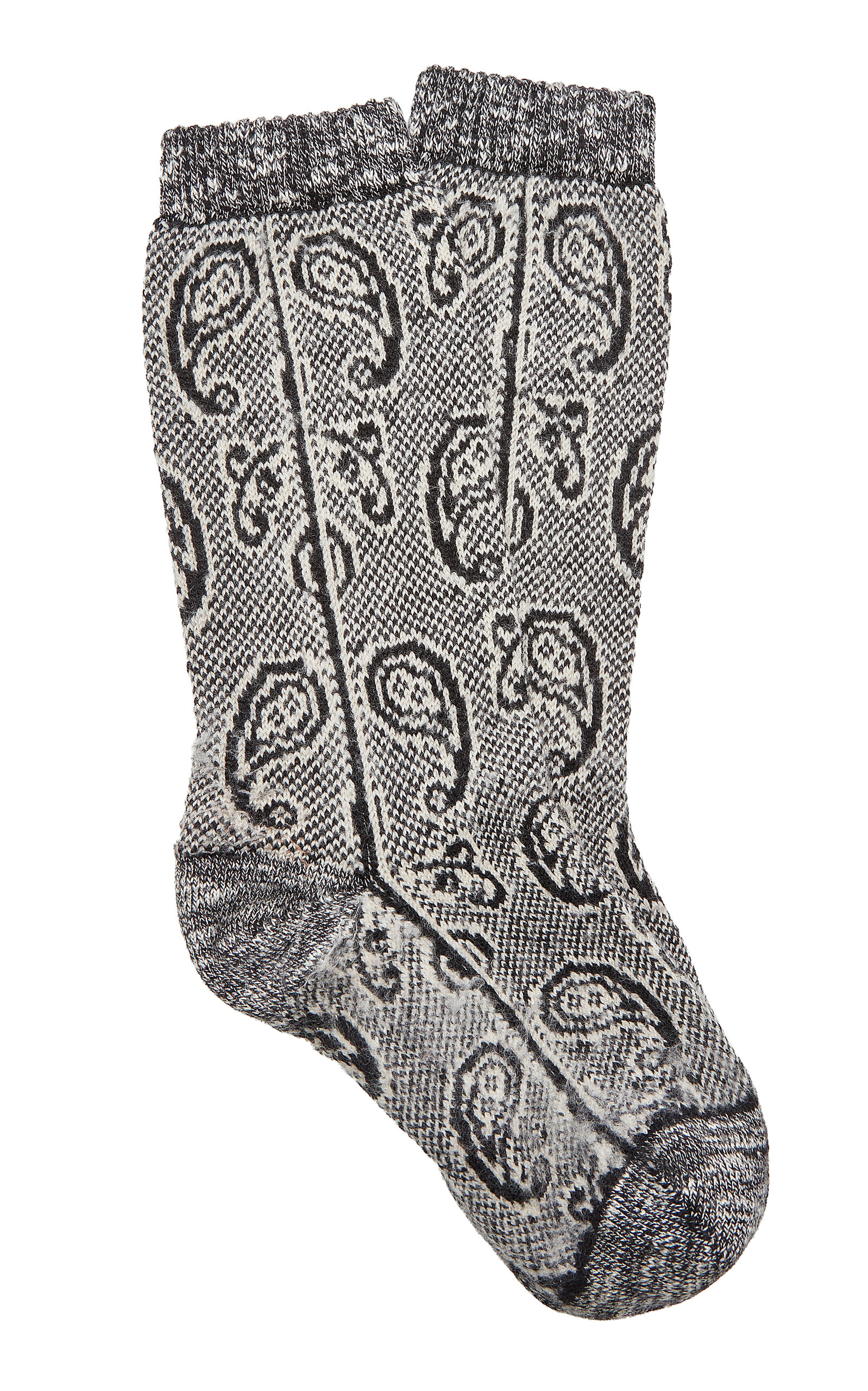
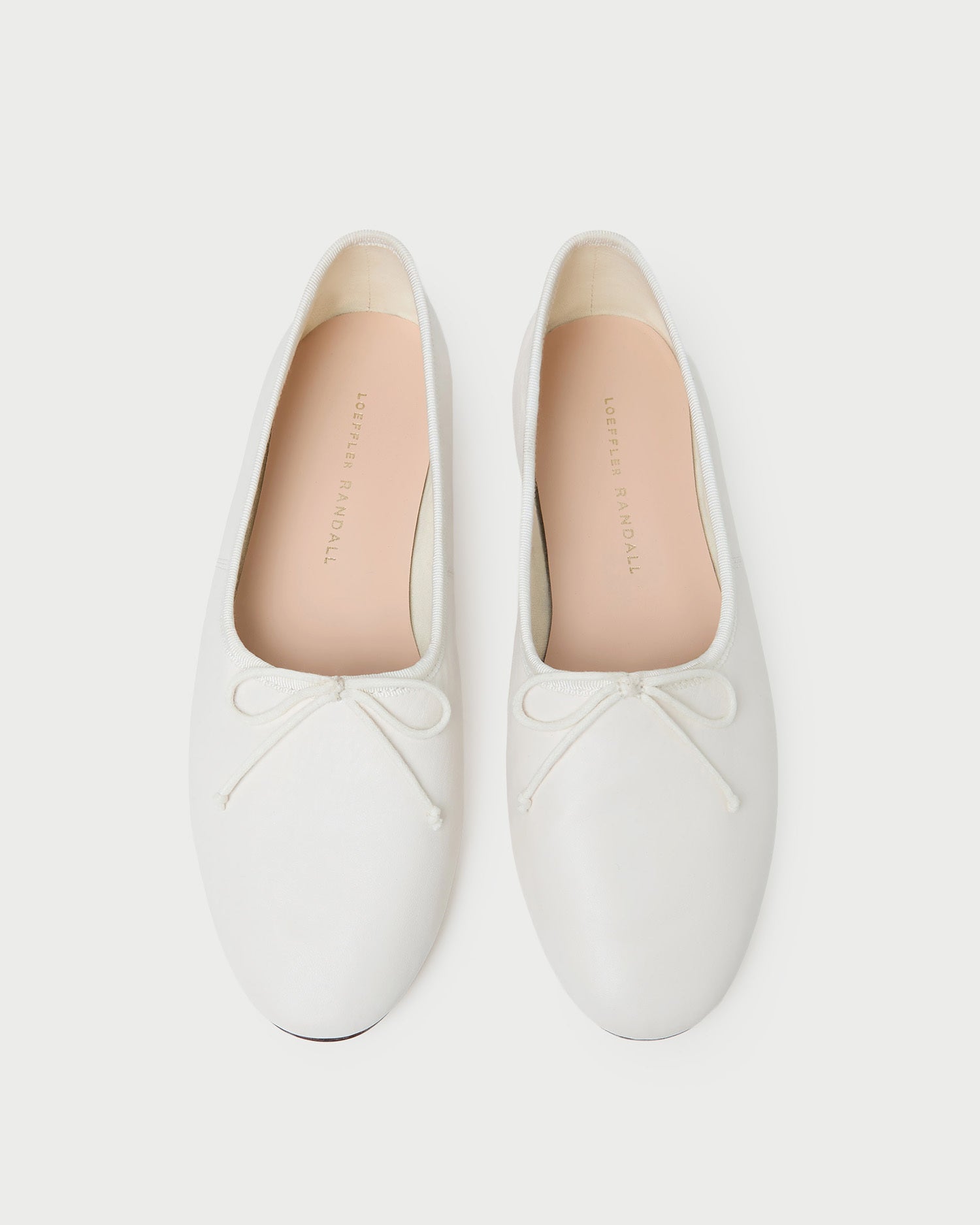
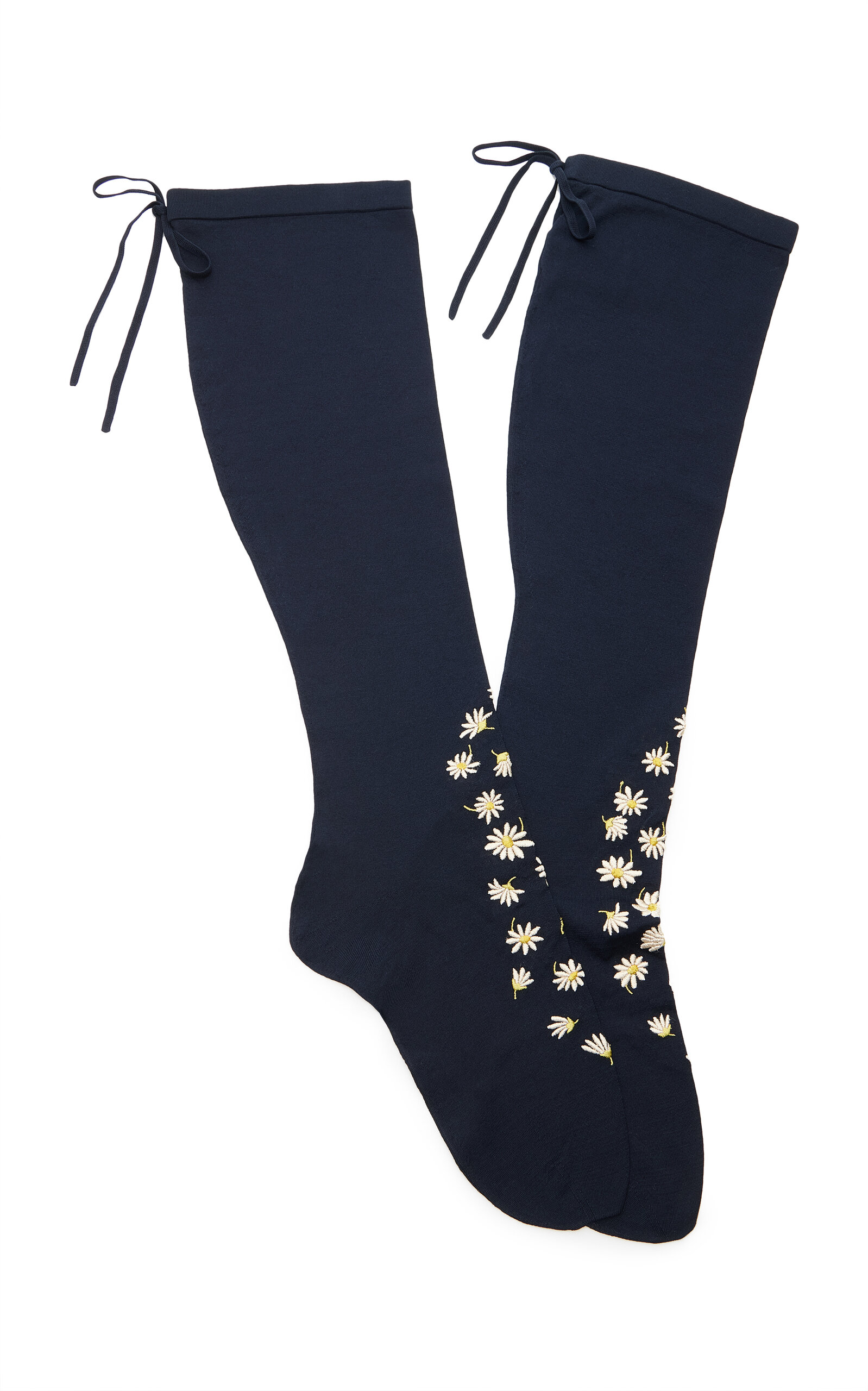
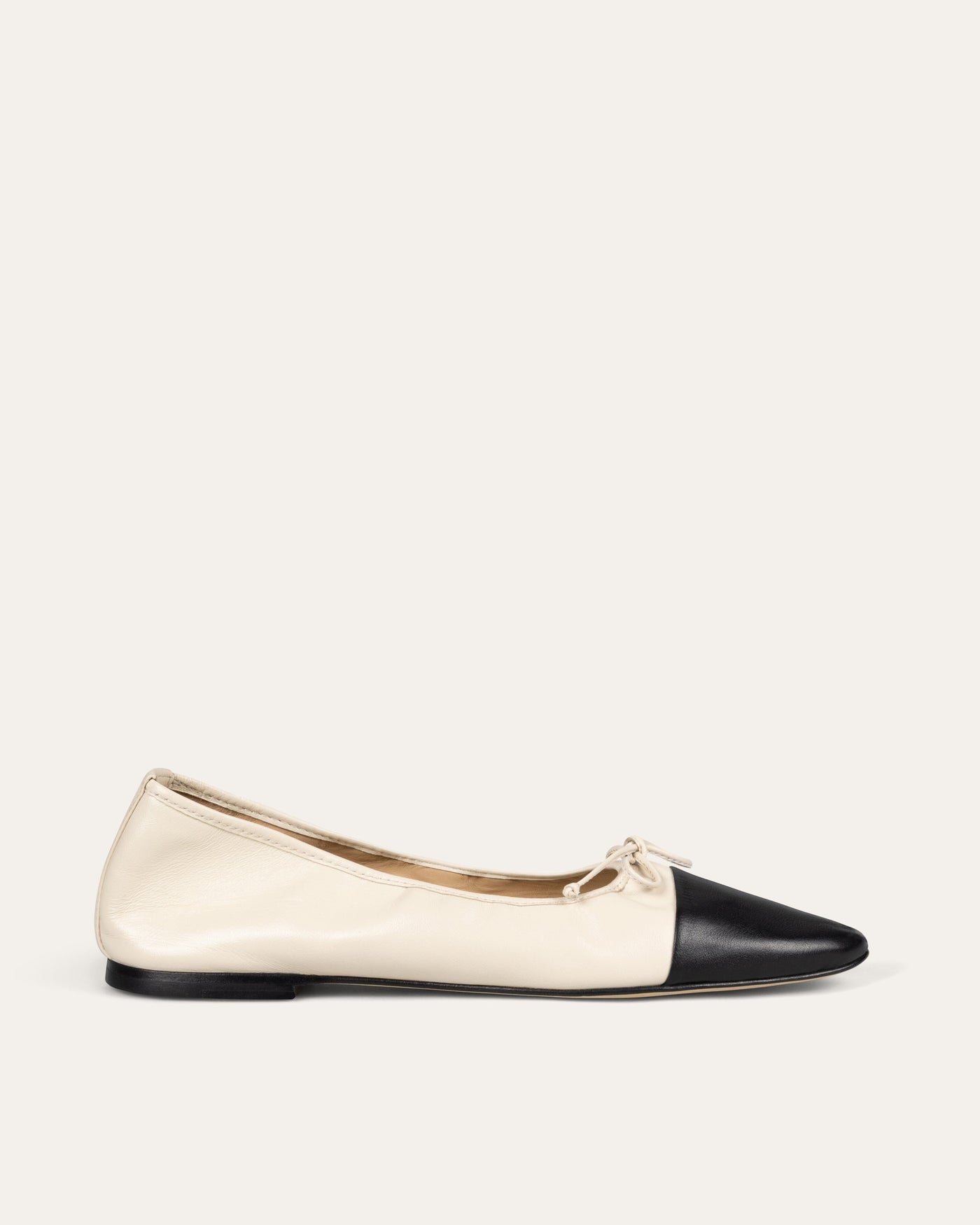
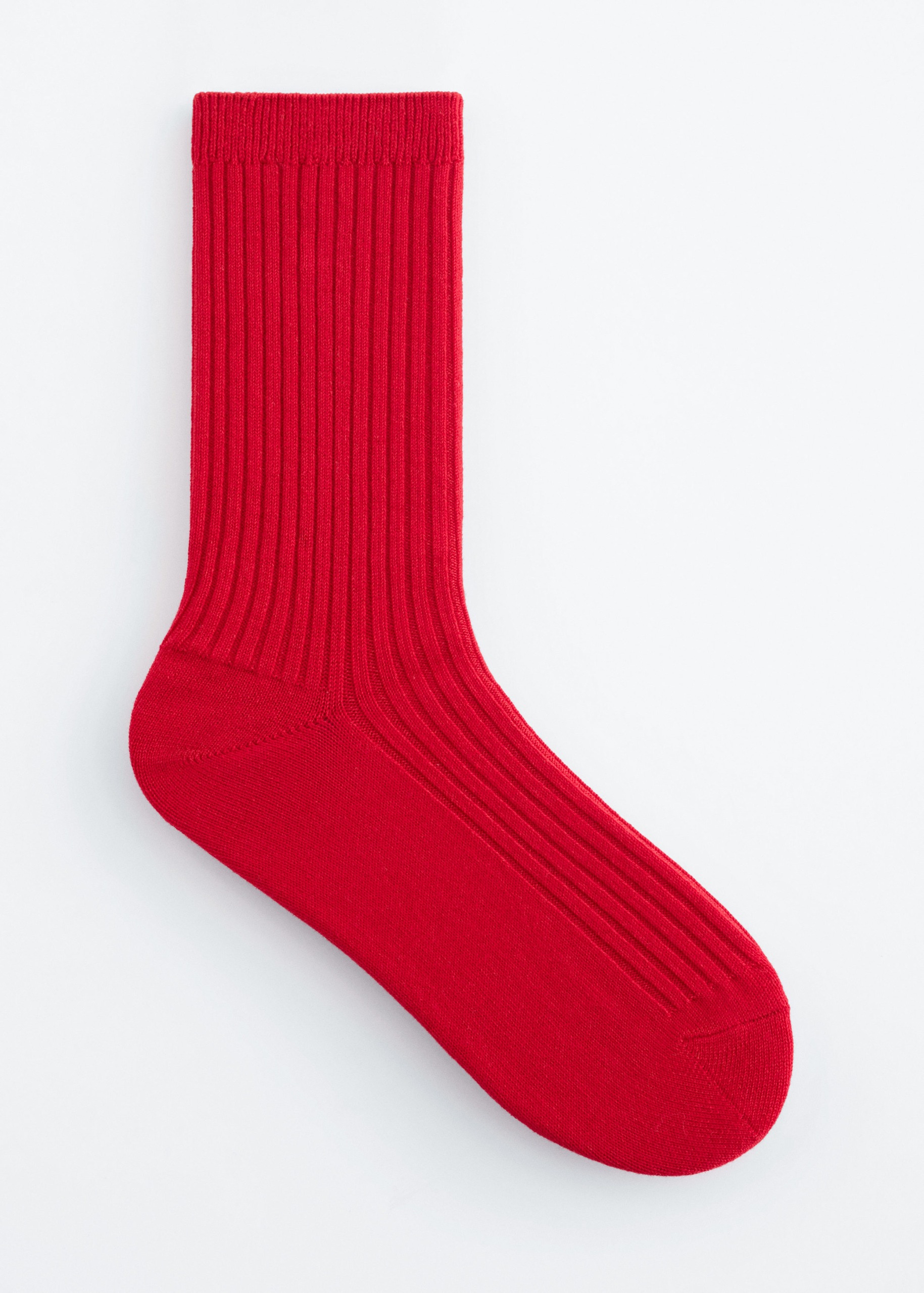
You can put together a great outfit only to arrive at a play space or someone’s apartment and find out the shoes are coming off. The ballet flats that were doing a lot of the work are sitting in a pile by the door and everyone can see the mismatched socks you grabbed that morning.
You do not need to plan an outfit around your socks, but if there’s even a chance it’s a shoes-off situation, maybe give them a second thought. And definitely don’t wear the pants that only work with a two-inch heel.
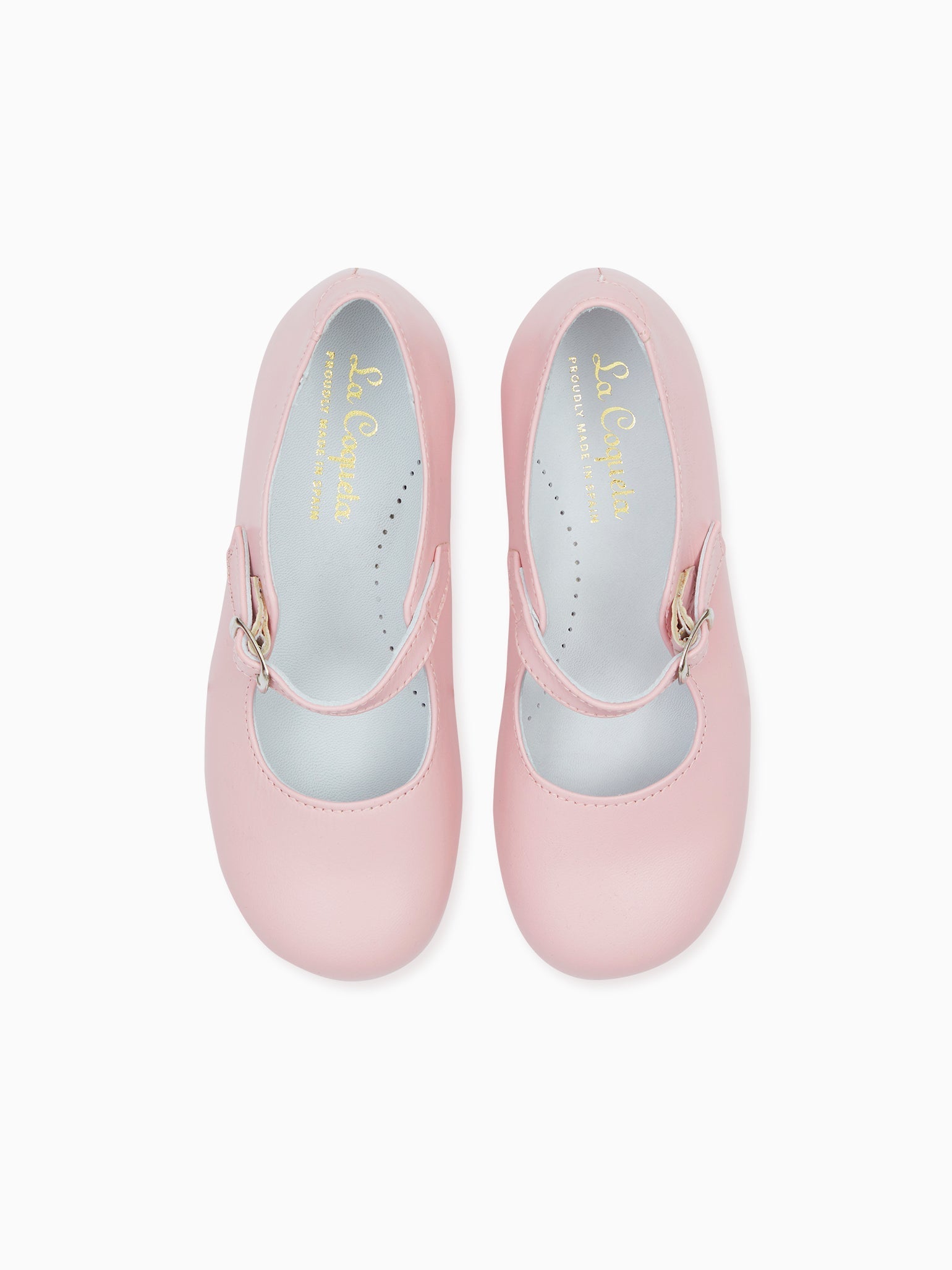
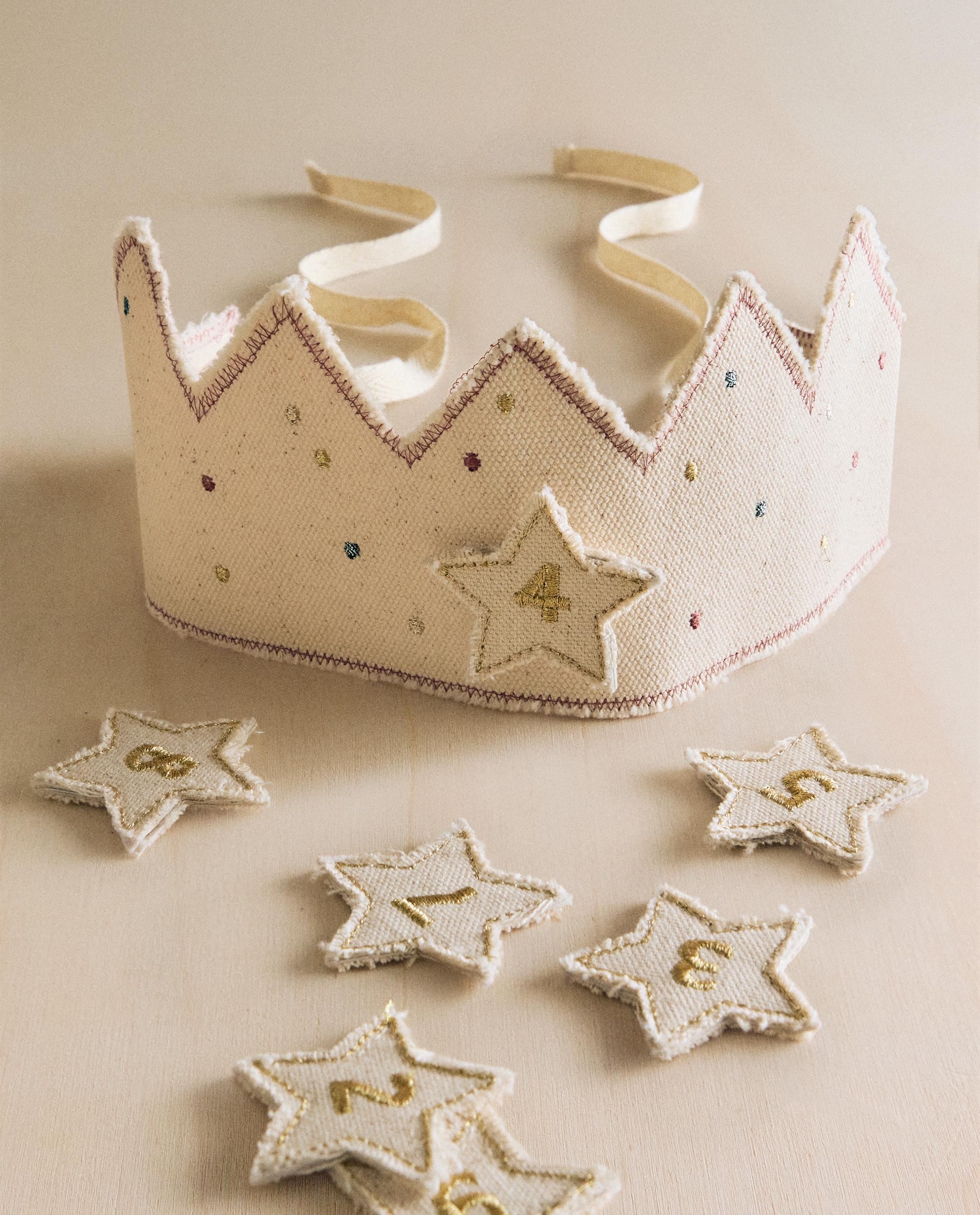
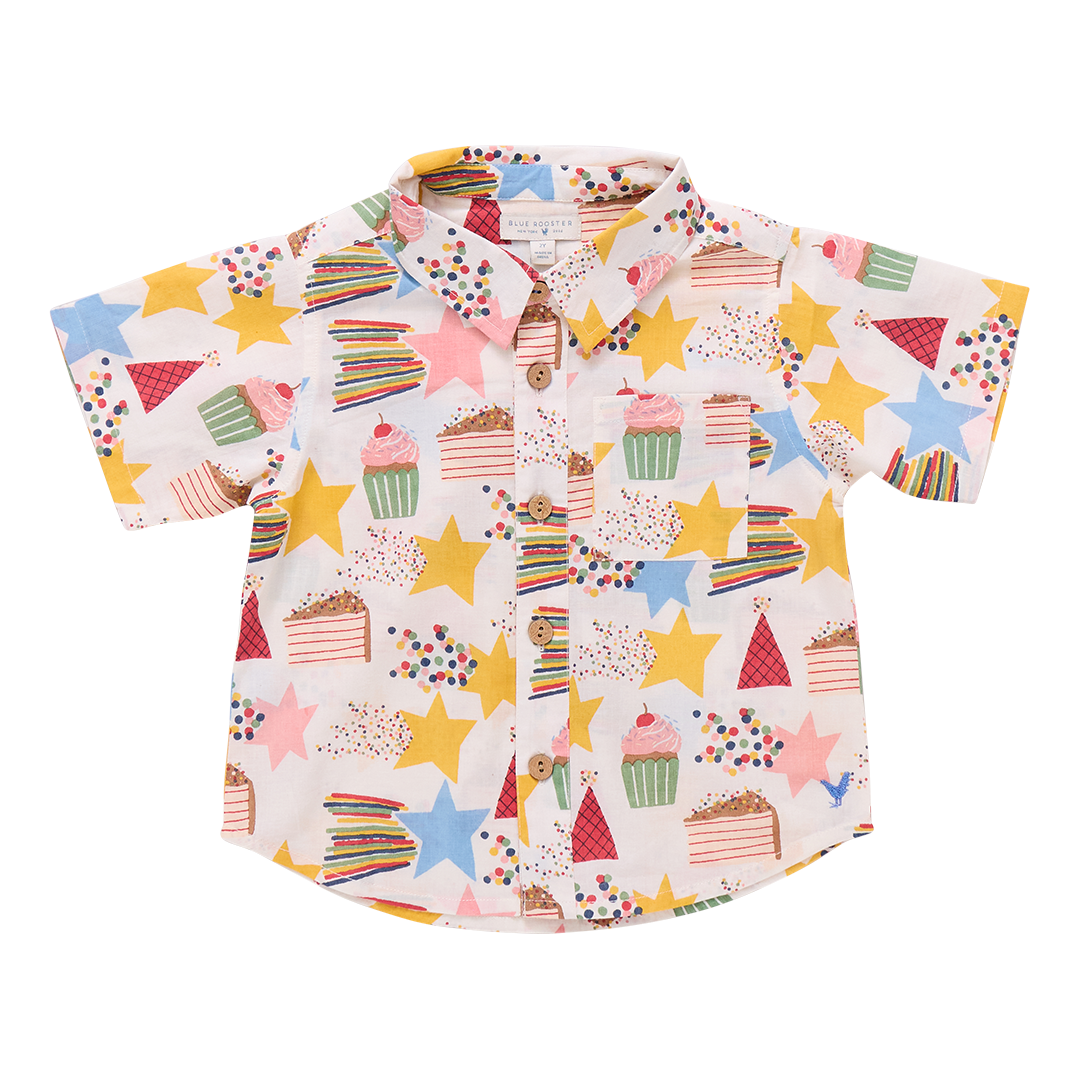
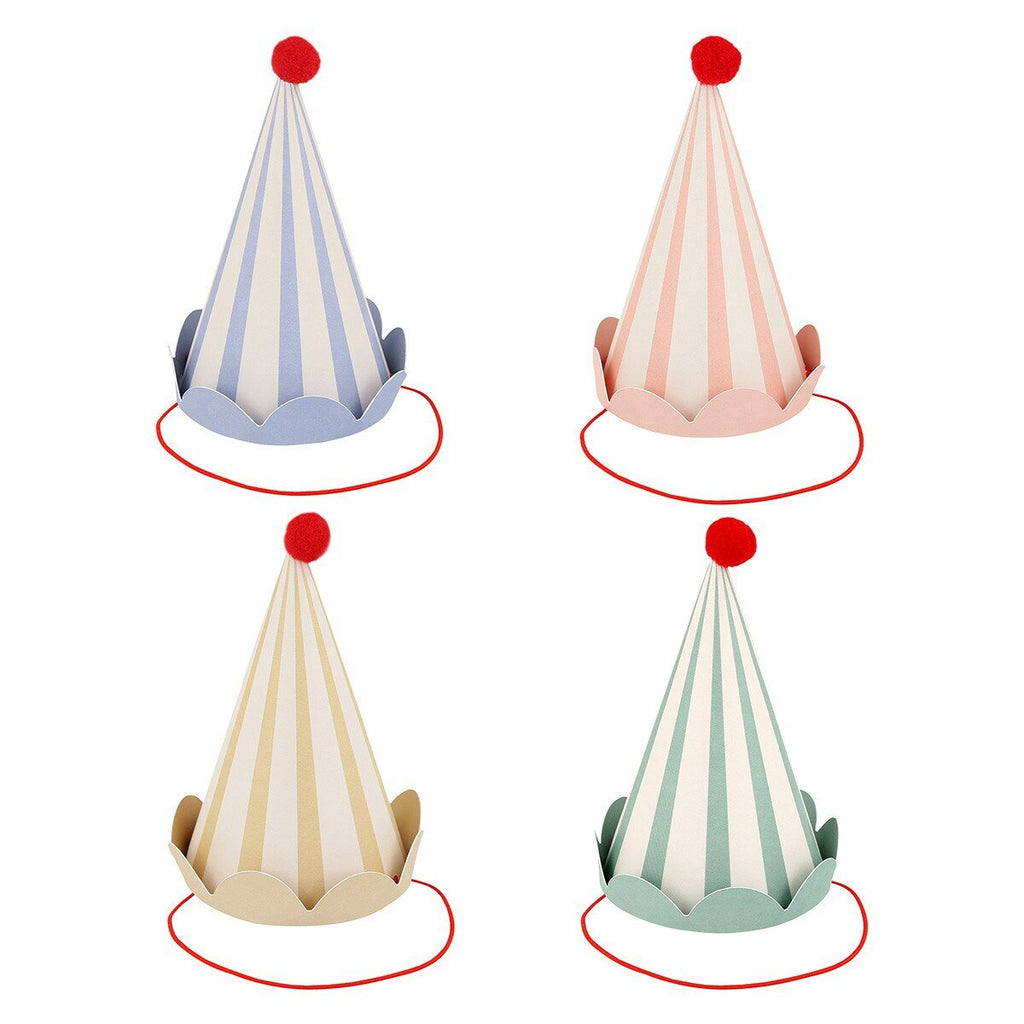
For the Littles
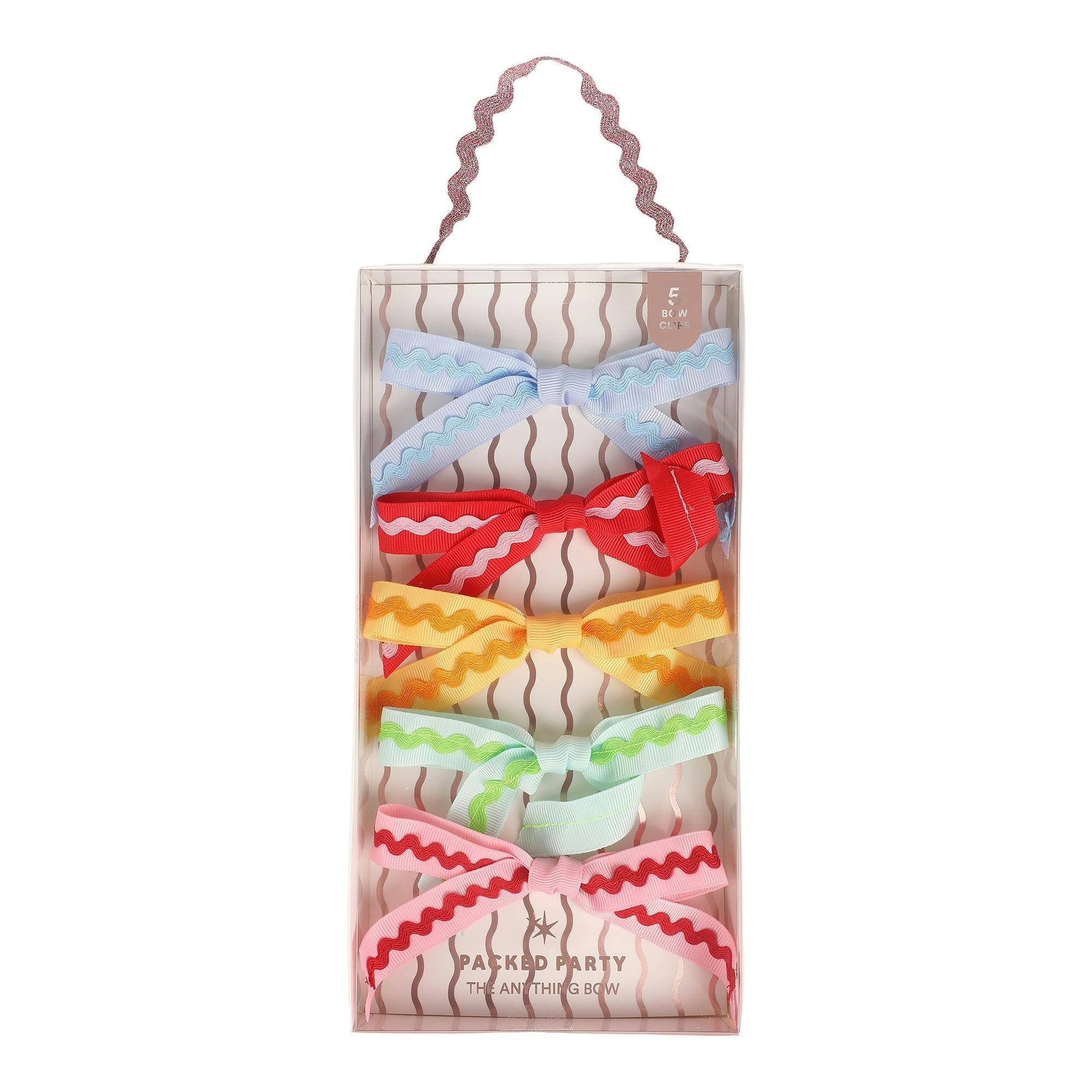
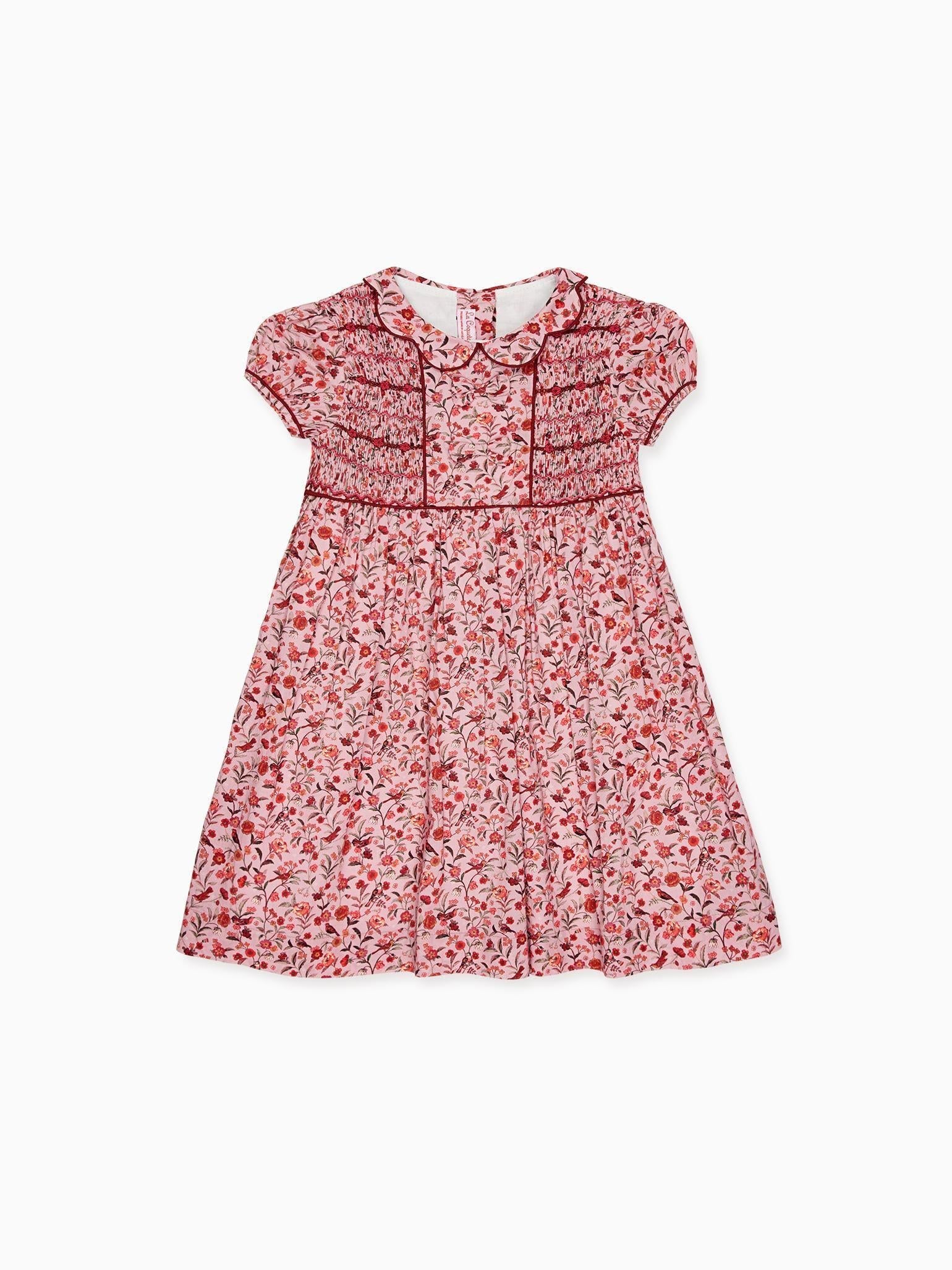
Because they can follow the theme, too.
Read on the original site
Open the publisher's page for the full experience