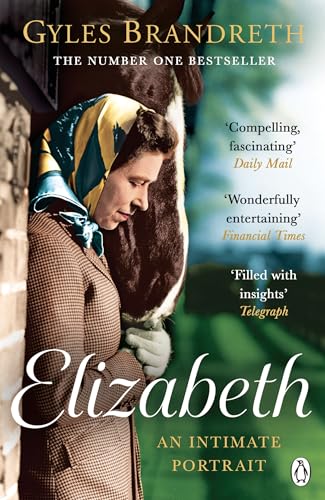
The late Queen's near-fatal encounter with a rogue horse, as relayed by actor Ian Ogilvy, is not the story of a monarch in peril but of a woman utterly at ease in her own world. This is the version of Elizabeth II that feels most alive: muddy boots, a headscarf, and the instinct to run for the gate when a stallion with red eyes charged at her. It is also the version that proves why the Crown's best-kept secret stayed with one woman forever, because the woman herself was always more interesting than the institution. For our readers, this anecdote offers something rare: permission to see power as something that can be playful, unguarded, and deeply personal.
What makes the story land is not the danger but the delivery. Ogilvy watched the Queen perform her "homicidal horse routine" with flattened ears and a snort, reenacting the moment a fieldmate of her beloved Burmese tried to kill her. She did not frame it as a brush with death; she framed it as a good story, one she clearly relished telling. This is the same woman who, according to Major-General Sir Sebastian Roberts, laughed until she nearly wept at a soldier's profane account of a runaway horse down the Mall. There is a through-line here that connects to the royals' unspoken terms being never their terms to make, the monarchy demands a certain script, but the best moments are the ones that break it. The Queen's license plate told a private joke only she knew, and so did her horse impersonation. Both reveal a personality the public rarely saw: wry, undignified, and entirely herself.
Our take is simple. This story matters because it strips away the ceremonial weight and leaves a woman who knew exactly who she was. She did not need to project authority; she had it. She did not need to be grandiose; she was grounded. When she told Ogilvy, "You very nearly lost your sovereign," she was not being dramatic. She was being honest, and that honesty is what made her compelling. For anyone curating a life of quiet intention, the lesson is clear: the most powerful presence is the one that does not perform for approval. It simply is.
The specific takeaway here is not about horses or royalty. It is about how we choose to tell our own stories. The Queen chose humor over gravity, intimacy over formality, and connection over distance. In a world that often rewards the loudest voice, her quiet confidence, her ability to laugh at a near-death moment in a muddy field, reminds us that true elegance is not about being untouchable. It is about being so comfortable in your own skin that even a charging stallion becomes just another anecdote.