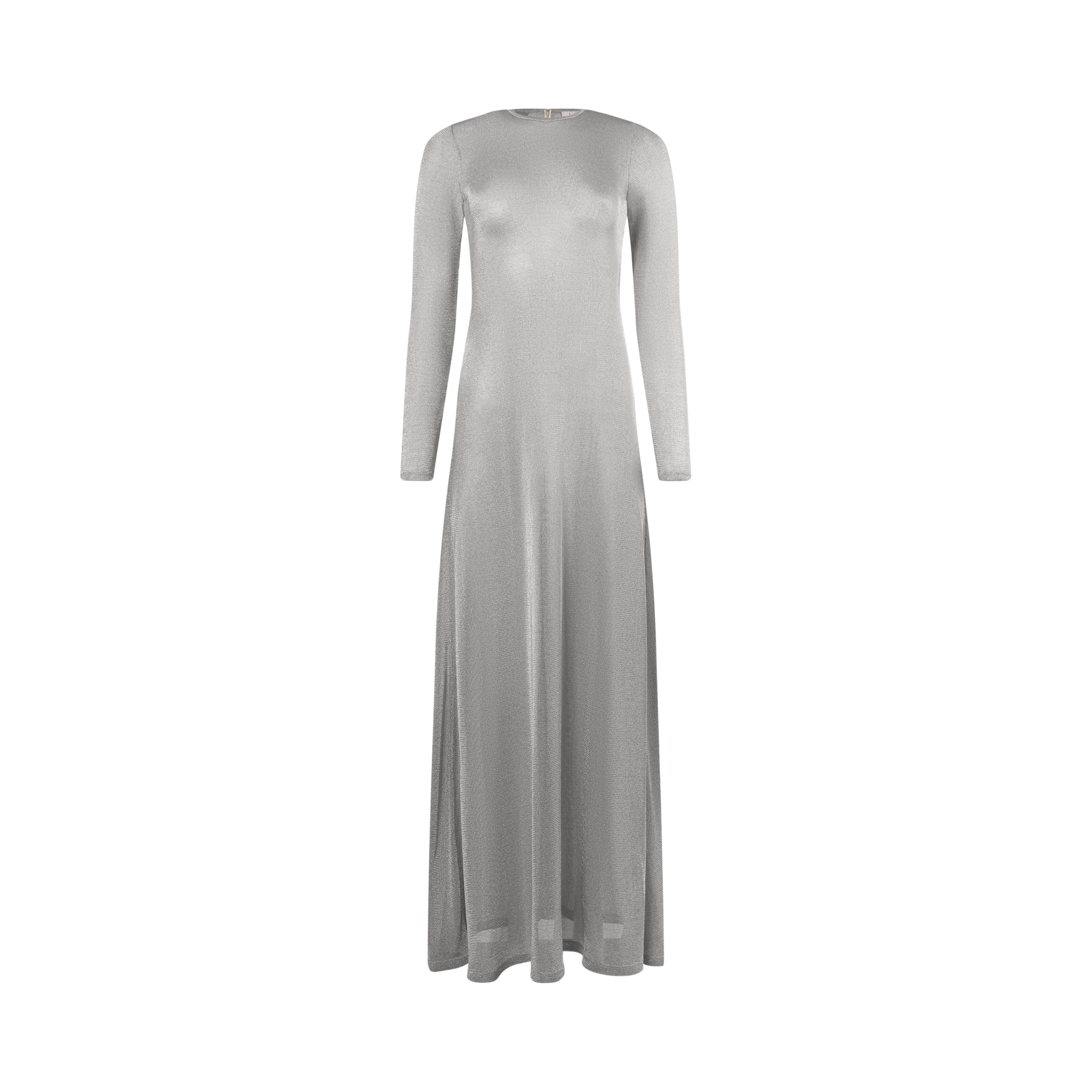
There is a quiet confidence in the designers shaping 2026, a refusal to choose between comfort and polish, between fantasy and reality. Who What Wear's latest Fashion's New Guard report confirms what we have long suspected: the future of fashion belongs to those who build worlds, not just wardrobes. For our readers, this is not merely a list to scroll past; it is a signal to invest in labels with intention, to seek out the stories behind the seams before the rest of the world catches on. As we noted in our look at The Los Angeles uniform that makes Lindsey Carter feel at ease in her own style, dressing well is ultimately about feeling at home in your own choices, and these eight designers offer exactly that kind of rooted self-expression.
What distinguishes this new guard is their refusal to shout. Stephen Biga of Mel Usine speaks of a romantic, mysterious world where femininity is not fragile, and his path began not with a business plan but with a medieval French legend encountered at the Met. That poetic origin is not a marketing gimmick; it is the foundation of a brand that has already landed on Gracie Abrams in Vogue. Across the Atlantic, Sabrina Meijer of Reyèm offers a counterpoint built on discipline: she advises aspiring founders to love numbers as much as creativity, producing her jersey pieces in the Netherlands and Portugal while keeping knitwear at a family-run mill in Italy. Her signature fabric, a recycled stretch jersey originally designed for sportswear, is wrinkle-free, breathable, and UV-protective, proving that luxury need not be impractical. These are not opposing philosophies; they are two sides of the same coin. Both designers understand that a brand must have a reason to exist, a question Biga asks himself with every collection. It is the same clarity we admired in our piece on The 6 Fall Shoe Silhouettes French Women Are Wearing Now, the best style choices are the ones that feel inevitable, not forced.
The practical takeaway here is simple but worth stating directly: do not wait for these brands to become ubiquitous. Mel Usine and Reyèm are still small enough to feel intimate, still led by the founders who sew meaning into every silhouette. When a label like Mel Usine draws inspiration from subway style and avant-garde cinema at Anthology Film Archives, or when Reyèm structures its seasons into core pieces, hero pieces, and risk-taking capsules, they are offering a blueprint for how to dress with intention rather than accumulation. The question we are left with is not whether these designers will succeed, they already are, but whether we will be paying attention before the next report names them the establishment.