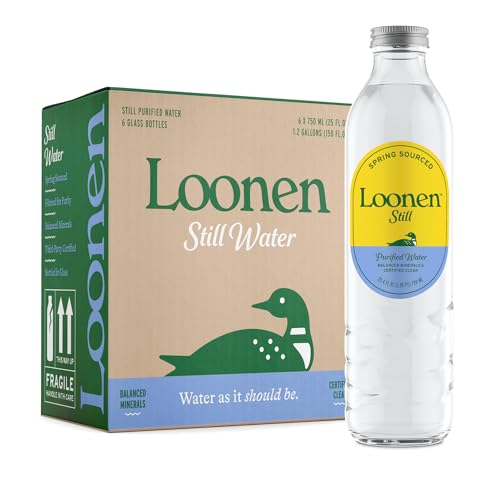
The quietest status symbol right now is not a handbag or a skincare fridge. It is the water you carry. We have watched this category transform from a grab-and-go commodity into a considered choice, and our view is clear: this shift is less about hydration and more about how we signal self-awareness in public. The bottle in your hand has become a wearable declaration of intention, and that is a fascinating evolution for something we once bought purely on instinct.
What strikes us most is how neatly this story aligns with the philosophy behind The quiet luxury approach to restoring skin's natural plumpness. Both trends ask us to slow down and question what touches our bodies. Where skincare once promised transformation through exotic ingredients, now it leans into restoration and integrity. Water is following the same arc. Provenance, the glacier, the remote spring, no longer holds the same sway. Instead, brands like Loonen and WaterOuai! sell transparency: lab results on a QR code, packaging free of microplastics, a narrative built on what has been removed rather than what was mythologised. Laura Jeffrey-Swain of Stylus puts it plainly: clean hydration, free from chemicals, is the new selling point. This is not romance; it is reassurance. And for a generation that has learned to scrutinise labels through The art of curating beauty: Prada, Byredo and Violette_FR, that feels like a natural next step.
Yet we must ask ourselves where the line sits between informed choice and performative consumption. Holly Thaggard, the founder of WaterOuai!, frames her mission around the entire experience, where water comes from, what touches it, how it fits into daily life. That is an admirable standard. But when a single bottle costs six dollars and a Manhattan lawyer spends eighteen hundred dollars a year on it, the gesture becomes a luxury that excludes as much as it elevates. Jeffrey-Swain predicts the real answer for most people will be a high-quality home filter, not a fridge full of glass bottles. We agree. The deeper takeaway is not the brand you buy but the mindset you adopt: water deserves the same consideration you give your moisturiser or your denim. If you scan a QR code before you drink, you are more present. If you choose aluminium over plastic, you are more intentional. That is the real prize.
What we will be watching is whether this category can sustain its elegance as it scales. The moment water becomes a billboard, emblazoned with logos, carried as a badge, it risks losing the quiet confidence that made it interesting in the first place. The most refined choice may ultimately be the one that disappears into your hand: a beautiful vessel, a clean taste, and no need to explain why.